

Antique Welsh Ceramics
These antique welsh ceramics bring vibrant nineteenth-century folk patterns and hand-painted earthen forms directly to the table.
Antique Welsh Ceramics
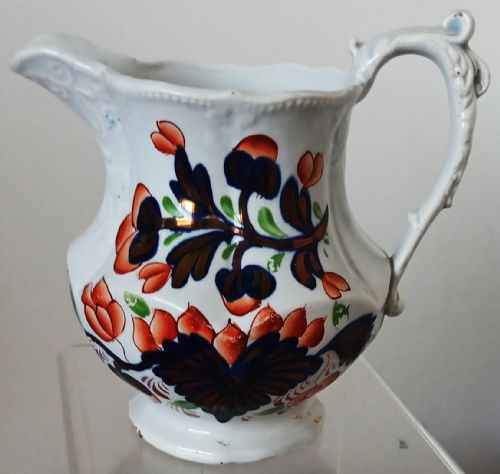
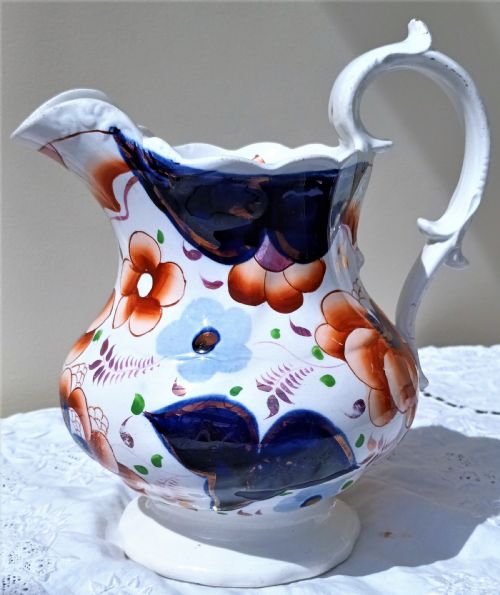
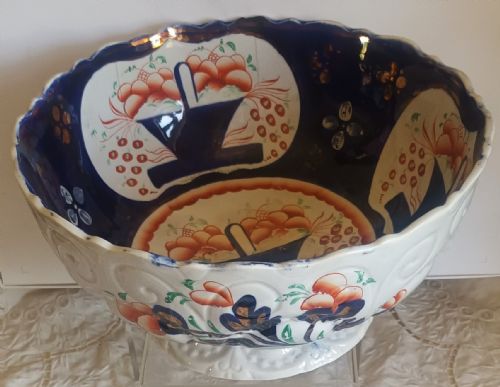
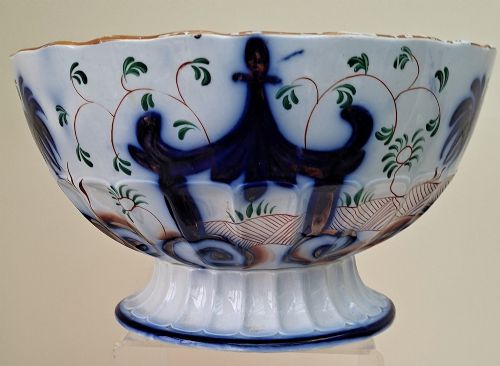
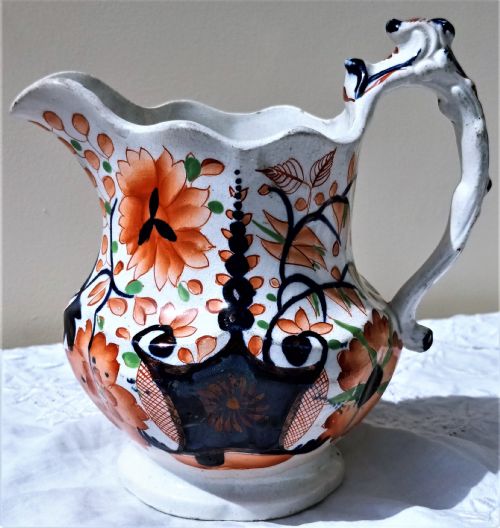
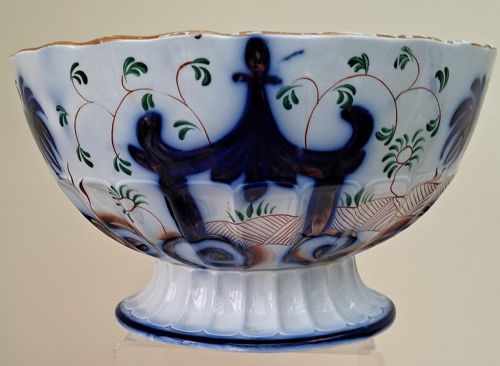
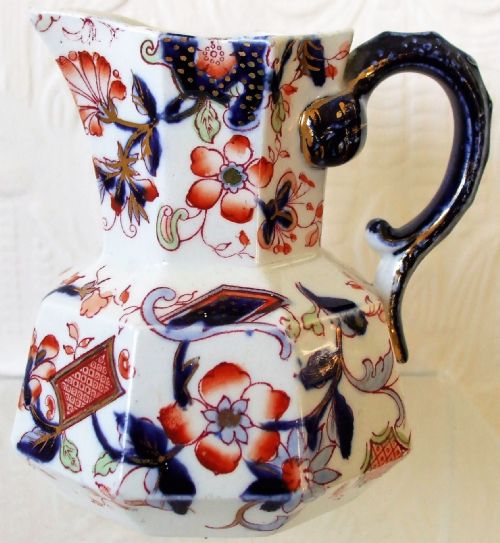
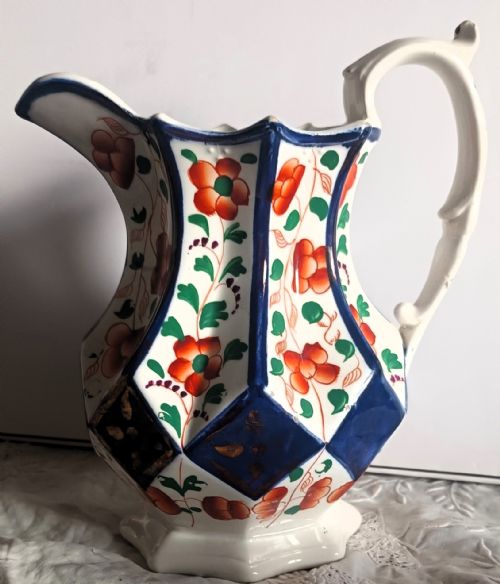
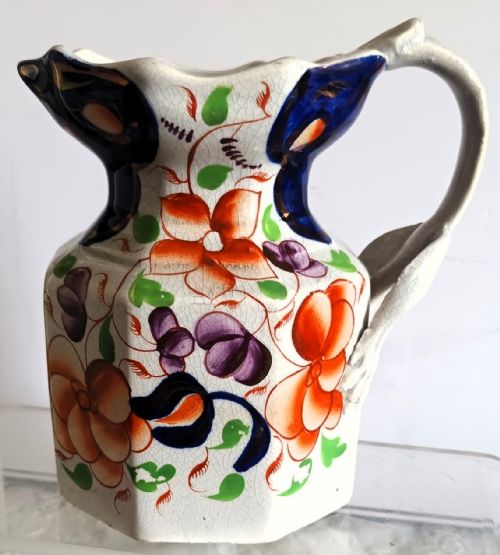
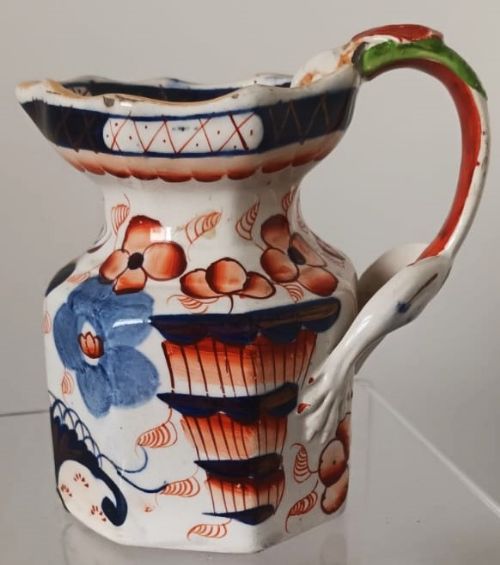
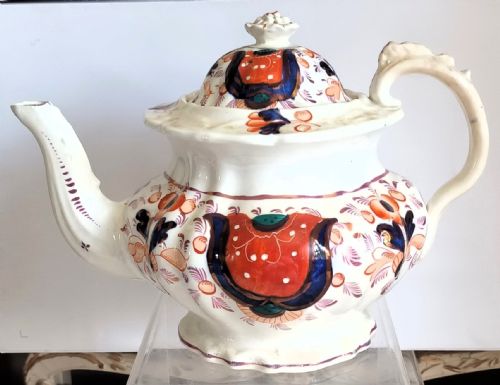
Buyers examining antique welsh ceramics encounter a robust selection of nineteenth-century earthenware and pearlware forms. The most frequently met examples on this page are jugs, pitchers, and footed bowls decorated in striking Gaudy Welsh patterns.
Makers produced utilitarian and decorative pieces spanning Georgian, Regency, and Victorian periods. Recognisable pattern names such as Pagoda, Grape, and Basket of Flowers dominate the available pottery.
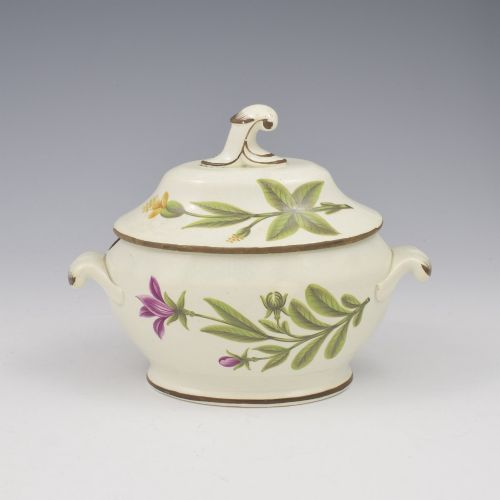
The selection includes household items like tobacco jars, basins, sauce tureens, and decorative plaques. Folk art traditions emerge strongly through distinct regional designs and hand-painted motifs.
Materials and production techniques
Potters utilised earthenware, pearlware, and porcelain as the primary body materials for shaping vessels and plaques. Artisans applied cobalt glaze, copper lustre, and enamel paints by hand to create rich surface decoration.
Techniques combined slip casting or throwing with meticulous brushwork. Firing processes fixed intricate hand-painted patterns like the Oyster, Harlech, and Bethesda designs onto the ceramic body.
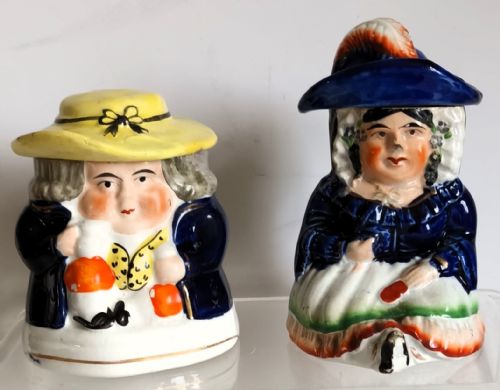
Several nineteenth-century items depict animals, including a pair of goats accompanied by a Welsh tailor and his wife.
Assessing craftsmanship and condition
Quality rests upon the precision of the hand-painted brushwork and the vibrancy of the enamel colours. Pieces exhibiting crisp application of copper lustre and cobalt glaze stand apart from simpler iterations.
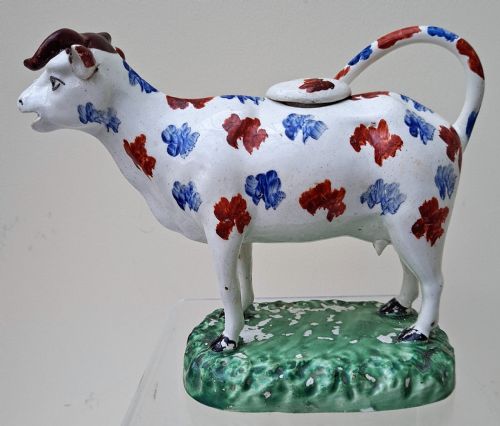
The complexity of the moulded form, such as the sculptural detail on cow creamers or tobacco jars, determines the standard of the piece. Intact footed bowls and plaques with clear pattern names reflect superior preservation.
Keeling & Co·Copeland·William Yale·Swansea·Nantgarw
The Antique Welsh Ceramics Glossary
- Pearlware
- A refined earthenware developed in the eighteenth century featuring a thin glaze with a slight bluish tinge. It served as a smooth canvas for hand-painted underglaze blue and enamel colours.
- Copper Lustre
- A metallic glaze finish producing a reflective coppery sheen. Potters applied this technique to accentuate rims, handles, and pattern borders on jugs and bowls.
- Gaudy Welsh
- A style of brightly coloured earthenware pottery produced in the nineteenth century. It is characterised by vibrant cobalt blue, iron red, and copper lustre decoration.
- Sauce Tureen
- A small covered ceramic vessel designed for serving sauces at the dining table. They frequently appeared alongside matching stands during the Georgian period.
- Comport
- A decorative pedestal dish or bowl elevated on a foot. These pieces were utilised for serving fruit or sweetmeats during formal nineteenth-century dining.
Antique Welsh Ceramics: Frequently Asked Questions
How were ceramic cow creamers used?
Ceramic cow creamers served as functional vessels for dispensing milk or cream at the tea table. The milk was poured through an opening on the cow's back.
These whimsical pieces combined domestic utility with playful sculptural design. Potters decorated them with hand-painted spots and painted eyes.
Where were pearlware sauce tureens made?
Pearlware sauce tureens were produced by factories utilising refined earthenware bodies. Swansea stands out as a noted centre for producing fine pearlware and porcelain.
Makers decorated these tableware items with botanical paintings and hand-applied glazes. They formed part of larger dining services during the Georgian era.
How do I identify nineteenth-century footed bowls?
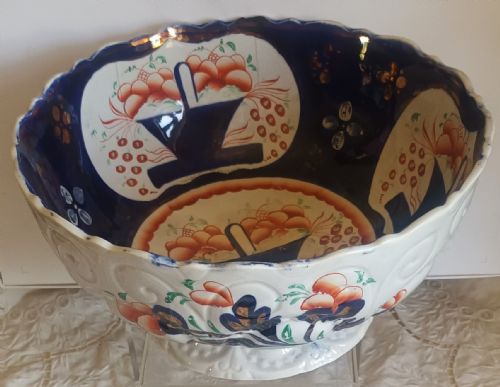
Nineteenth-century footed bowls feature elevated pedestals supporting decorated basins. Potters applied traditional patterns such as the Basket of Flowers or Gower across the interior and exterior surfaces.
These bowls functioned as decorative centrepieces or serving vessels. Their sturdy earthenware construction helped them survive decades of household use.