





Antique Weaver Rug
An antique weaver rug brings tribal craftsmanship and geometric designs into a room, offering genuine historical textiles woven by nomadic and village makers.
Antique Weaver Rug
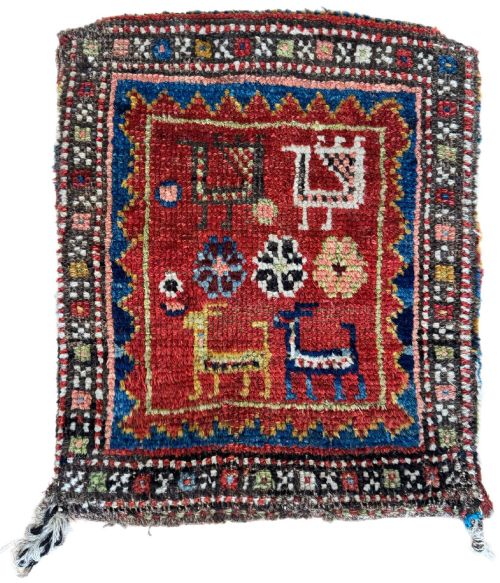
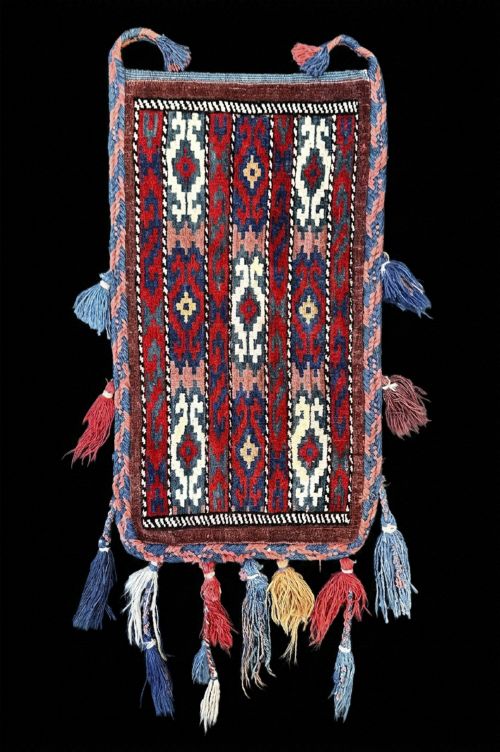
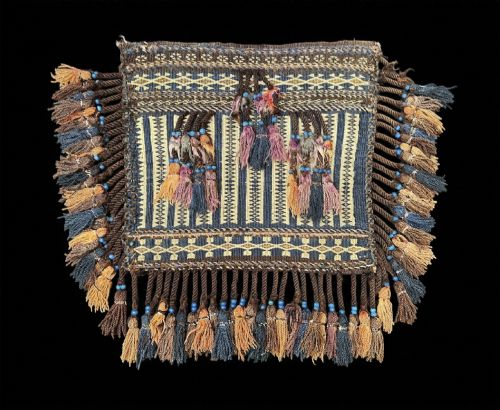
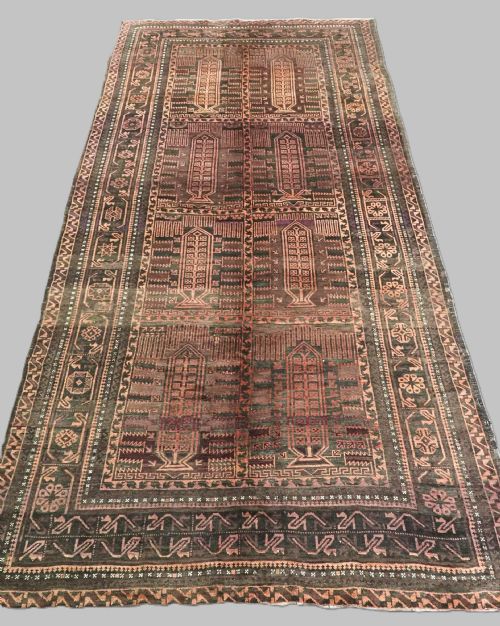
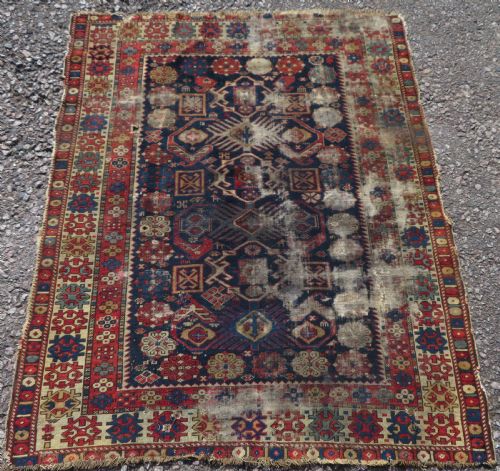
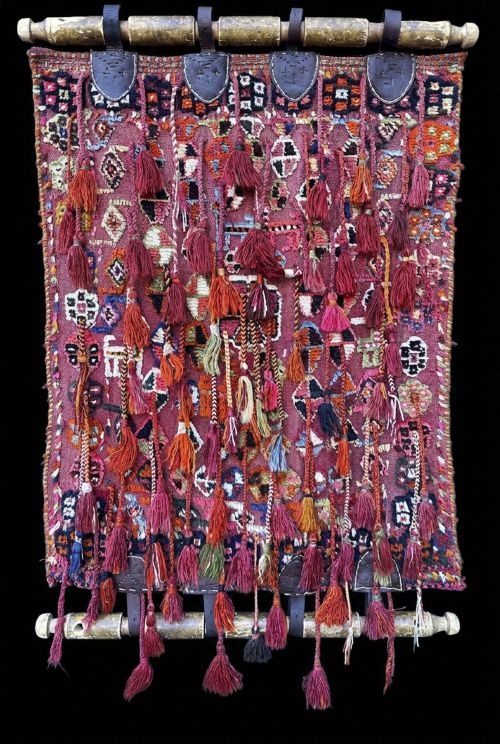
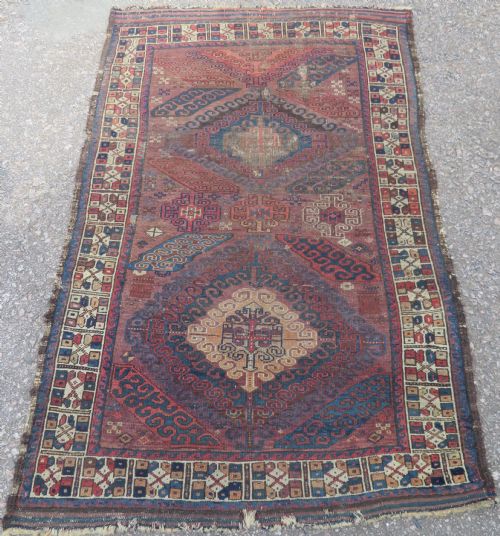
When searching for an antique weaver rug, collectors encounter tribal and village textiles originating from Persia, the Caucasus, Anatolia, and Central Asia. These pieces encompass room-sized main carpets, smaller village rugs, and utilitarian tribal items such as torba faces, chuvals, spindle bags, and saddle bags.
The inventory on this page draws heavily from nineteenth and early twentieth-century nomadic traditions, including Yomut, Tekke, and Ersari Turkmen groups, alongside Qashqai, Luri, and Caucasian weavers. Forms range from floor rugs and area carpets to wall hangings and embroidered panels.
Materials and construction
Weavers constructed these textiles using hand-spun wool and cotton, frequently dyed with natural colourants to produce deep, lasting tones. Leather and wood occasionally appear in specific functional objects such as cradles or bag structures.
The technical execution relies on dense knotting and flatweave techniques, yielding robust pile surfaces alongside flat panels like kilims and cicim embroideries. Skilled makers utilised dyed yarn to map out intricate geometric diagrams and tribal symbols.
Antique Weaver Rug Retail Price Guide 2026
Typical asking prices for weaver rug among the pieces listed under this phrase on Sellingantiques today, from the lower quarter to the upper quarter. They describe what is for sale here now, not the wider market.
What separates the tiers
Quality in these textiles rests upon the precision of the weave and the complexity of the tribal design. Tighter knot counts and fine structural integrity distinguish superior Torbas and main carpets from simpler utilitarian pieces.
The depth and persistence of natural dyes also set examples apart, alongside the clarity of execution in regional motifs such as octagons or kepsé guls. Preservation of original plain weave backs and complete bag structures adds to the integrity of an antique piece.
The Antique Weaver Rug Glossary
- Chuval
- A large tent bag used by Turkmen nomads for storage. These pieces typically feature multiple guls across the face.
- Torba
- A smaller storage bag hung inside a nomad tent. They often display detailed medallion or leaf designs on the front.
- Gul
- A repeating primary medallion motif found frequently in Turkmen and Central Asian weaving traditions. Each tribe utilised distinct versions of these floral or geometric symbols.
- Cicim
- A decorative embroidery technique applied to flatweave foundations. It creates raised patterns across the surface of bags and panels.
- Kilim
- A flatwoven textile made without a pile. These panels display sharp graphic lines formed by interlocking the weft threads.
Antique Weaver Rug: Frequently Asked Questions
How do I use a tribal bag face?
Original bag faces such as torbas and chuvals function well as small wall hangings or distinct accent pieces.
Collectors mount them on textiles supports or display them flat to highlight the fine knotting and tribal iconography.
What is a main carpet?
A main carpet refers to large-format floor coverings produced by tribal groups for domestic use or community gatherings.
These extensive pieces display comprehensive repeat patterns across wide expanses of hand-spun wool.
How do I distinguish Yomut from Tekke rugs?
Yomut and Tekke pieces belong to Turkmen weaving traditions but utilise different primary gul designs and border arrangements.
Examining the specific octagonal motifs and secondary patterns helps identify the particular tribal origin of the weave.