



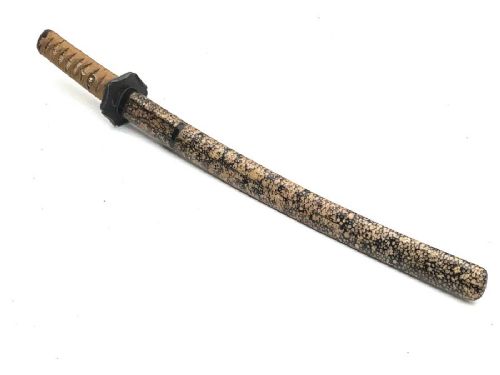

Antique Weaponry
Antique weaponry spans centuries of global craftsmanship, offering collectors functional art pieces imbued with military history and cultural heritage.
Antique Weaponry
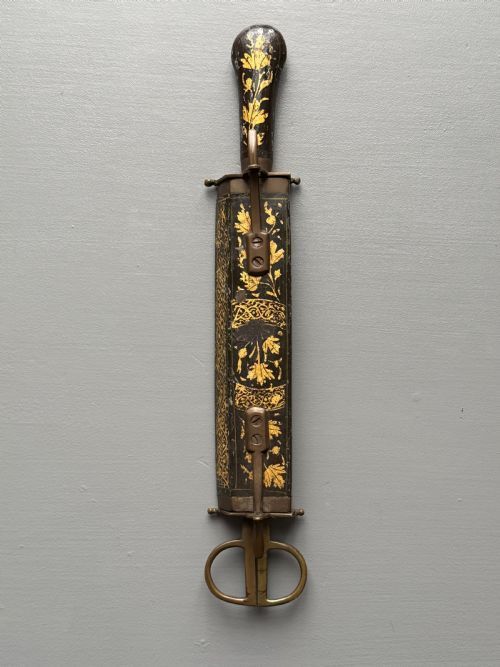
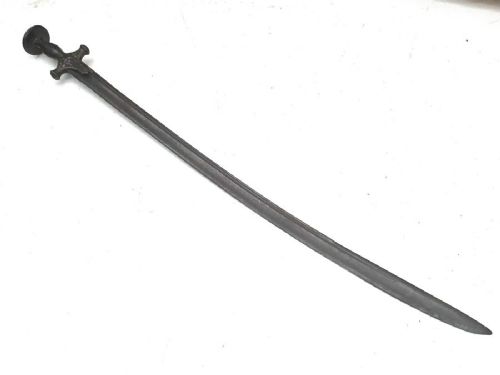
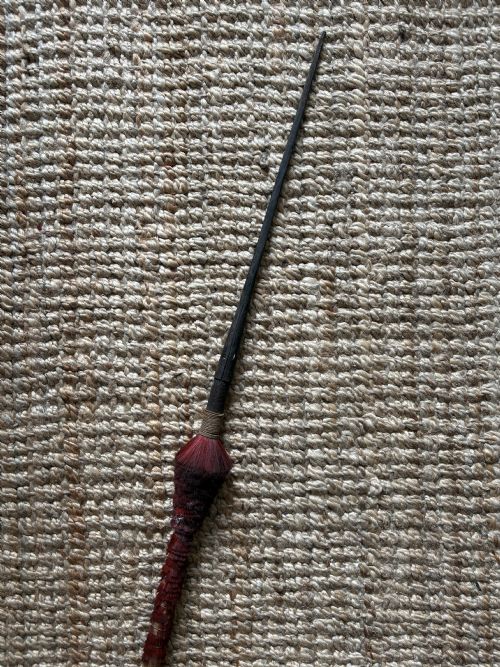
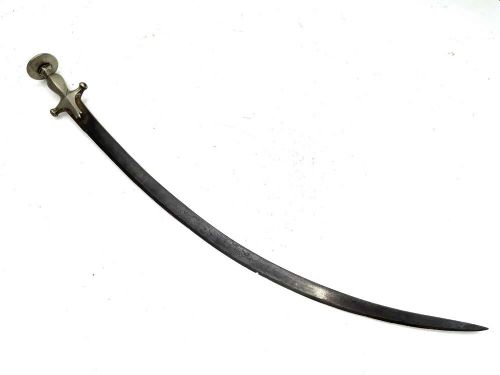
Antique weaponry encompasses edged instruments, firearms, and tribal artefacts produced across diverse global cultures from the sixteenth century onward. Collectors seeking antique weaponry will encounter samurai swords, flintlock pistols, and traditional tribal clubs alongside specialised knives and polearms.
The pieces on this page originate from distinct regional traditions, including Edo period Japan, the Ottoman Empire, and nineteenth-century Africa. These items reflect the operational requirements and aesthetic values of their respective military and tribal creators.
Materials and construction methods
Makers utilised forged steel and iron for blades and barrels, pairing them with stocks and handles carved from walnut, wood, and bone. Decorative elements frequently incorporate brass mounts, silver inlays, mother-of-pearl, and leather scabbards.
Traditional metalworking techniques such as pattern welding and hand-engraving combined with intricate woodworking to produce durable armaments. Regional workshops applied specific finishes, including lacquer and vegetable dye bristles, to complete each piece.
Antique Weaponry Retail Price Guide 2026
Typical asking prices for weaponry among the pieces listed under this phrase on Sellingantiques today, from the lower quarter to the upper quarter. They describe what is for sale here now, not the wider market.
Listings feature items from the eighteenth and nineteenth centuries, spanning Scottish Highland, Ottoman Balkan, and Edo Period Japanese origins.
Assessing quality and craftsmanship
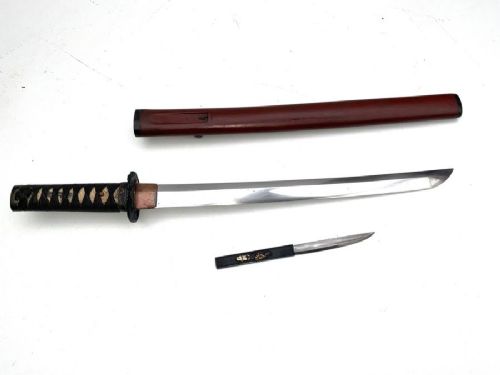
Quality rests upon the integrity of the forged blade or mechanism and the precision of surviving decorative elements. Examples featuring intact original scabbards, matching companion knives, and detailed silver or mother-of-pearl mounts command greater attention from collectors.
The condition of historical components, such as flintlock actions and carved wooden stocks, defines the desirability of an item. Pieces retaining distinct maker signatures or regional ornamentation demonstrate superior historical significance.
The Antique Weaponry Glossary
- Flintlock
- A firearm ignition mechanism that uses a flint struck against a steel frizzen to create sparks for gunpowder ignition. This system dominated military and civilian sidearms for centuries.
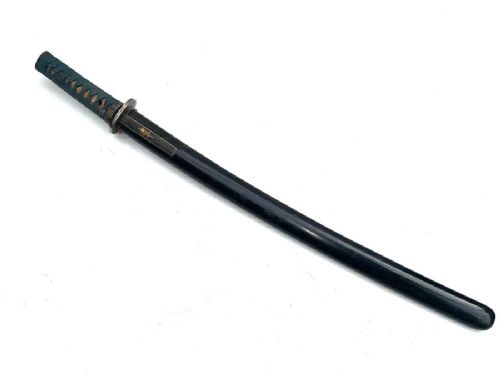
- Wakizashi
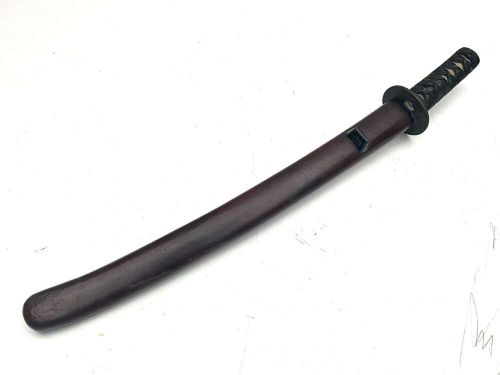
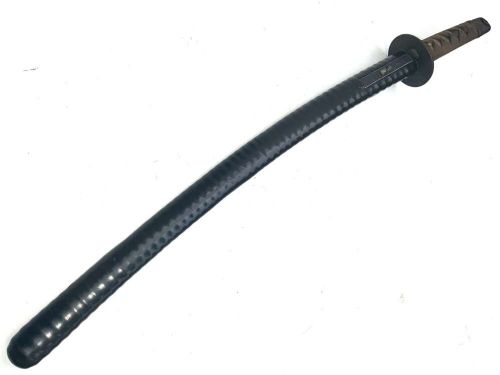
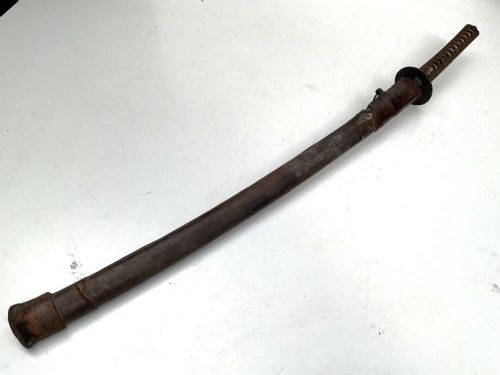
- A traditional Japanese short sword carried by samurai warriors, often paired with a longer katana. These blades exhibit refined forging techniques developed over generations.
- Miquelet
- A form of snaplock firearm mechanism utilising an external mainspring, commonly found on Mediterranean and Ottoman pistols. It represents an important mechanical stepping stone in firearm evolution.
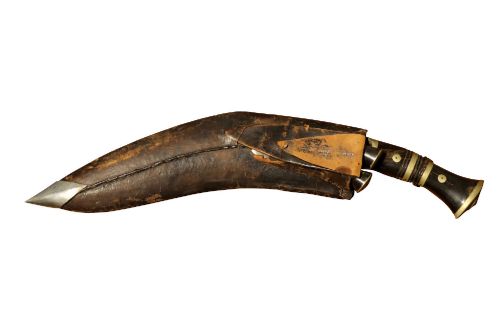
- Kukri
- A distinctive heavy, curved knife originating from Nepal and utilised by Gurkha regiments. The blade design delivers exceptional cutting power through forward-weighted balance.
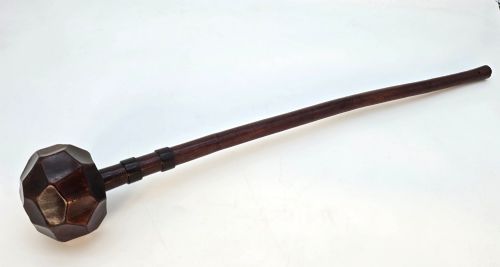
- Knobkerrie
- A traditional African club featuring a heavy wooden knob at the end of a shaft, used primarily for hunting and combat. These implements display regional variations in wood selection and carving.
Antique Weaponry: Frequently Asked Questions
How do I care for antique steel blades?
Apply a microcrystalline wax or light mineral oil to protect steel surfaces from moisture and active corrosion. Avoid harsh chemical cleaners that strip historical patina.
Store pieces in climate-controlled environments away from direct sunlight to preserve wooden stocks, leather elements, and organic handle materials.
What is the difference between a flintlock and a percussion pistol?
Flintlock pistols rely on a flint striking a steel frizzen to generate sparks into a priming pan. This mechanism preceded the later percussion system.
Percussion pistols utilise a hammer striking a percussion cap placed on a nipple, igniting internal powder upon contact. This later invention offered improved reliability in wet weather.
How can I identify the regional origin of a sword?
Examine the blade geometry, fuller placement, and overall length to determine cultural provenance. Japanese swords feature distinctive curvature and temper lines, while tulwars display characteristic Indo-Persian hilt structures.
Inspect auxiliary components, such as scabbard construction and handle materials, which often carry specific decorative markers tied to distinct geographic workshops.
Are these firearms functional?
Most antique firearms are collected for historical study, display, and preservation rather than active shooting. Mechanical components age over centuries and require professional inspection before any operational use.
Firing antique gunpowder arms involves significant safety risks due to metal fatigue and obsolete propellants. Collectors generally treat them as historical artefacts rather than modern shooting instruments.