

Antique Weapon
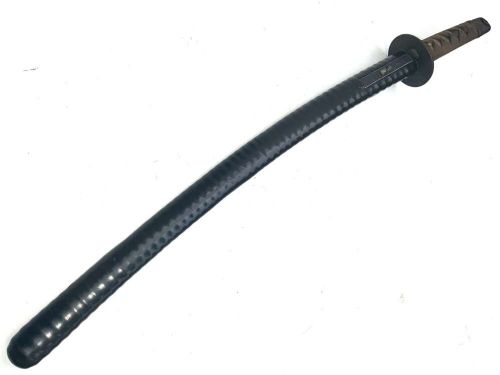
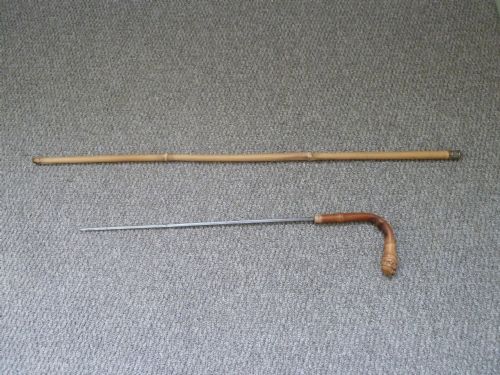
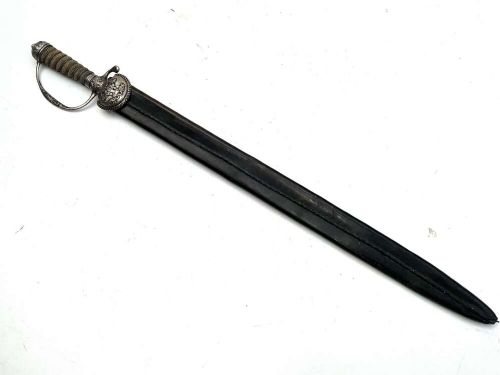
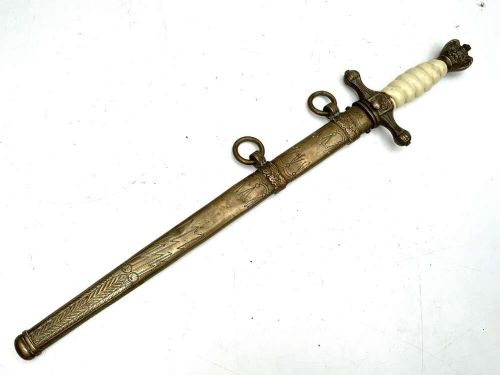
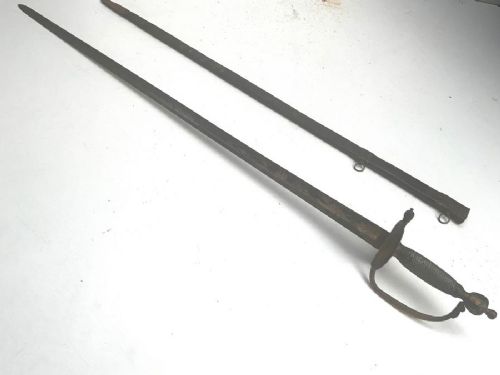
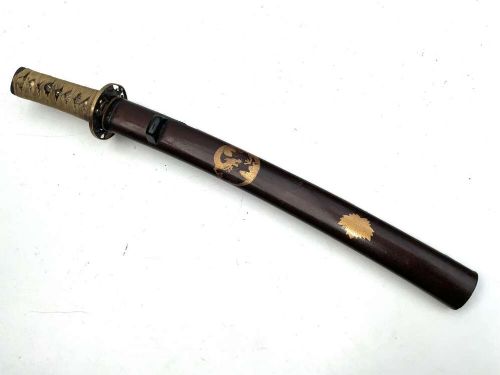
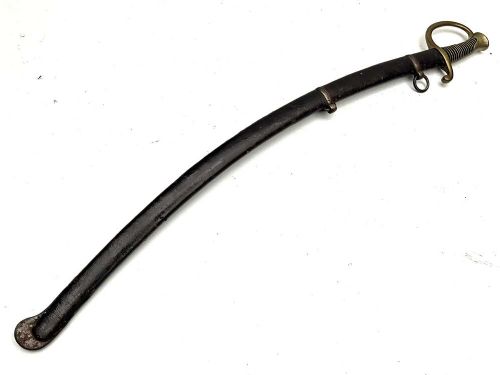
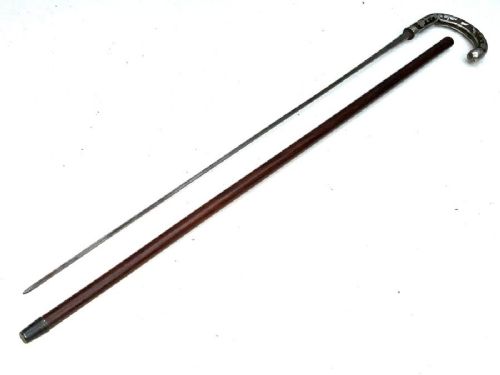
When you search for an antique weapon, you meet everything from Japanese samurai swords and British military sabres to concealed sword sticks and African ceremonial axes.
Antique Weapon
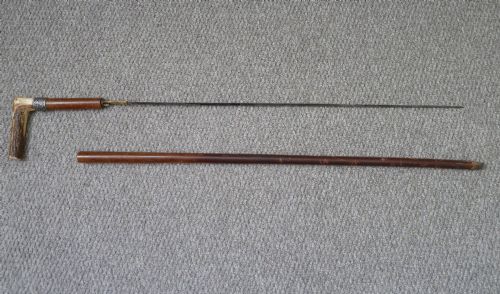
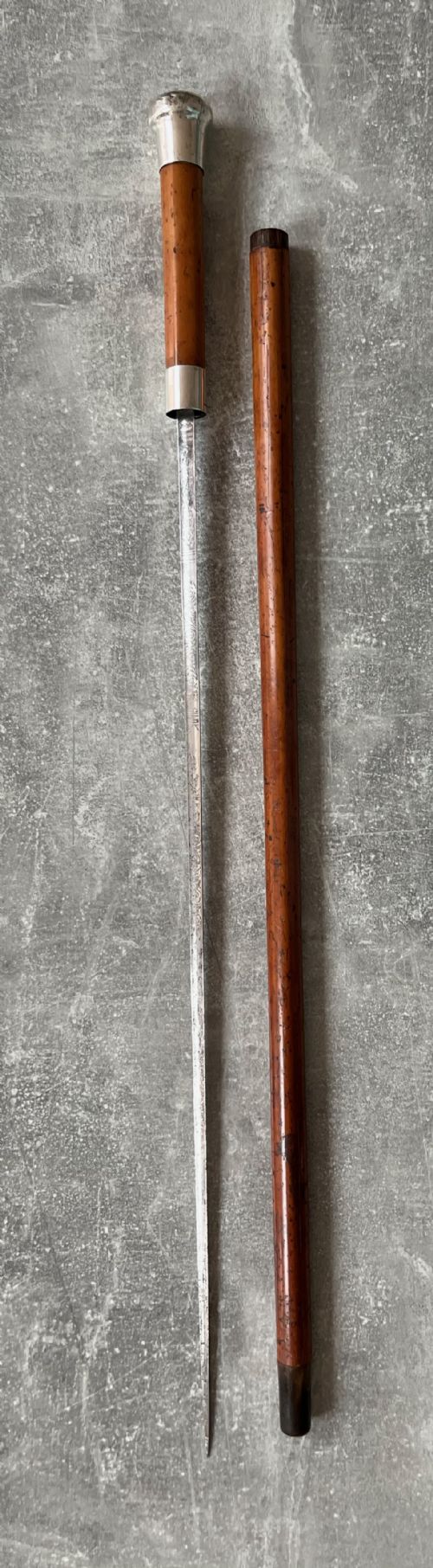
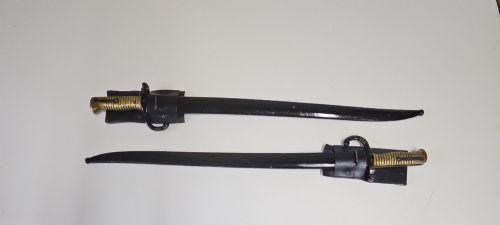
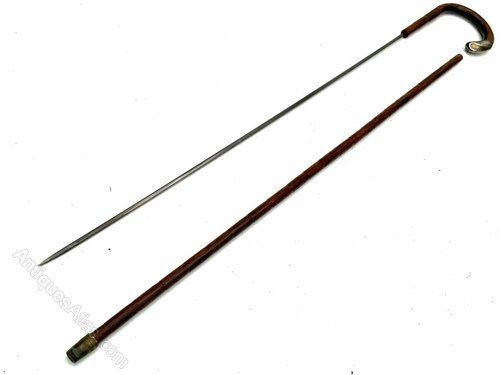
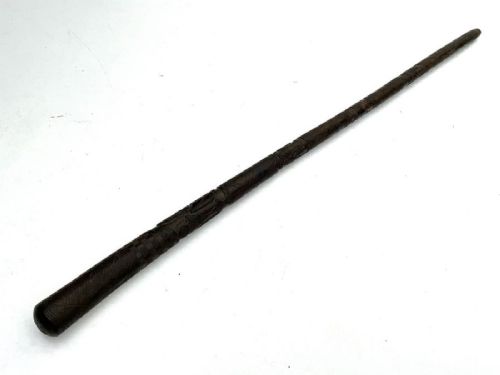
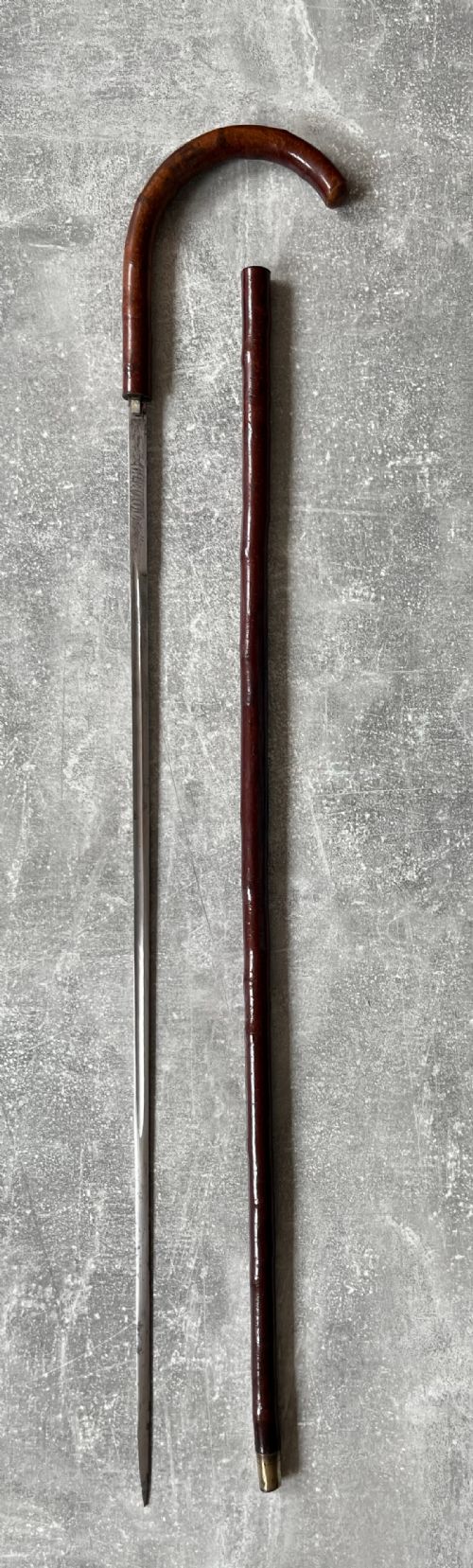
An antique weapon encompasses edged military blades, duelling swords, firearms, daggers, and civilian walking sticks concealing steel blades within timber shafts. These items span European, Japanese, Indo-Persian, Caucasian, and African traditions, reflecting the specific combat and ceremonial needs of their respective eras.
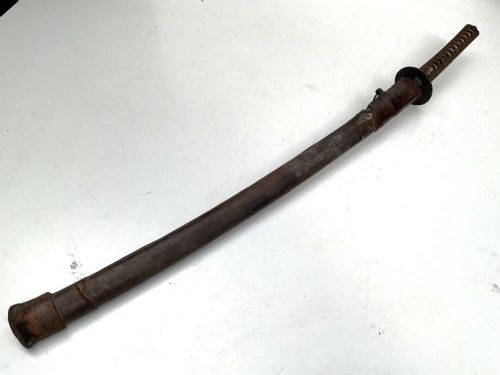
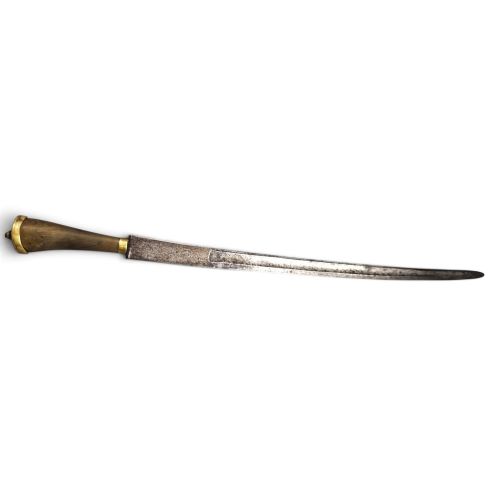
The items most frequently encountered in this selection include Victorian sword sticks with malacca or partridge wood shafts, 19th-century European military sabres, and Japanese samurai swords such as the wakizashi. Alongside these sit traditional regional arms including the kukri, Kris, and Pesh-Kabz daggers.
Dating ranges widely from the 14th century up to the mid-20th century, with a heavy concentration of pieces originating in the 19th century and the Victorian period. Buyers find domestic self-defence items alongside regulation military equipment issued to officers and cavalry troopers.
How they were made
Blades utilise forged steel, occasionally featuring blue and gilt finishing, precise etching, or specialised manufacture from established bladesmiths like Wilkinson and Toledo. Mounts and hilts incorporate brass, silver, gold, horn, and papier-mâché, reflecting the status of the owner.
Walking sticks and cane shafts employ natural materials such as malacca, hazel, cherrywood, partridge wood, and blackthorn, sometimes shaped to mimic faux bamboo or fitted with porcelain handles. Scabbards combine robust leather with metal fittings to protect the steel housed within.
Antique Weapon Retail Price Guide 2026
Typical asking prices for weapon among the pieces listed under this phrase on Sellingantiques today, from the lower quarter to the upper quarter. They describe what is for sale here now, not the wider market.
Materials span forged steel, brass, silver, malacca, hazel, and blackthorn across global traditions.
What varies in quality
Quality rests upon the integrity of the blade steel and the prestige of the maker or workshop behind the piece, such as named makers stamped onto the ricasso or backstrap. Retaining original scabbards, matching mounts, and functional release mechanisms elevates the standing of an individual piece.
The execution of decorative elements, from gold and silver mounts to finely etched blade patterns and horn handles, distinguishes standard service issue from bespoke gentlemanly commissions. Preservation of the natural patina across wood and metal surfaces remains central to the integrity of each item.
Wilkinson·Toledo·E Thurkle of Soho·Harrison of London
The Antique Weapon Glossary
- Wakizashi
- A traditional Japanese short sword worn by the samurai class, frequently paired with a longer katana during the feudal period. These blades display distinct folded steel grain patterns.
- Spadroon
- A lightweight cutting and thrusting sword with a straight single-handed blade, popular among British and European military officers during the 18th and 19th centuries.
- Malacca
- A slender, durable rattan cane imported from Southeast Asia, prized during the Victorian era for fashioning walking sticks and sword stick shafts.
- Kukri
- A heavy, inward-curving Nepalese knife serving as both a tool and a weapon, typically accompanied by two smaller companion knives within the primary scabbard.
- Knobkerrie
- A traditional southern African wooden throwing club featuring a heavy spherical or bulbous head atop a straight shaft.
Antique Weapon: Frequently Asked Questions
How do I care for antique steel?
Keep the metal dry and apply a light coat of specialist museum wax or mineral oil to prevent active corrosion on the surface. Avoid harsh abrasive cleaning that removes the historical patina.
Store pieces in stable temperature environments away from excessive humidity, particularly items that combine steel blades with organic materials like wood, leather, or horn.
Are sword sticks legal to own?
Regulations regarding concealed blades and antique weapons vary by jurisdiction, so check local laws before purchasing or transporting these items. Most jurisdictions exempt genuine antiques held for collection and display purposes.
Ensure any piece containing a concealed blade remains securely latched within its shaft when stored or moved.
How do I identify military swords?
Examine the blade spine, ricasso, and guard for government acceptance stamps, regimental markings, or maker signatures. Pattern dates and crown ciphers often indicate the specific decade of issue and service branch.
Compare the basket hilt, fuller configuration, and blade geometry against standard ordnance patterns from the 18th and 19th centuries.
What is a Pesh-Kabz?
A Pesh-Kabz is a single-edged dagger originating from the Indo-Persian region, designed specifically to pierce mail armour through a reinforced T-section spine. These daggers feature prominent grips made from horn, bone, or metal.
Hybrid examples show stylistic influences crossing between European military manufacture and Afghan tribal craftsmanship during the 19th century.