



Antique Weapon Collectables
These antique weapon collectables span centuries of craftsmanship, offering tactical history and concealed personal defence tools for the discerning collector.
Antique Weapon Collectables
When you search for antique weapon collectables, you are looking at items designed for combat, ceremony, or concealed defence, crossing multiple centuries of military and civilian history. The selection ranges from martial sidearms and edged weapons to disguised self-defence items.
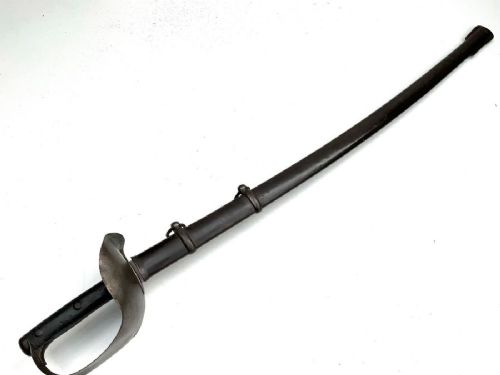
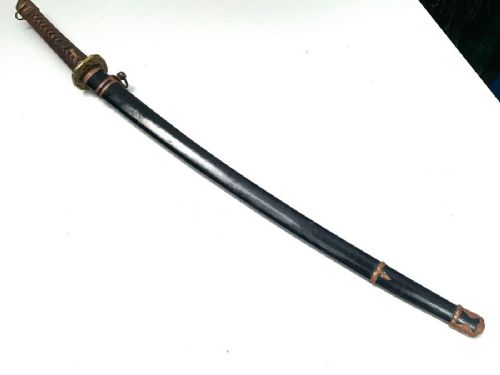
You are most likely to meet sword sticks and walking canes enclosing hidden blades, alongside military swords, bayonets, and early firearms. These pieces bridge the gap between functional weaponry and gentlemanly accessories.
The periods represented span the eighteenth, nineteenth, and mid-twentieth centuries, including Victorian military issues, Georgian flintlocks, and Showa period Japanese items. Each piece reflects the tactical requirements and manufacturing standards of its specific era.
How they were made
The construction of these pieces relies on traditional metalworking and joinery, utilising steel for functional blades, barrels, and mechanisms. Brass and iron provide structural reinforcement and mountings, particularly on firearms and edged weapons.
Woods such as walnut, holly, and general hardwoods form the stocks of pistols and the shafts of walking sticks, often paired with leather coverings and silver knops. These organic materials are shaped and fitted by hand to house delicate internal mechanisms or concealed blades.
The inventory records pieces dated across the eighteenth, nineteenth, and twentieth centuries, using materials from steel and brass to walnut and leather.
What varies in quality
The standard of execution is evident in the refinement of the blade engraving, the precision of the mechanical action in pistols, and the integrity of the housing in concealed weapons. Superior examples exhibit deliberate balance, crisp metal markings, and seamless integration between handle and blade.
Material selection further distinguishes the range, where fine woods like walnut and decorated silver knops elevate domestic walking sticks, just as named makers or specific military patterns elevate standard-issue swords and firearms.
The Antique Weapon Collectables Glossary
- Flintlock
- An ignition mechanism for firearms that uses a piece of flint striking a steel frizzen to create sparks for the gunpowder. This system preceded percussion cap technology.
- Bayonet
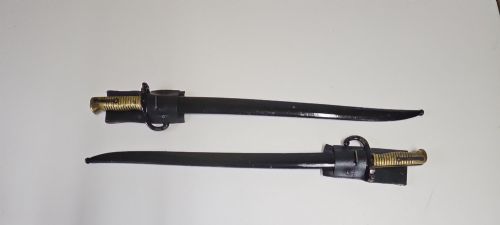
- A solid blade designed to attach to the muzzle end of a rifle for close combat. Examples range from French socket designs to folding variants.
- Percussion cap
- A small metal cup containing a priming compound placed on a nipple, which explodes when struck by the hammer to fire the weapon. It replaced the flintlock system in the nineteenth century.
- Blunderbuss
- A muzzle-loading firearm with a flared barrel designed to scatter lead shot at close range. These weapons date back to the eighteenth century.
- Scabbard
- A protective sheath for a sword, dagger, or bayonet, typically constructed from metal or leather to guard the blade when not in use.
Antique Weapon Collectables: Frequently Asked Questions
What is a sword stick?
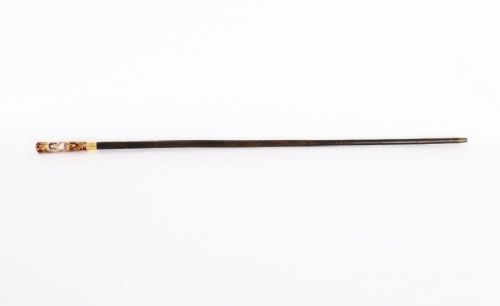
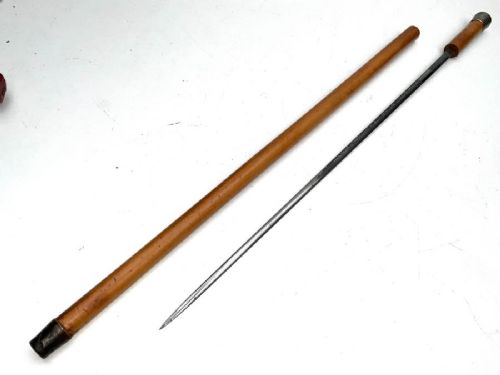
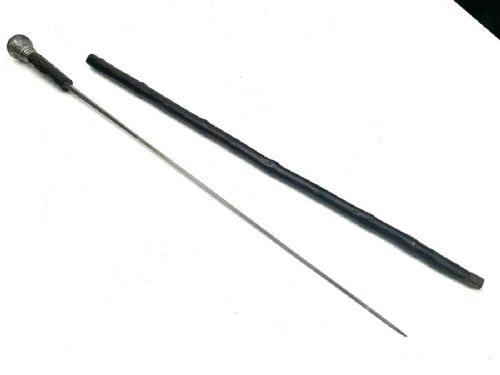
A sword stick is a walking cane or walking stick that conceals a metal blade within its wooden shaft. The blade is locked securely inside until the handle is pulled.
Popular in the nineteenth century, these items served as practical tools for personal defence during daily travel through poorly lit or hazardous streets.
How do I identify a Victorian weapon?
Victorian weapons often bear specific style indicators, regulatory markings, or patterns tied to the nineteenth century military campaigns and civilian fashions. You will frequently find materials such as leather-covered shafts and silver decorations.
Examining the listed period alongside the construction style helps place the piece within the Victorian era accurately.
Were flintlock pistols used in duels?
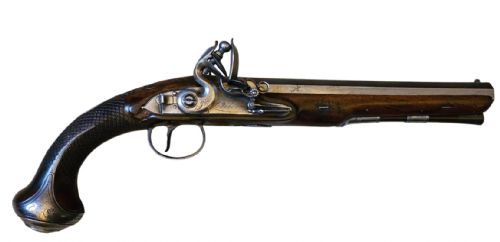
Some flintlock pistols, such as those made by eighteenth-century makers like Barber of Newark, were produced specifically for duelling. These smoothbore arms were manufactured to precise tolerances for personal combat.
They rely on flint and steel ignition mechanisms that require careful loading of gunpowder and lead ball before firing.
How should I display a sword stick?
Displaying a sword stick involves keeping the wooden shaft and concealed blade in a stable environment away from excess moisture. Many collectors use wall-mounted racks or dedicated display cases.
This presentation allows the combination of fine woodwork and steel blade to be viewed safely without risking damage to the internal locking mechanism.