

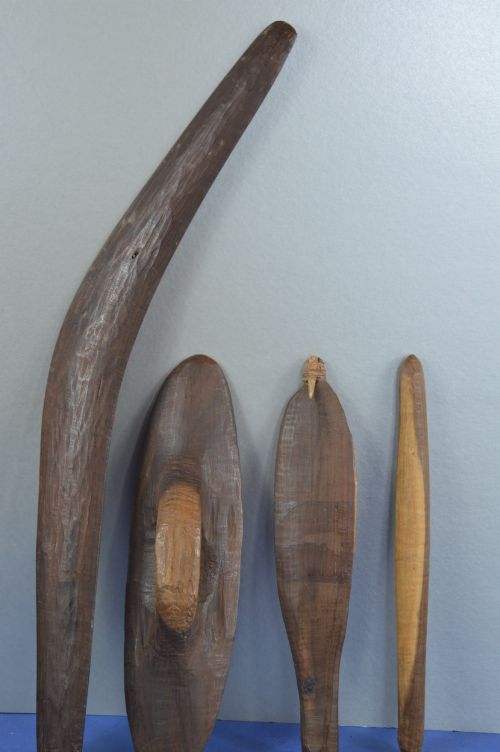
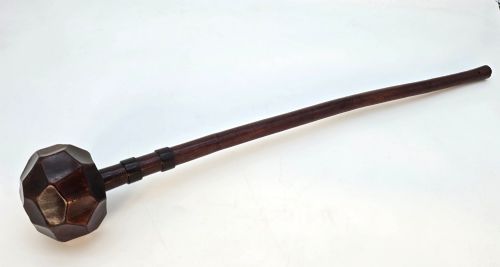
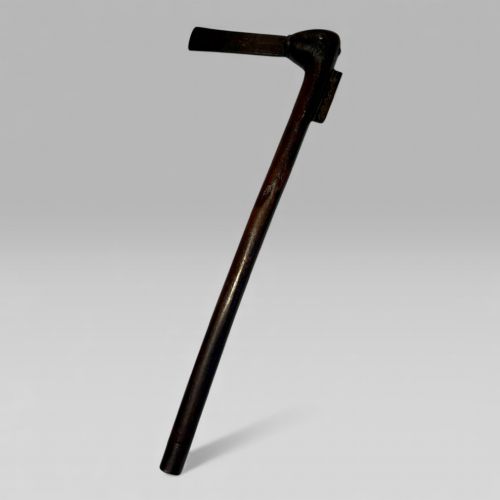

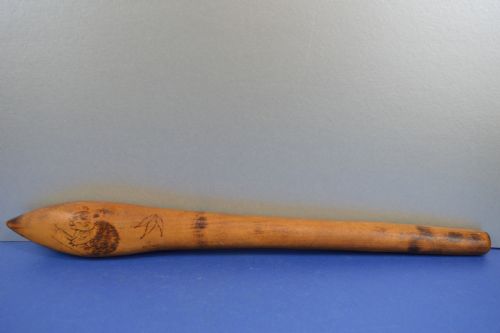







Antique Weapon Artefact
An antique weapon artefact brings centuries of indigenous heritage and traditional craftsmanship directly into a modern interior.
Antique Weapon Artefact
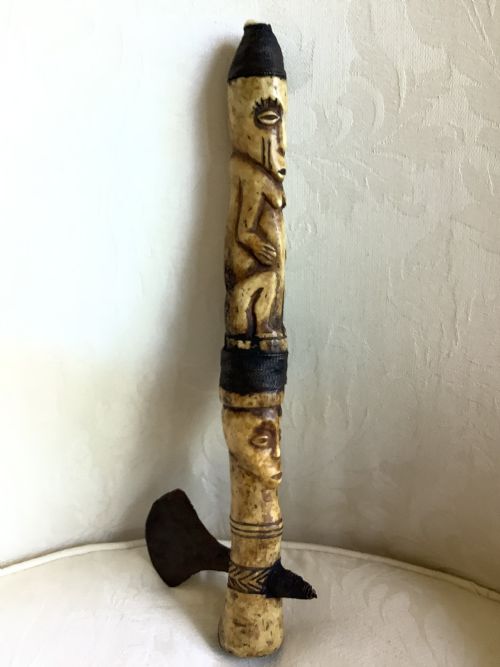
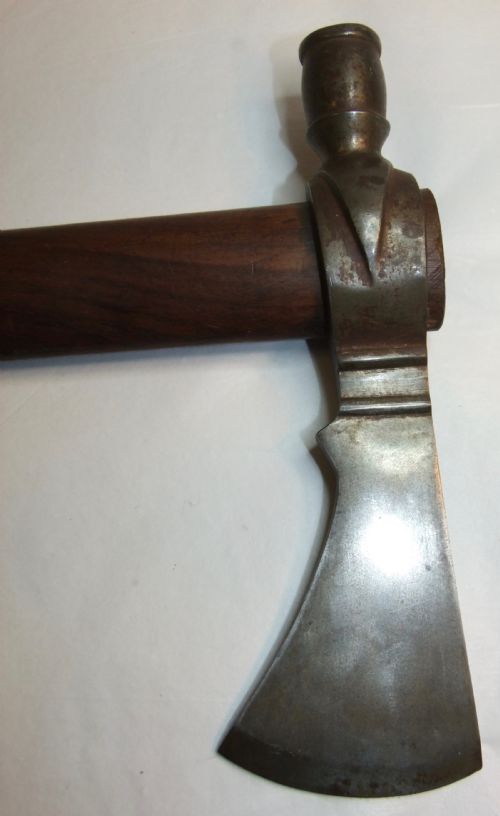
An antique weapon artefact encompasses traditional clubs, axes, daggers, and hunting sets originating from Indigenous Australian, African Tribal, Oceanic Tribal Art, and Native American cultures. These pieces span the eighteenth, nineteenth, and early twentieth centuries, reflecting diverse cultural practices from regions such as Zululand, Dahomey, New Caledonia, and Fiji.
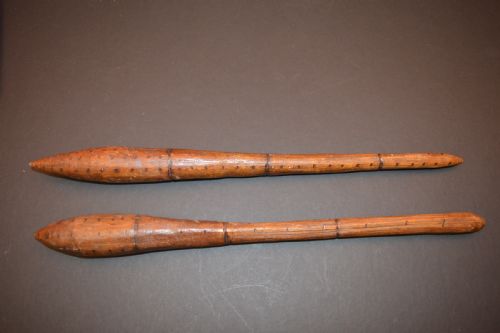
The objects listed on this page range from utilitarian hunting instruments and throwing clubs like nullas and knobkerries to ceremonial axes, woomeras, and war clubs. Each piece serves as a physical record of the heritage and craftsmanship of specific peoples, including the Turkana, Dakota Sioux, and Yemeni Bedouin.
Buyers seeking an antique weapon artefact will encounter forms fashioned for both practical combat and ceremonial display. The selection covers everything from heavy hardwood fighting clubs to intricate carved bone axes and silver repousse framed daggers.
Materials and construction
Makers utilised dense natural materials sourced directly from their environments, predominantly relying on indigenous hardwood, standard wood, and forged iron. These resilient woods provided the necessary weight and durability for throwing clubs, war clubs, and spear throwers.
Antique Weapon Artefact Retail Price Guide 2026
Typical asking prices for weapon artefact among the pieces listed under this phrase on Sellingantiques today, from the lower quarter to the upper quarter. They describe what is for sale here now, not the wider market.
Object types span functional hunting sets, woomeras, and war clubs from Oceanic, African, and Aboriginal traditions.
Assessing quality in artefacts
Quality in an antique weapon artefact rests on the integrity of the carving, the selection of timber, and the preservation of original surface patination. Pieces that retain clear tool marks and distinct tribal styling demonstrate superior craftsmanship compared to heavily worn or altered examples.
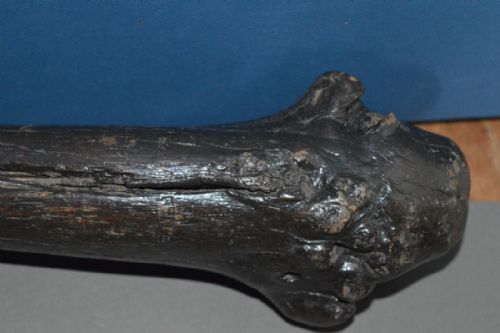
The depth of cultural provenance and the complexity of decorative work further distinguish finer items. Elaborate surface detailing, such as traditional carving on a Kanak war club or refined silver repousse work on a Yemeni jambiya, elevates the piece within its category.
The Antique Weapon Artefact Glossary
- Knobkerrie
- A traditional African wooden throwing club featuring a heavy rounded knob at one end. This design maximised impact force during hunting or combat.
- Woomera
- An Australian Aboriginal spear thrower that acts as an extension of the arm to increase leverage and velocity. It often doubles as a tool for carrying items or preparing food.
- Jambiya
- A traditional short dagger characterised by a curved blade and a prominent centre rib. Yemeni Bedouin examples frequently incorporate elaborate metalwork on the sheath and handle.
- Repousse
- A metalworking technique where the metal is hammered from the reverse side to form a raised design in relief. This method appears on frames for tribal artefacts.
- Vunikau
- A specific type of heavy war club from Fiji, carved from the natural rootstock of a tree to ensure immense structural strength at the striking head.
Antique Weapon Artefact: Frequently Asked Questions
How are antique weapon artefacts dated?
Dating relies on recorded collection histories, material analysis, and stylistic comparison with documented tribal objects from known periods. Most pieces originate from the nineteenth century.
Makers employed traditional methods that remained consistent across generations, making stylistic context and wood patina essential indicators of age.
Where did these tribal weapons originate?
The pieces originate from indigenous communities across Africa, Oceania, Australia, and North America. Each region developed distinct forms suited to local materials and cultural traditions.
Geographic attribution is determined by specific carving styles, weapon shapes, and documented tribal associations.
How should wooden artefacts be displayed?
Wooden clubs and artefacts require stable indoor humidity levels to prevent the timber from drying out or splitting. Direct sunlight should be avoided to protect the original surface patination.
Secure mounting brackets that do not damage the natural wood or organic bindings are recommended for wall display.
What is the difference between a club and a ceremonial axe?
Fighting clubs were built primarily for impact and combat use, featuring dense hardwoods designed to withstand heavy physical force. Their construction focuses on balance and striking weight.
Ceremonial axes often incorporate symbolic carving, precious metals, or delicate bone elements intended to signify status, authority, or ritual function rather than combat readiness.