



Antique Wax Seal Stamp
These antique wax seal stamp examples deliver tangible history to your desk, offering miniature sculptures in silver, steel, and chalcedony that once authenticated correspondence.
Antique Wax Seal Stamp
When you search for an antique wax seal stamp, you enter a field defined by desk seals, fob seals, and wax sealing wax holders. These small implements span periods from the mid-eighteenth century through the Edwardian era, encompassing Georgian desk sets and novelty animal figures.
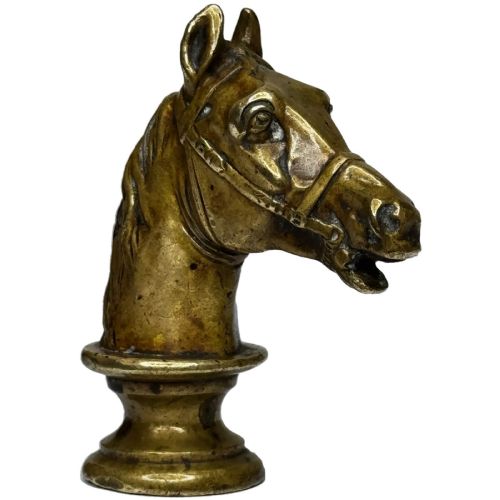
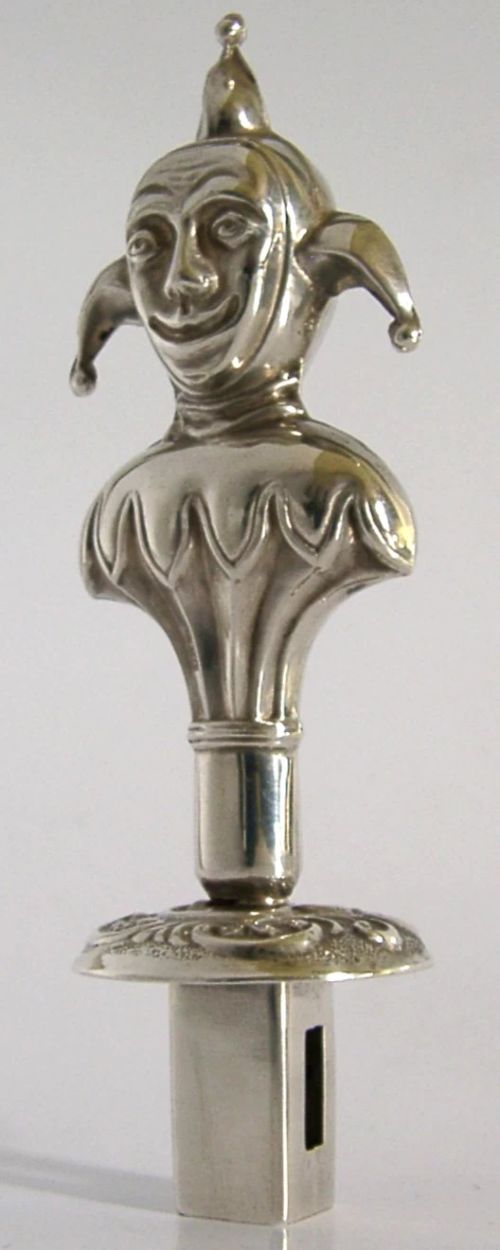
The version you are most likely to meet on this page is a silver or steel desk seal, often taking the form of animal heads, birds, or figurative novelties. Pieces range from simple desk accessories to elaborate gold cased fob seal pendants fitted with carved chalcedony or coloured-glass matrices.
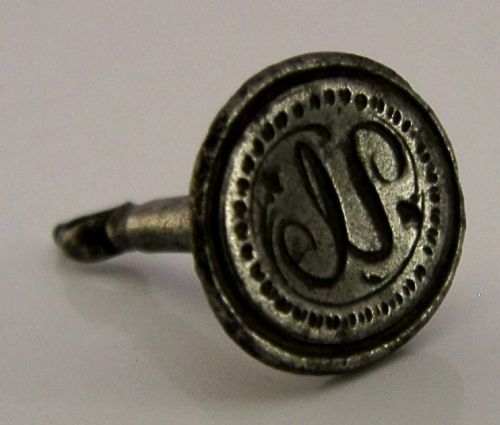
Makers and origins vary widely, touching upon Scottish interest pieces and Middle Eastern work alongside registered English production. Whether housed in a boxed desk set with ten intaglio seals or standing alone as a chunky desk accessory, each item holds an engraved matrix designed to press into hot wax.
Materials and construction
Makers constructed these implements from metals such as sterling silver, cut steel, brass, and gold cased brass. Cut steel work involved individually faceted steel studs riveted to a backing, creating a glittering finish popular in the Georgian period.
Carvers shaped hardstones like chalcedony to form the matrix, while silversmiths cast detailed figural handles depicting jesters, hatching chicks, Cheshire cats, and horse heads. Desk sets incorporated fitted boxes to hold multiple coloured-glass seals alongside the main handle.
Antique Wax Seal Stamp Retail Price Guide 2026
Typical asking prices for wax seal stamp among the pieces listed under this phrase on Sellingantiques today, from the lower quarter to the upper quarter. They describe what is for sale here now, not the wider market.
Among the fauna waiting on the desk, a silver Cheshire cat grin meets a hatching chick.
Distinctions in quality
The standard of an antique wax seal stamp rests on the crispness of the intaglio carving and the fidelity of the metal casting. Superior examples exhibit sharp detail in figural subjects like birds and animals, with clean lines that translate clearly into sealing wax.
Material choice and maker attribution elevate certain pieces, particularly those bearing hallmarks for known silversmiths or featuring scarce hardstone matrices. The presence of complete boxed sets with multiple interchangeable seals likewise marks out the higher tier of survival.
Sampson Mordan
The Antique Wax Seal Stamp Glossary
- Intaglio
- A design carved into the flat face of a stone or metal so that when pressed into sealing wax it leaves a raised impression. This technique forms the functional underside of nearly every seal.
- Matrix
- The specific face or seal base bearing the carved device, crest, or monogram. It is the part brought into contact with the molten wax.
- Fob seal
- A small seal designed to hang from a pocket watch chain or ribbon. These items were widely carried during the Georgian and Victorian periods.
- Desk seal
- A larger handheld seal intended for stationary use upon a writing table rather than suspension from a watch chain. They often feature substantial handles carved from metal or stone.
- Cut steel
- A decorative technique utilising small faceted steel studs riveted together to catch the light. It was frequently employed on Georgian fob seals.
- Gold cased
- A method of manufacturing where a layer of gold is bonded to a base metal core. This provided the appearance and durability of gold at a lower cost.
Antique Wax Seal Stamp: Frequently Asked Questions
What is an antique wax seal stamp used for?
These implements were utilised to authenticate letters, legal documents, and parcels by impressing a personal crest or design into hot sealing wax. The hardened wax served as a secure closure and a signature.
Today, collectors use them to seal personal correspondence or display them as desk accessories and miniature sculptures.
How do I date an antique seal?
Dating relies upon stylistic markers, materials, and occasionally hallmarks stamped onto the silver mounts. Georgian pieces often feature cut steel or armorial intaglios, while Edwardian examples include playful novelty figures.
Examining the manufacturing techniques and any accompanying boxes helps narrow the period of origin to specific decades.
What is the difference between a desk seal and a fob seal?
Desk seals are generally larger and intended to remain stationary upon a writing table. Their substantial handles provide leverage for pressing into thick wax.
Fob seals are smaller items designed to dangle from a pocket watch chain, allowing the owner to carry their seal throughout the day.
What materials are used for the matrices?
Matrices are commonly fashioned from solid metals such as silver and steel, or carved from hardstones like chalcedony. Some Victorian and Georgian sets utilise coloured-glass for the interchangeable seal faces.
Each material provides a durable surface capable of receiving detailed engraving without sticking to the wax.