



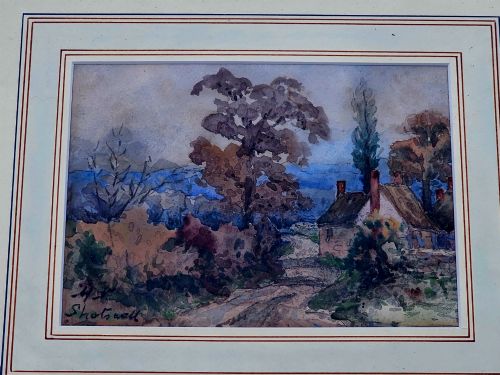
Antique Watercolor Landscape
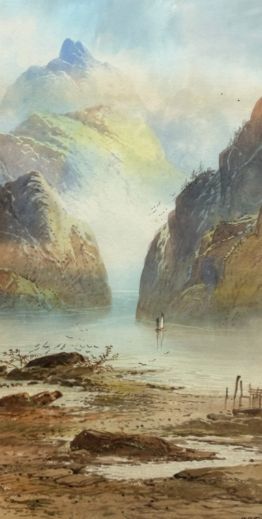
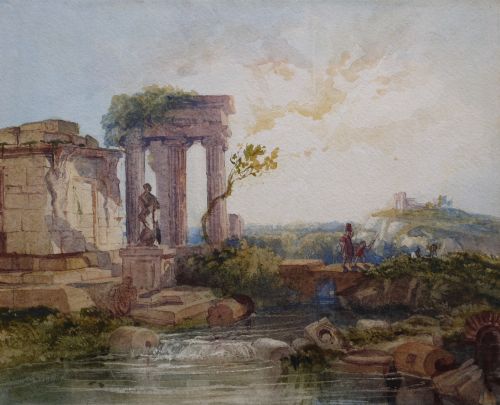
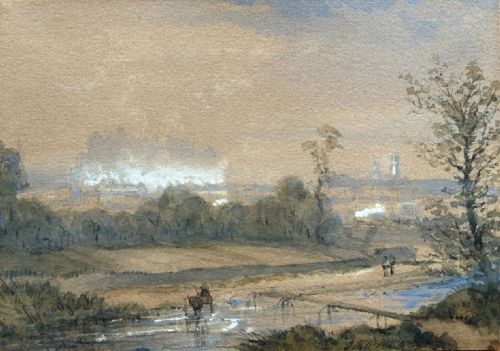
An antique watercolor landscape brings the quiet of nineteenth-century rivers, hills and coastal havens directly onto the wall in pigment and paper.
Antique Watercolor Landscape
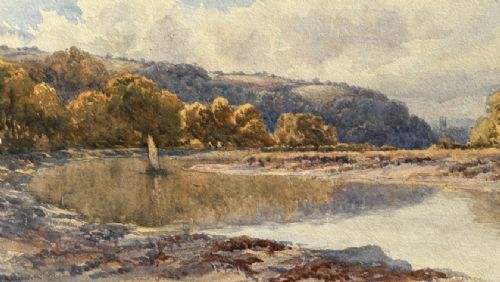
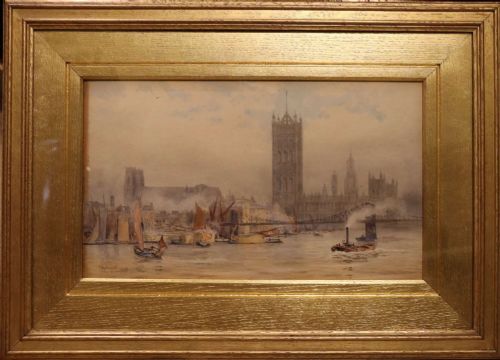
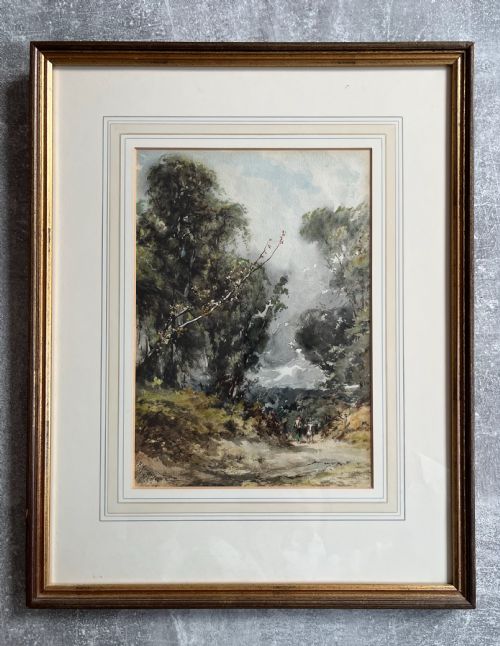
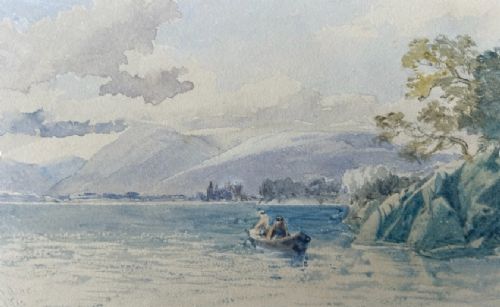
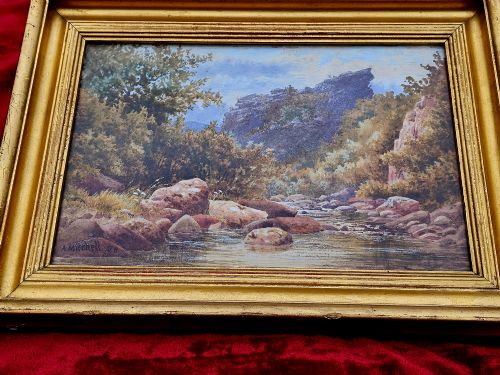
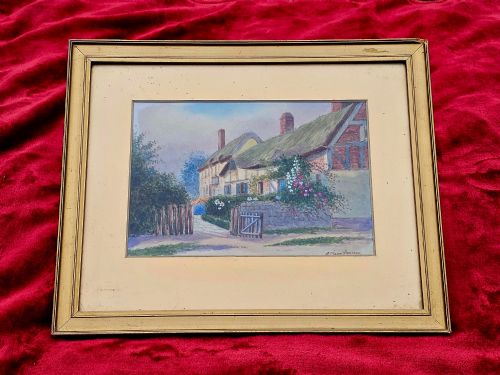
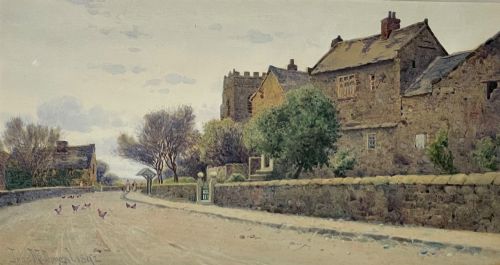
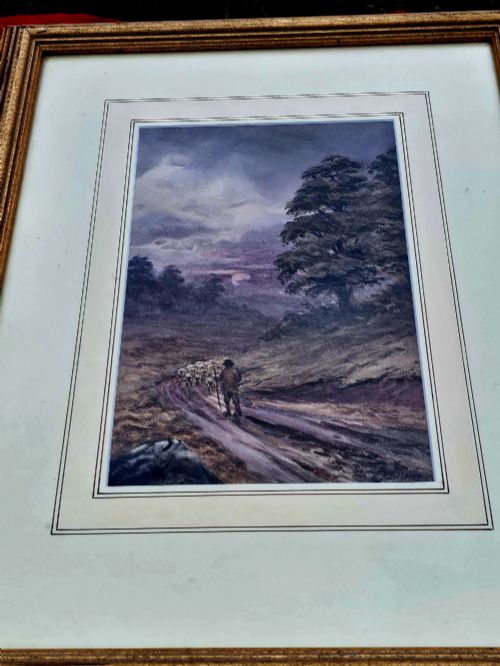
When searching for an antique watercolor landscape, a buyer encounters original framed paintings executed primarily during the Victorian and Edwardian periods. These works capture pastoral scenes, Scottish lochs, Welsh rivers and coastal harbours through the hands of named British and continental artists.
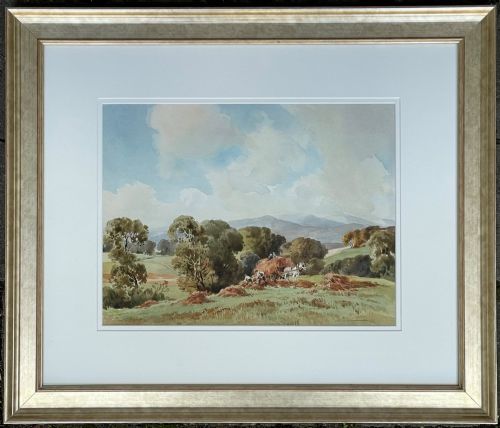
The pieces on this page range from mid-nineteenth-century topographical views to early-twentieth-century impressionist sketches. Most survive within their original wood and gilt frames, often protected behind glass to preserve the delicate pigment on paper.
How they were made
These works rely upon watercolor pigment applied directly to paper or silk sheets using water-soluble binders. Artists built compositions through washes of transparent colour, sometimes adding body colour for opaque highlights.
Framing utilised traditional wood mouldings, frequently finished with gilt leaf, enclosing the paper behind glass to shield the medium from atmospheric moisture and dust.
Listings span the nineteenth and twentieth centuries, incorporating Victorian, Edwardian, and British Impressionist styles.
What varies in quality
Quality rests in the surety of the brushwork and the artist's command of light and atmosphere across the landscape. The most accomplished paintings capture movement and weather with economy, while lesser works remain flat and overly tight.
The condition of the paper and pigment also governs worth. Works retaining their original vibrancy without heavy fading or foxing stand apart from those dulled by damp or excessive sunlight.
George Fotherly Hargitt·Thomas Miles Richardson Jnr·James Orrock·William Henry Earp·Richard Principal Leitch·John R Prentice·Alfred Young Nutt·Percy Lancaster·A. Marie Parsons·John McDougal·James E. Aitken·John E. Aitken·William Banks Fortescue·William Joseph Boyes·Muriel Metcalfe·Thomas William Morley·Robert Thorne Waite·John Smith Atherton·Hector Caffieri·Richard Henry Wright·Ernest Arthur Rowe·Frederick Walker·Thomas Maidment·George Oyston·Frederick James Kerr
The Antique Watercolor Landscape Glossary
- Watercolour pigment
- Finely ground colour particles mixed with a water-soluble binder for painting on paper. This medium allows for luminous transparent washes.
- Gilt wood
- Timber framing coated with a thin layer of gold leaf or metallic paint. It provides a traditional decorative border for nineteenth-century works on paper.
- Body colour
- Watercolour paint mixed with a white pigment to render it opaque. Artists utilised this technique to create highlights and solid areas within a landscape.
- Foxing
- Brown or reddish spots that appear on old paper due to chemical reactions in the pulp. Collectors watch for this sign of damp storage.
- Monogram
- A set of initials combined into a single mark used by an artist to sign a work. These assist in identifying the creator when full signatures are absent.
Antique Watercolor Landscape: Frequently Asked Questions
How should I hang an antique watercolor?
Position the piece away from direct sunlight to prevent the delicate pigments from fading over time. Keep paintings in rooms with stable humidity to protect both the paper and the original frame.
Use picture wire securely fixed to the wall studs, ensuring the frame hangs flat. Glass cleaners should be applied to the cloth rather than directly to the glass to avoid seeping under the edge.
Are these paintings original works?
Every piece listed under this search phrase is an original painting executed by hand rather than a modern mechanical reproduction. Artists applied watercolor directly to paper or silk during the nineteenth and early twentieth centuries.
Signatures, monograms, and period framing further establish the authenticity of these individual artworks. Each sheet carries the unique brushstrokes and touch of its maker.
How do I identify the period?
Examine the style of the brushwork, the subject matter, and the framing materials. Mid-nineteenth-century works often feature detailed topographical precision, while later Edwardian examples lean toward looser impressionistic washes.
Signatures accompanied by dates or biographical records of the artists provide the most accurate timeline. Frame construction and backing boards also offer reliable clues to the age of the piece.
What subjects are most common?
British and European pastoral landscapes dominate the selection, frequently depicting rivers, mountains, and rural farmland. Coastal scenes with fishing boats and harbours also appear regularly across the Victorian era.
Views of specific locations such as Scottish lochs, Welsh valleys, and Venetian canals reflect the travels of nineteenth-century artists. Garden scenes and architectural studies round out the typical subjects.