

Antique Watercolor Art
Antique watercolor art brings the delicate pigments and spirited brushwork of past centuries straight onto your wall, offering a tangible connection to historical landscapes and portraits.
Antique Watercolor Art
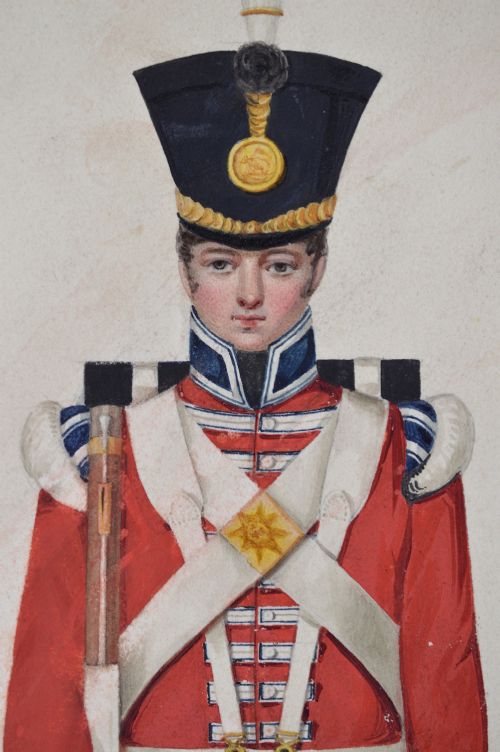
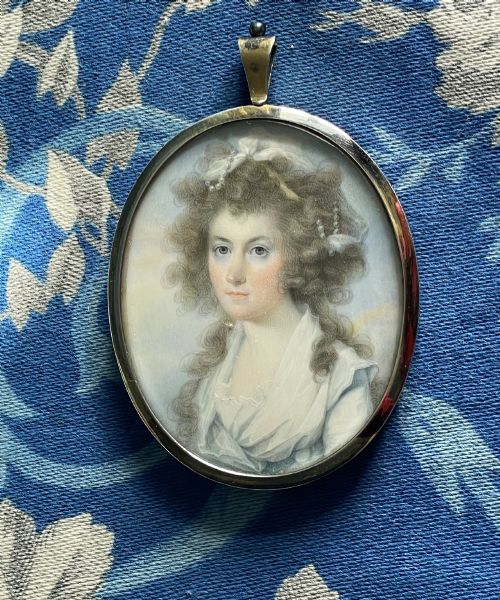
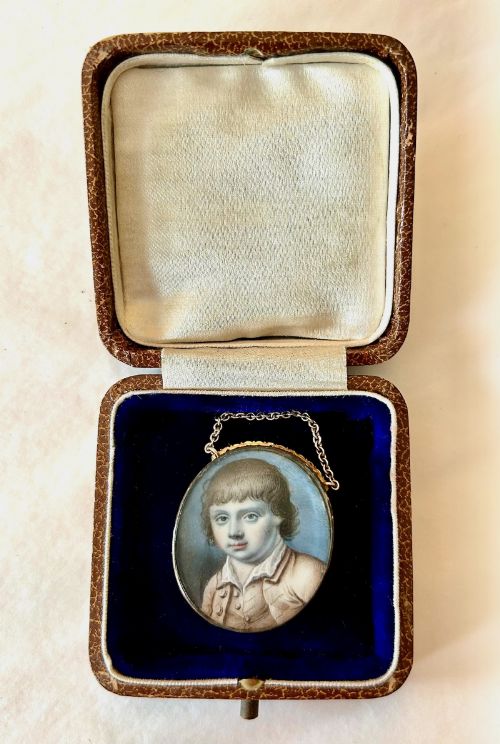
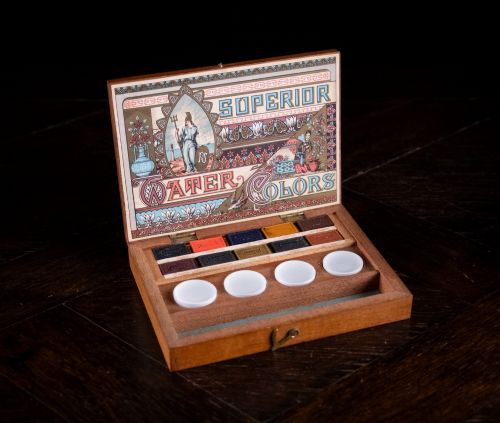
Antique watercolor art comprises original paintings and illustrations rendered on paper, pith, or card using water-soluble pigments, often accompanied by ink or bodycolour. These works span domestic portrait miniatures, botanical studies, and grand topographical landscapes produced across the eighteenth, nineteenth, and early twentieth centuries.
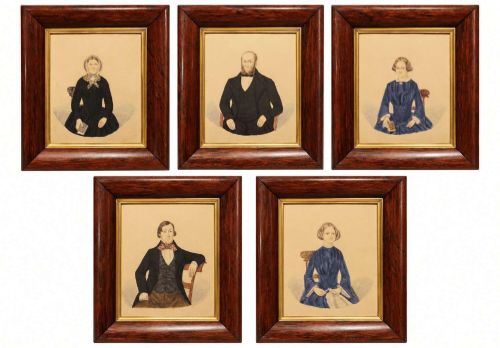
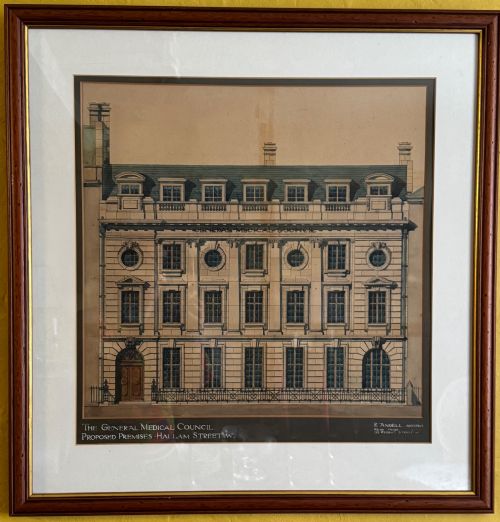
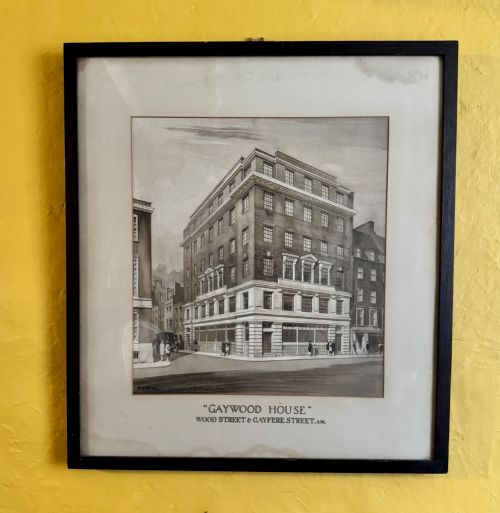
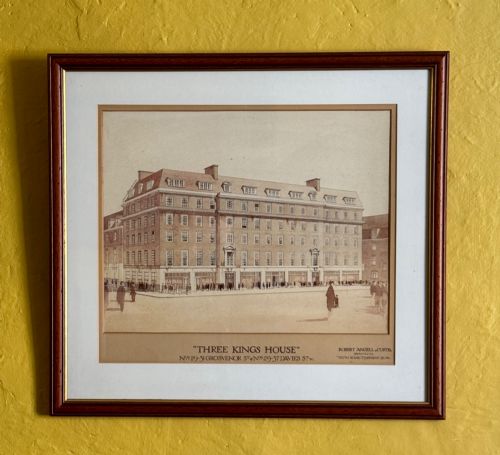
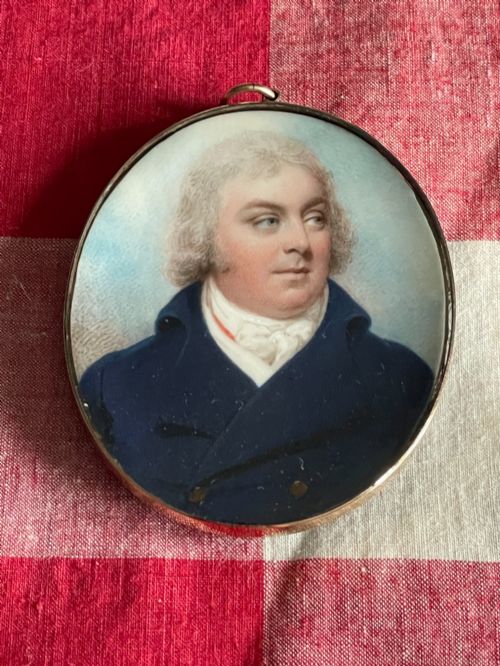
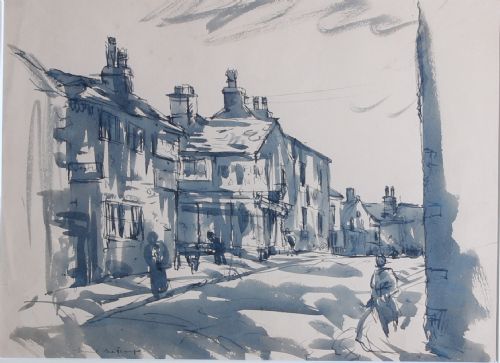
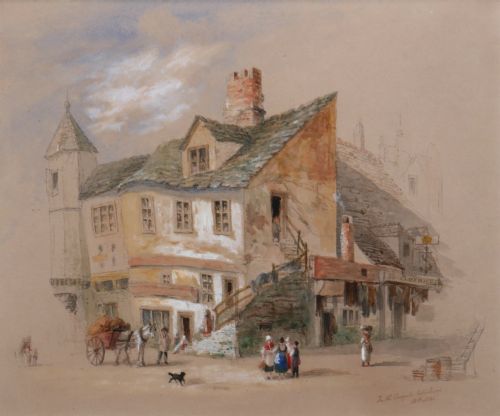
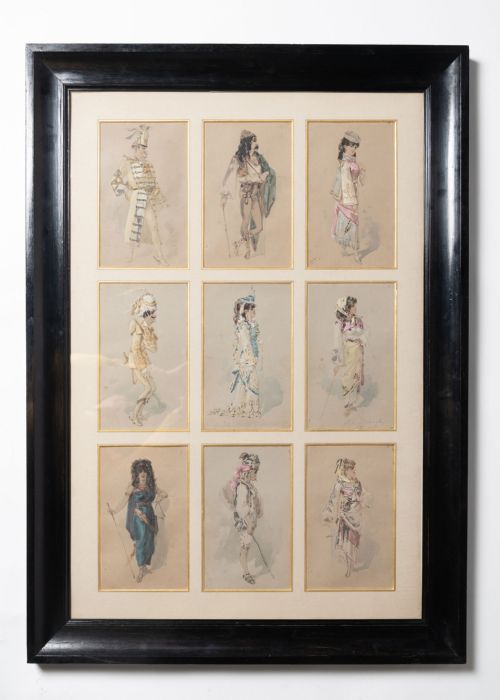
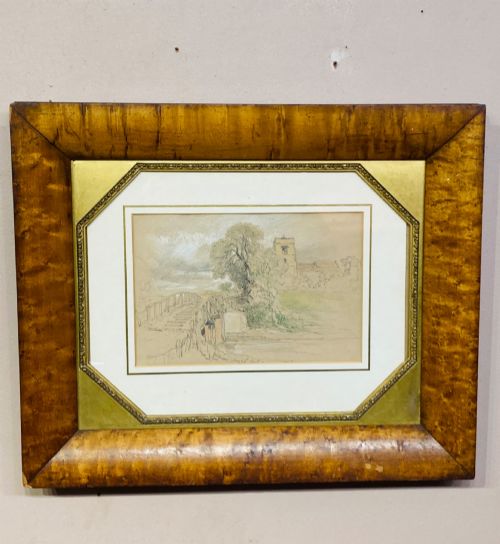
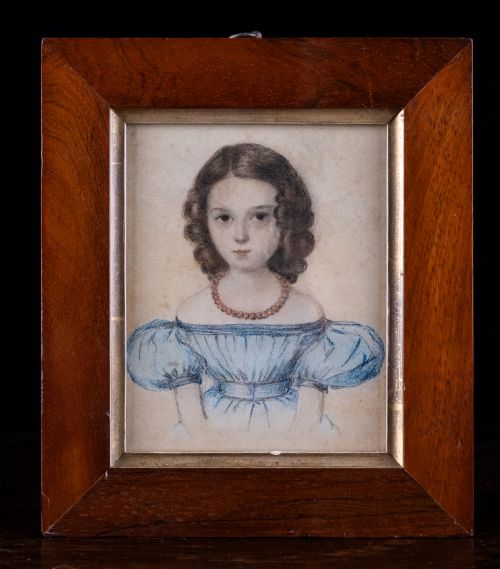
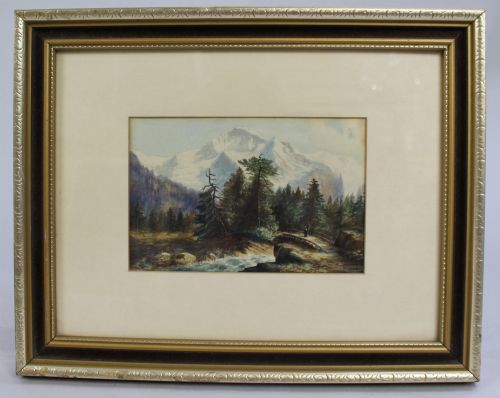
Buyers frequently encounter nineteenth-century British and European landscapes, coastal scenes, and intimate portrait miniatures housed beneath glass in gilt or ebonised wood frames. The selection ranges from naive local depictions to detailed architectural views and exhibition-scale watercolours by notable regional artists.
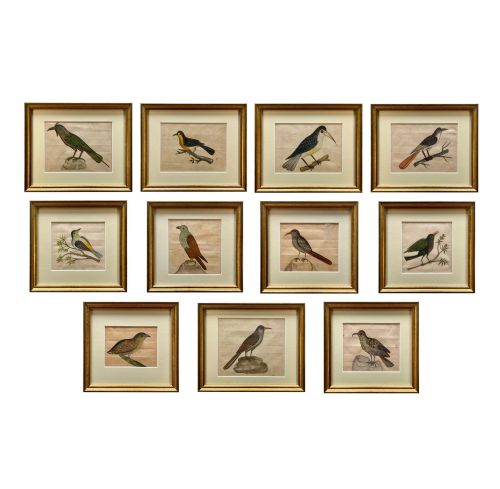
Works on paper also include Chinese export paintings on pith, delicate silhouette portraits enhanced with pigment, and whimsical twentieth-century book illustrations. Each piece captures a fleeting moment through translucent washes that retain the freshness of the artist's initial application.
What varies in quality in antique watercolor art
Quality rests upon the surety of the draughtsmanship, the sensitivity of the colour palette, and how effectively the artist managed the fluid medium without muddying the pigments. Superior works display confident brush control and atmospheric perspective that bring light and depth to the paper.
The preservation of the paper support and the vibrancy of the original watercolours significantly influence the overall standard of a piece. Works that have suffered heavy fading or damp staining lose the visual impact intended by the creator, whereas well-preserved examples retain their crisp tonal contrasts.
Antique Watercolor Art Retail Price Guide 2026
Typical asking prices for watercolor art among the pieces listed under this phrase on Sellingantiques today, from the lower quarter to the upper quarter. They describe what is for sale here now, not the wider market.
The selection includes architectural views of London and Venice alongside intimate studies of flowers and animals.
Robert Buchan Nisbet·Marjorie L Davies·Thomas Rowden·Frederick Buck·William Woolard·Harry Bright·Cuthbert Crossley·Alessandro Cittadini·Herbert Menzies Marshall·Robert George Talbot Kelly·William Taylor Longmire·David Law·George Sydney Shepherd·Fred Lawson·H Medlycott·Guido Bach·Bruce Bairnsfather·William James Hubard·George Lorain Stampa·George Fotherly Hargitt·Thomas Miles Richardson Jnr·James Orrock
The Antique Watercolor Art Glossary
- Watercolour pigment
- Finely ground colour particles mixed with a water-soluble binder such as gum arabic. This substance allows the pigment to be thinned with water for translucent washes.
- Bodycolour
- An opaque watercolour paint created by mixing white pigment into the standard watercolour medium. It adds solid highlights and body to painted details.
- Pith paper
- A delicate botanical material derived from the pith of the Tetrapanax papyrifer plant. It was heavily utilised in nineteenth-century Chinese export art for vibrant gouache paintings.
- Portrait miniature
- A small, highly detailed painting depicting a person, executed on materials such as paper, card, or ivory. These intimate works were often framed for personal or portable display.
- Ebonised wood
- Timber treated with a chemical or dark stain to imitate the heavy, black appearance of ebony. It is commonly found on nineteenth-century picture frames.
Antique Watercolor Art: Frequently Asked Questions
How should I hang antique watercolors?
Keep watercolours away from direct sunlight and strong artificial spotlights to prevent the delicate pigments and paper supports from fading over time.
Ensure they hang in rooms with stable humidity levels, as excessive moisture can encourage foxing spots and mould growth on the paper.
What is pith paper?
Pith paper is a fragile, spongy material sliced from the stem of a Chinese plant, widely used during the nineteenth century for export paintings.
Its velvety surface absorbs watercolour and gouache pigments with exceptional brilliance, creating bright depictions of local figures and flora.
How do I spot a miniature?
Portrait miniatures are remarkably small paintings, usually framed in oval wooden or gold-plated cases designed to be held or hung closely.
They capture subjects with minute, careful brushstrokes on paper, card, or ivory, often recording family likenesses before the widespread use of photography.
Can watercolours be cleaned?
Paper and watercolours are exceptionally sensitive to moisture and friction, meaning surface cleaning should be left entirely to professional conservators.
Attempting to wipe or wash antique paper artwork at home risks dissolving the pigments and permanently ruining the delicate surface washes.