


Antique Water Urn
An antique water urn brings substantial presence to a room, functioning as a historic vessel designed for heating or holding water.
Antique Water Urn
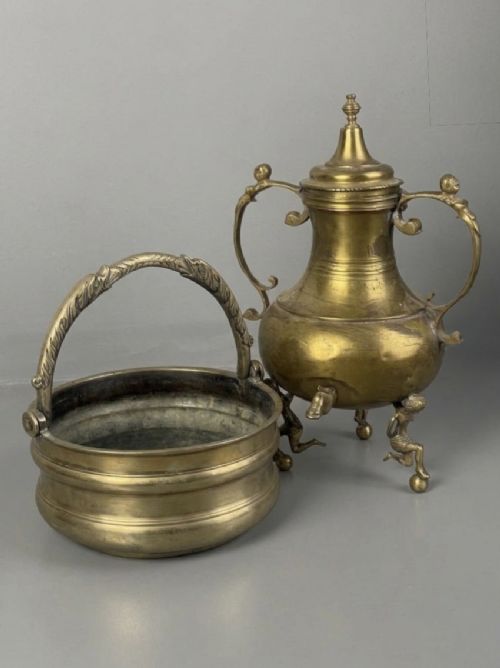
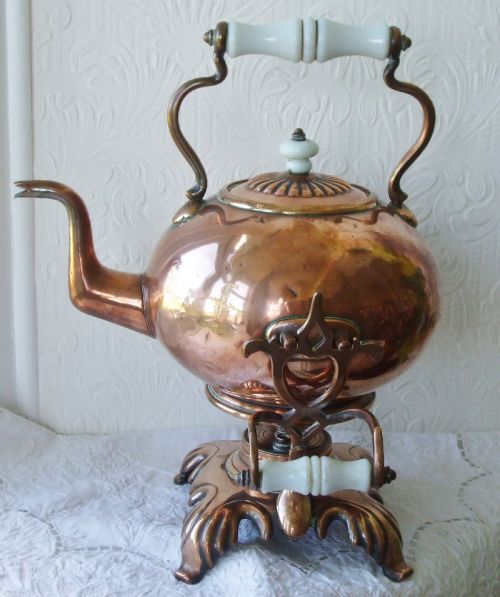
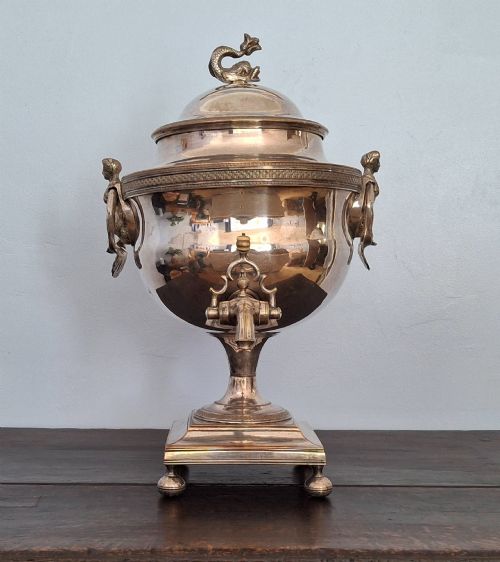
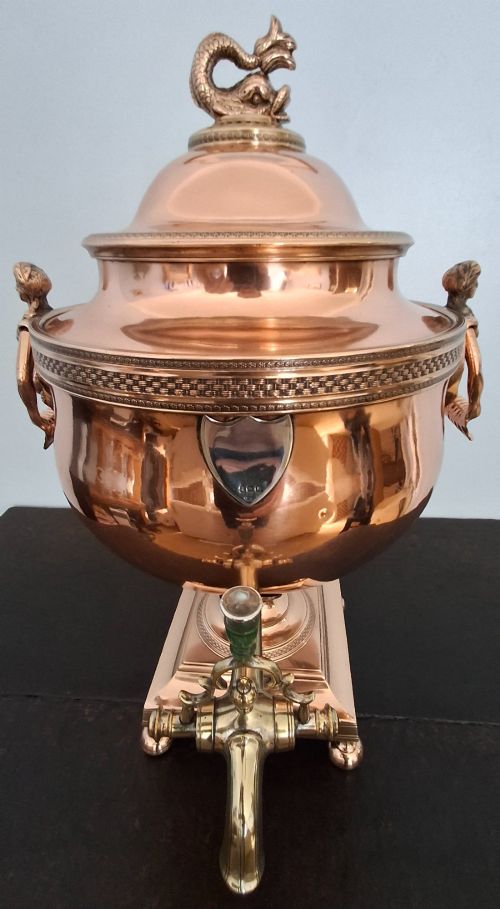
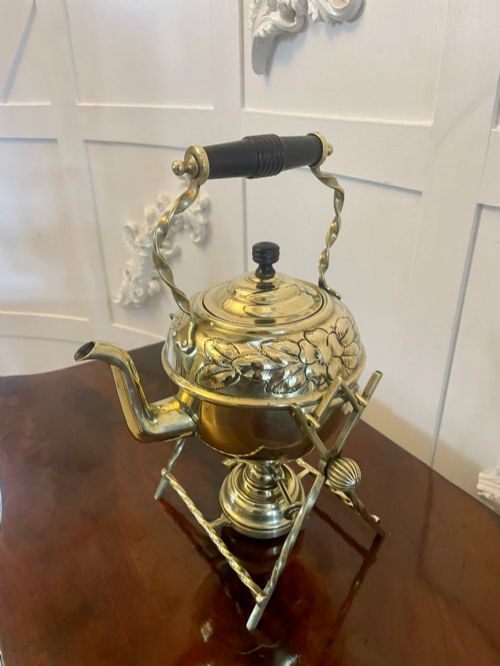
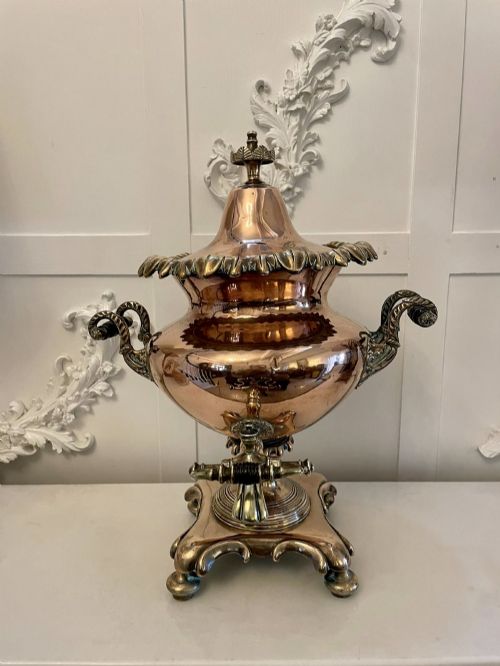
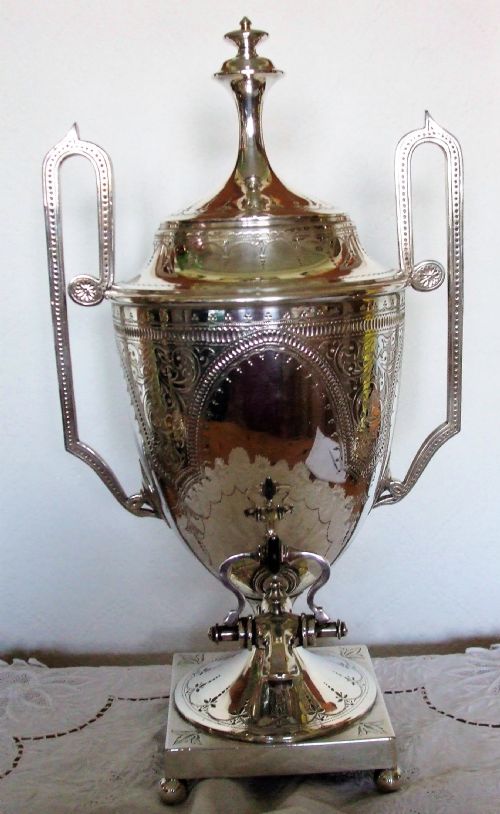
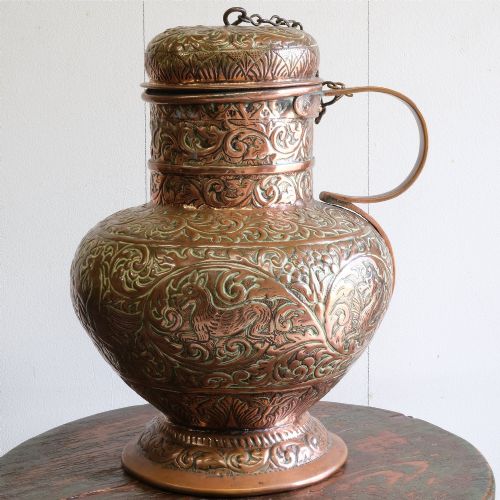
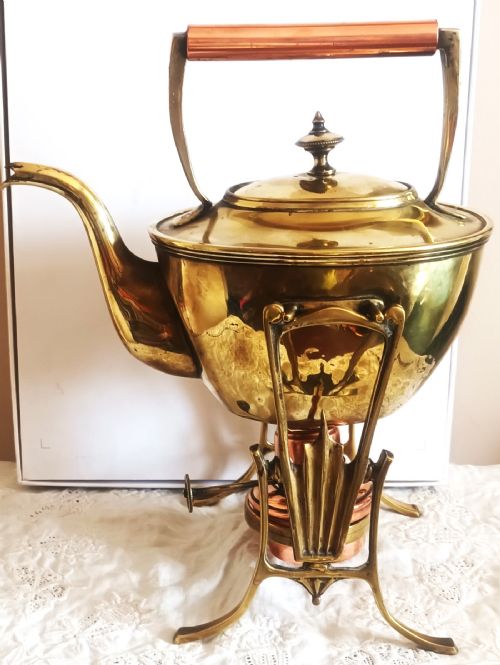
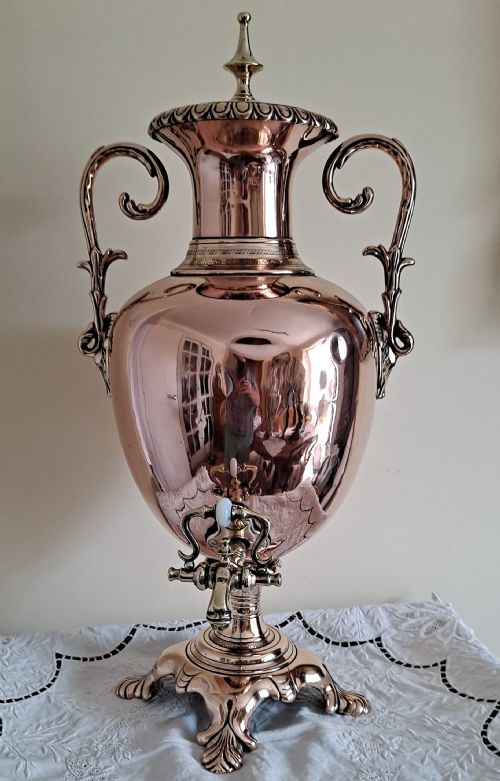
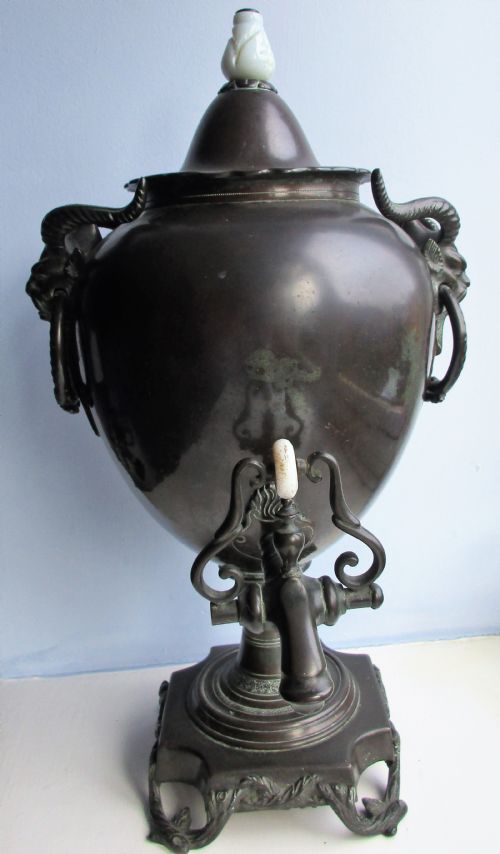
An antique water urn encompasses heavy metal vessels designed for domestic service, most frequently appearing here as copper and brass samovars or spirit kettles dating from the Georgian and Victorian eras. These items served a practical purpose in wealthier households for tea and hot water service before moving to the sideboard as decorative objects.
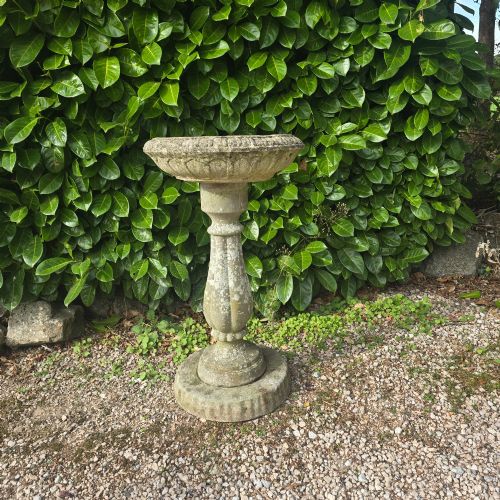
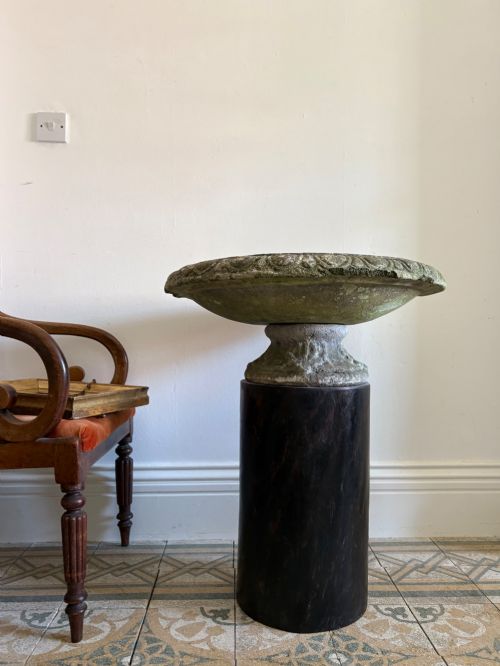
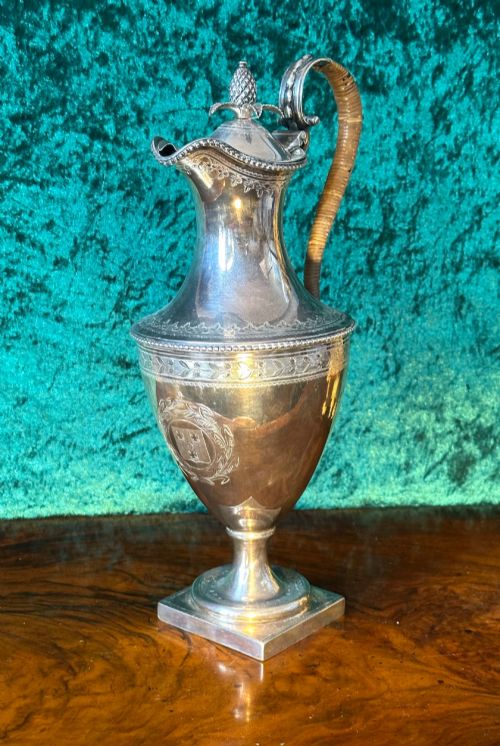
The selections span from early nineteenth century copper pieces to silver plated Edwardian examples and French provincial cabinets with pewter cisterns. Buyers encounter functional tea urns alongside related forms like coffee pots, ewers, and stone water vessels.
Originating largely from British and European workshops, these vessels display styles running from strict Georgian proportions through ornate Victorian metalwork to later Edwardian designs.
Materials and construction methods
Makers shaped the body of an antique water urn primarily from heavy gauge copper or brass, frequently combining both metals to create contrasting handles, taps, and mounts. Silver plate on copper, known as Old Sheffield plate, appears on high status examples alongside cast bronze, porcelain, and stoneware.
Antique Water Urn Retail Price Guide 2026
Typical asking prices for water urn among the pieces listed under this phrase on Sellingantiques today, from the lower quarter to the upper quarter. They describe what is for sale here now, not the wider market.
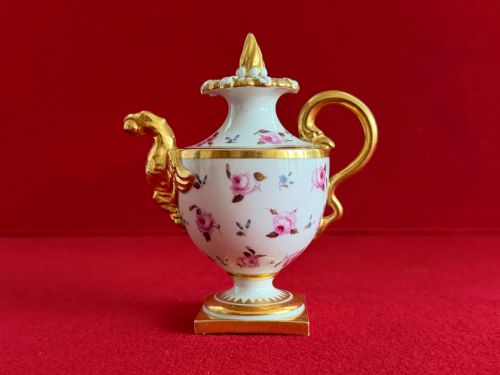
Some nineteenth century water barrels managed household hydration with heavy brass taps, while delicate porcelain sprinklers handled scented rose water.
Evaluating craftsmanship and condition
The standard of an antique water urn rests on the weight of the metal and the crispness of the hand-beaten or cast details. Finer examples maintain original spigots, matching burners on stands, and intact interior linings without heavy modern repairs.
Maker marks stamped onto the base or body elevate the standing of a piece, distinguishing standard workshop production from documented silver and metalwork firms.
Flight Barr and Barr·William Soutter and Sons·Walker and Hall·Benetfink and Co·R Lalique·Matthew Boulton·John Hoyland
The Antique Water Urn Glossary
- Samovar
- A heated metal urn traditionally used to boil water for tea, fitted with an internal vertical metal tube for charcoal or a spigot at the base.
- Spirit kettle
- A portable water kettle mounted upon a metal stand above a small alcohol burner, common in the Victorian and Edwardian periods.
- Lavabo
- A wall-mounted or cabinet-enclosed water basin and cistern system used for washing hands, often found in French provincial furniture.
- Old Sheffield plate
- A composite material made by fusing a thin sheet of silver to a thicker copper base, utilised before electroplating methods developed.
- Pontypool ware
- British japanned metalware decorated with fine varnishes and lacquers, originating from a notable Welsh factory.
Antique Water Urn: Frequently Asked Questions
What is an antique water urn?
An antique water urn is a historic metal or ceramic vessel created to hold, heat, or filter water for domestic use.
These objects include Georgian samovars, Victorian spirit kettles, and stoneware filters designed for daily service or display.
How were samovars used?
Samovars heated water for tea through an internal heating tube or by resting over a heat source.
Servants operated the spigot at the base to fill cups in the dining room or drawing room.
Can I use an antique spirit kettle?
Most buyers treat these vessels as decorative items due to their age and historical value.
Using them requires checking the interior lining and soldered joints for stability and historical integrity.
How do I date a copper urn?
Dating relies on manufacturing techniques, handle attachments, and stylistic markers from periods like the Georgian and Victorian eras.
Stamps, maker marks, and structural fasteners provide further clues to the decade of creation.