




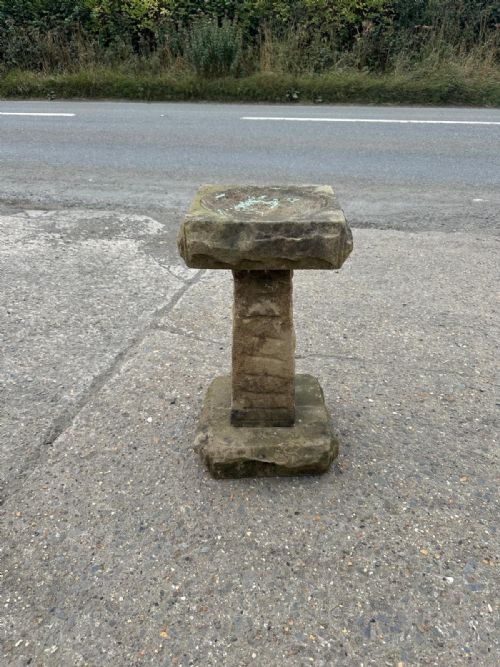


Antique Water Feature
An antique water feature brings moving water or time-worn stone into the garden, offering enduring focal points shaped by weather and age.
Antique Water Feature
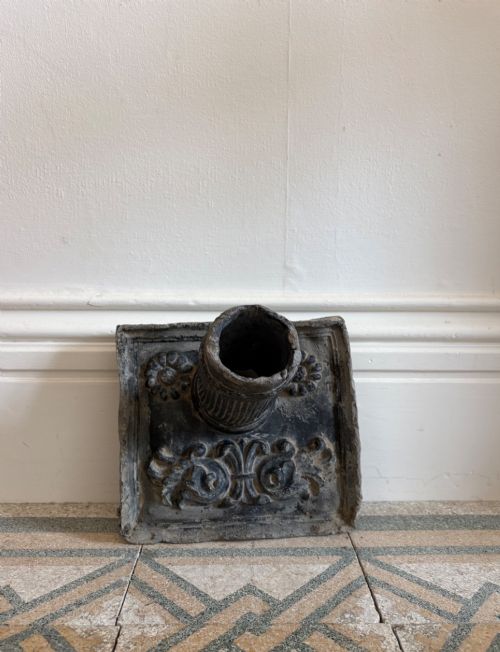
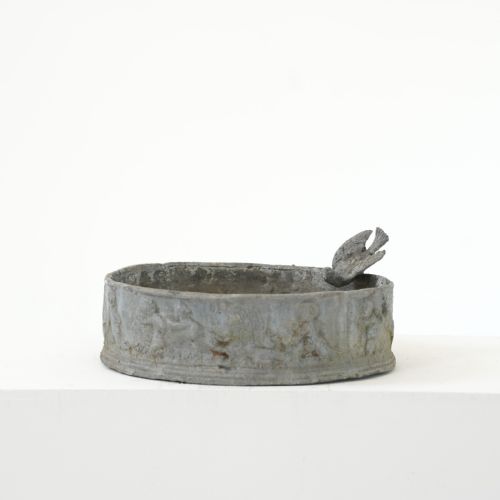
An antique water feature encompasses garden elements ranging from lead fountain heads and pump hoppers to stone bird baths, troughs, and mill stones adapted for gardens. These pieces originate across the eighteenth, nineteenth, and twentieth centuries, reflecting diverse domestic and agricultural uses.
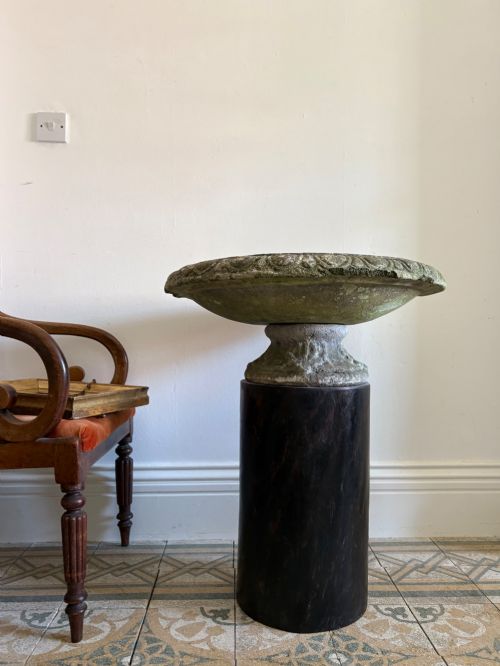
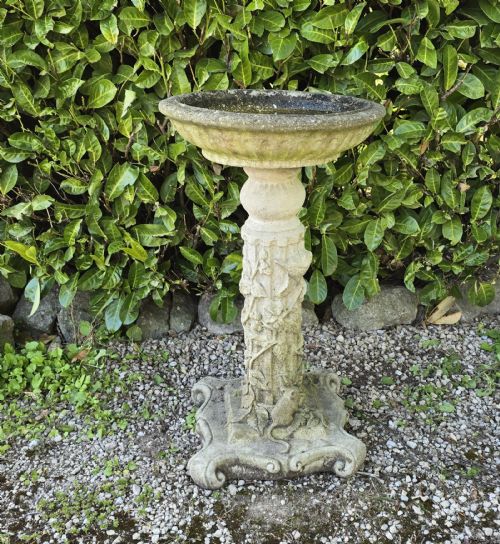
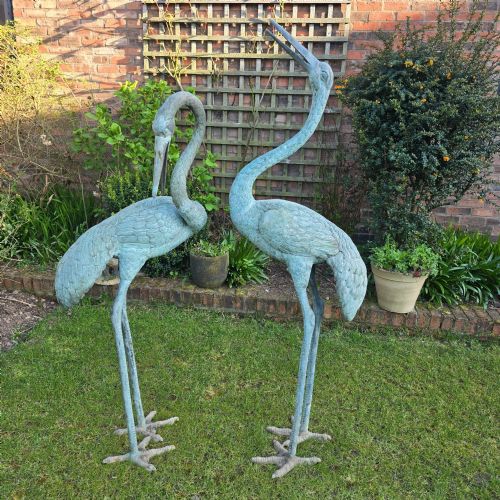
Visitors to this selection most frequently encounter stone bird baths and garden planters, alongside metal cranes, bronze fountain spouts, and repurposed granite grindstones. The items draw on Georgian, Victorian, and Neoclassical styles, as well as traditional agricultural forms.
How they were made
Cast metals such as iron, lead, and bronze form the basis of many fountain spouts, cistern panels, and sculptural figures. Craftsmen poured molten metal into moulds to create detailed shell forms, animal figures, and architectural panels.
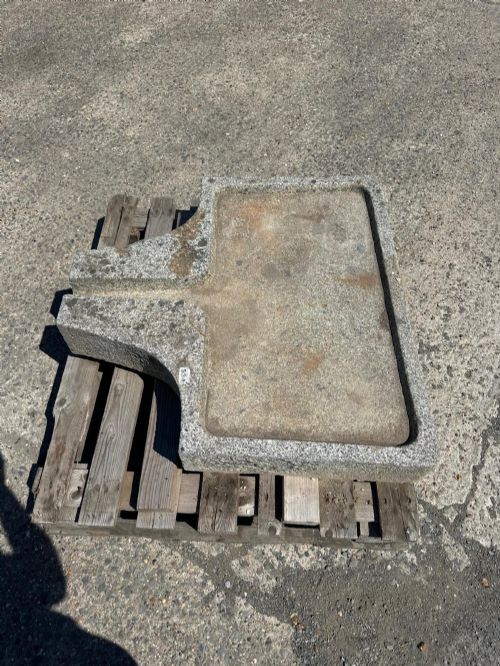
Natural stones including sandstone, granite, Purbeck stone, and millstone grit were hand-hewn or shaped using traditional masonry tools. Reconstituted and cast stone provided a durable alternative for moulded birdbaths and planters during the nineteenth and twentieth centuries.
Antique Water Feature Retail Price Guide 2026
Typical asking prices for water feature among the pieces listed under this phrase on Sellingantiques today, from the lower quarter to the upper quarter. They describe what is for sale here now, not the wider market.
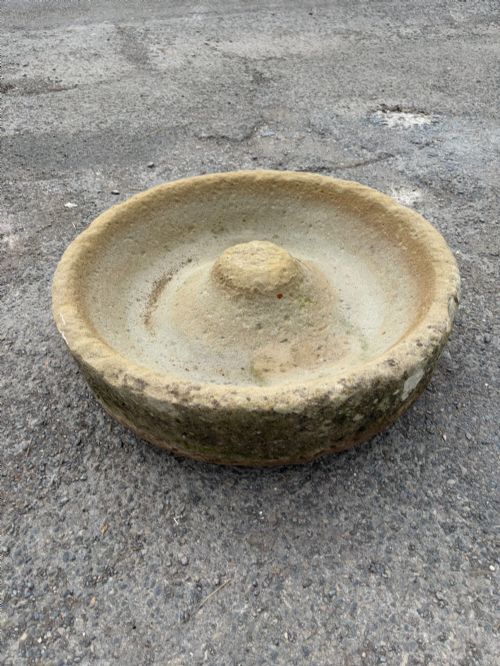
Even a heavy nineteenth-century grindstone finds new life holding water for visiting garden birds.
What varies in quality
The degree of surface weathering and patination dictates much of the character in stone and metal pieces, where centuries of exposure soften sharp lines and create natural organic growth. Items retaining crisp architectural moulding or legible cast dates command greater attention from collectors.
The integrity of the original material and the weight of the casting separate simpler garden ornaments from monumental temple vases and substantial lead cistern panels. Hand-carved stone detail and the artistic execution of bronze or iron animal figures determine the standing of each piece.
The Antique Water Feature Glossary
- Fountain head
- A decorative water outlet, often cast in lead or bronze, designed to feed a basin or pond. These fittings frequently take the form of animal mouths, marine subjects, or classical masks.
- Cistern panel
- A flat section of a water storage tank, commonly cast in lead with raised dates, coats of arms, or marine motifs. Such panels were often salvaged from larger plumbing installations.
- Mill stone
- A heavy circular stone used historically for grinding grain, now frequently repurposed as a garden ornament or water feature base. They display distinctive pecked dressing on their working faces.
- Purbeck stone
- A marine limestone quarried in Dorset, prized for its durability and fossil content. It appears in traditional garden bird baths and architectural fittings.
- Reconstituted stone
- A composite material made from crushed stone aggregate and a binder, cast in moulds to replicate natural carved masonry. This technique allowed the reproduction of neoclassical garden ornaments.
Antique Water Feature: Frequently Asked Questions
How do I install a stone bird bath?
Stone bird baths require a level, stable foundation of compacted earth or gravel to prevent shifting over time. Heavy stone basins usually rest securely on their separate pedestals under their own weight.
Water connections should be planned if linking the piece to a recirculating pump system, ensuring the structure remains stable when filled.
Can antique lead items go outside?
Lead fountain heads and cistern panels are naturally weather-resistant and develop a protective grey patina outdoors. They withstand winter frosts without cracking, making them ideal for garden installations.
Periodic cleaning with soft water helps maintain the metal without stripping its historical surface layer.
How do I identify a Victorian bird bath?
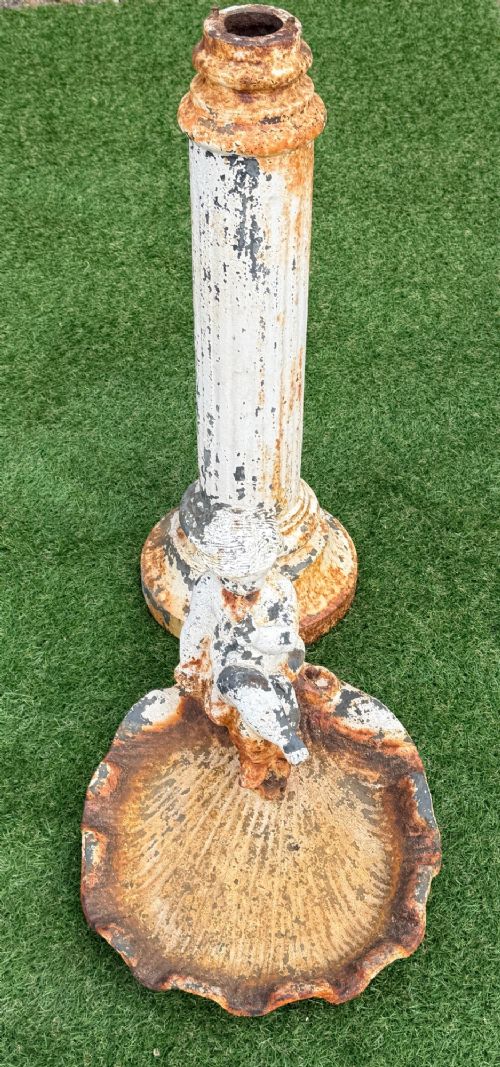
Victorian bird baths often incorporate cast iron or stone with distinct neoclassical motifs, such as cherubs, fluted columns, and shell-shaped basins. Details reflect the revival styles popular during the nineteenth century.
Examining the casting seams or tool marks helps distinguish nineteenth-century production methods from later reproductions.