
Antique Watch
An antique watch is a mechanical survivor of another era, offering tactile charm and precise craftsmanship to the modern collector.
Antique Watch
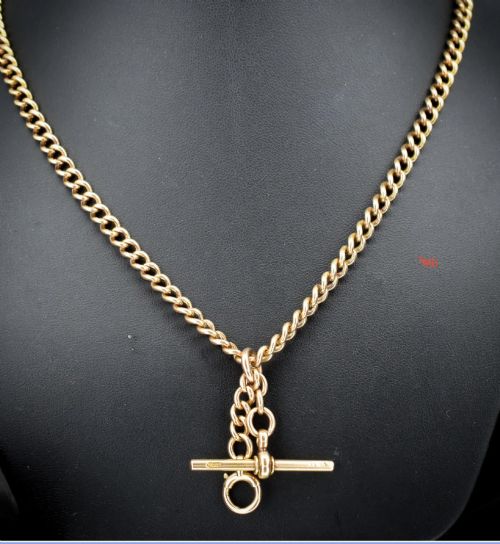
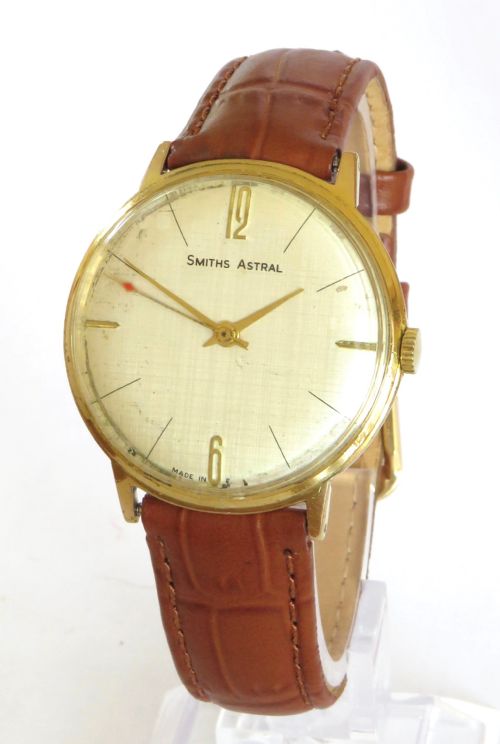
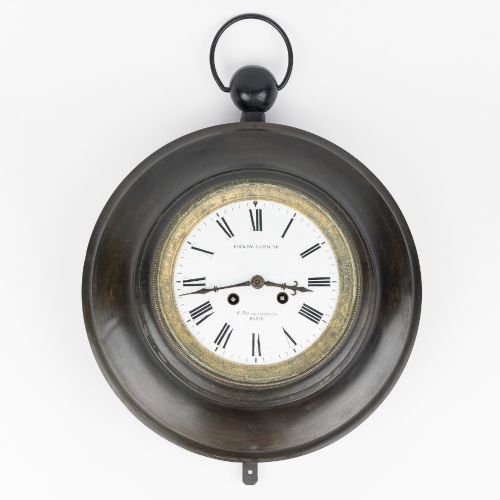
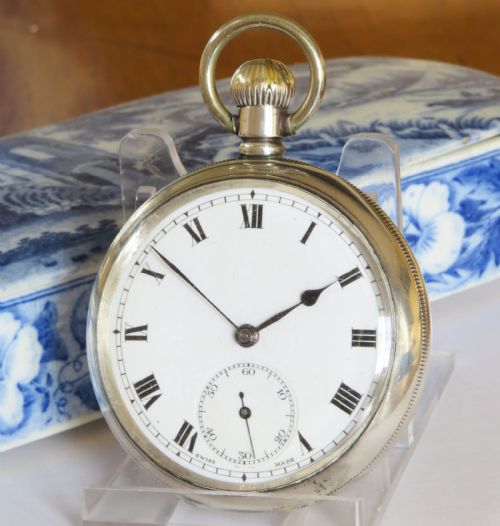
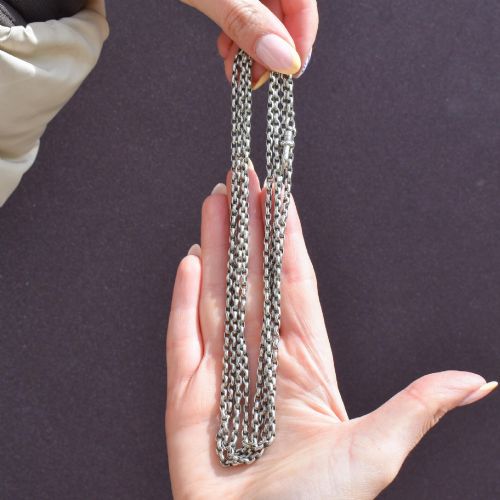
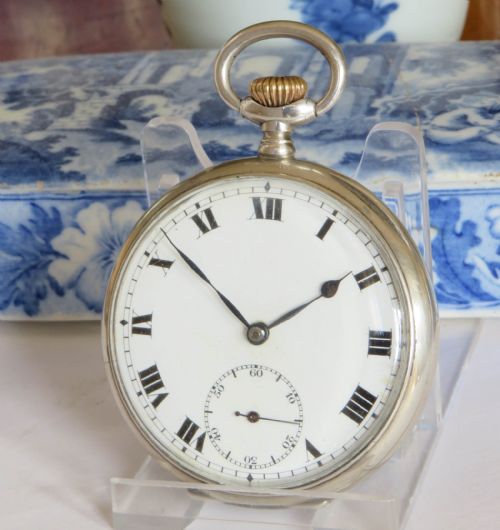
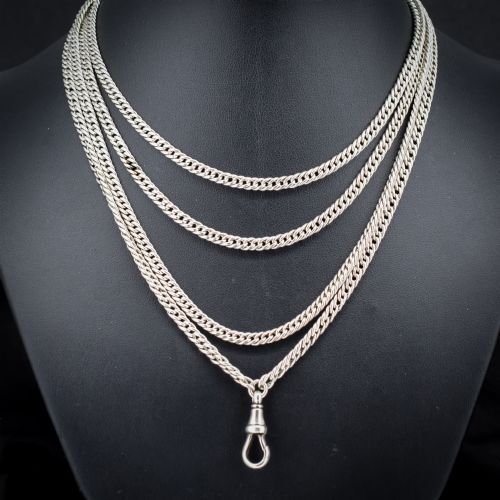
When you search for an antique watch, you encounter a diverse array of timepieces spanning the Victorian, Edwardian, and mid-twentieth-century periods. Pocket watches dominate the selection, alongside wristwatches, heavy guard chains, fob pendants, and military-issue instruments.
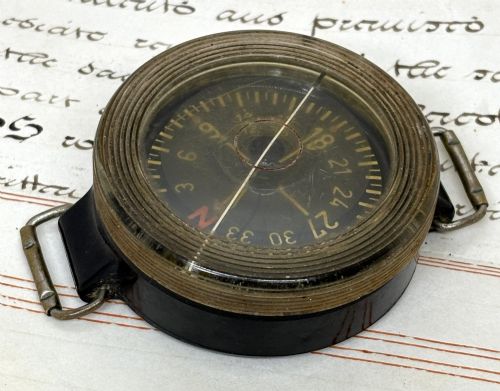
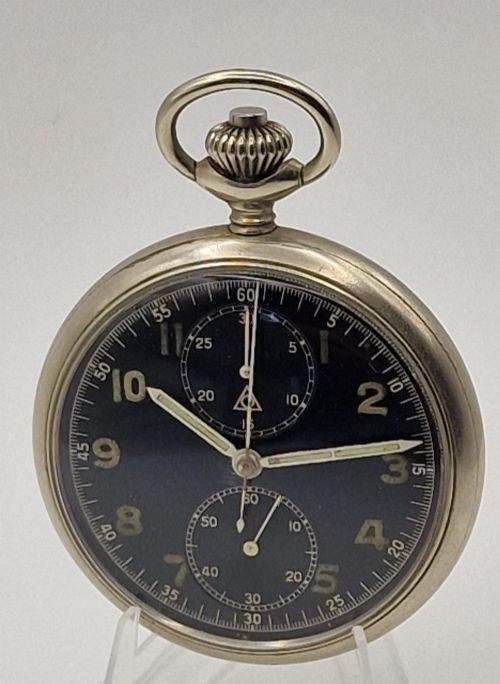
The pieces on this page range from delicate silver fob watches to robust wartime chronographs and specialised aviation stopwatches. Buyers regularly find both ornate nineteenth-century designs and functional mid-century military equipment.
Origins vary from British sterling silver pieces hallmarked in Chester to Swiss movements and American manufacturers like Waltham and Elgin. Each period brings distinct styling, from Victorian maritime details to Art Deco geometry.
How they were made
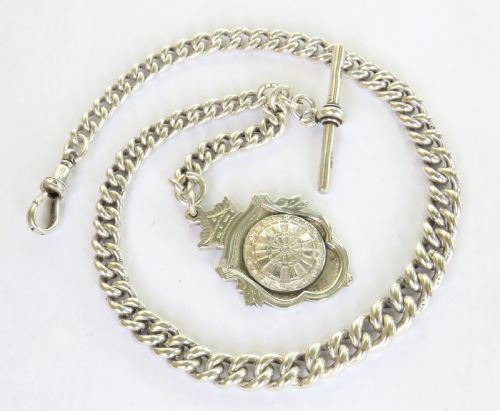
Metals form the physical foundation of these pieces, utilising sterling silver, nickel, steel, brass, and 9ct gold alongside rolled gold cases. Enamel dials and glass crystals protect the internal mechanical movements, while heavy silver and gold are cast into robust chains and sovereign cases.
Craftsmen utilised precise mechanical engineering to build pocket watch movements, pairing them with hand-assembled curb links, belcher links, and love knot patterns for accompanying chains. Military instruments additionally incorporate specialised casing to resist dust and dampness during active service.
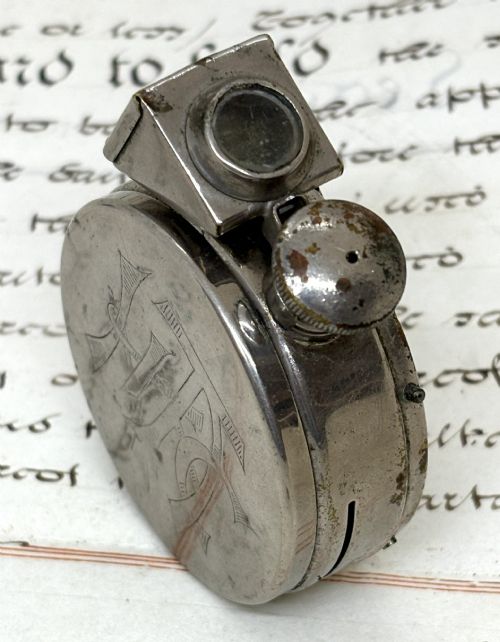
A pocket spy camera from 1900 sits among the timepieces, proving that Victorian innovation extended well beyond telling the hours.
What varies in quality
The distinction between tiers rests upon the caliber of the movement and the integrity of the original casing. Examples signed by recognised makers or bearing clear British hallmarks command greater respect than unmarked equivalents.
Condition of the enamel dial and retention of crisp engraving on silver or gold surfaces separate standard pieces from superior survivors. Completeness also matters, particularly when a pocket watch retains its matching chain, fob, or original military issue markings.
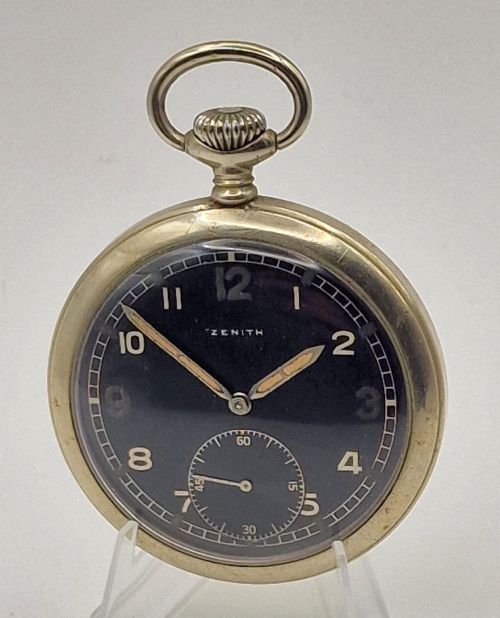
Zenith·Elgin·Henry Capt·Waltham·Kendal and Dent·Cortebert·Vertex·J W Benson
The Antique Watch Glossary
- Albert
- A type of watch chain attached to a waistcoat, named after Prince Albert. Single Alberts run from one buttonhole to the pocket, while double Alberts drape across the front.
- Chronograph
- A watch with a function for measuring elapsed time alongside the standard timekeeping hands. These often include independent sweep hands controlled by pushers.
- Fob
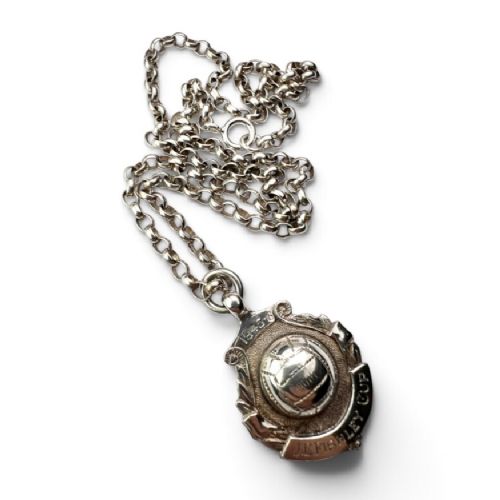
- A small ornament or medallion attached to a pocket watch ribbon or chain. They frequently incorporate spinning bloodstone or carnelian stones.
- Half Hunter
- A pocket watch featuring a case with a glass-covered centre aperture in the outer lid. This allows the user to read the hands without opening the case.
- Sovereign Case
- A small metallic container designed to hold gold sovereign coins. They were frequently carried alongside pocket watches on Albert chains.
Antique Watch: Frequently Asked Questions
How do I wear a pocket watch?
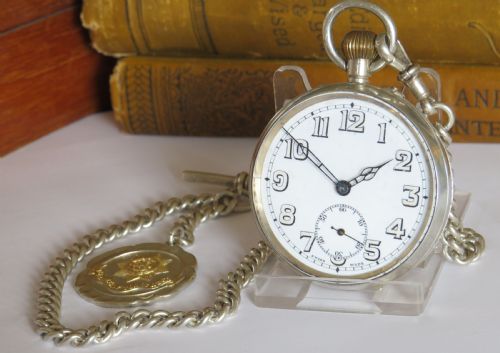
Pocket watches sit securely in a waistcoat or trouser pocket, secured by a chain fastened through a buttonhole. The chain itself may be draped across the front of the garment for display.
Matching the metal of the watch case to the chain, whether silver or 9ct gold, maintains a cohesive appearance.
What is a military watch?
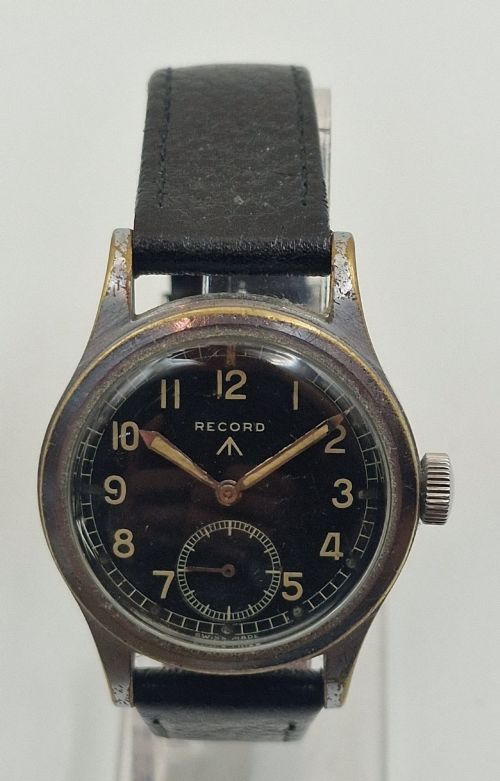
Military watches are rugged timepieces issued to armed forces personnel during conflicts like the Second World War. They prioritize legibility, durability, and accurate timekeeping under harsh field conditions.
These pieces often feature broad arrow markings, luminous dials, and robust steel or nickel cases.
How do I wind an antique watch?
Most pocket watches wind via the crown at the top of the case, turning it gently until resistance is felt. Some older pieces require a separate watch key inserted into the dial or back cover.
Care must be taken not to over-wind the mainspring, as this can damage the internal vintage mechanism.
What is a watch chain fob?
A fob is an ornamental pendant attached to the end of a watch chain, often featuring hardstones like carnelian or bloodstone. They served as decorative counterweights and occasionally functioned as wax seals.
Victorian and Edwardian gentlemen wore them prominently across their waistcoats alongside their timepieces.