

Antique Watch with Albert Chain
An antique watch with albert chain brings together a dependable timepiece and a substantial link designed to secure it to a waistcoat or garment.
Antique Watch with Albert Chain
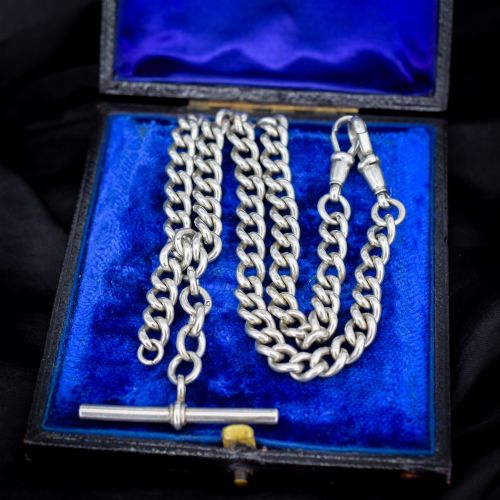
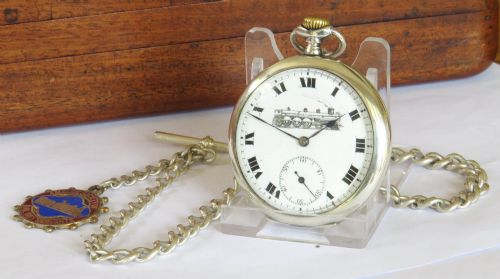
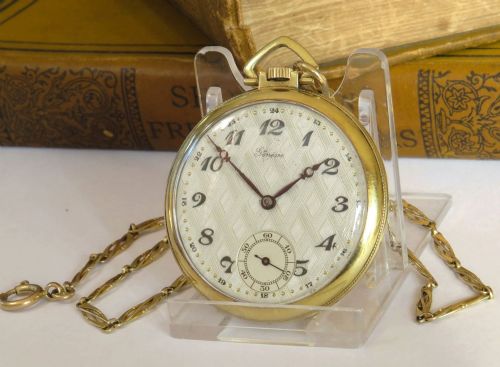
When searching for an antique watch with albert chain, a buyer encounters a combination of functional timekeeping and personal ornament originating from the nineteenth and early twentieth centuries. These assemblies typically pair a mechanical pocket watch, often driven by manual winding, with a substantial metal chain designed to secure the timepiece safely to a pocket or buttonhole.
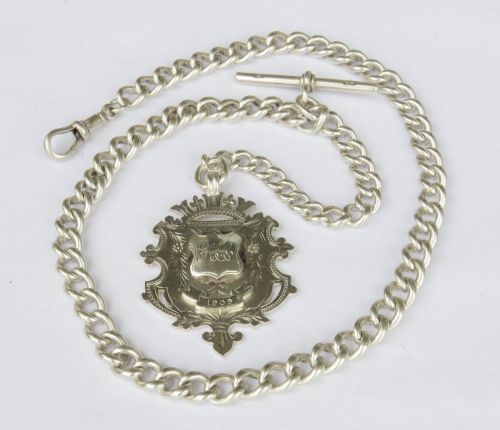
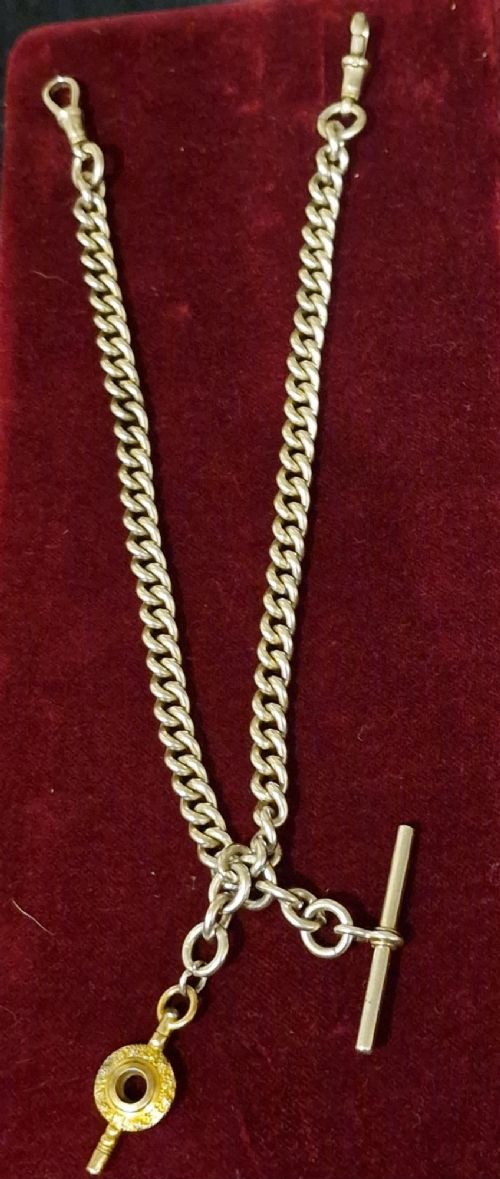
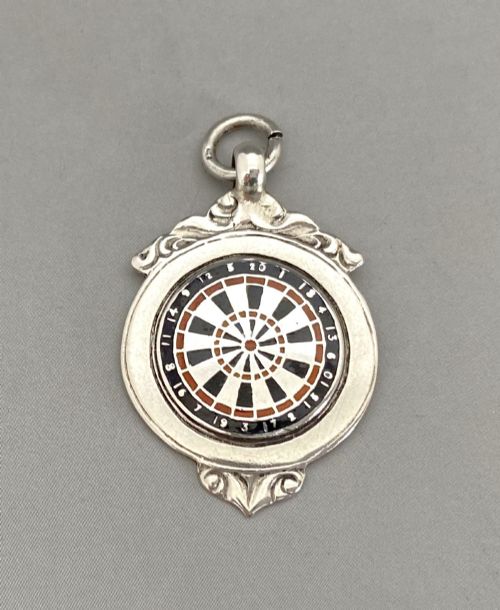
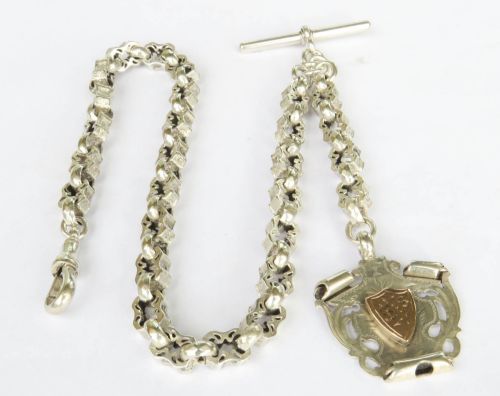
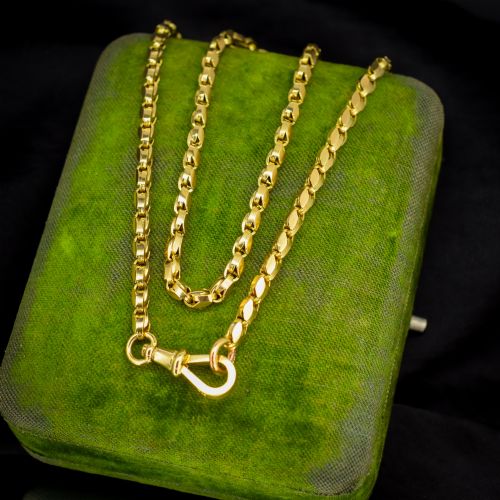
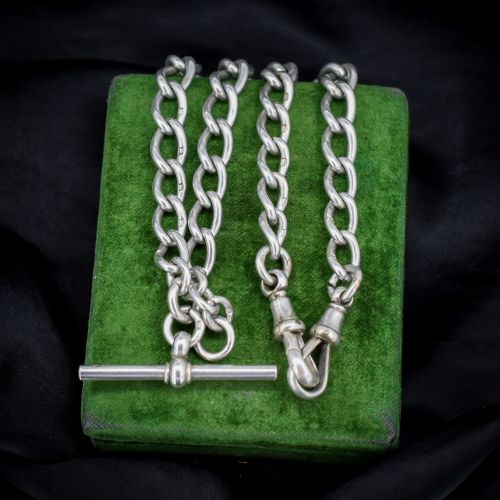
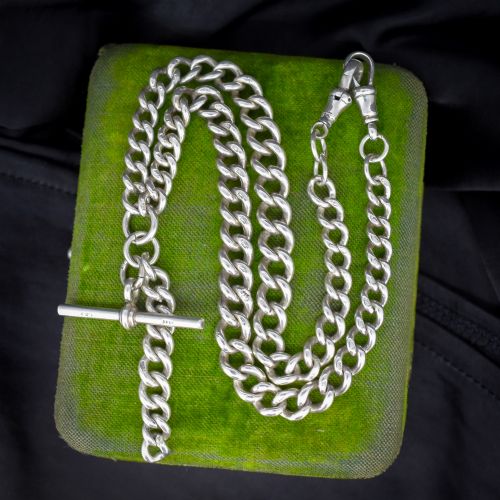
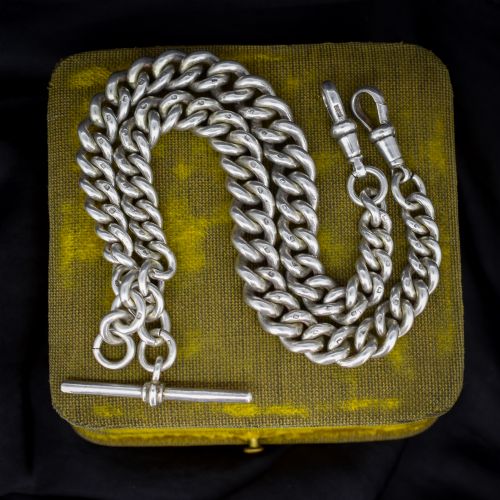
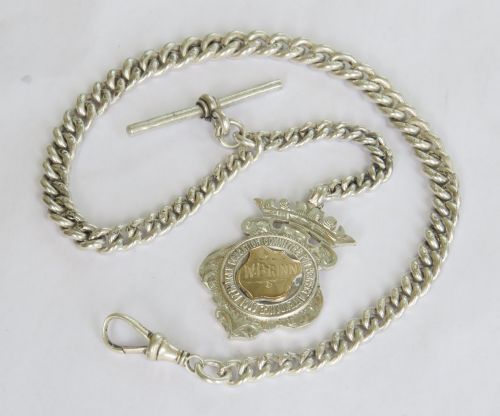
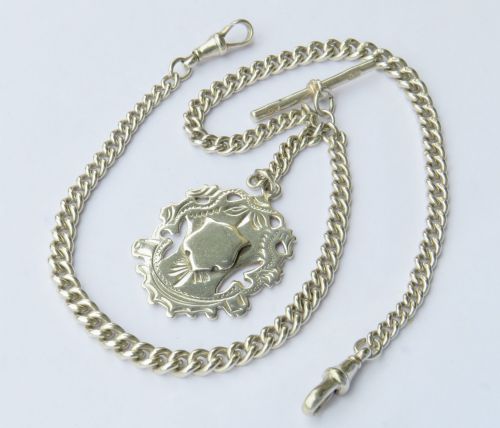
The versions most commonly met on this page span the Victorian, Edwardian, and Art Deco periods, encompassing both silver and gold metals. Pieces often arrive complete with original components such as a T-bar, swivel clips, and decorative fobs set with hardstones like bloodstone.
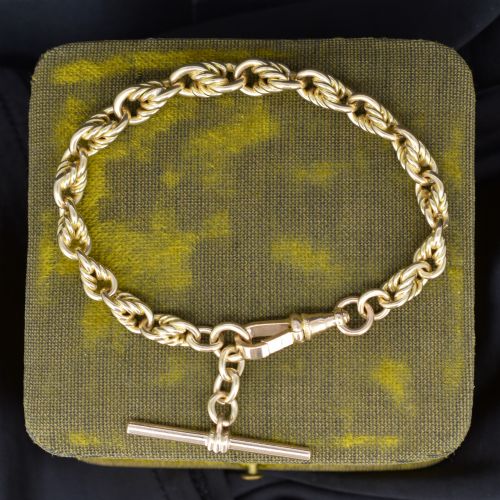
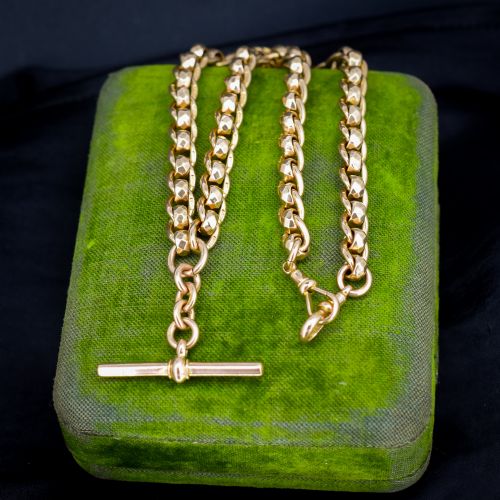
The form adapts across eras, shifting from heavy late Victorian silver curb chains to lighter 9ct rose gold or yellow gold albertina variations from the 1910s and 1920s. Alongside these, complete sets pairing makers like Omega, Doxa, or J W Benson with matching chains appear frequently.
Materials and Construction
The materials recorded in these listings rely heavily on sterling silver, rolled gold, and varying purities of solid gold including 9ct, 15ct, and rose gold variants. Metals were shaped into distinct link patterns such as curb, belcher, trombone, and fancy links, often constructed from hollow or solid tubular bars.
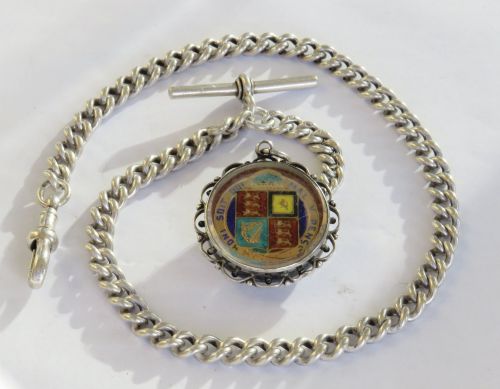
Craftsmanship is evident in the hardware attached to the chains, which frequently incorporates spring-loaded dog clips, screw-lock pocket watch clips, and swivel seals. Enamel and glass components occasionally appear in accompanying fobs, compasses, or watch dials, adding colour and intricate detail to the metalwork.
Antique Watch with Albert Chain Retail Price Guide 2026
Typical asking prices for watch with albert chain among the pieces listed under this phrase on Sellingantiques today, from the lower quarter to the upper quarter. They describe what is for sale here now, not the wider market.
Distinctions in Quality
The distinction between tiers of quality rests upon the weight of the metal and the integrity of the individual links. Solid gold and heavy sterling silver specimens with crisp hallmarks command greater attention than rolled gold or lighter hollow alternatives that show dents from heavy wear.
Another factor is the completeness and matching nature of the components, such as retaining an original T-bar, swivel dog clips, and matching fobs or compasses. Pieces that preserve their original maker involvement, such as signed watch movements paired with period-correct chains, represent a higher grade of preservation.
J W Benson·Octava·Omega·Revue·Doxa·Pioneer
The Antique Watch with Albert Chain Glossary
- Albert Chain
- A short chain attached to a pocket watch and secured to a waistcoat buttonhole. Named after Prince Albert, it remains a defining accessory of nineteenth-century menswear.
- T-Bar
- A short crossbar fastened to the end of an albert chain. It slips through a buttonhole to anchor the entire assembly securely.
- Dog Clip
- A spring-loaded snap hook attached to watch chains. This mechanism allows the wearer to quickly fasten or remove a watch, fob, or charm.
- Fob
- A small ornamental pendant attached to a watch chain. Fobs often incorporate swivel seals, bloodstone panels, or miniature compasses.
- Trombone Link
- A specific watch chain link style featuring alternating long rectangular links and small round connecting rings. This design was popular during the Victorian and Edwardian eras.
Antique Watch with Albert Chain: Frequently Asked Questions
How do you wear an albert chain?
An albert chain is designed to thread through a waistcoat buttonhole, anchored by the T-bar in the centre. The pocket watch itself rests inside the waistcoat pocket, while any remaining length or decorative fob drapes across the front.
Alternatively, many modern collectors remove the watch and wear the chain as a bracelet or necklace. In these configurations, the dog clip fastens directly to another link or a loop, turning a traditional pocket chain into a substantial wrist or neck ornament.
How do I know if the gold is solid or rolled?
Solid gold pieces carry official hallmarks stamped directly onto the metal, indicating the purity such as 9ct or 15ct, alongside assay office marks and date letters. These stamps confirm the composition runs entirely through the item.
Rolled gold or plated items use a thin layer of gold bonded to a base metal core. They lack official precious metal hallmarks and instead feature maker marks or descriptive terms like rolled gold, often showing wear on high-friction points where the base metal beneath is exposed.
Can these pocket watches still be used daily?
Many mechanical pocket watches from the late nineteenth and early twentieth centuries remain fully operational when wound correctly. Brands like Omega and J W Benson built robust movements designed for longevity and accurate timekeeping.
However, because these are antique mechanisms, they benefit from gentle handling and a professional service by a horologist. They lack modern shock resistance and water sealing, meaning they require more care than contemporary wristwatches.