


Antique Washing Basin
An antique washing basin brings period character to a room, offering tactile ceramic, rich mahogany, or gleaming copper formed for daily ablutions.
Antique Washing Basin
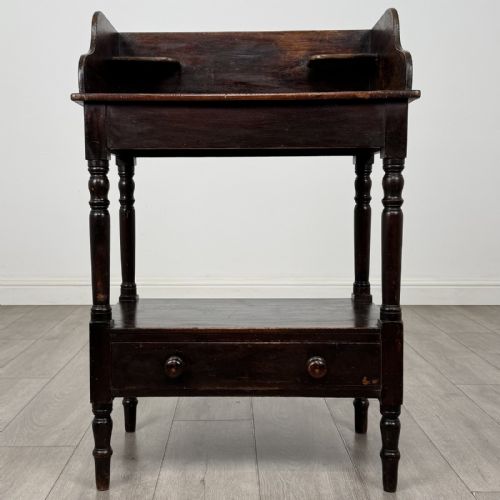
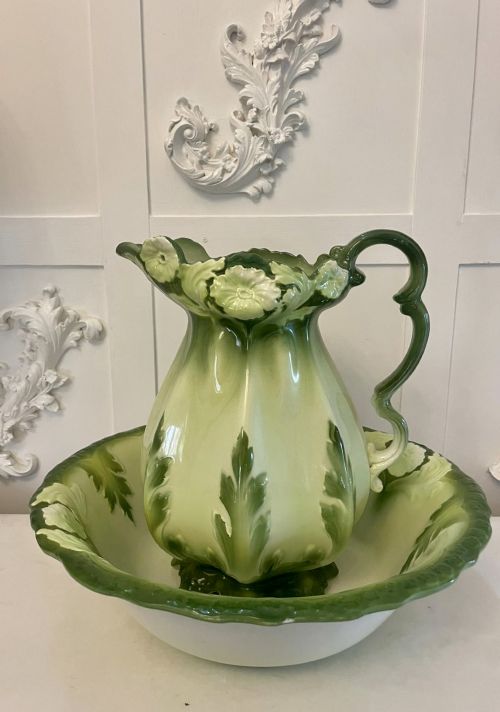
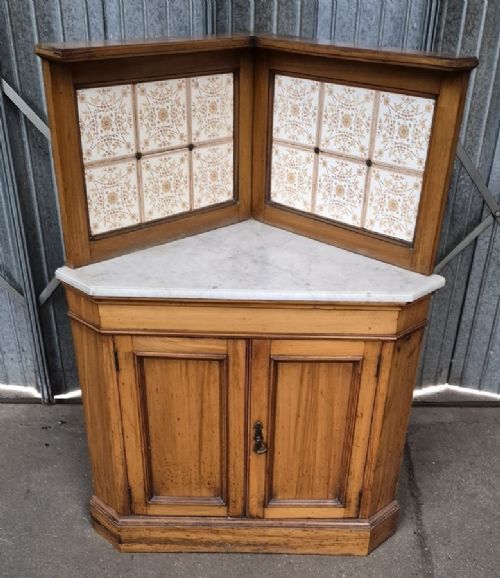
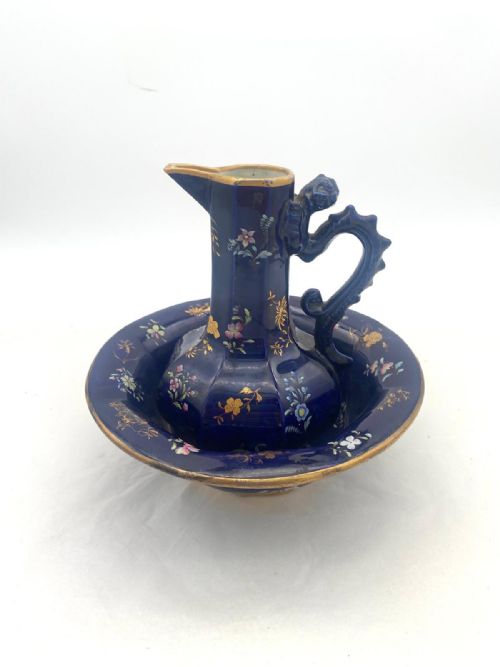
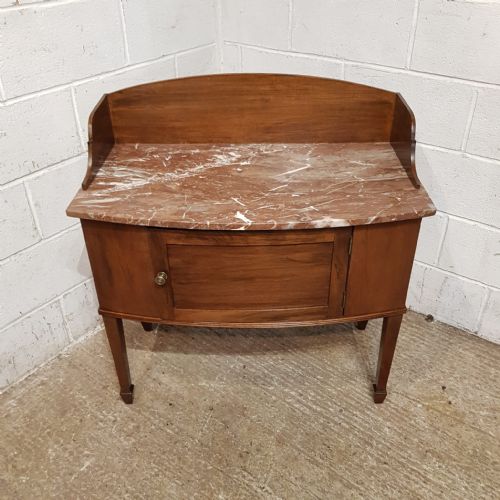
When you search for an antique washing basin, you encounter a diverse array of items designed for personal hygiene and domestic water use across past centuries. The selections range from ceramic wash sets and standalone basins to wooden washstands equipped with marble tops or raised galleries.
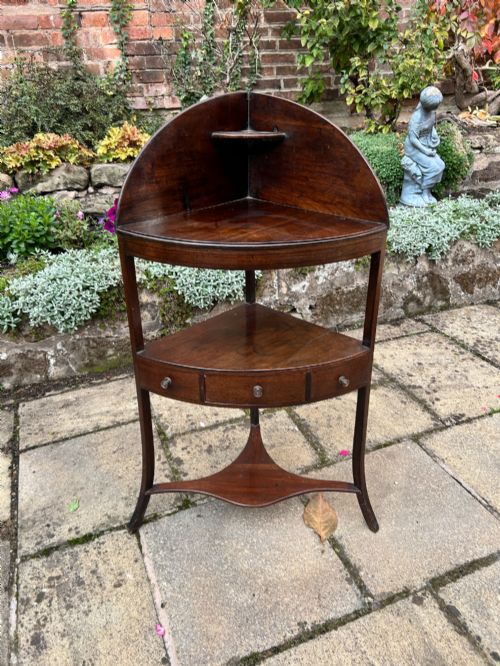
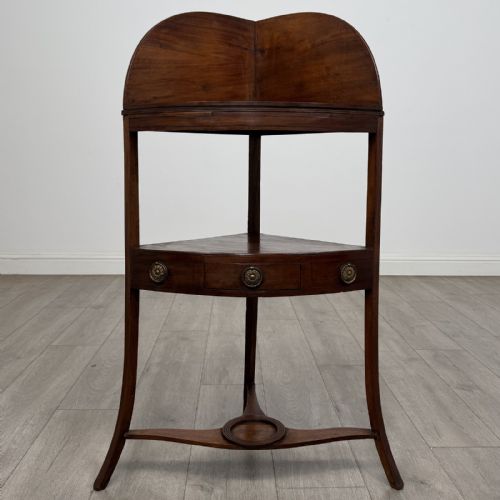
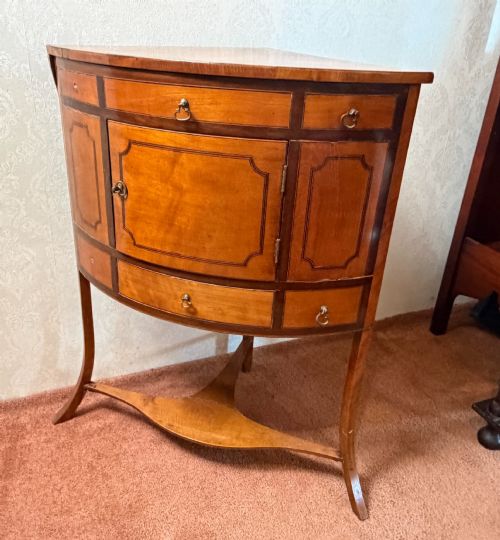
You are most likely to meet ceramic jug and bowl sets alongside mahogany washstands from the Victorian and Edwardian periods on this page. Pieces span several eras, including Georgian corner stands, earthenware footbaths, and French provincial chestnut lavabo cabinets.
How they were made
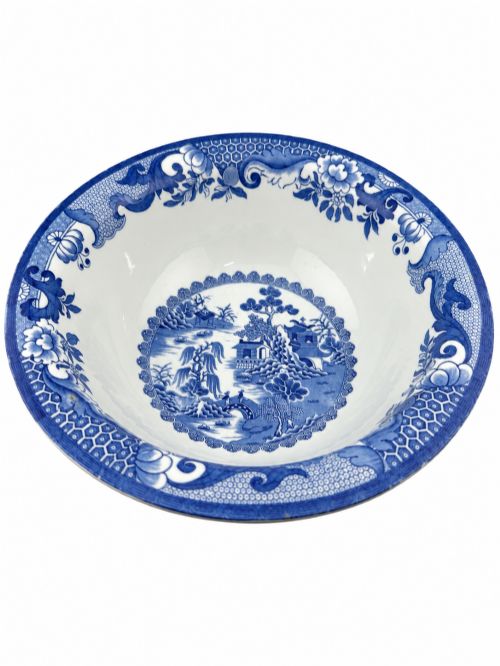
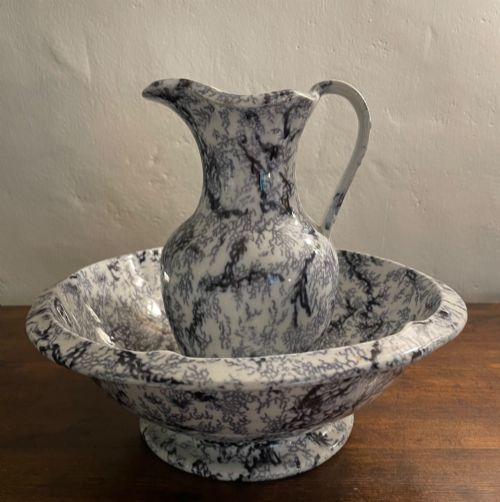
Potters shaped earthenware, ironstone, and porcelain into bowls and jugs, frequently applying transfer-printed blue and white glazes or floral patterns before kiln firing. Cabinetmakers utilised mahogany, walnut, pine, and satinwood to construct sturdy washstands, often integrating marble surfaces to resist water damage.
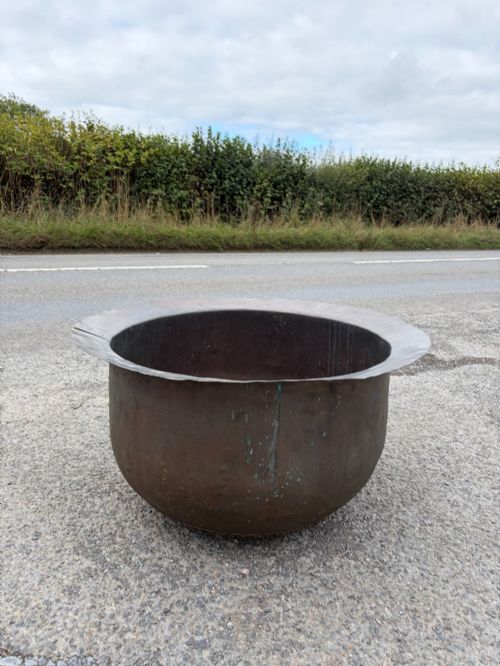
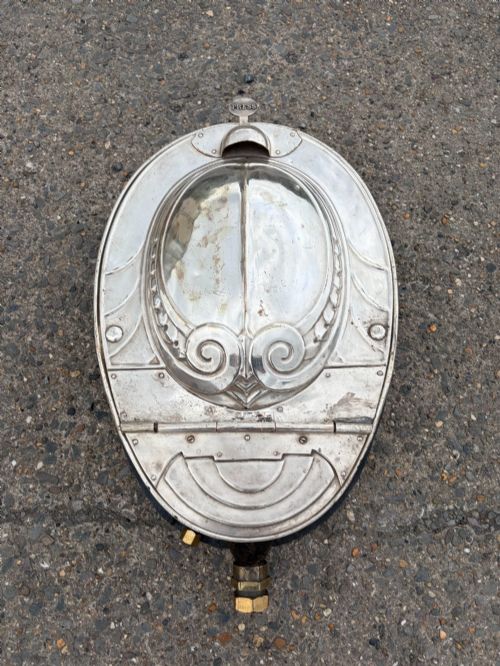
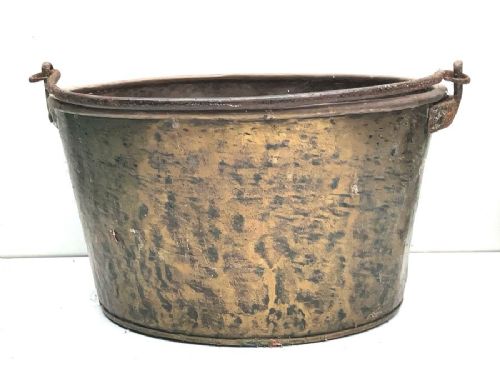
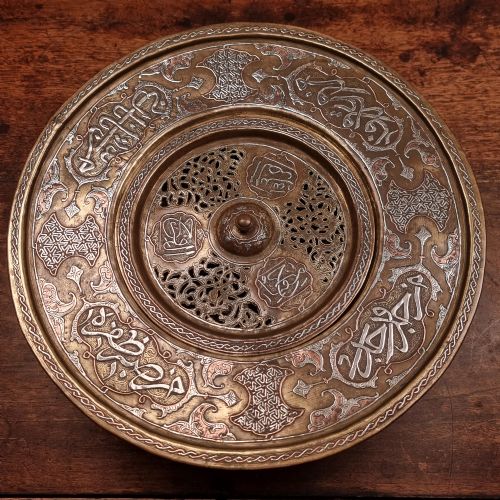
Metalworkers formed copper, brass, and iron items through riveting and beating techniques, sometimes adding silver inlay or preserving verdigris patinas on large vessels and footbaths.
Antique Washing Basin Retail Price Guide 2026
Typical asking prices for washing basin among the pieces listed under this phrase on Sellingantiques today, from the lower quarter to the upper quarter. They describe what is for sale here now, not the wider market.
Materials span glazed earthenware, dense ironstone, solid mahogany, weathered copper, and cool marble across multiple centuries.
What varies in quality
The standard of an antique washing basin depends on the crispness of the ceramic transfer print, the depth of the glaze, and the absence of heavy restoration on the earthenware body. Cabinetry quality reveals itself through the selection of timber veneers, the integrity of the marble top, and the retention of original brass fittings.
Design sophistication also distinguishes finer examples, such as those featuring inlaid woodwork, campaign folding mechanisms, or named pottery works from established factories.
Mason s·Wemyss·Walker and Sons·Minton·Mann and Co
The Antique Washing Basin Glossary
- Washstand
- A piece of furniture designed to hold a basin, jug, and related washing accessories. These tables frequently include lower shelves, drawer compartments, or marble tops.
- Flow Blue
- A ceramic glazing technique originating in the nineteenth century where cobalt blue colour blurred slightly during firing, creating a misty, rich appearance on white earthenware.
- Ironstone
- A heavy, durable type of earthenware patented in the nineteenth century. It combined durability with the refined appearance of porcelain.
- Lavabo
- A wall-mounted or cabinet-enclosed basin and cistern system used for washing hands before meals. They often incorporate pewter or ceramic reservoirs.
- Footbath
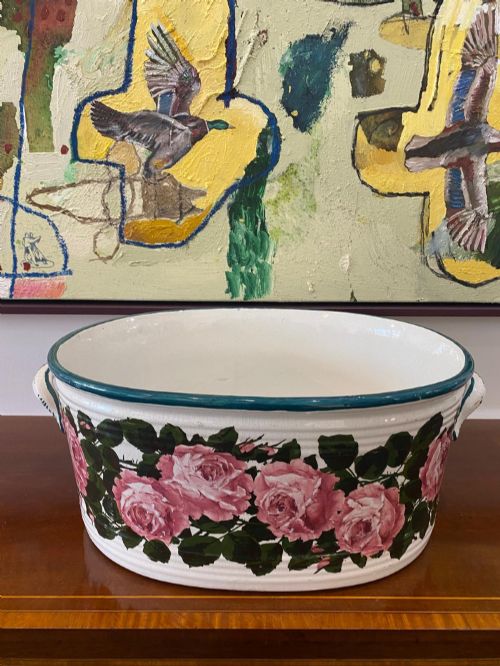
- A deep, oval vessel intended for soaking feet rather than general washing. Examples in the evidence include earthenware bodies with decorative patterns.
Antique Washing Basin: Frequently Asked Questions
What is an antique washing basin?
An antique washing basin is a ceramic bowl, metal vessel, or fitted washstand used for personal hygiene before modern indoor plumbing became standard.
Items range from large earthenware jugs and bowls to mahogany corner stands and copper footbaths produced across the eighteenth, nineteenth, and early twentieth centuries.
How were washstands used?
Washstands served as dedicated bedroom or dressing room stations where individuals performed morning and evening ablutions using water poured from a matching jug into the basin.
Lower shelves and drawers held soap dishes, sponges, and chamber pots, keeping personal care items organised in private living spaces.
How do I identify Victorian pieces?
Victorian examples often display heavier proportions, robust mahogany or walnut frames, and marble countertops designed to withstand splashes.
Ceramic components from this era frequently feature rich blue and white transfer prints, ironstone bodies, or floral glaze decorations typical of nineteenth-century production.
How can I live with these pieces?
You can repurpose ceramic bowls as decorative planters or display stands in a bathroom, while wooden washstands function well as hallway side tables or washbasin supports.
Copper pots and footbaths add tactile warmth to interiors when used to hold dried flowers, logs, or miscellaneous household items.