



Antique Wash Bowl
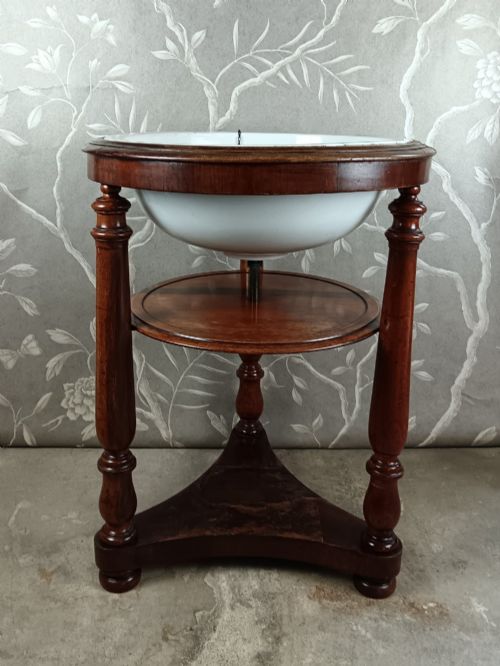
An antique wash bowl brings domestic history into a room, offering functional ceramic or metal forms shaped for daily hygiene.
Antique Wash Bowl
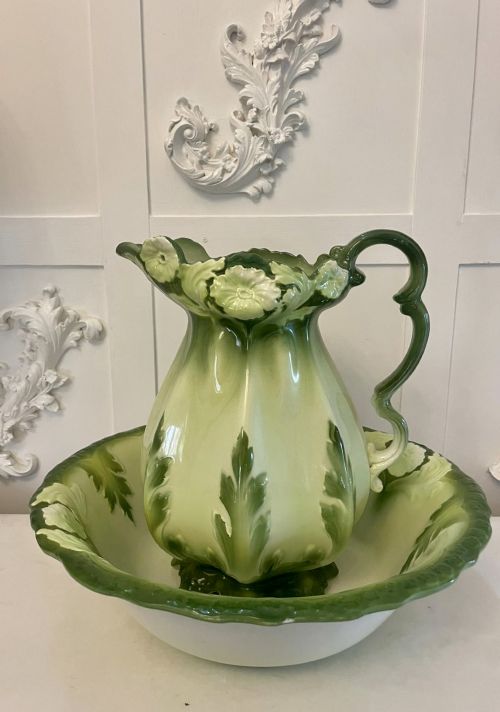
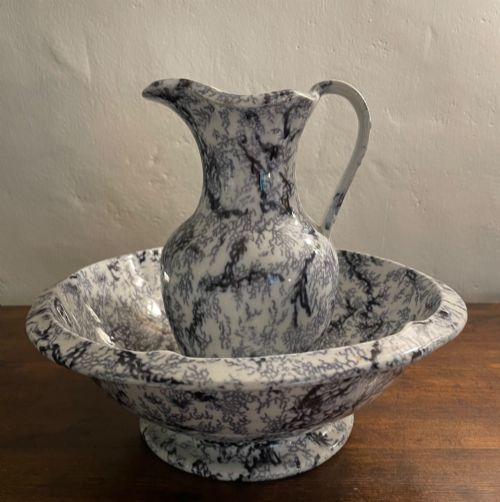
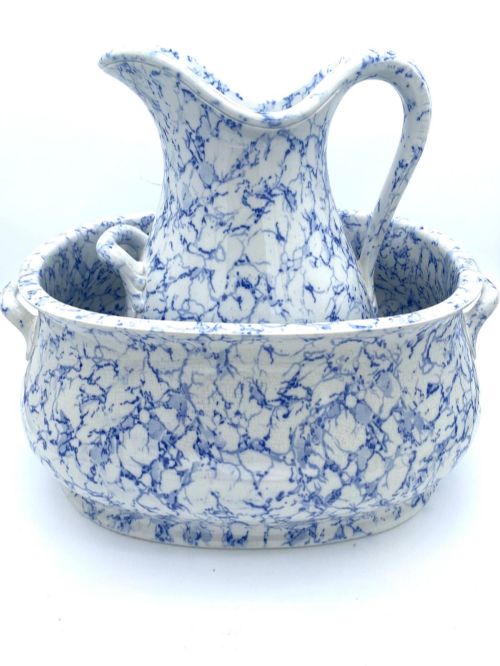
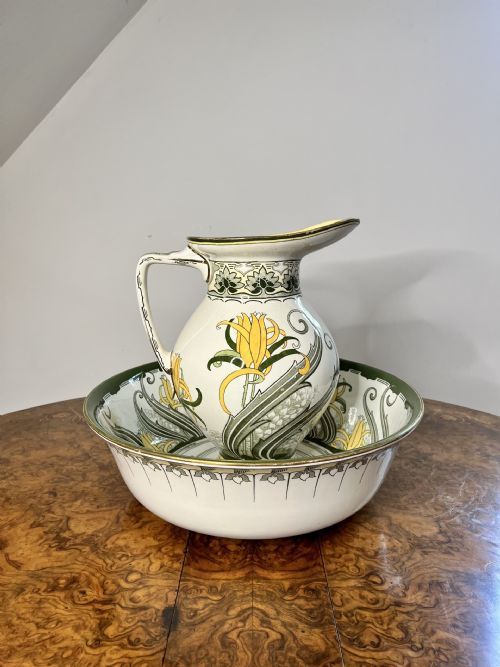
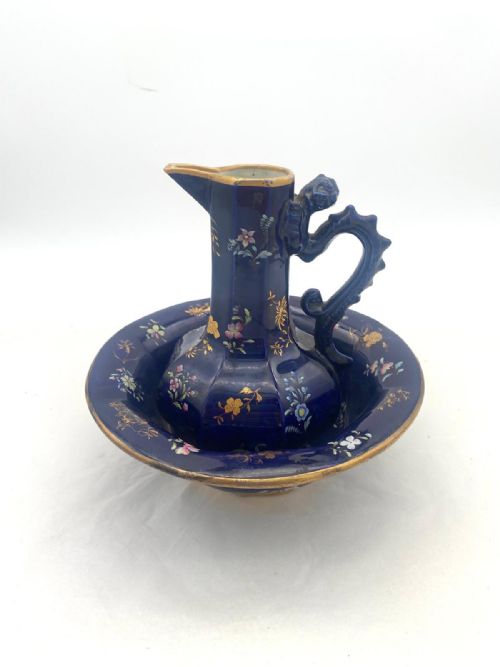
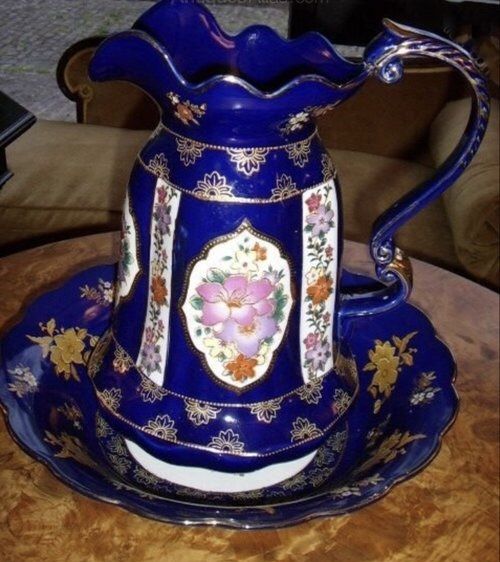
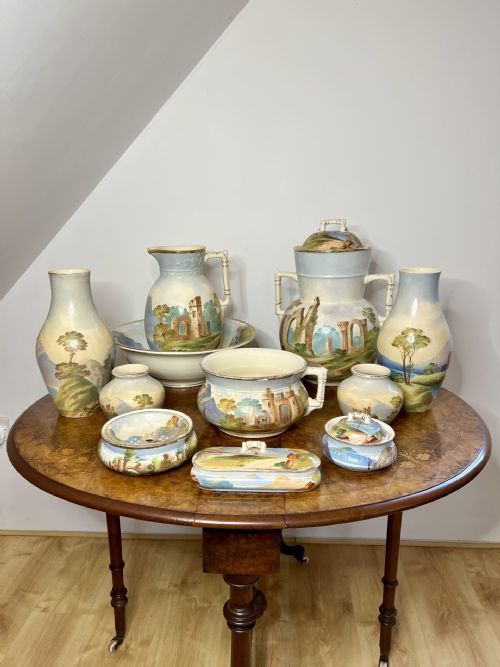
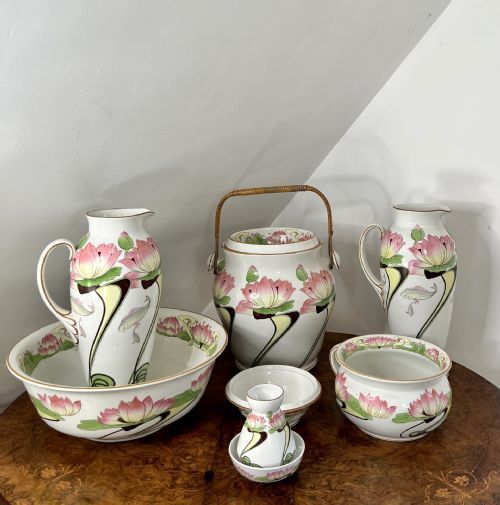
An antique wash bowl is a household vessel designed for personal grooming, most commonly encountered here as part of a ceramic jug and basin set from the Victorian and Edwardian periods.
These pieces range from large earthenware and ironstone basins intended for bedroom washstands to decorative metal and glass bowls originating across the eighteenth and nineteenth centuries.
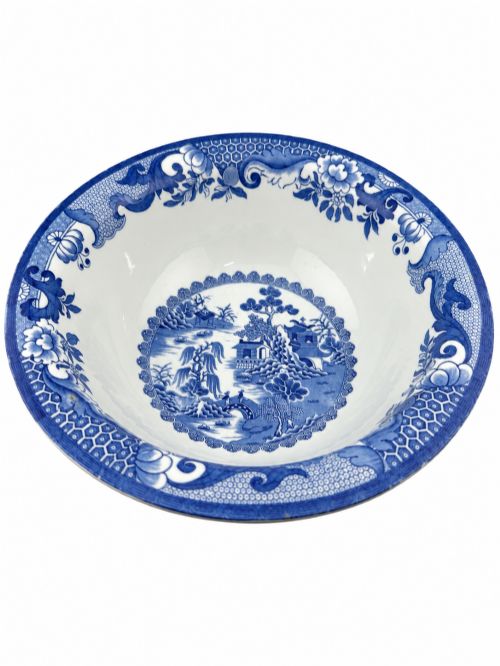
Buyers seeking this phrase encounter both utilitarian whitewear and patterned examples featuring transfer prints, cobalt glazes, or provincial glazes from various European and international workshops.
How they were made
Pottery examples rely on earthenware, ironstone, or porcelain bodies shaped and fired before receiving hand-applied transfers, flow blue decoration, or coloured glazes.
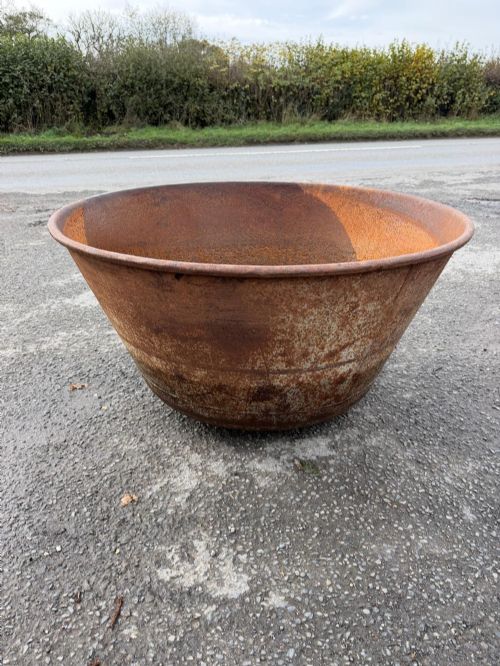
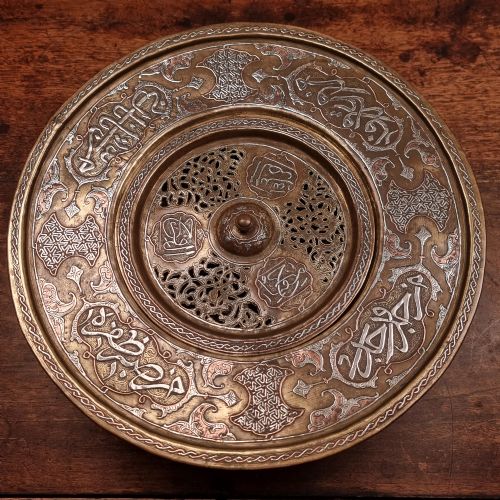
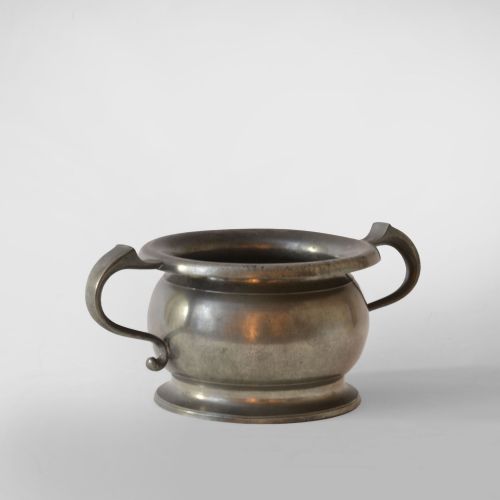
Metal basins utilise beaten or engraved brass and copper construction, employing traditional hammering techniques seen in Middle Eastern and British workshop pieces.
Glass and enamel vessels involve specialised moulding and cooling processes to achieve durable translucent or opaque bowls suited to daily domestic service.
Antique Wash Bowl Retail Price Guide 2026
Typical asking prices for wash bowl among the pieces listed under this phrase on Sellingantiques today, from the lower quarter to the upper quarter. They describe what is for sale here now, not the wider market.
A few antique bowls are paired with shaving stands, designed for gentlemen who preferred their morning lather close to hand.
What varies in quality
Quality rests in the crispness of the transfer printing, the evenness of the glaze application, and the artistic ambition of the painted or moulded decorative motifs.
Heavier ceramic bodies, sophisticated polychrome patterns, and intact matching ewers elevate certain sets far above standard utilitarian chamberware.
Metal and glass pieces demonstrate refinement through the depth of engraving, the weight of the raw material, and the precision of the rim and base formation.
Mason Ironstone·Minton·Doulton Burslem·Mark Jones And Sons
The Antique Wash Bowl Glossary
- Earthenware
- Porous pottery fired at lower temperatures, requiring an opaque or transparent glaze to hold water. It forms the body of many standard bedroom basins.
- Ironstone
- A heavy, durable type of British stoneware patented in the nineteenth century. It resists chipping and serves as the durable base for many large printed wash basins.
- Flow Blue
- A nineteenth-century transfer printing technique where lime or ammonia chloride vapour was introduced into the kiln, causing the cobalt blue pigment to blur slightly into the white glaze.
- Chinoiserie
- European decorative style imitating Chinese artistic traditions. It appears on several nineteenth-century ironstone wash basins.
- Gaudy Welsh
- A type of colourful British pottery featuring cobalt, copper lustre, and iron-red designs on a white earthenware body. It is often found in nineteenth-century domestic sets.
Antique Wash Bowl: Frequently Asked Questions
What is an antique wash bowl used for today?
These bowls function effectively as decorative centrepieces, umbrella stands in hallways, or large planters for indoor house plants.
Their deep basins and broad rims lend themselves to creative domestic uses that highlight their traditional patterns and colours.
How do I identify a Victorian wash bowl?
Victorian examples typically present heavy earthenware or ironstone bodies decorated with floral transfer prints, flow blue, or rich cobalt glazes.
They often bear maker stamps or registry marks on the underside that date the piece securely to the nineteenth century.
Are brass and copper bowls considered wash bowls?
Metal bowls from the period served similar washing or bathing functions, ranging from British copper pans to engraved Middle Eastern basins.
While distinct from ceramic bedroom sets, they share the same utilitarian origins in historical household hygiene.
How should I clean an antique ceramic bowl?
Warm water and mild dish soap applied with a soft cloth will safely remove dust without harming old glazes or delicate ironstone surfaces.
Harsh scouring pads and abrasive chemical cleaners should be avoided entirely to preserve the original finish.