

Antique War Art
When you explore antique war art, you encounter centuries of conflict captured through paintings, tribal weaponry, and detailed prisoner-of-war craftsmanship.
Antique War Art
The category of antique war art encompasses a broad spectrum of historical items, ranging from framed oil paintings of military engagements to tribal clubs and handmade prisoner-of-war objects. These items document military history, campaign milestones, and personal experiences from various conflicts across multiple centuries.
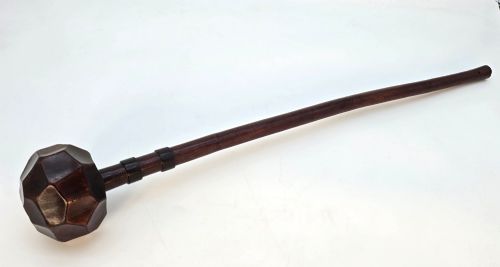
Tribal artefacts such as throwing clubs and knobkerries also appear within this designation, alongside intricate items fashioned from bone and straw by detained combatants. This diversity means collectors can find both official commemorative depictions and intimate, handmade mementoes of wartime service.
How They Were Made
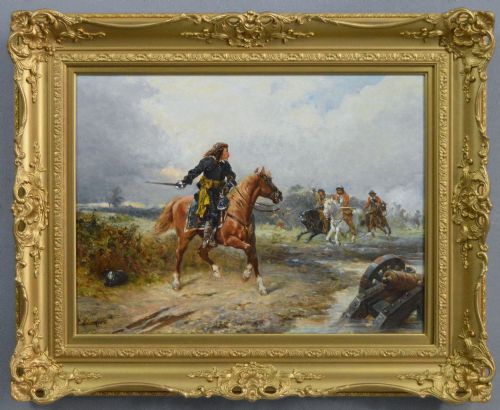
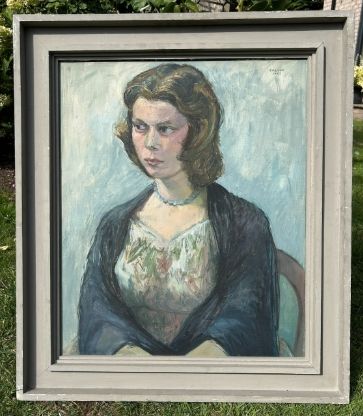
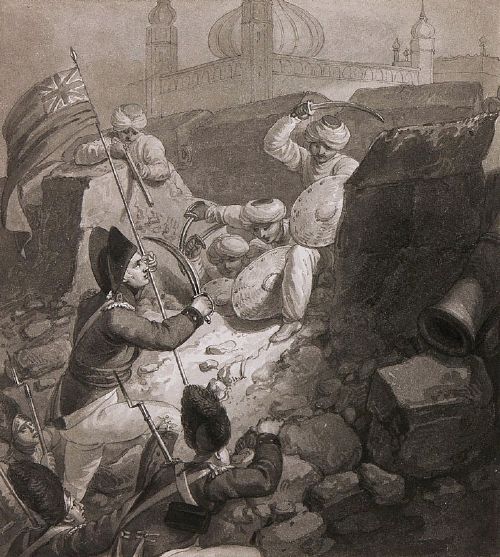
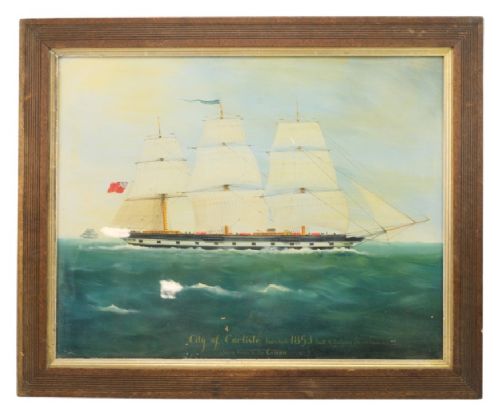
Makers utilised traditional artistic mediums including oil on canvas, watercolour, gouache, pen and wash, and reverse glass printing to record campaigns and portraits. Many works rely on precise ink drawing or wood engraving to capture the intricate details of uniforms, naval vessels, and battle formations.
Three-dimensional pieces demonstrate meticulous handcrafting techniques, employing carved hardwoods for tribal weaponry and delicate bone or straw work for prisoner-of-war whimsies and boxes. Shell cases from artillery engagements were routinely repurposed and chased by hand to create trench art vessels.
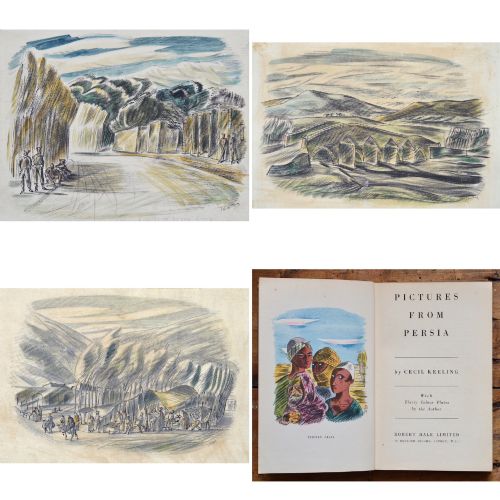
The survival of these pieces depends upon the stability of their constituent materials, from canvas stretchers and panel supports to worked bone and brass metalware. Surviving works often display the specific technical conventions of their respective decades, whether the wash techniques of the eighteenth century or the charcoal and pastel sketches of wartime artists.
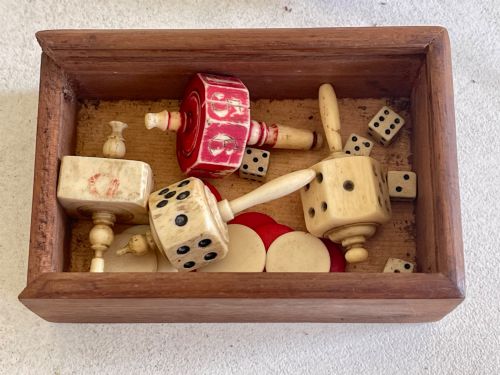
Napoleon's face gazes from woven silk embroidery while carved bone teetotums spin out centuries-old prisoner games.
What Varies in Quality
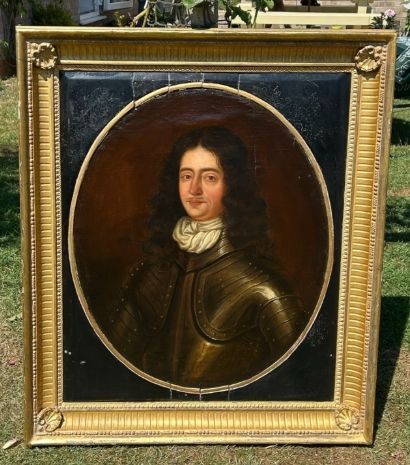
The standard of execution in visual representations depends on the artist's ability to render anatomical proportion, uniform accuracy, and atmospheric perspective during active campaigns. Firsthand depictions drawn or painted on location by artist-soldiers generally command greater historical appreciation than later retrospective copies.
In three-dimensional objects, quality manifests in the intricacy of the carving and the cleverness of construction, particularly in constrained environments such as prisoner-of-war camps. The preservation of delicate organic elements, such as straw inlay and carved bone joints, directly influences the standing of a surviving piece.
Provenance and documented attribution to a specific regiment, action, or named creator elevate individual items above standard workshop production. The clarity of signatures, dated inscriptions, and well-traced campaign histories distinguish exceptional archival survivals from ordinary decorative examples.
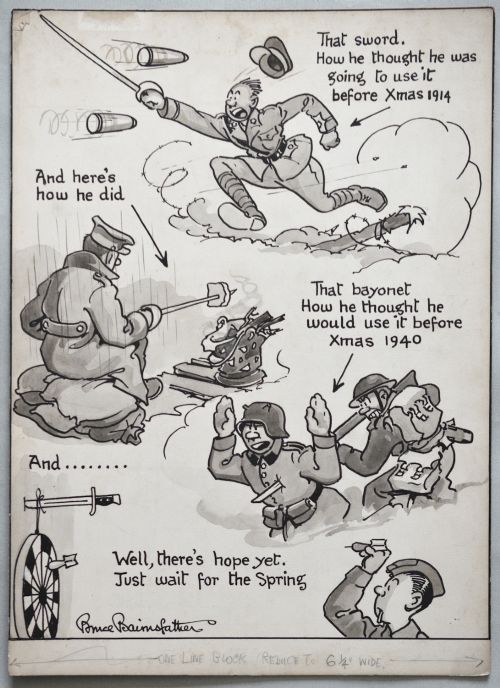
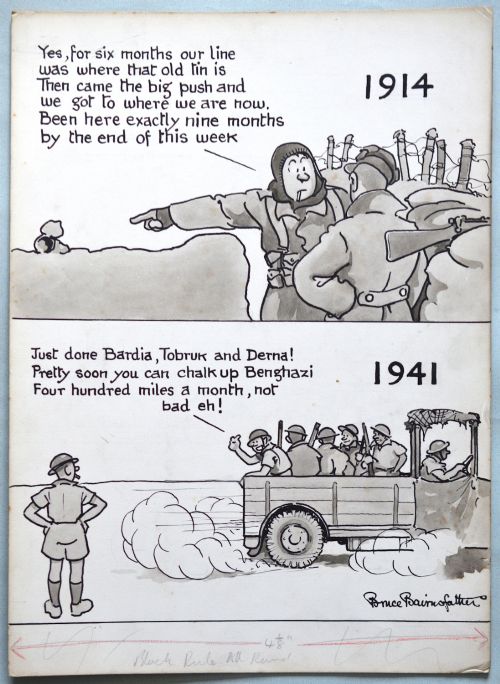
Bruce Bairnsfather·William Marshall Craig·Gaston Cornil·Leopold Halvoet·Ernest Crofts
The Antique War Art Glossary
- Trench art
- Objects made by soldiers, prisoners, or civilians from war debris and manufactured munitions. These pieces include engraved shell cases and items fashioned in frontline conditions.
- Reverse glass print
- An image painted or transferred onto the underside of a glass sheet for display. This technique protected the delicate pigments from atmospheric degradation.
- Knobkerrie
- A traditional wooden striking or throwing club originating from Southern Africa. They feature a heavy ball or knob at the end of a solid wooden shaft.
- Pen and wash
- An illustrative technique combining ink line work with diluted watercolour or bistre washes for tonal depth. It was widely used for rapid campaign sketching and finished studies.
Antique War Art: Frequently Asked Questions
What is trench art?
Trench art comprises decorative and utilitarian objects fashioned by combatants, prisoners, and civilians from the detritus of battlefields. Common materials include brass shell cases, shrapnel, and bullets.
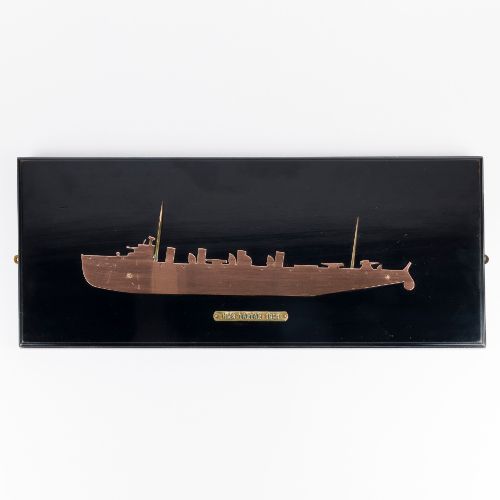
Makers utilised simple hand tools to engrave, shape, and solder these scavenged metals into items such as vases, lighters, and model battleships during lulls in combat.
How were prisoner of war items made?
Detained soldiers and sailors during conflicts like the Napoleonic Wars constructed intricate items using whatever scant materials they could acquire. Beef bone, straw, and scraps of wood were fashioned into gaming pieces, boxes, and detailed models.
These objects display remarkable patience and ingenuity, often utilising rudimentary homemade tools to achieve fine decorative finishes.
What distinguishes reverse glass prints?
Reverse glass printing involves applying an image directly to the rear surface of a glass panel so that the finished picture is viewed through the transparent pane. This method imparted a distinct glossy finish and protected the fragile pigments underneath.
Publishers frequently employed this technique for commemorative portraits of military commanders and depictions of notable naval engagements.
How do I care for works on paper?
Watercolours, drawings, and prints require protection from direct sunlight and excessive humidity to prevent fading and paper degradation. Framing should utilise acid-free materials and UV-filtered glazing.
Maintaining stable environmental conditions in rooms with minimal temperature fluctuations ensures these delicate historical documents survive intact.