



Antique Walnut Upholstered Couch
An antique walnut upholstered couch offers enduring comfort through solid timber frames and soft textile coverings.
Antique Walnut Upholstered Couch
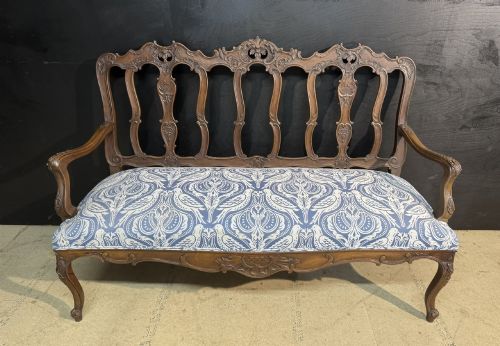
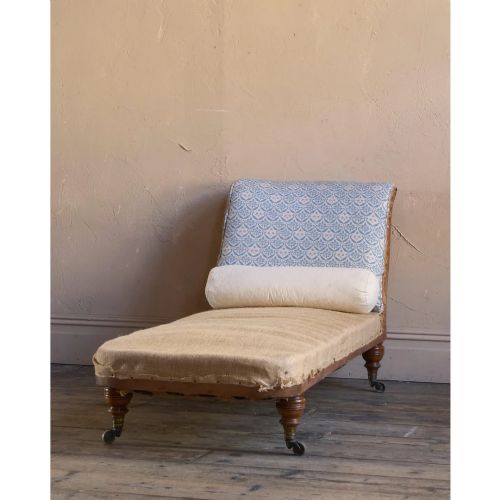
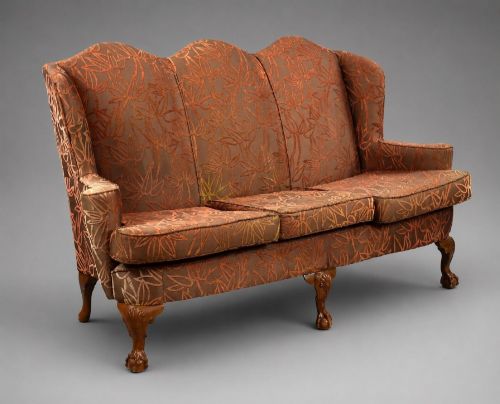
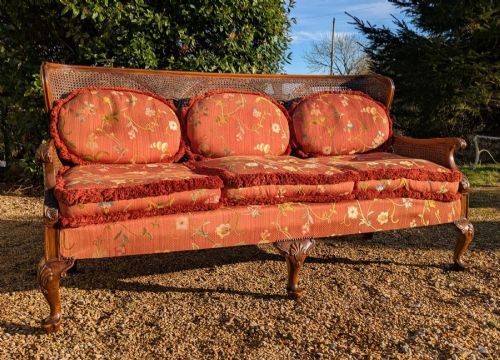
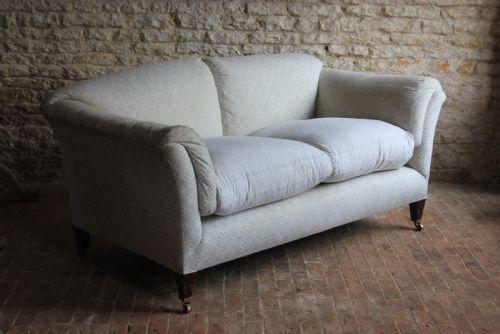
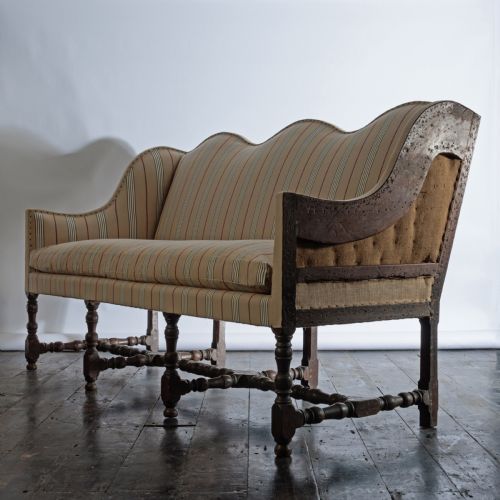
When searching for an antique walnut upholstered couch, buyers encounter a variety of forms spanning multiple centuries, including settee, sofa, and chaise longue designs. The evidence reveals pieces originating from the nineteenth century, Victorian era, and Edwardian period alongside revival styles like Queen Anne and Louis XV. Most examples combine a walnut frame with textile upholstery, ranging from button-back Victorian Chesterfields to low-slung daybeds.
Makers such as Howard and Sons appear within the record alongside country house seating and continental designs featuring marquetry or carved details. A buyer is likely to meet pieces supported on turned walnut legs or demonstrating open arm structures typical of nineteenth-century production. Forms vary from small two-seater settees to large three-seat couches and daybeds designed for reclining.
How They Were Made
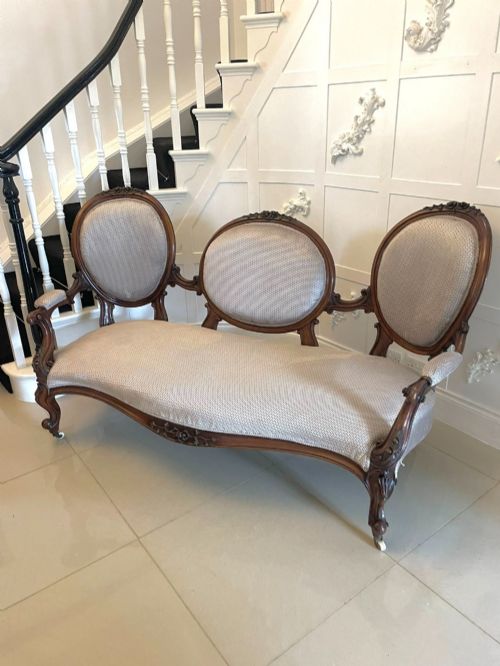
The construction of these seats relies primarily on solid walnut timber frames, often carved with rococo curves or shaped in the Queen Anne and George II styles. Artisans shaped the wood to form open arms, cameo backs, and turned legs that support the seating structure.
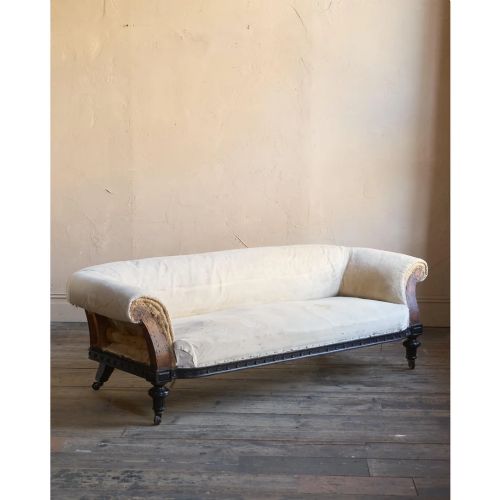
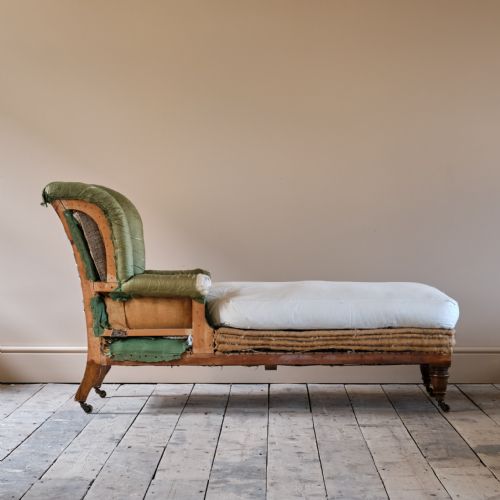
Upholstery techniques involve securing textiles like cotton, velvet, and fabric over internal padding and support materials such as hessian. Certain pieces incorporate feather cushions, brass details, or cane panels alongside traditional textile coverings to complete the seating area.
The listings feature walnut framed seating spanning from the seventeenth century through to the Edwardian period.
What Varies in Quality
Quality in these couches rests upon the integrity of the walnut frame and the precision of the carved details or inlaid marquetry. Pieces from notable makers or specific country house origins demonstrate superior cabinetmaking, where timber selection and structural joinery remain robust over generations.
The standard of upholstery and the choice of textile coverings also distinguish examples across the range. Finer pieces retain harmonious proportions in styles such as Louis XV or Regency, while simpler country house models prioritize sturdy daily utility.
Howard and Sons
The Antique Walnut Upholstered Couch Glossary
- Walnut
- A dense, dark hardwood prized for furniture making throughout the eighteenth and nineteenth centuries. It takes fine carving and displays a rich grain.
- Chaise Longue
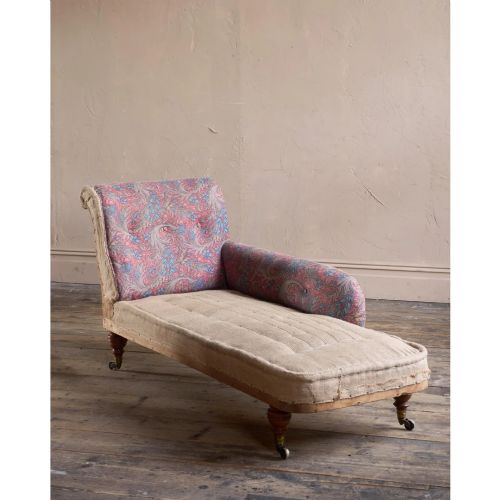
- An elongated chair or daybed designed for reclining, combining elements of a sofa and a single chair. These pieces often feature a single raised end for the head.
- Settee
- A medium-length wooden seat with upholstered back and arms, designed to accommodate multiple sitters. The form bridges the gap between an armchair and a full sofa.
- Chesterfield
- A traditional upholstered sofa style characterised by deep button tufting and rolled arms of equal height to the back. These seats appear in various nineteenth-century contexts.
- Hessian
- A coarse woven fabric, typically made from jute fibres, utilised as a foundation material beneath the top upholstery layers of antique seating.
Antique Walnut Upholstered Couch: Frequently Asked Questions
How do I identify a Victorian walnut couch?
Victorian examples often display dark walnut frames with carved cameo backs or button upholstery. Many pieces from this era take the form of double-end settees or chaise longues.
Look for turned wooden legs and characteristic revival styles such as Rococo or Aesthetic influences. The proportions generally reflect mid-to-late nineteenth-century domestic seating habits.
What is the difference between a settee and a sofa?
Historically, a settee describes a lighter wooden seat with an upholstered back and arms for two or more people. A sofa often implies a larger, fully upholstered piece designed for heavier lounging.
In older listings, however, makers and sellers frequently used these terms interchangeably. Examining the exposed woodwork helps determine the specific form.
Where were daybeds placed in older homes?
Daybeds and chaise longues served as versatile resting furniture in drawing rooms, bedrooms, or private studies. They allowed occupants to recline during the day without retiring to a bed.
Their placement often made use of natural light near windows or formal reception spaces. Many featured single or double scrolled ends to support the head.
How do I care for walnut wood frames?
Walnut timber frames require gentle dusting with a dry, soft cloth to maintain the polished surface. Avoid placing antique seating near direct heat sources or strong sunlight, which can dry out the wood.
Conditioning the timber occasionally preserves the natural grain and colour without damaging surrounding textiles. Professional conservation is recommended for deep structural maintenance.