


Antique Walnut Craft Table
An antique walnut craft table brings rich timber grain and honest utility into a room, offering a sturdy surface designed for practical domestic work.
Antique Walnut Craft Table
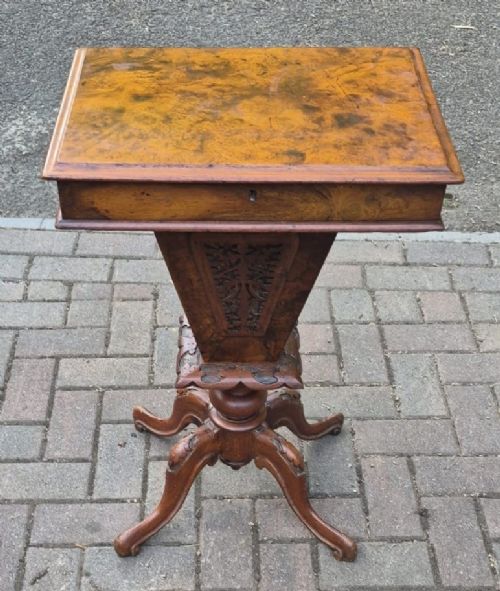
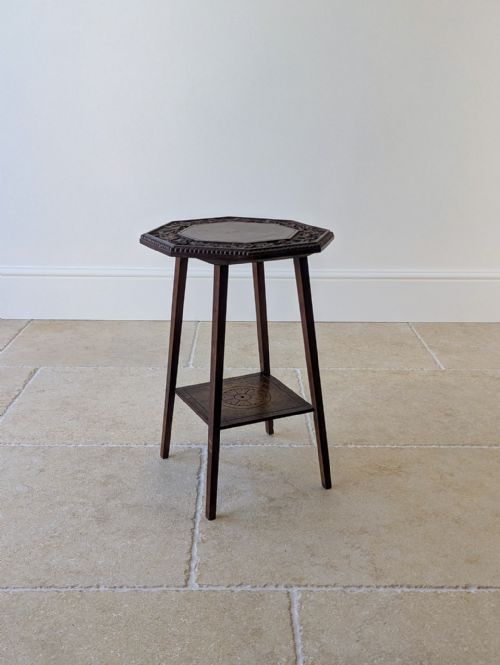
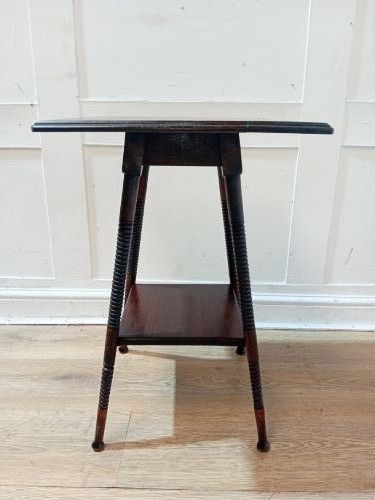
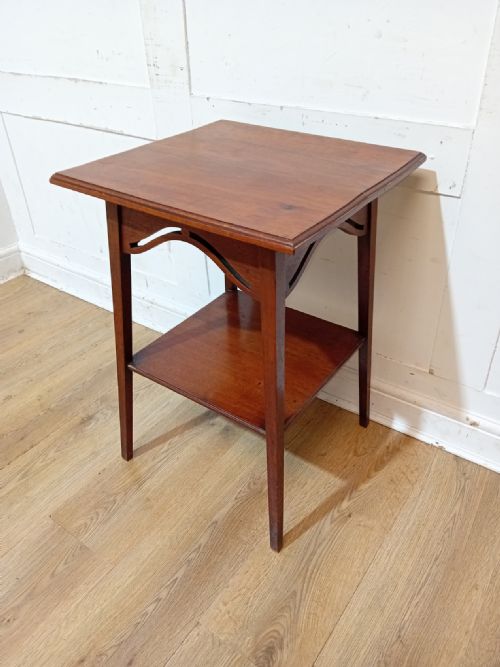
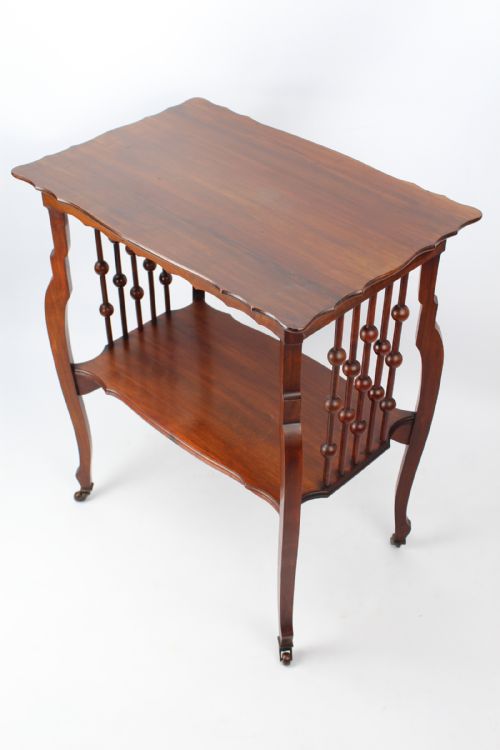
The selection ranges from simple two-tier occasional surfaces to multifaceted sewing and games tables incorporating clever storage compartments. Makers utilised rich timber figures, producing forms that served practical hobby and writing purposes alongside decorative parlor functions.
How they were made
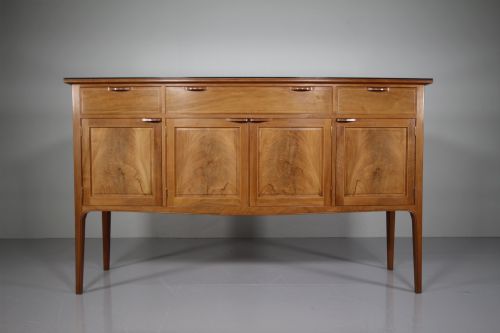
Craftsmen built these pieces predominantly using solid walnut and burr walnut veneers, occasionally combining them with oak or stained hardwood for internal structures. Selected timbers display distinctive grain patterns, shaped and joined using traditional methods suited to domestic furniture.
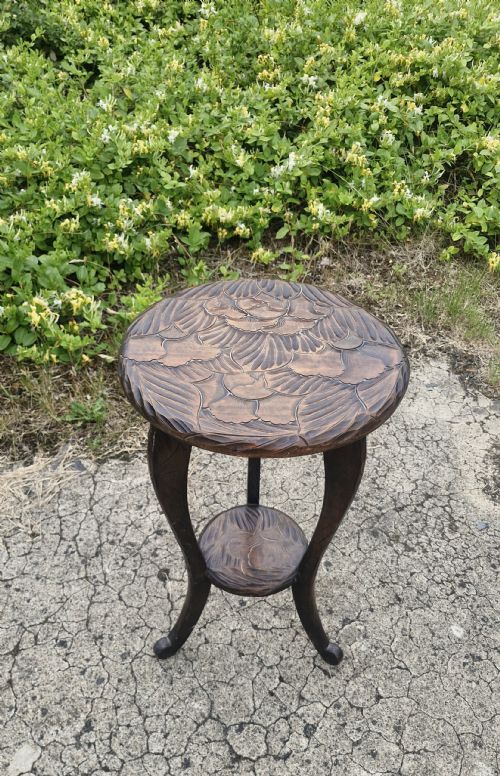
Surfaces often feature hand carving and brass hardware, while certain pieces incorporate fabric elements for specialised work compartments. Construction reflects the structural honesty championed by the Arts and Crafts and Aesthetic movements, prioritizing solid joinery over superficial ornament.
Listings span the Victorian era, 1880, 1890, 1900, 1910, and 1930, utilising walnut, burr walnut, oak, and brass.
What varies in quality
Quality reveals itself in the selection of timber veneers and the crispness of hand-carved details, distinguishing standard production from superior workshops. Superior examples exhibit thoughtful proportion, harmonious grain matching on burr walnut surfaces, and robust framing.
The integration of functional elements, such as smoothly operating drawers in writing or sewing tables, marks the difference between basic utility items and finer workshop commissions. The presence of documented retail or maker attribution further elevates the standing of a piece.
Liberty of London·William Birch·Lambs of Manchester·Liberty and Co
The Antique Walnut Craft Table Glossary
- Burr walnut
- A highly figured timber veneer sliced from the growth excrescences of walnut trees. It yields swirling, organic patterns prized for table tops and panel surfaces.
- Arts and Crafts
- A design movement emphasising handcraftsmanship, simple forms, and traditional materials. It rejected mass production in favor of honest construction.
- Occasional table
- A small, movable table designed for general utility rather than a single fixed purpose. These pieces populated Victorian parlors and sitting rooms.
- Work table
- A specialised piece of furniture featuring compartments or fabric bags for sewing and needlework. They combine a writing or display surface with internal storage.
- Aesthetic Movement
- A late nineteenth-century style focusing on art for art's sake and Japanese design influences. Furniture from this movement often exhibits clean lines and refined proportions.
Antique Walnut Craft Table: Frequently Asked Questions
How were antique craft tables originally used?
These tables served various domestic tasks, functioning as dedicated surfaces for sewing, needlework, hobbies, and informal writing. Their multi-tier designs and internal compartments kept tools close at hand in Victorian and Edwardian sitting rooms.
Over time, many of these versatile pieces transitioned into general occasional furniture, appreciated just as much for displaying objects as they were for practical handiwork.
How do I date an Arts and Crafts walnut table?
Dating relies on stylistic clues, construction techniques, and materials recorded across the Victorian and Edwardian periods. Pieces aligning with the Arts and Crafts movement typically date from the late nineteenth century to the early twentieth century.
Examining the joinery, secondary timbers, and hardware helps narrow down the decade of production. Documentation or retailer stamps can also provide a clear timeframe.
Where should I place an occasional table at home?
A compact walnut table suits living rooms, hallways, or studies as a functional surface beside seating. Their relatively small footprints allow them to fit easily into corners or tight spaces.
Consider pairing a two-tier or octagonal version where its grain and carved details can be appreciated without obstructing daily movement.