




Antique Wall Signage
Antique wall signage carries the bold lettering of commerce, streets and public institutions into domestic spaces.
Antique Wall Signage
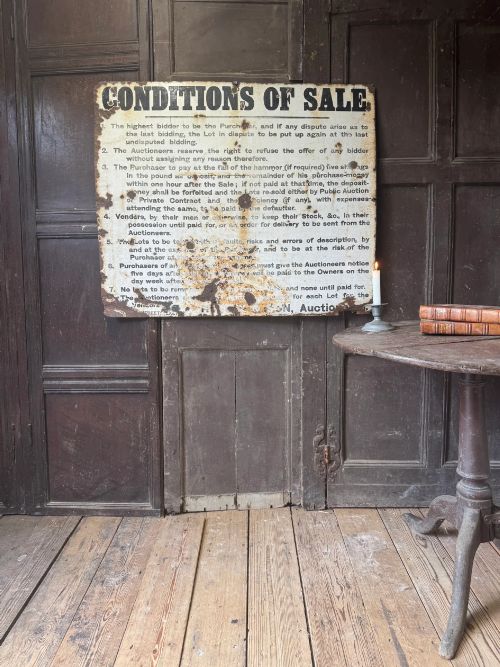
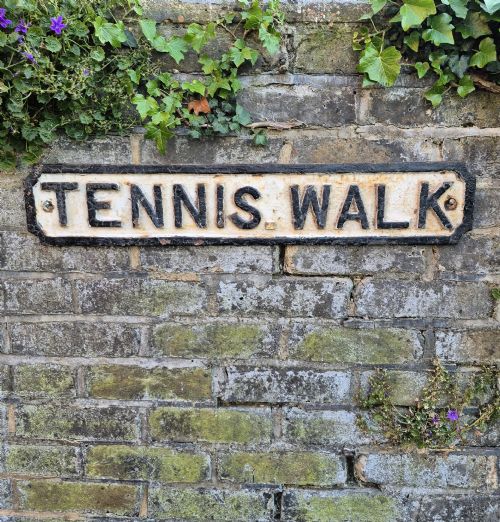
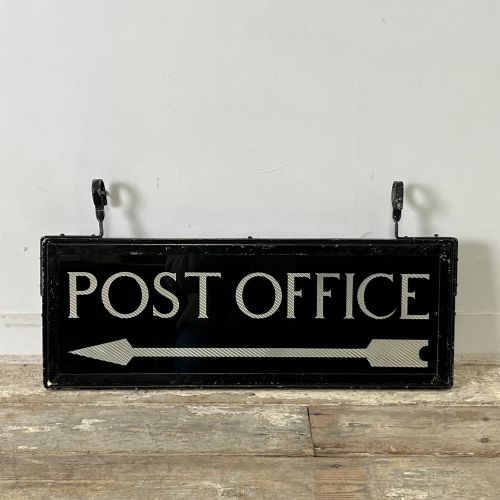
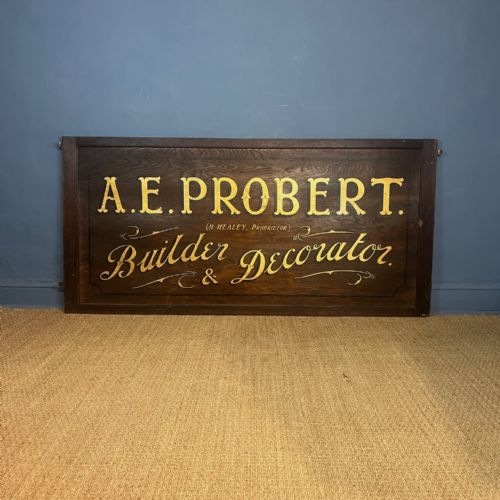
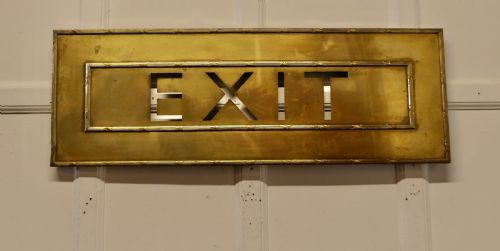
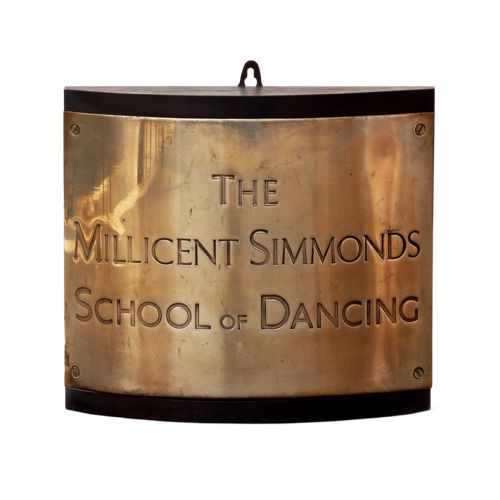
Antique wall signage encompasses trade boards, enamel advertising, street markers and painted notices from the nineteenth and twentieth centuries. These pieces served practical functions in shops, offices and public thoroughfares before finding a place in interior decoration.
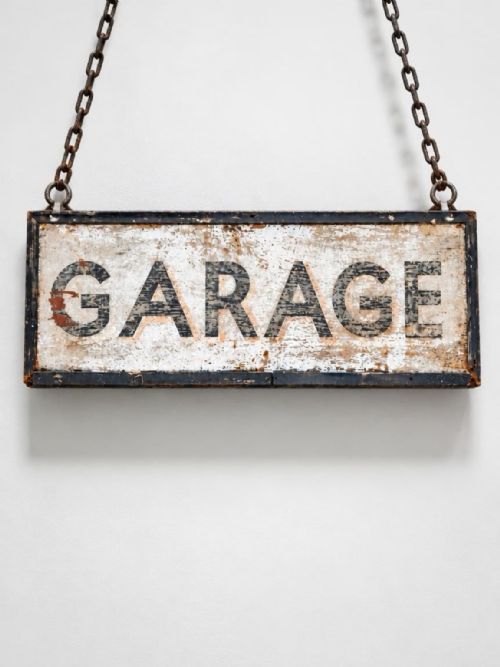
The versions most common on this page span the Victorian era through the mid-century, capturing the industrial and commercial shifts of those periods. They appear in forms ranging from hanging iron pub boards to reverse-painted glass and carved pine trade indicators.
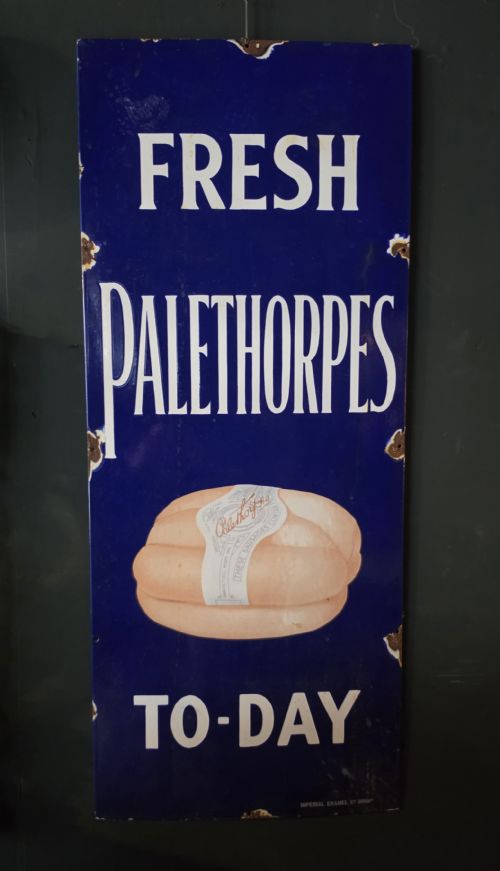
The selection includes specialised items such as ecclesiastical texts from tin tabernacles, pawnbrokers' symbols and enamel sausage advertisements. Each object preserves a distinct fragment of civic or commercial history through its lettering and material.
How they were made
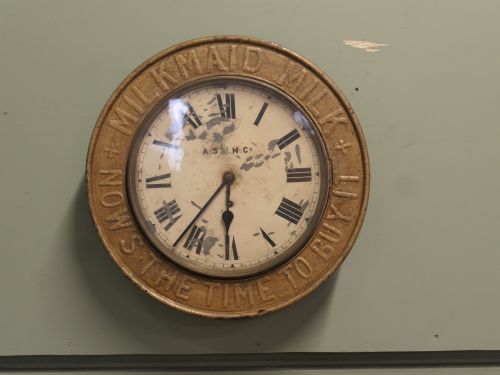
Makers relied on durable materials suited to exterior display, utilising sheet iron, cast iron, oak, pine and heavy glass. Vitreous enamel provided a glossy, weather-resistant surface for advertising boards, fused to metal at high temperatures.
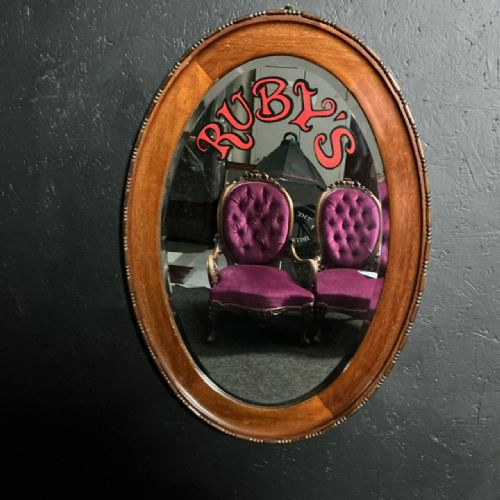
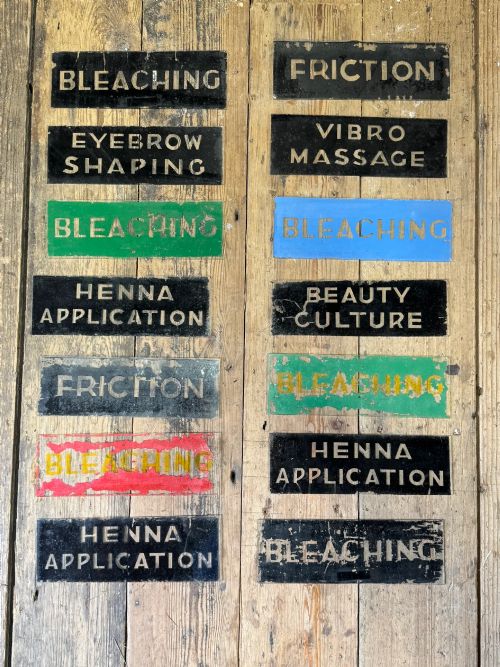
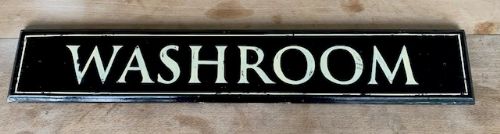
Lettering and imagery were applied through hand painting, reverse painting on glass, embossing or beaten copper panels. Wooden boards featured carved or painted typography, while ironwork utilised traditional casting and smithing techniques.
Antique Wall Signage Retail Price Guide 2026
Typical asking prices for wall signage among the pieces listed under this phrase on Sellingantiques today, from the lower quarter to the upper quarter. They describe what is for sale here now, not the wider market.
Palethorpes sausage advertising survives to remind us that breakfast meats once demanded the finest vitreous enamel signage.
What varies in quality
Quality rests in the crispness of the original typography, the integrity of the substrate and the survival of the surface finish. Signs with bold, legible lettering and stable paint or enamel retain greater visual impact than those with extensive later repainting.
The complexity of manufacture also dictates standing, distinguishing standard mass-produced enamel plates from specialised reverse-painted glass collections or beaten copper panels. Original mounting brackets and double-sided framing enhance the integrity of hanging trade pieces.
The Antique Wall Signage Glossary
- Vitreous enamel
- A material made by fusing powdered glass to a substrate by firing, creating a durable and glossy surface often used for exterior advertising.
- Reverse-painted glass
- A technique where the design is applied to the back side of the glass plate, viewed through the front to produce a lustrous finish.
- Tin tabernacle
- A prefabricated corrugated iron church building popular in the nineteenth century, housing distinctive interior signage and religious texts.
- Vitriolite
- An opaque structural glass popular in the early twentieth century for storefronts and architectural signage.
- Trade sign
- A board or symbol displayed outside a shop or business to indicate the trade or profession practiced within.
Antique Wall Signage: Frequently Asked Questions
How do I hang heavy iron signs?
Heavy iron and cast signs require secure fixings into structural wall studs or masonry rather than standard plasterboard anchors. Use appropriate load-bearing brackets that match the original hanging points of the piece.
Ensure the weight is distributed evenly across the fixings to prevent strain on the antique metalwork or wooden backingboards during display.
How should I clean antique painted signs?
Clean painted wooden and metal surfaces gently with a dry microfibre cloth to remove surface dust without disturbing the historic finish. Avoid harsh chemical cleaners or abrasive scouring pads that can strip original lettering.
Test any moisture on a hidden corner if cleaning is strictly necessary, as old paint layers can be fragile and prone to flaking.
Can enamel signs be displayed outdoors?
Enamel advertising signs were originally designed for exterior use and tolerate weather better than wood or paper, but modern exposure can accelerate corrosion around mounting holes and edges. Displaying them indoors preserves the remaining gloss and prevents rust from spreading.
If placed outside, protect the piece from standing water and severe frost to maintain its current condition.
What is a tin tabernacle sign?
Tin tabernacle signs originate from corrugated iron churches built during the Victorian period, often featuring painted religious texts or educational boards used inside these temporary sanctuaries. They reflect the utilitarian architecture and communal life of the late nineteenth century.
These pieces bring a distinct ecclesiastical and industrial aesthetic to domestic interiors due to their unusual origins.