




Antique Wall Mounted Storage
These pieces of antique wall mounted storage turn neglected vertical space into characterful compartments for coats, books and crockery.
Antique Wall Mounted Storage
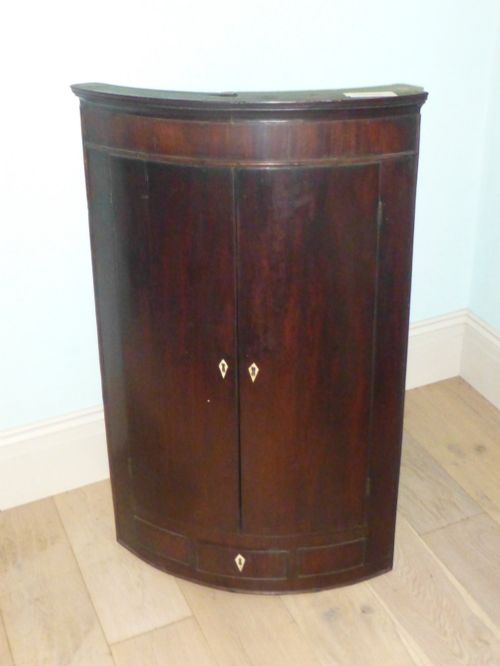
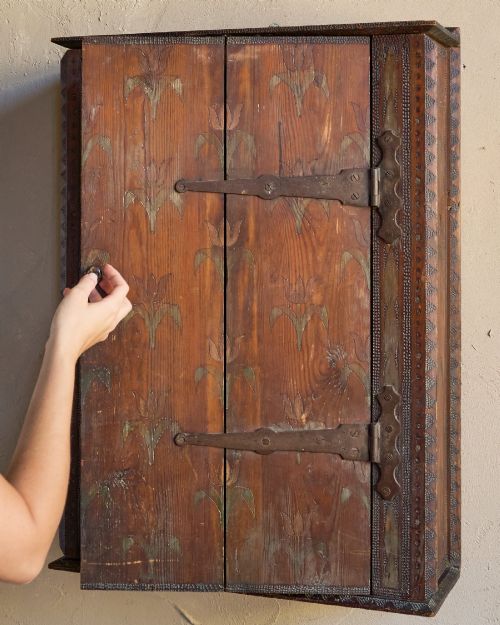
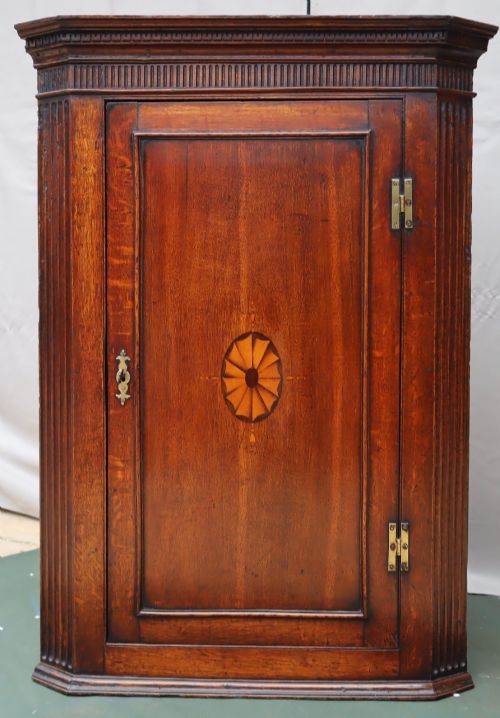
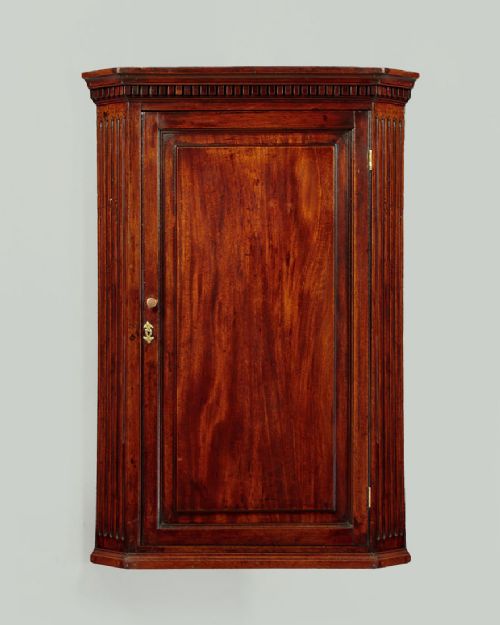
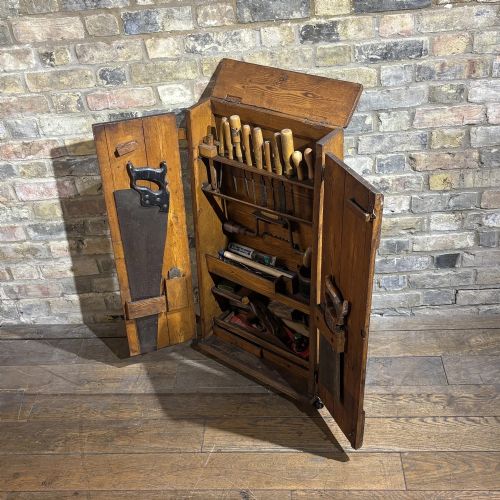
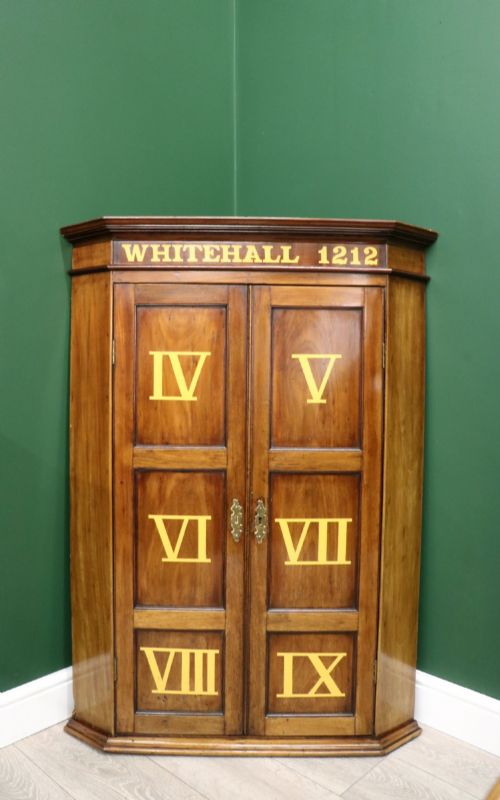
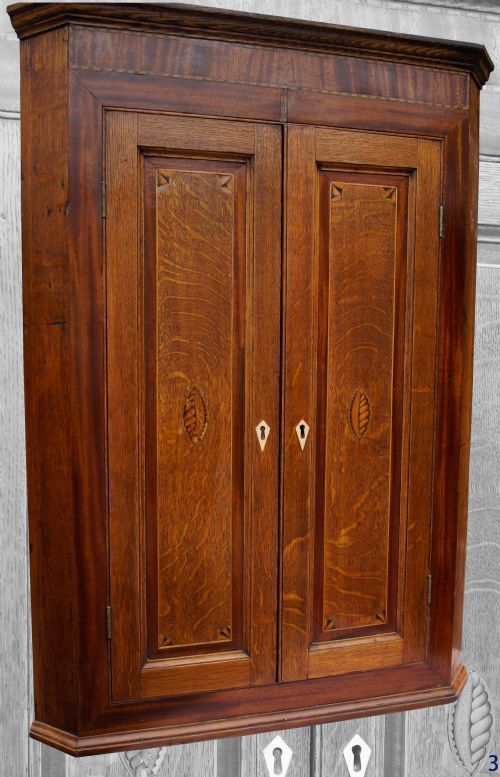
Corner cupboards dominate the available forms, utilising dead angles in historic interiors with single or double doors, sometimes finished with bow fronts. Alongside these architectural fixtures, wall shelves and smaller display units provide accessible storage for everyday items without encroaching on floor area.
The materials reflect the domestic requirements of their respective periods, ranging from utilitarian pine and sturdy oak to richly grained mahogany and walnut. Pieces span from the structured symmetry of the eighteenth century down to the industrial utility of the early twentieth century.
Materials and Construction
Cabinet makers relied heavily on hardwoods such as oak, mahogany and walnut for principal structures, often employing pine as a secondary timber for internal shelving and backs. Surface treatments range from clear wax finishes highlighting natural grain to painted surfaces and decorative flame veneers.
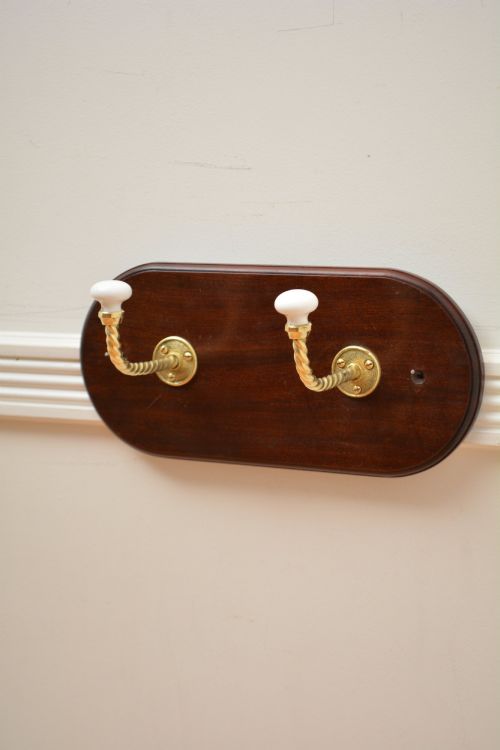
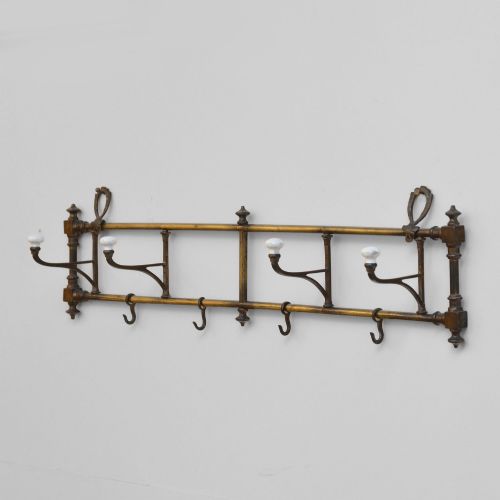
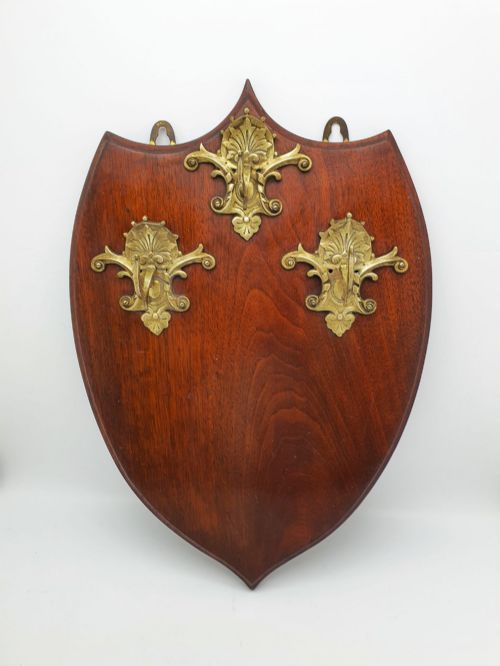
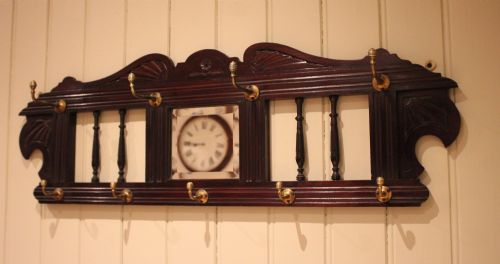
Hardware played a vital structural and aesthetic role, incorporating cast brass coat hooks, functional hinges and key escutcheons secured directly to timber carcasses. Joinery techniques varied from hand-cut dovetails in drawers to pegged mortise and tenon joints on heavier eighteenth-century corner cupboards.
Antique Wall Mounted Storage Retail Price Guide 2026
Typical asking prices for wall mounted storage among the pieces listed under this phrase on Sellingantiques today, from the lower quarter to the upper quarter. They describe what is for sale here now, not the wider market.
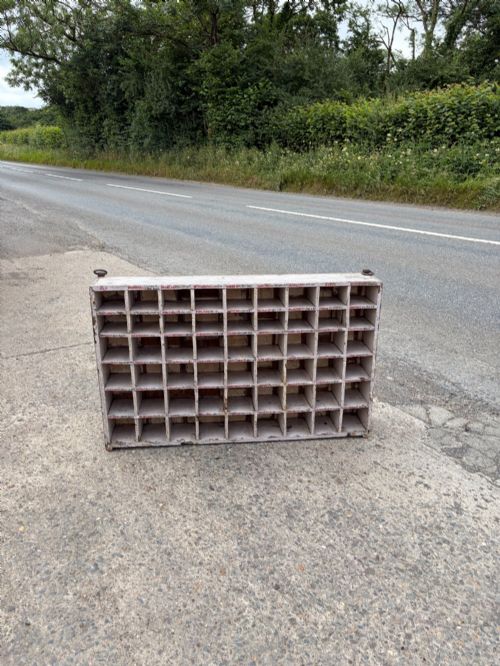
Railway staff once sorted daily tickets in small compartments remarkably similar to the domestic pigeon holes found in this collection.
Distinction in Craft
Quality separates utilitarian utility items from refined domestic furniture through the selection of timber and the precision of the joinery. Superior pieces display carefully matched grain patterns, such as flame mahogany veneers or well-figured oak panels, combined with integrated architectural mouldings.
The integrity of original brass fixtures, working locks with matching keys, and untouched patination on the wood surfaces elevate an example above later assembled or heavily restored alternatives.
The Antique Wall Mounted Storage Glossary
- Bow front
- A convex, outwardly curved front section common on Georgian corner cabinets and cupboards. This curved design softens room angles and adds visual depth to smaller wall-hung units.
- Pigeon holes
- A series of small, stacked compartments used for sorting documents, tickets or letters. These practical organizers are frequently found in utility or office pieces from the nineteenth and early twentieth centuries.
- Hall tree
- A tall wall-mounted or freestanding unit incorporating hooks and mirrors for outerwear and accessories. They were essential furniture for organising entranceways in Victorian homes.
- Whatnot
- An open set of multi-tiered wall shelves designed for displaying ornaments and books. They utilise vertical space to exhibit decorative collections without taking up floor space.
Antique Wall Mounted Storage: Frequently Asked Questions
How do I hang a heavy antique corner cupboard safely?
Heavy antique wall mounted storage units require secure fixing directly into structural wall studs or masonry using appropriate heavy-duty fixings. Distributing the weight across multiple points ensures the historical timber frame remains unstressed over time.
Consulting a professional installer is recommended for older hardwood pieces, particularly large oak or mahogany corner cupboards that carry substantial weight even when empty.
Can antique wall cabinets support modern book weights?
Many older wall shelves and cabinets were built to hold lighter household items, ceramics or small volumes rather than dense modern textbooks. Checking the thickness of the shelves and the strength of their internal supports helps determine appropriate daily usage.
Distributing books evenly across the available surface prevents sagging in antique timber boards that have dried over centuries.
How do I identify a Georgian corner cupboard?
Georgian pieces typically exhibit traditional joinery such as hand-cut dovetails, fielded panels, and timber species like native oak or imported mahogany. Brass H-hinges and original working locks with matching keys further indicate eighteenth-century origin.
Proportions tend to follow classical architectural rules, often featuring dental moulding or stepped cornice details at the top of the cabinet.
Are these pieces suitable for bathrooms or kitchens?
Historic timbers react to high humidity and temperature fluctuations, making spaces like bathrooms challenging environments for unsealed antique woods. Placing wall cabinets in drier living areas, hallways or bedrooms preserves the original finish and structural glue.
Kitchen usage is possible if the units are kept away from direct steam exposure and treated with suitable protective wax.