

Antique Wall Dial
An antique wall dial brings together utilitarian precision and domestic presence, offering a reliable timekeeper rooted in railway stations, schools, and parlours.
Antique Wall Dial
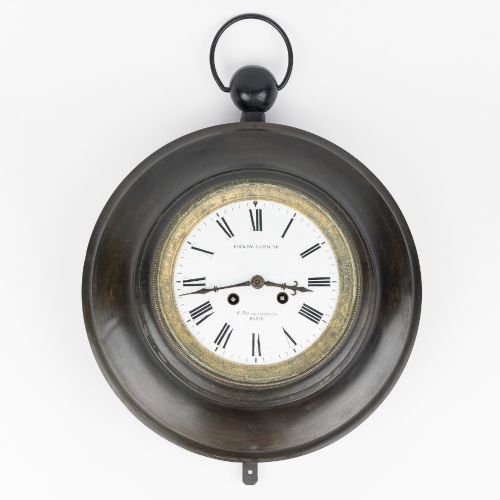
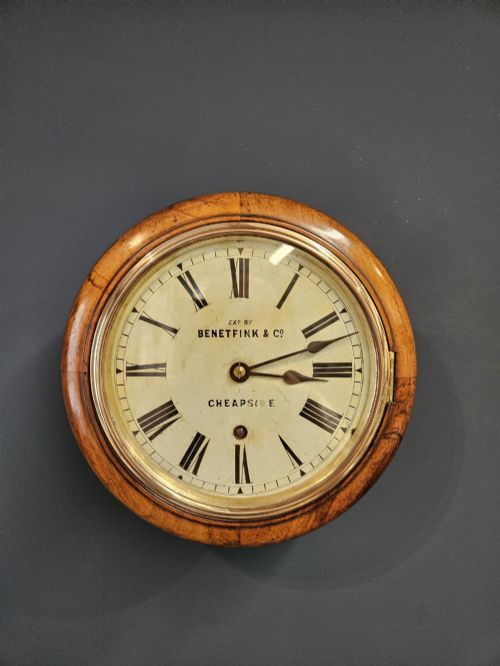
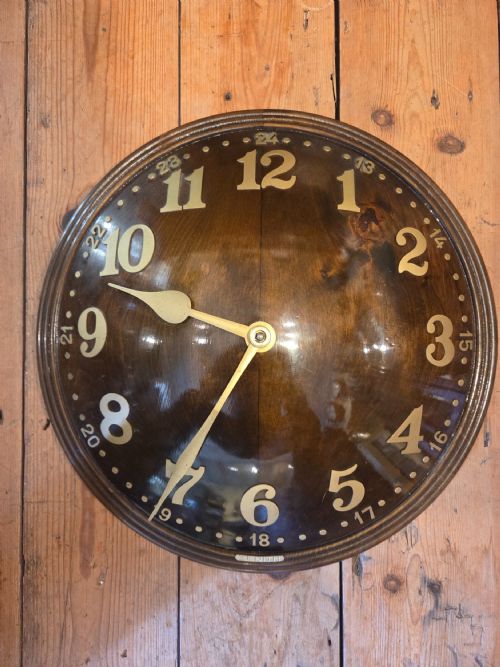
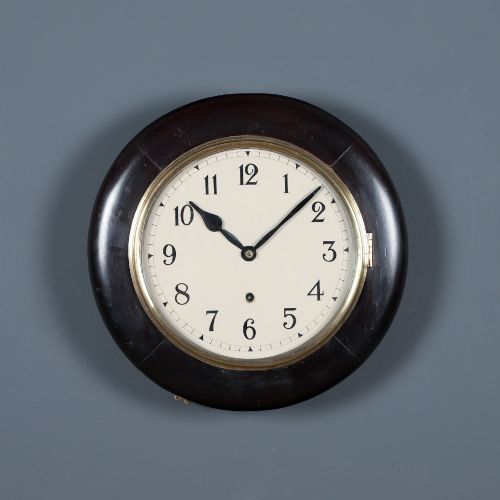
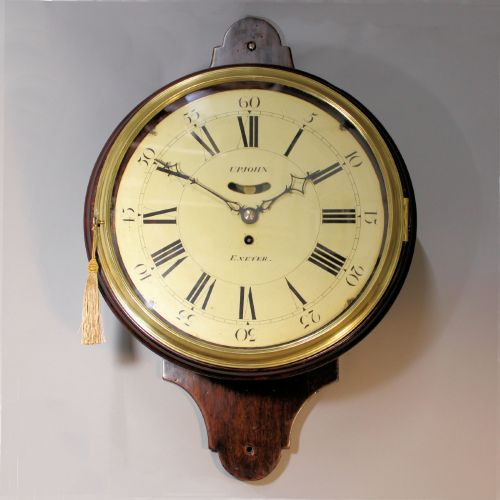
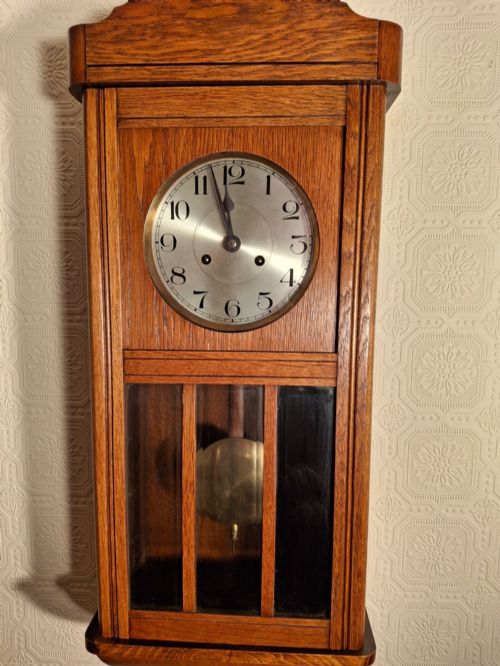
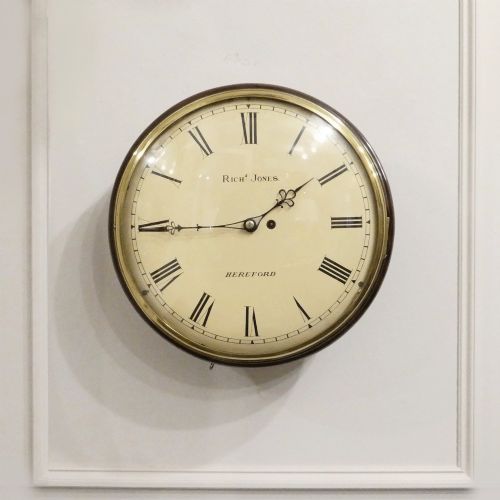
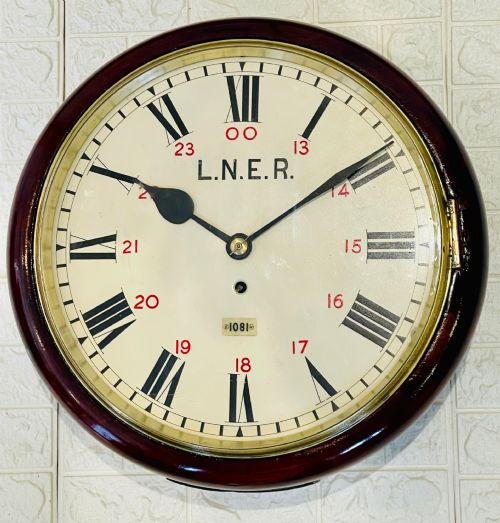
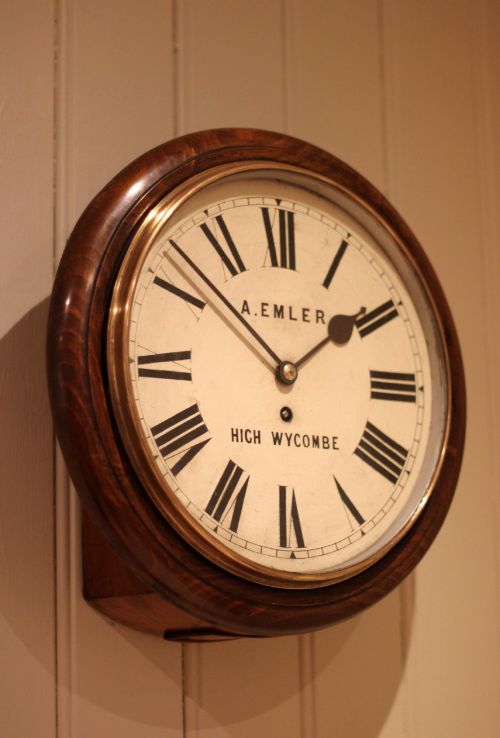
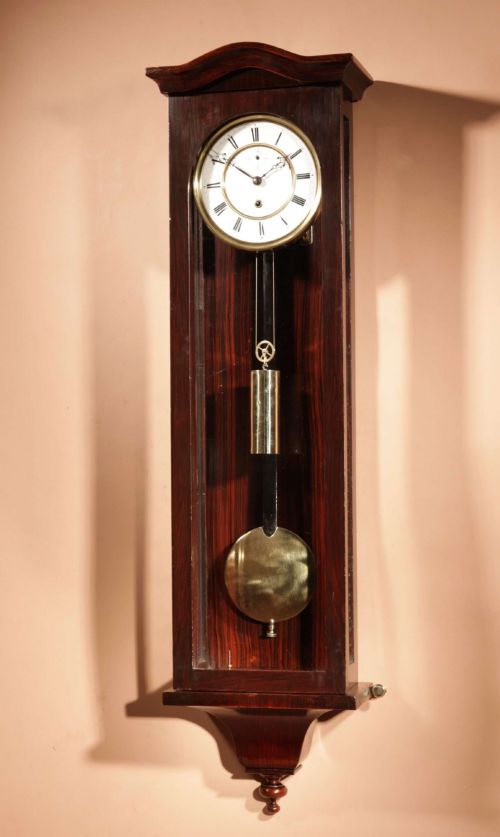
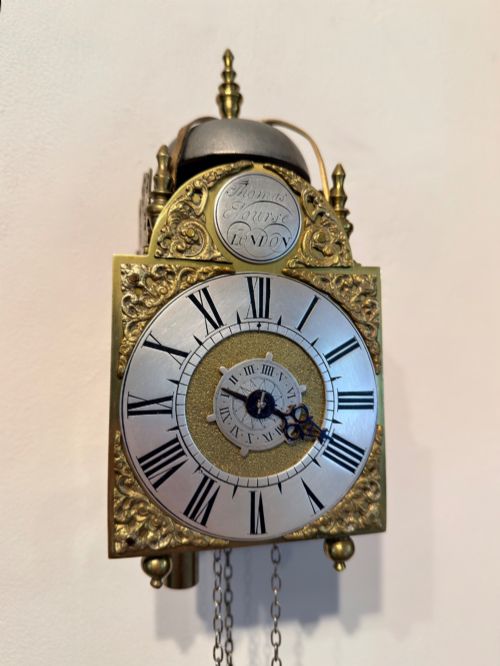
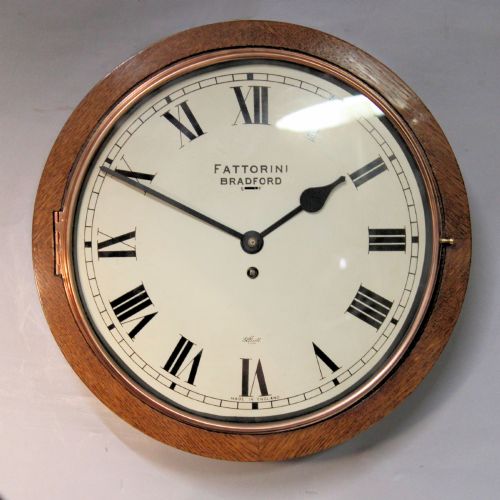
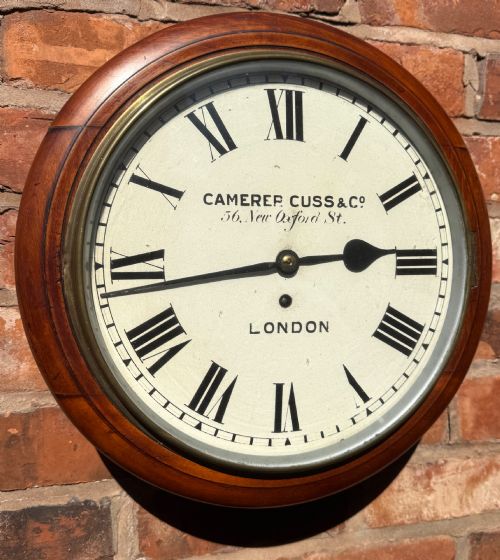
When you search for an antique wall dial, you are examining timepieces built for visibility and dependable service in public spaces, offices, and homes. The most common examples on this page take the form of round-faced wall clocks and drop dial clocks housed in timber surrounds.
These pieces emerge across the Georgian, Victorian, and Edwardian periods, stretching into the early twentieth century with railway and school timepieces. Form follows function closely, resulting in bold painted faces designed to be read from a distance.
Originating from British provincial makers as well as larger institutional networks, these dials reflect regional craftsmanship and practical design. They range from compact eight-inch domestic pieces to substantial station clocks measuring sixteen inches across or more.
How they were made
Makers constructed the timber cases using mahogany, oak, and walnut, frequently selecting durable hardwoods to protect the delicate movement within. Brass components formed essential parts of the mechanical gear trains and bezels, while iron provided structural strength for larger station models.
Dial faces were traditionally fashioned from painted metal, wood, or brass, often protected beneath curved glass panes. Fusee movements, chain-driven or cord-driven, were employed to maintain even tension and consistent timekeeping as the mainspring unwound.
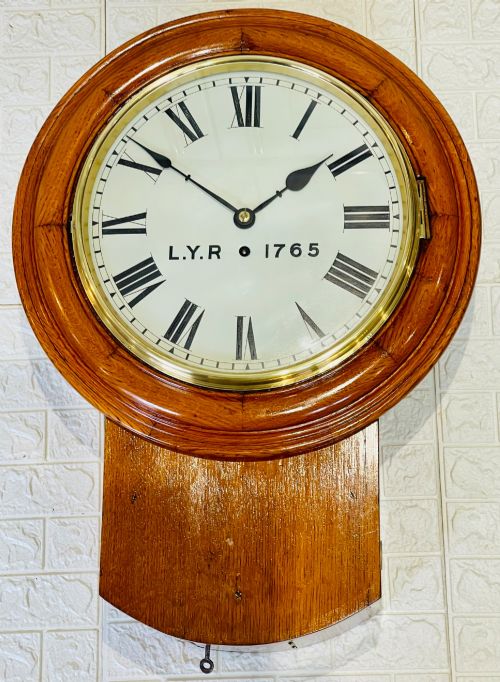
The listings demonstrate a strong presence of mahogany and oak drop dial clocks originating from nineteenth-century British railway networks.
What varies in quality
The sophistication of the internal movement dictates much of the standing of an antique wall dial, with fusee gear trains generally representing superior construction compared to simpler spring-driven alternatives. The crispness of the original hand-painted dial lettering and the precision of the timber case joinery also mark the distinction between standard utility items and finer workshop commissions.
Provenance and original context play a significant part, as documented railway and institutional pieces carry specific historical associations. Furthermore, the integrity of the timber, the presence of matching numbers on the dial and movement, and the retention of original brass bezels separate well-preserved examples from heavily altered ones.
Camerer Cuss And Co·Ansonia·Smiths·Henry Harris·D And J Wellby
The Antique Wall Dial Glossary
- Fusee
- A conical pulley used in clock movements to equalize the declining power of the mainspring as it runs down. This mechanism ensures steady force is delivered to the escapement for accurate timekeeping.
- Drop dial
- A wall clock featuring an extended lower case beneath the circular dial, often housing a pendulum box. This shape accommodated the longer drop required by certain weight-driven or fusee movements.
- Dial clock
- A wall-mounted timepiece dominated by a prominent face with minimal surrounding woodwork. They were widely utilised in railway offices, public houses, and schools.
- Aneroid barometer
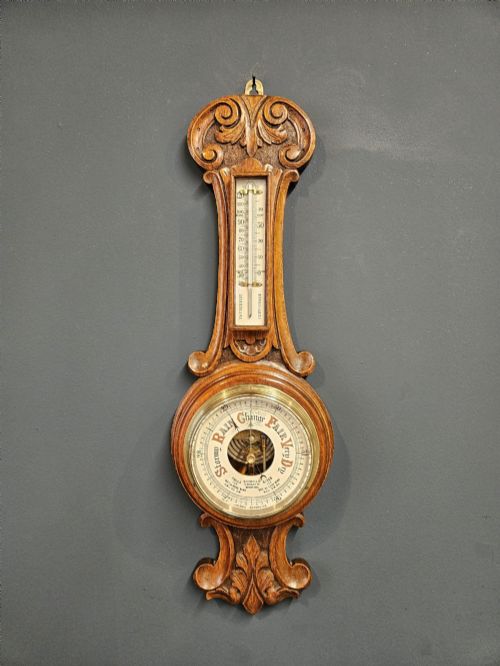
- A weather-measuring instrument that uses a flexible sealed metal capsule rather than liquid mercury to register atmospheric pressure. These were frequently housed in matching wooden wall cases.
- Escapement
- The mechanical linkage that translates the rotary motion of the gear train into controlled impulses for the pendulum or balance wheel. Common types include lever and anchor variations.
Antique Wall Dial: Frequently Asked Questions
What is a fusee wall clock?
A fusee wall clock relies on a specialised conical pulley to regulate the pull of the mainspring, ensuring uniform power delivery throughout its running cycle. This mechanical arrangement distinguishes higher-quality timepieces intended for precise railway and office use.
Such movements generally require weekly winding and demand professional setting up to maintain correct beat. Their reliable timekeeping made them staples of institutional environments across the nineteenth century.
How do I date an antique wall dial?
Dating relies on examining the timber species, the style of the case, the construction of the movement, and any lettering painted on the dial face. Georgian examples often feature simple architectural lines, while Victorian and Edwardian pieces frequently incorporate heavier carvings or railway company lettering.
Makers' signatures inscribed on the dial or movement plates provide further historical anchors. Comparing these details against known regional clockmaker records helps narrow down the decade of manufacture.
Where were wall dials originally used?
Wall dials were primarily manufactured for functional environments where accurate timekeeping governed daily operations. Railway stations, school rooms, shipping offices, and public houses relied on their bold, readable faces to coordinate schedules.
Later periods saw these robust timepieces enter domestic settings, particularly hallways and kitchens where traditional styling suited the interior. Their utilitarian origins explain their durable construction and clear numbering.
How do I care for a mechanical wall dial?
Hanging the clock securely to a sturdy wall is essential for keeping the pendulum plumb and the beat even. Regular professional servicing ensures the brass gears and pivots remain free from accumulated dust and dried oil.
Winding the clock carefully using the correct key prevents over-tensioning the mainspring. Avoiding placement near damp walls or direct heat sources protects the wooden case and painted dial face from warping.