
Antique Wall Crest
An antique wall crest brings carved heraldry and dramatic pediments into a room, anchoring a space with centuries of skilled craftsmanship.
Antique Wall Crest
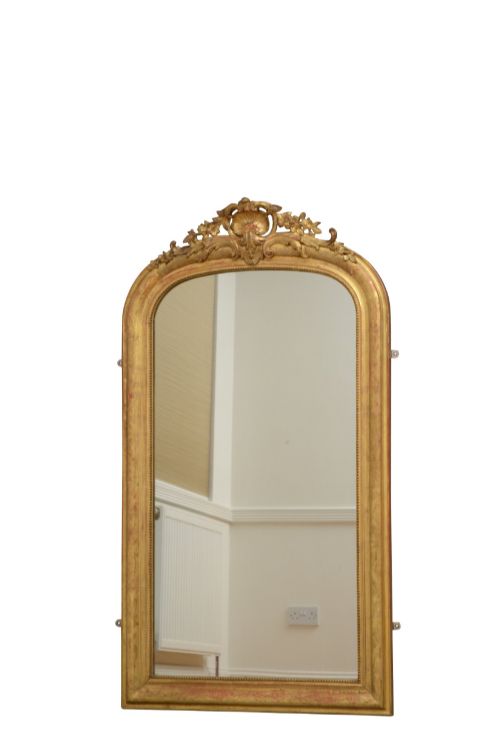
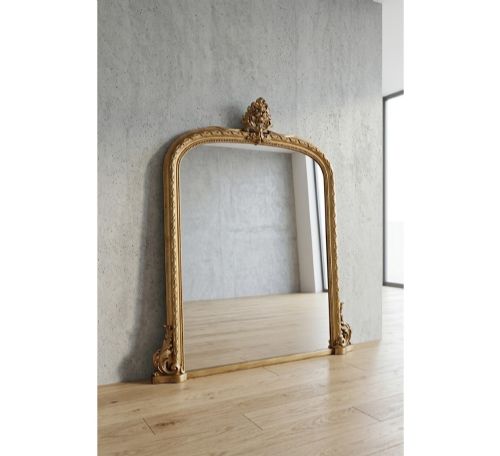
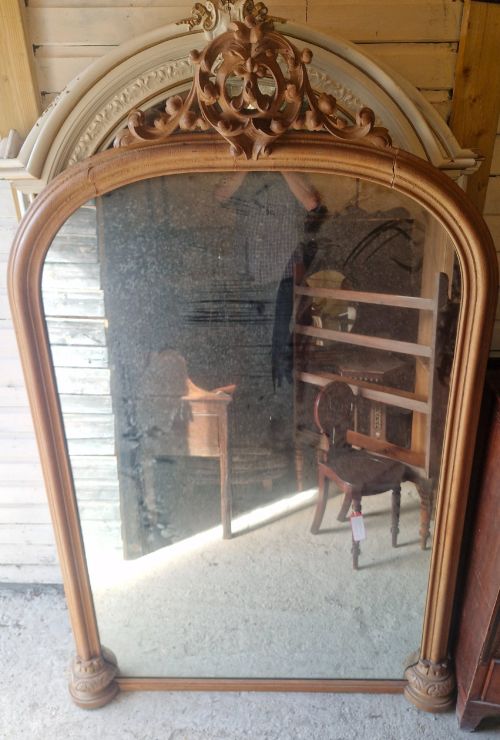
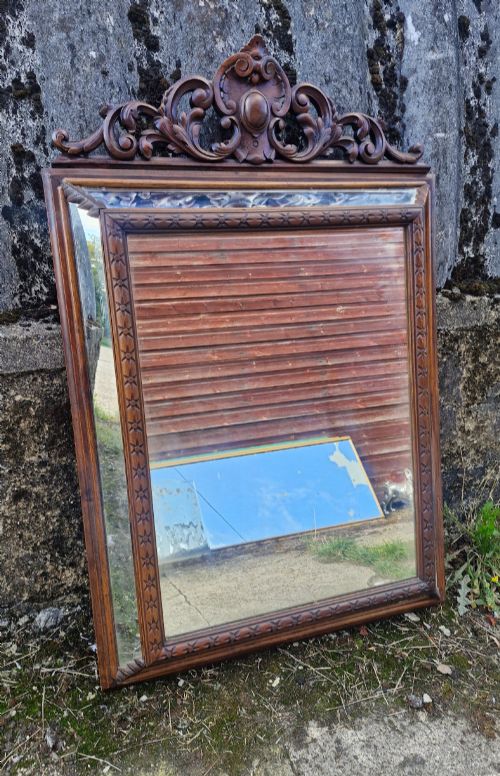
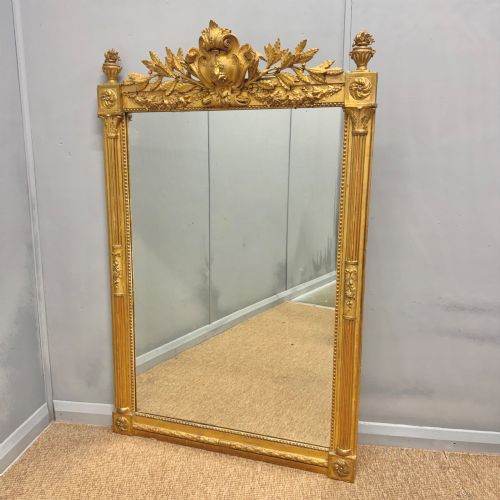
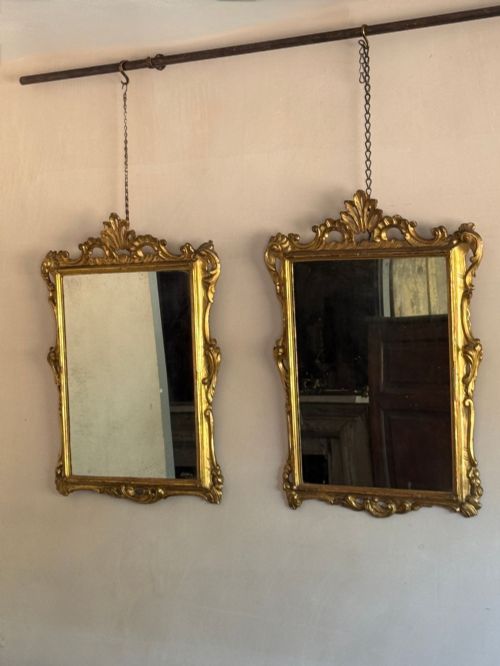
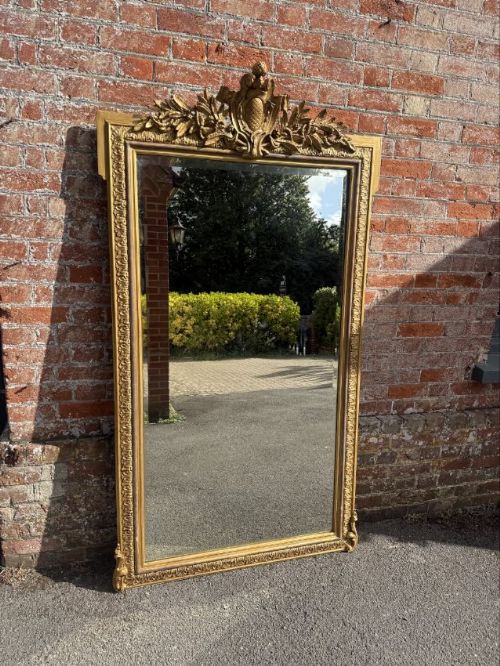
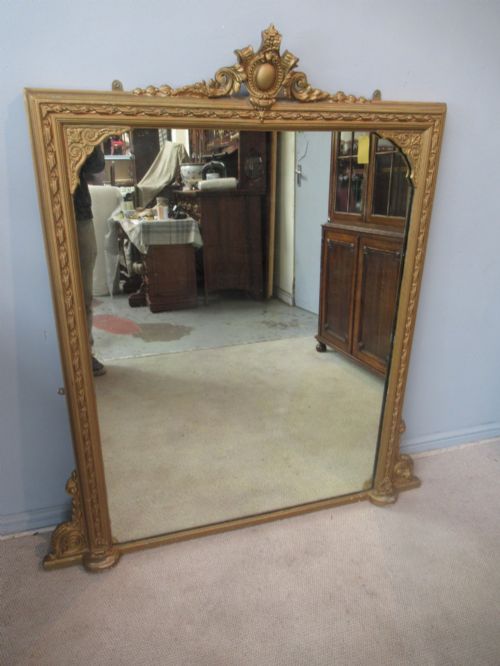
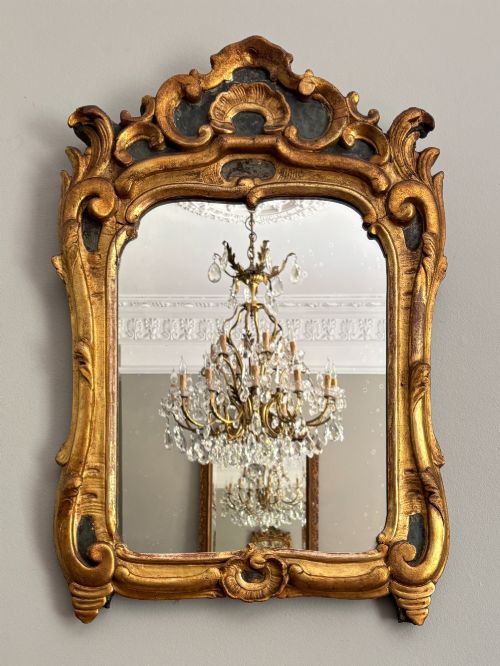
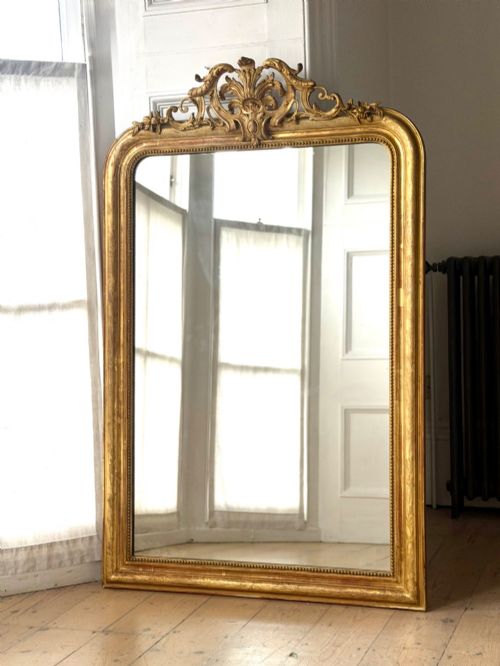
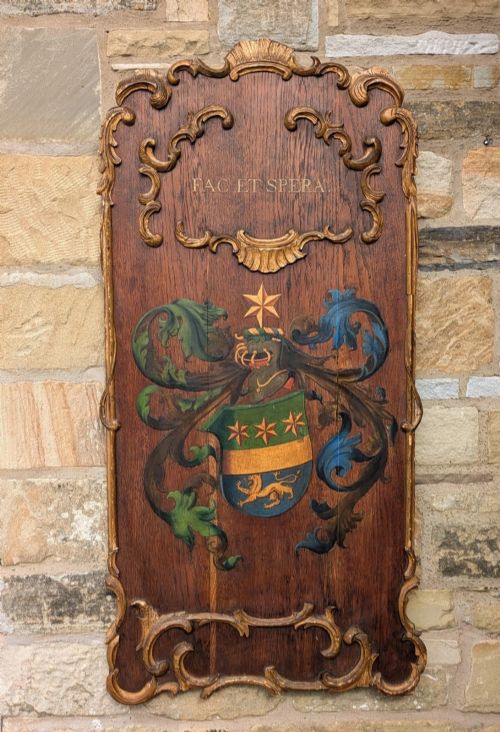
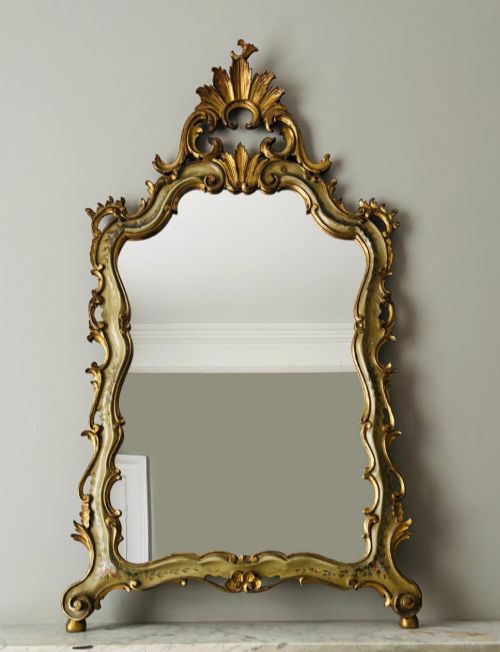
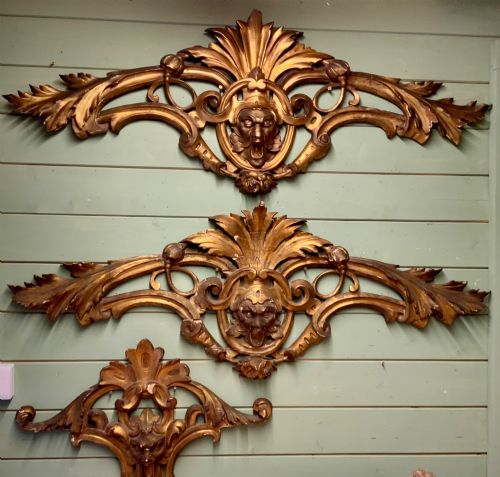
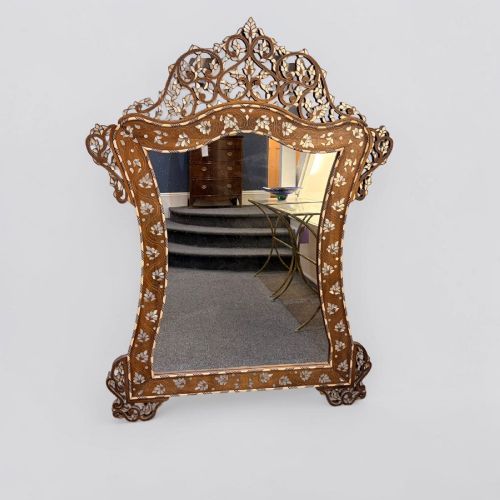
When you search for an antique wall crest, you encounter carved wooden plaques, heraldic panels, and mirrors crowned with substantial pediments or figural surmounts. The pieces span the eighteenth and nineteenth centuries, taking forms such as convex mirrors topped with eagles, carved coats of arms, and overmantel frames with ornate cresting.
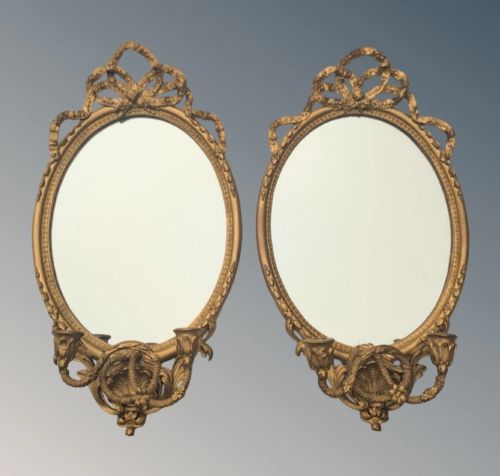
French and English examples dominate the selection, ranging from Regency giltwood convex forms to Victorian mahogany fretwork and ornate Napoleon III chateau mirrors. Buyers most frequently meet large giltwood and gesso overmantel mirrors featuring decorative crests, alongside occasional brass sconces and carved wooden wall plaques.
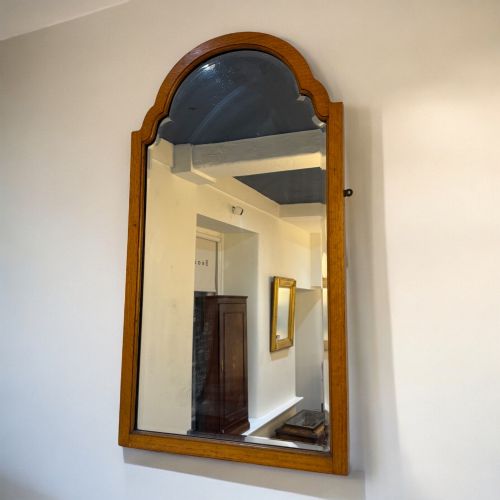
The category bridges functional looking glasses and purely decorative heraldic displays, uniting items defined by significant top ornamentation. Whether selecting a maritime scene within a yew wood frame or a heraldic marriage plaque, each object uses its upper section to draw the eye upward.
Materials and methods of construction
Makers utilised timber substrates of mahogany, oak, and yew wood, often applying layers of gesso to carve intricate foliage, ribbons, and crests. Gilding involved the application of gold leaf over boluses, while some surfaces received ebonising or paint finishes to complement the interior schemes of the period.
Glass plates within the mirrors include marginal plates, foxed mercury glass, and reverse-cut panels secured within frames of carved wood and gesso. Structural joinery relies on traditional pinning and framing techniques, supporting heavy crest elements such as spread eagles and carved pediments above the main body of the piece.
Listings feature items spanning the 18th, 19th, and 20th centuries, executed in mahogany, giltwood, gesso, and glass across various French and English styles.
What separates the finest examples
Quality rests in the crispness and depth of the hand-carved ornamentation upon the crest or frame. Superior pieces display finely detailed relief work on elements like eagles, ribbons, and heraldic shields, whereas lesser examples show softer, shallower moulding in the gesso.
The integrity of the original gilt surface and the authenticity of the glass plate heavily influence the standing of a piece. Hand-applied gold leaf retains a warmer, more nuanced reflection of light compared to later interventions, and the depth of the timber carving reveals the investment of time by the original artisan.
The Antique Wall Crest Glossary
- Giltwood
- Timber coated with gold leaf over a prepared base layer. This finish characterises many formal mirrors and decorative wall pieces from the eighteenth and nineteenth centuries.
- Gesso
- A plaster-like mixture applied to wood substrates and carved into intricate relief decorations. It forms the raised motifs found on the crests of ornate mirrors.
- Convex Mirror
- A circular looking glass with a curved surface that reflects a wide, distorted field of room. These pieces frequently feature eagle surmounts and candle arms.
- Overmantel Mirror
- A large mirror designed to hang directly above a fireplace mantel. They often incorporate decorative crests to fill the vertical space on the chimney breast.
- Heraldic Panel
- A carved or painted display of a family coat of arms. These wooden plaques record lineage and marital alliances through traditional symbols and mottos.
Antique Wall Crest: Frequently Asked Questions
What is an antique wall crest?
An antique wall crest refers to decorative wall-hanging items featuring prominent carved top sections, such as heraldic plaques, family coats of arms, and mirrors surmounted by eagles or floral pediments.
These pieces were produced primarily during the eighteenth and nineteenth centuries in England and France, serving both decorative and symbolic functions within domestic interiors.
Where were wall crests hung?
Original placements included grand reception rooms, above fireplace mantels as overmantels, and along hallways where heraldic displays signaled family lineage and status.
Today, they function similarly as focal points above sideboards, sofas, or mantels, utilising their vertical crests to draw the eye upward in high-ceilinged rooms.
How do you date an antique wall crest?
Dating relies on stylistic markers, construction methods, and materials such as the presence of mercury glass, hand-carved gesso, or specific revival styles like Louis XV and Chippendale.
Examining the backboards, fixings, and the composition of the timber helps determine whether a piece originates from the Georgian, Regency, or Victorian eras.
Are heraldic wall crests specific to families?
Many heraldic plaques and marriage panels record actual historical lineages, such as Welsh family arms or Dutch marriage records from the nineteenth century.
These specific visual records document alliances and family history through painted or carved coats of arms accompanied by dates and names.