

Antique Wall Carpet
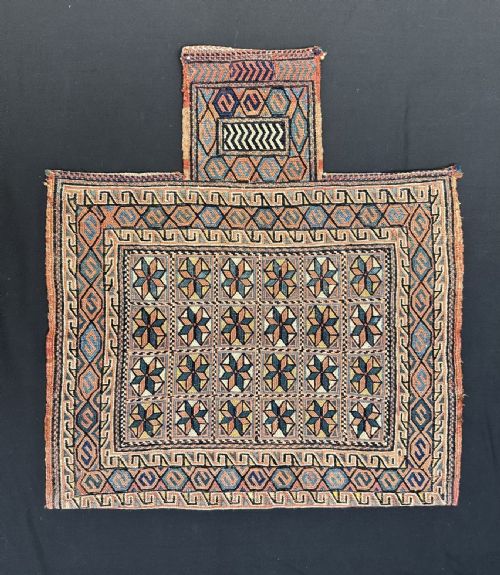
When you search for an antique wall carpet, you are looking at tribal textiles, saddle covers and tent bags repurposed for display.
Antique Wall Carpet
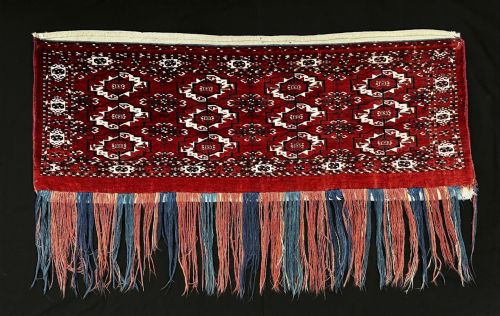
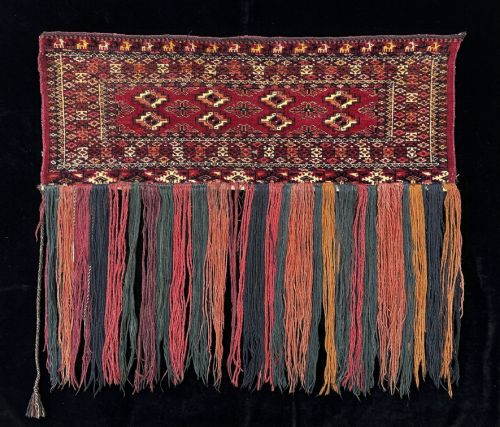
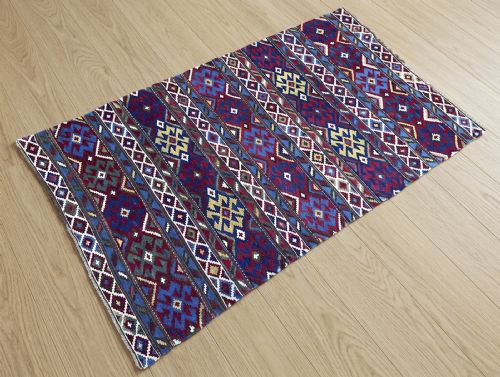
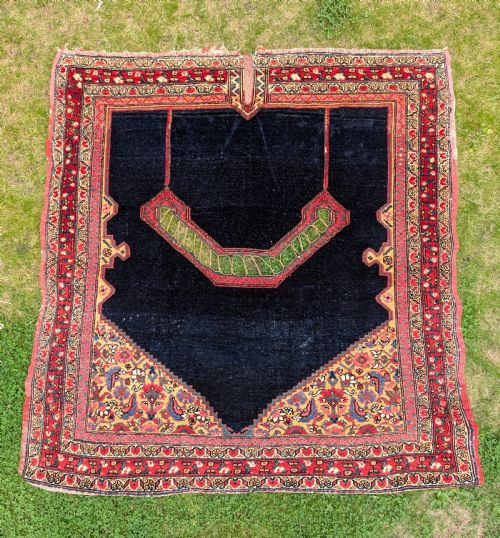
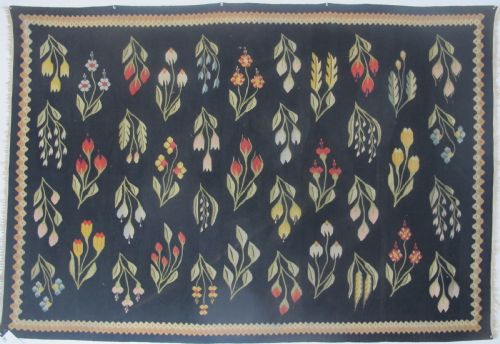
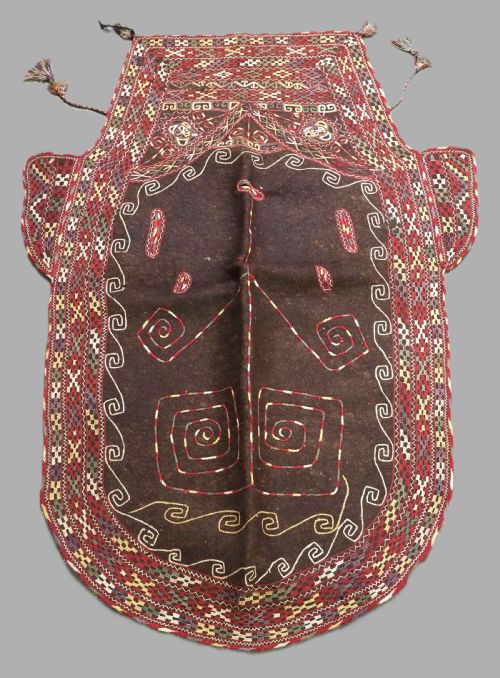
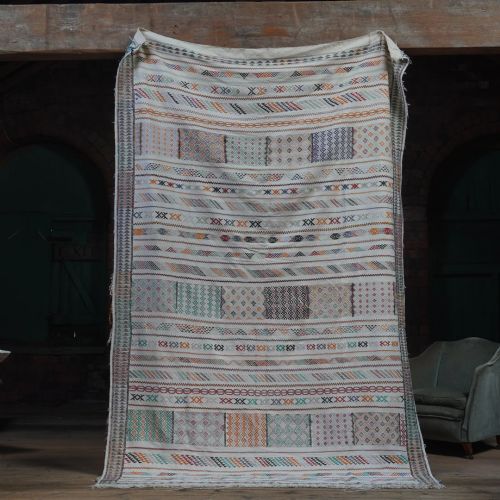
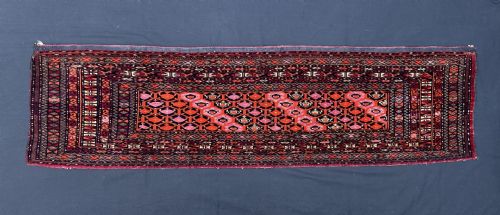
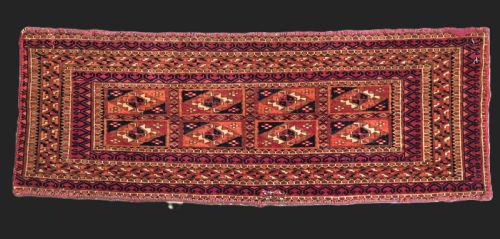
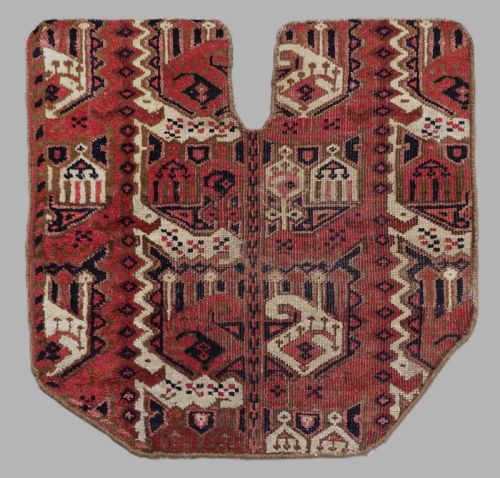
The pieces grouped under the search for an antique wall carpet are primarily tribal and nomadic weavings originating from Central Asia, Persia and the Caucasus. Rather than floor coverings, buyers will frequently encounter tent bags, torbas, chuvals and horse blankets adapted from functional nomadic life into decorative wall hangings.
Originating predominantly from the nineteenth and early twentieth centuries, these textiles reflect specific tribal identities such as the Yomut, Tekke, Ersari and Saryk groups. They arrive with distinctive regional motifs, including guls, curled leaves and ikat designs, executed in formats suited for vertical display.
Materials and construction
These textiles are constructed primarily from hand-spun wool and cotton, frequently combined with felted wool, natural dyes and silk thread embroidery. Artisans utilised traditional weaving and embroidery techniques, applying natural colorants to create deep tones across flatweaves, pile rugs and ceremonial felts.
The structural integrity relies on tight knotting or dense embroidery over sturdy wool or cotton foundations. Many pieces retain original tassels, plain weave backs or specific regional border structures that evidence their nomadic production methods.
Antique Wall Carpet Retail Price Guide 2026
Typical asking prices for wall carpet among the pieces listed under this phrase on Sellingantiques today, from the lower quarter to the upper quarter. They describe what is for sale here now, not the wider market.
The listings on this site record wool, cotton and felted wool as the primary materials utilised in nineteenth-century Central Asian and Persian tribal weavings.
Assessing the grade
Quality in these tribal textiles rests upon the density of the weave, the clarity of the tribal motifs and the preservation of natural dyes. Pieces exhibiting exceptional fineness in knotting or embroidery demonstrate superior artisanal skill.
The distinction between standard examples and the finest works also involves the integrity of the original structure, such as intact borders, original tassels and the complexity of tribal guls like the Salor or Kepse designs.
The Antique Wall Carpet Glossary
- Gul
- A medallion pattern or repeating octagonal motif used extensively in Turkmen tribal rugs. These designs identify the specific tribe or clan that wove the textile.
- Torba
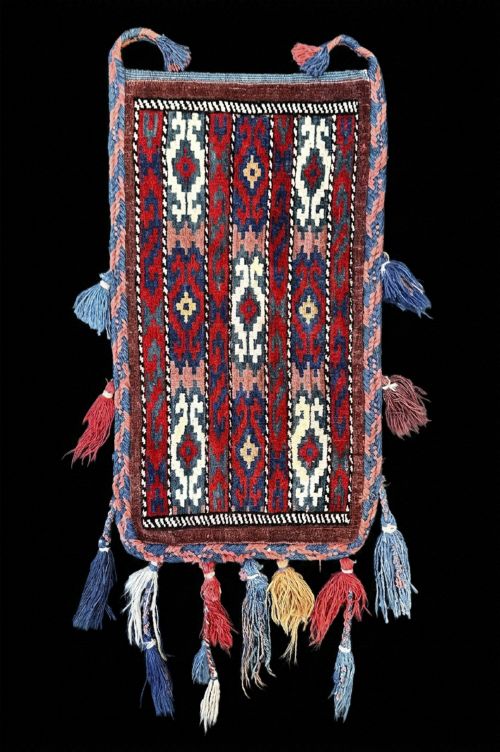
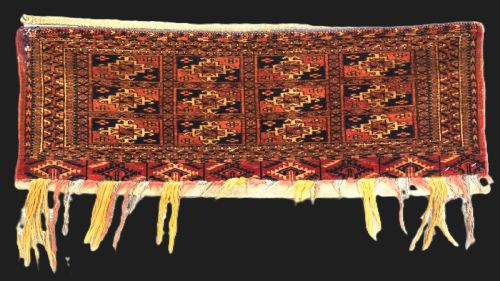
- A small tent bag traditionally used for storage within a nomadic dwelling. These rectangular pieces are frequently displayed today as compact wall hangings.
- Chuval
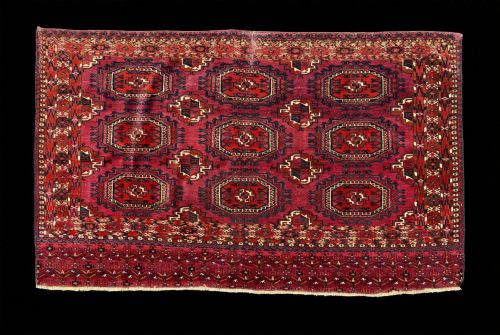
- A large storage bag made by nomadic tribes, usually featuring rows of guls. Surviving faces show intricate tribal weaving patterns.
- Asmalyk
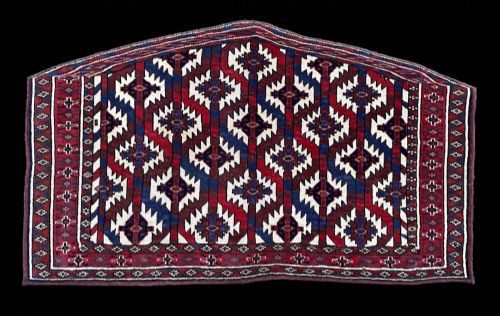
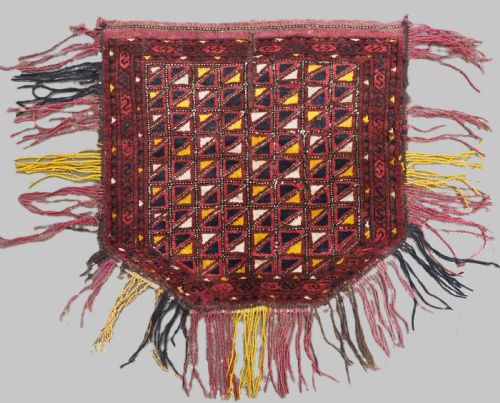
- A ceremonial pentagonal trapping used during Turkmen wedding processions to decorate the flanks of a bride's camel. They are prized for their distinctive shape and design.
- Flatweave
- A textile produced without a pile by interlocking warp and weft threads together. Examples include kilims and banded utility pieces.
Antique Wall Carpet: Frequently Asked Questions
How do I hang a textile safely?
Support the weight evenly across the top edge using a non-damaging sleeve or conservation-grade Velcro mounting system. Avoid direct piercing with nails or pins that can fracture the historic foundation yarns.
Keep the piece away from direct sunlight and fluctuating humidity to protect the natural dyes and wool fibres from degradation over time.
What is a Turkmen torba?
A torba is a small, rectangular storage bag created by nomadic tribes in Central Asia for domestic organisation inside a yurt. These pieces were woven with flatweave backs or complete fronts displaying tribal motifs.
Collectors prize them today for their portable size and intricate, concentrated display of regional guls and border patterns.
How do I distinguish tribal groups?
Tribal attribution relies heavily on the specific structure of the guls, the secondary ornamentation and the colour palette employed. For instance, Tekke and Yomut weavers utilise distinct octagonal and hooked motifs.
Examining the weave density and wool preparation also offers clues to the specific oasis or steppe region where the textile originated.
Are these pieces cleaned easily?
Historic textiles require specialist textile conservation cleaning rather than standard domestic washing methods. Water immersion and agitation can destabilise fugitive natural dyes and weaken fragile wool or cotton foundations.
Surface dust can be removed gently with low-suction vacuuming through a protective mesh screen by experienced hands.