


Antique Village Artwork
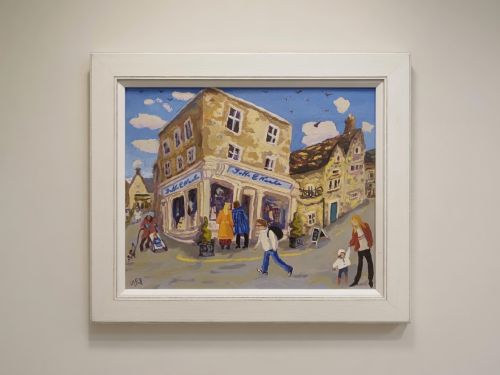
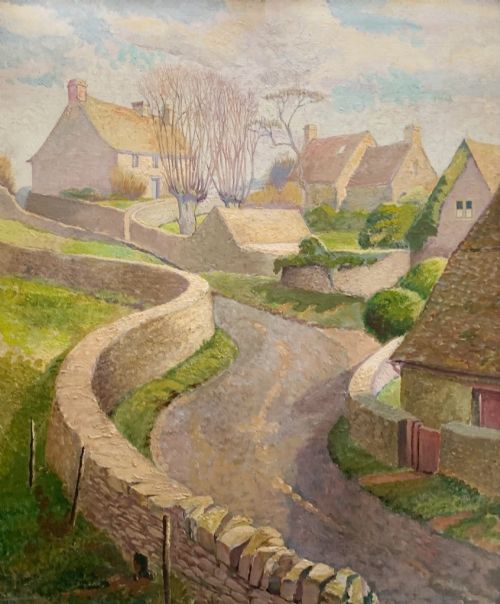
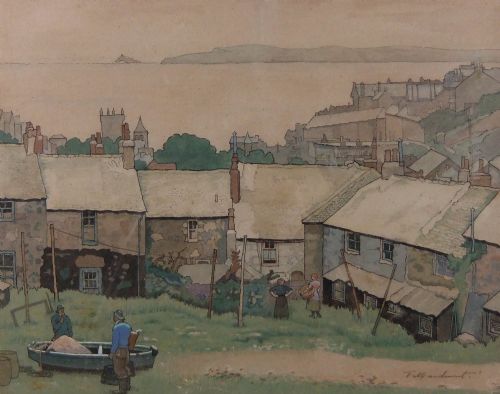
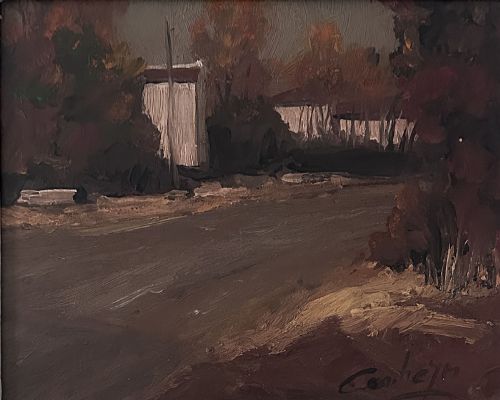
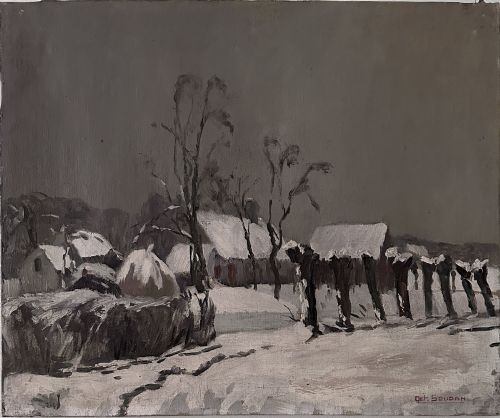
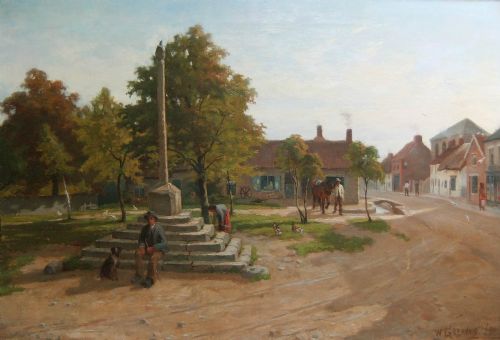
These antique village artwork pieces capture pastoral and coastal settlements in media ranging from delicate watercolours to rich oils.
Antique Village Artwork
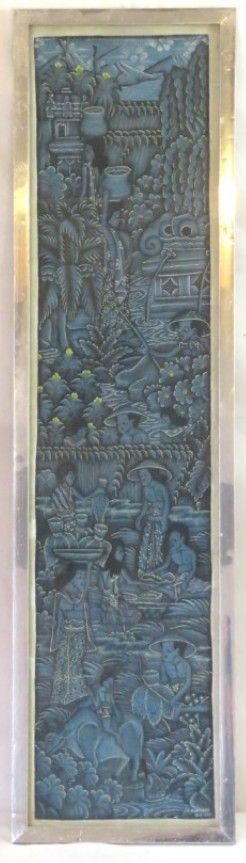
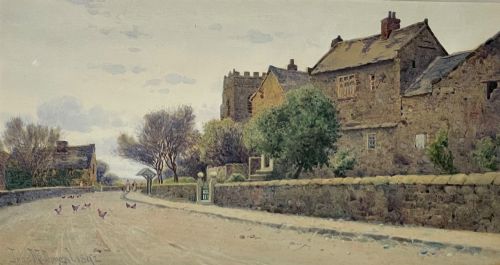
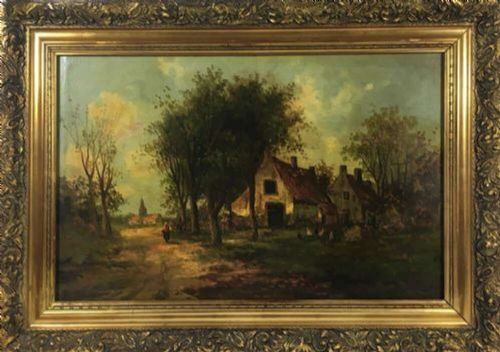
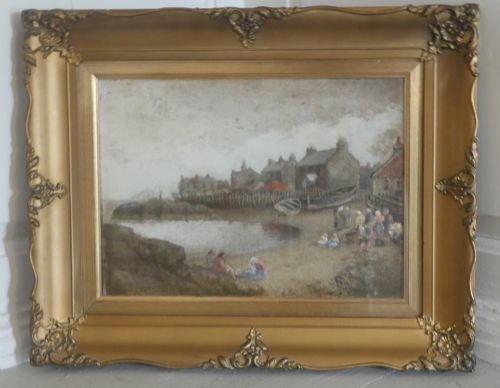
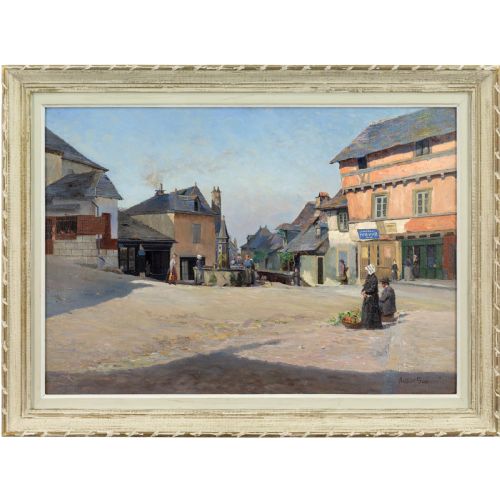
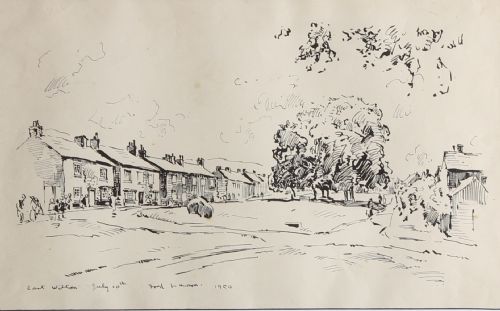
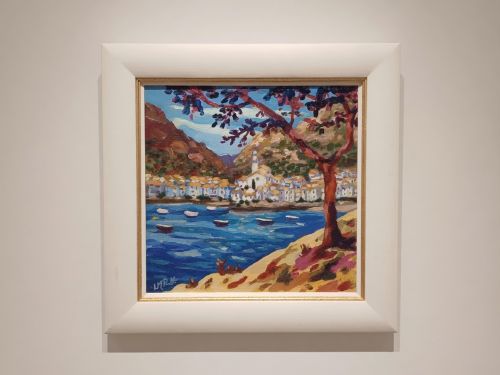
When searching for antique village artwork, collectors encounter a diverse selection of paintings, watercolours, and pastels depicting rural, coastal, and town settlements. These works span from the Victorian era through the mid-twentieth century, capturing specific locations like Staithes, Port Erin, and Widecombe.
The pieces on this page lean heavily towards British and European topography, recorded by regional artists and school painters working from the nineteenth century onward. Subjects typically include cottage rows, harbour scenes, farmyards, and rural lanes rendered through various regional lenses.
Most examples present framed compositions on paper, canvas, or panel, ranging from intimate watercolours to substantial oil paintings. Collectors find both named topographical views and broader impressionistic interpretations of village life.
How They Were Made
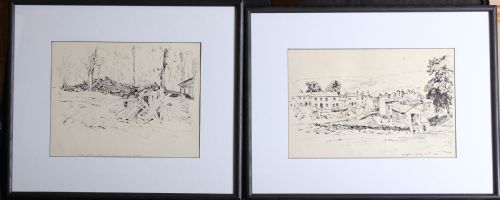
The physical construction of these works relies upon traditional supports such as canvas, wood panel, heavy paper, and board. Artists applied oil paint, watercolour, gouache, or pastel, often sealed beneath glass in period frames featuring gesso ornamentation.
Techniques vary from tight, detailed topographical recording to loose, atmospheric impressionistic brushwork. Painters built depth using layered washes of pigment in watercolours or thick, textured applications of oil and pigment on canvas.
Listings feature works spanning from the seventeenth century through the 1960s, executed in oil, watercolour, gouache, and pastel.
What Varies in Quality
Quality rests upon the artist's ability to capture atmosphere, light, and perspective within the chosen topographical setting. Stronger pieces demonstrate confident brushwork and secure draughtsmanship, whereas lesser examples rely on formulaic repetition without local character.
The handling of materials also distinguishes the range, seen in the preservation of pigment vibrancy, the integration of paper and gouache, and the stability of oil on canvas. Original period framing and documented regional provenance further elevate individual examples.
John McDougal·Edward Mills·Arthur Gué·Thomas Maidment·Paul Élie Gernez·William Greaves·John Holland·Gaston Cornil·George Turland Goosey·Arthur Tucker·David Teniers II·M. C. Hider·Charles Vickers·James Watson·Helena Maguire·George Gregory·John Smith Atherton·John Edward Bale·Robert Hollands Walker·Joseph W. Milliken·Frank Wood·Frederick Mayor·Percy Brooke
The Antique Village Artwork Glossary
- Watercolour
- A painting method in which the paints are made of pigments suspended in a water-based solution. It relies on the white of the paper to provide luminosity and light.
- Gouache
- An opaque water-based paint that includes a white pigment mixed with gum, producing a denser, flatter finish than traditional watercolour. Artists frequently combined it with watercolour for added highlights.
- Pastel
- A dry art medium in the form of a stick, consisting of powdered pigment and a binder. Works executed in this medium require careful framing behind glass to protect the delicate surface.
- Oil on Canvas
- Pigments bound in a drying oil, typically linseed, applied to stretched woven fabric. This medium allowed artists to build rich textures and deep tones over extended periods.
- Gesso
- A plaster-like mixture applied to wood or canvas as a base for painting, or moulded onto wooden frames to create ornamental relief details.
Antique Village Artwork: Frequently Asked Questions
What subjects appear in these village artworks?
The compositions generally depict rural settlements, coastal fishing harbours, country lanes, and agricultural farmyards across Britain and Europe.
Specific topographical locations frequently feature alongside broader impressionistic interpretations of daily rural life.
How should I care for antique works on paper?
Works executed in watercolour, pastel, or gouache require protection from direct sunlight to prevent fading of the delicate pigments.
Keeping them away from damp environments ensures the paper supports and traditional frames remain stable over time.
Are these paintings signed by the artists?
Many examples bear the artist's signature, often accompanied by inscriptions noting the specific village or region depicted.
Some pieces remain unsigned or attributed to specific regional schools of painting based on style and period.
How do I identify the period of a painting?
Dating relies upon stylistic markers such as Impressionist or Victorian techniques, alongside framing materials and recorded artist working dates.
Subject matter and costume details within the scenes also offer clues regarding the era of execution.