


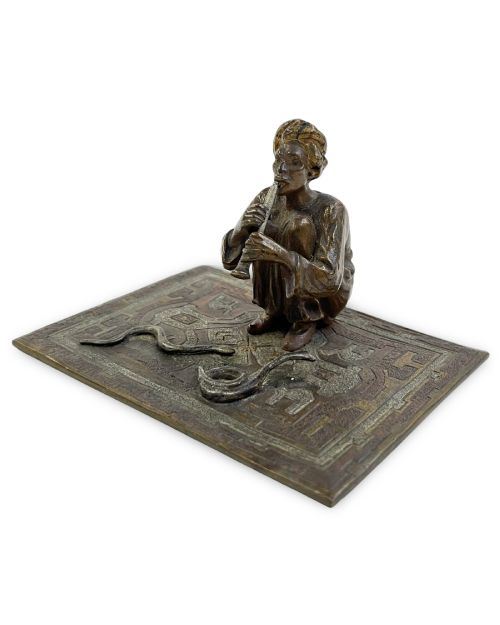


Antique Viennese Bronze
These antique viennese bronze figures and objects combine meticulous metalwork with vibrant enamel and cold-painted detail, prized by collectors for their miniature realism and expressive character.
Antique Viennese Bronze
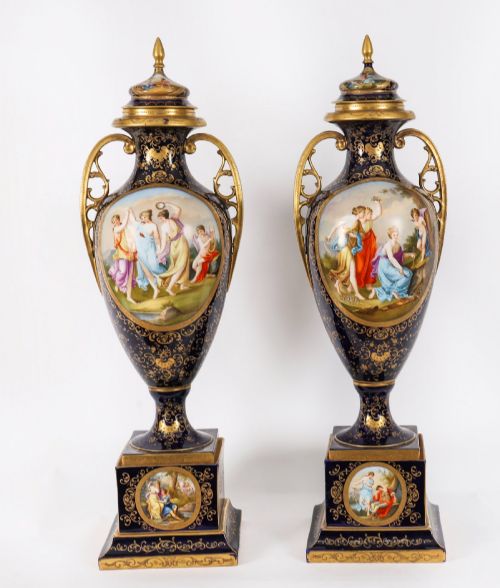
When you search for antique viennese bronze, you encounter detailed animal studies, human figures, and small functional objects originating from workshops in Vienna during the nineteenth and early twentieth centuries. These pieces encompass naturalistic bird studies, orientalist figures, and intricate enamel cabinets mounted in metal.
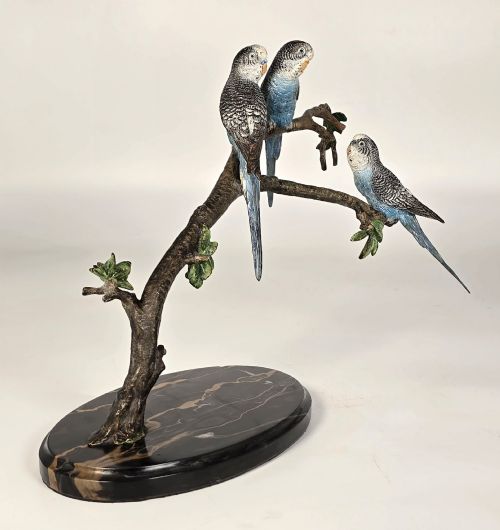
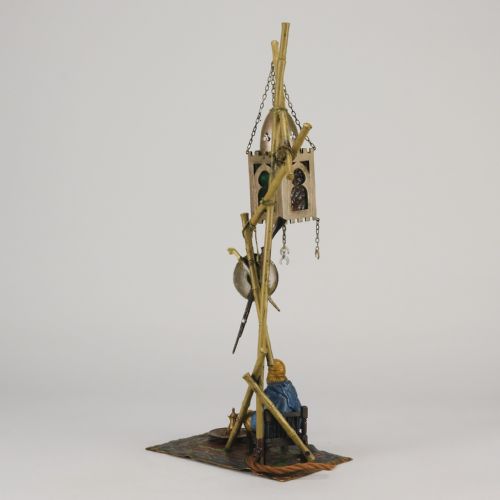
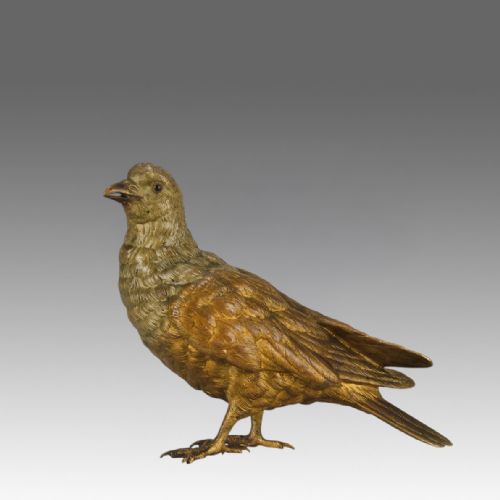
The version you are most likely to meet on this page is the cold-painted bronze figurine, often depicting birds such as budgerigars and mallard ducks, or human subjects in orientalist settings. Animalier studies and small decorative items mounted on onyx or marble plinths also frequently appear among the listings.
Objects span several decades from the nineteenth century through to the Art Deco era of the 1920s and 1930s. Alongside standalone sculptures, you find table lamps, pin trays, and enamel-mounted decorative furniture pieces.
How they were made
Maker foundries cast these figures in bronze or gilt bronze, often incorporating panels of hand-painted enamel and carved elements of onyx, marble, or ebonised wood. The structural components rely on traditional metal casting techniques suited to small, intricate forms.
The signature cold-painted finish involves applying layers of oil-based paint directly onto the unheated or warm metal surface after casting. This technique allows for fine polychrome detail on feathers, clothing, and decorative surfaces without firing the pigment.
Mounts and structural cabinets integrate enamel plaques and precious-looking inlays, requiring skilled joinery and metalfitting alongside the primary foundry work.
Antique Viennese Bronze Retail Price Guide 2026
Typical asking prices for viennese bronze among the pieces listed under this phrase on Sellingantiques today, from the lower quarter to the upper quarter. They describe what is for sale here now, not the wider market.
Styles recorded across the selection include Orientalism, Art Deco, Neoclassical, and the Viennese Animalier tradition.
What varies in quality
The distinction between standard output and the finest examples rests on the crispness of the initial casting and the dexterity of the cold-painting. Superior pieces retain sharp feather and facial definition beneath the pigment rather than relying on heavy paint layers to obscure soft metalwork.
Complexity of subject and narrative depth separate ordinary decorative items from masterworks by known founders. Elaborate orientalist scenes involving multiple figures or architectural elements demand greater sculptural skill than single animal studies.
The integrity of the original cold-painted surface dictates much of the desirability, alongside the quality of secondary materials such as carved onyx plinths and hand-painted enamel panels.
Franz Bergman·Franz Xaver Bergman·Carl Kauba·Bruno Zach·Goldscheider
The Antique Viennese Bronze Glossary
- Cold-Painted Bronze
- A bronze sculpture decorated with cold-applied oil paint that is not fired in a kiln. This technique allows for vibrant, multi-coloured surfaces on nineteenth and twentieth-century Viennese metalwork.
- Animalier
- A style of art focusing on the realistic portrayal of animals. Viennese animalier bronzes capture birds and mammals in lifelike poses.
- Orientalism
- An artistic style inspired by Middle Eastern and North African cultures. Many Viennese bronzes depict human subjects such as merchants and snake charmers within this aesthetic.
- Viennese Enamel
- Vitreous enamel applied to copper or metal bases, frequently mounted on small decorative cabinets, boxes, and plaques. These panels display colourful painted scenes.
- Ebonised Wood
- Timber treated to resemble ebony, providing a dark, smooth contrast to gilt bronze and enamel mounts. It appears on cabinet structures from the nineteenth century.
Antique Viennese Bronze: Frequently Asked Questions
What is cold-painted bronze?
Cold-painted bronze refers to metal sculptures finished with layers of oil paint applied after casting, without kiln firing. This method gives the pieces their characteristic colourful appearance.
Makers used this technique extensively in Vienna to render realistic plumage on birds and intricate patterns on human figures and garments.
How do I care for my bronze?
Maintain these pieces by dusting gently with a soft, dry brush to protect the delicate cold-painted surface. Avoid liquid cleaners and chemical solvents entirely.
Keep figures away from direct sunlight and high humidity to prevent the paint finish from fading or flaking over time.
Are all Vienna bronzes marked?
Not every piece bears a foundry mark or artist signature. Many smaller animal studies carry only serial numbers or stylistic stamps.
Signed pieces often feature the urn mark associated with Franz Bergman or specific foundry ciphers, though unsigned examples remain common.
What periods do these pieces span?
The listings span from the nineteenth century through the Art Deco movements of the 1920s and 1930s. Earlier nineteenth-century examples often include enamel cabinets and wall plaques.
Twentieth-century production shifts towards naturalistic animal studies and orientalist human figures created by prominent Viennese workshops.