

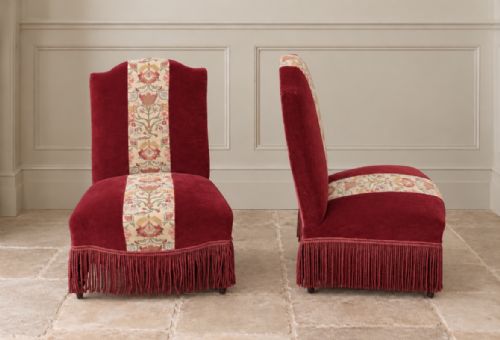
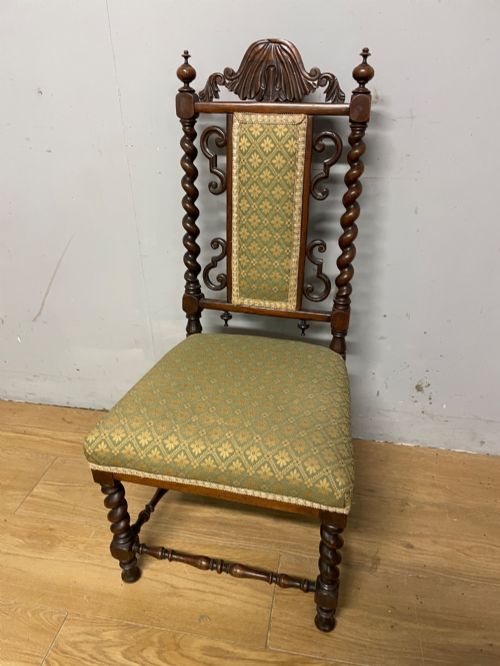
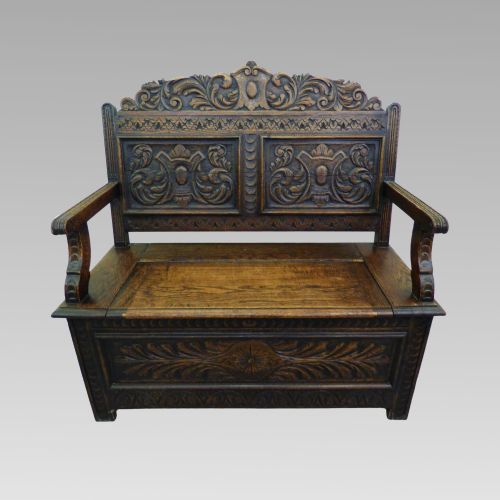
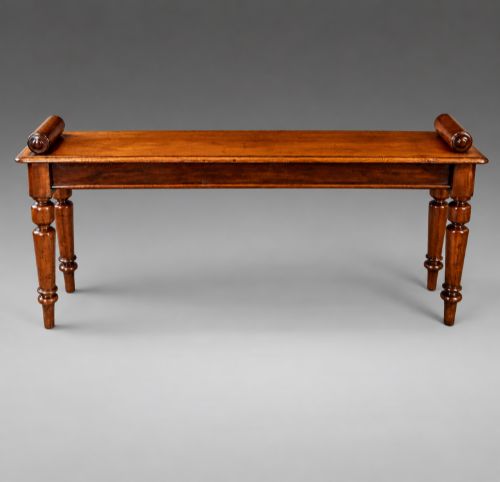
Antique Victorian Seats
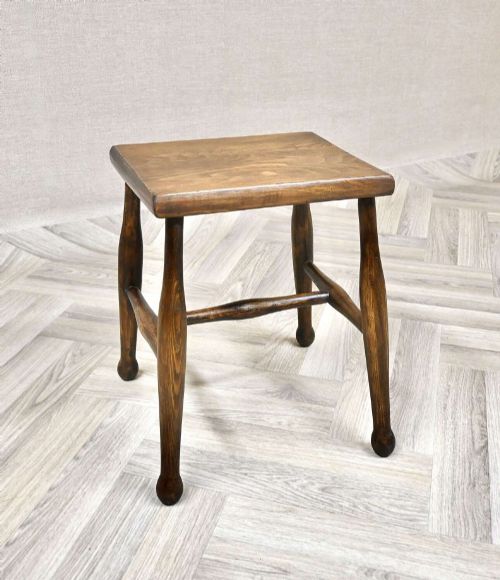
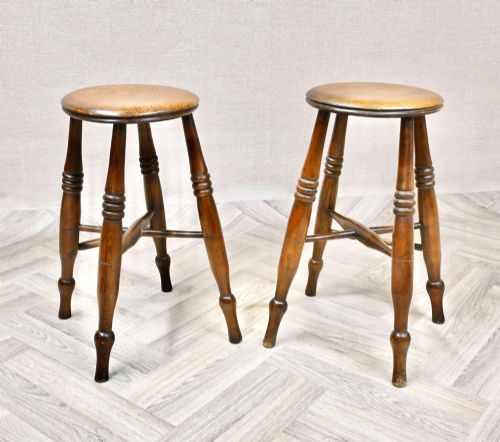
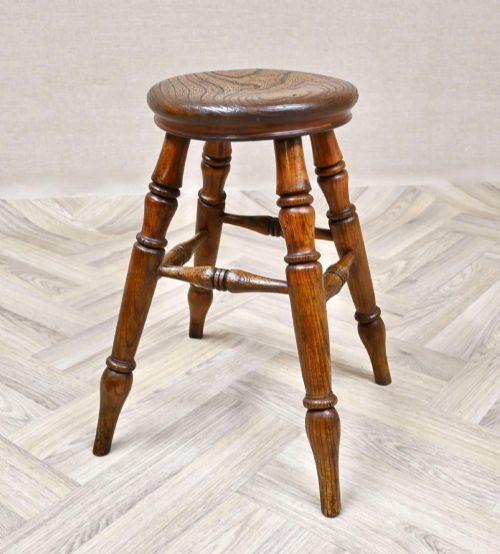
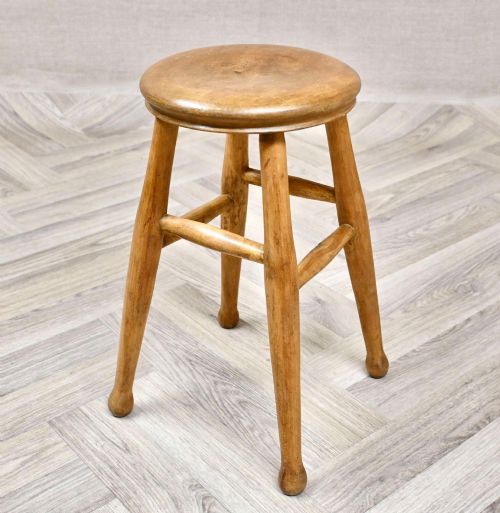
These antique victorian seats span sturdy dining chairs and garden benches forged in iron, mahogany, and oak.
Antique Victorian Seats
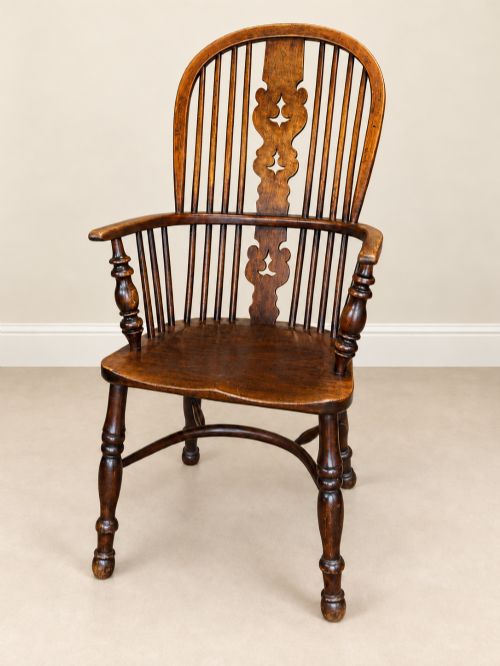
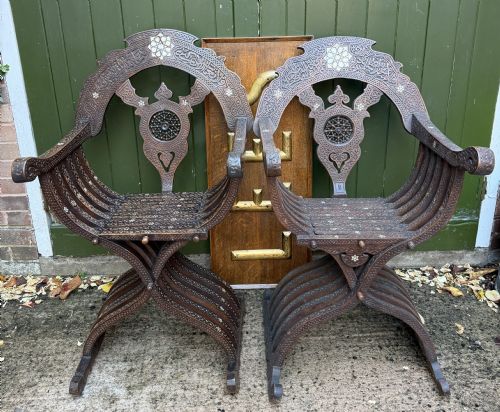
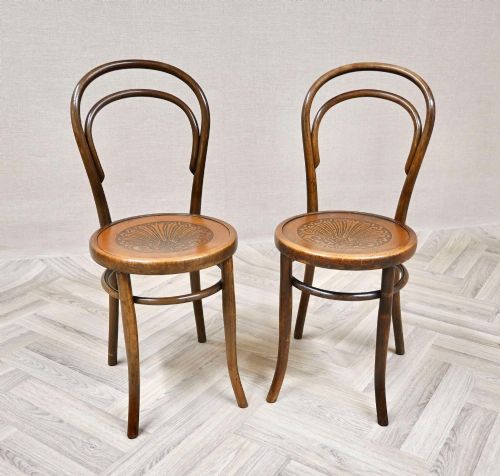
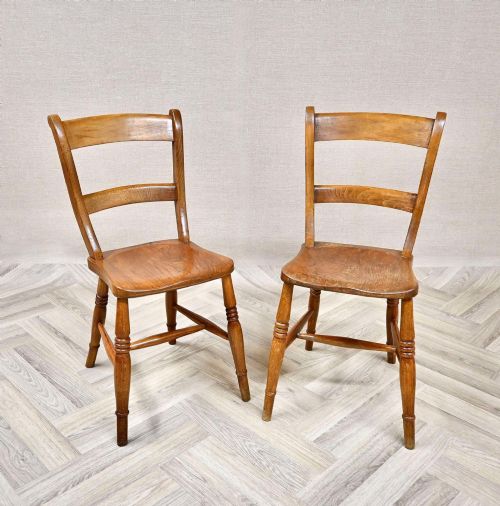
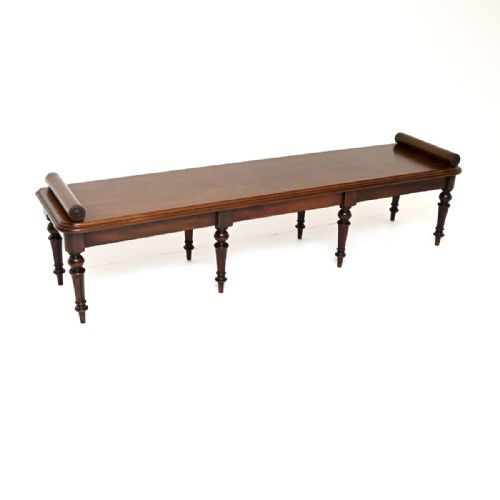
When you search for antique victorian seats, you encounter a diverse array of domestic and garden furnishings shaped by nineteenth-century craftsmanship. The selection encompasses dining chairs in sets of varying sizes, alongside armchairs, hall benches, and specialised music or piano stools.
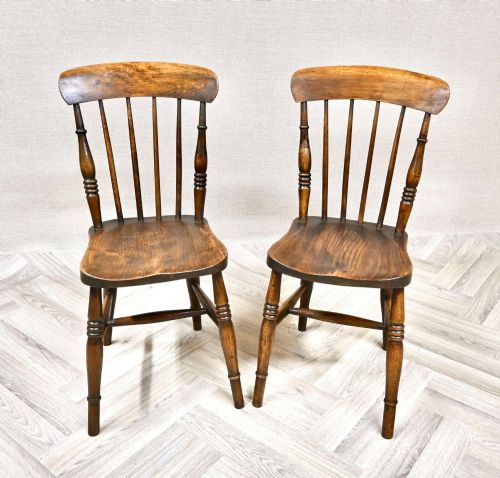
Mahogany and oak dominate the formal interior forms, often displaying carved details or balloon backs, while country variants utilise ash, elm, and beech. Garden seating relies on robust cast iron construction to withstand the elements.
The assortment reaches from domestic bedroom and library chairs to expansive sets intended for formal dining rooms. Regional and maker-attributed pieces sit alongside vernacular country designs, reflecting the varied social uses of seating during the period.
How they were made
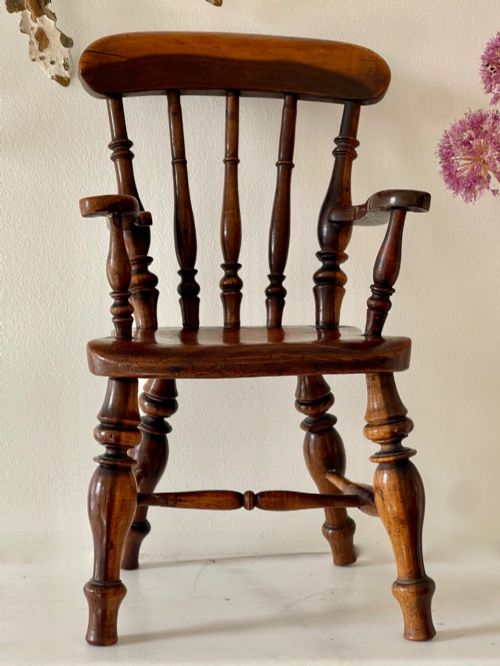
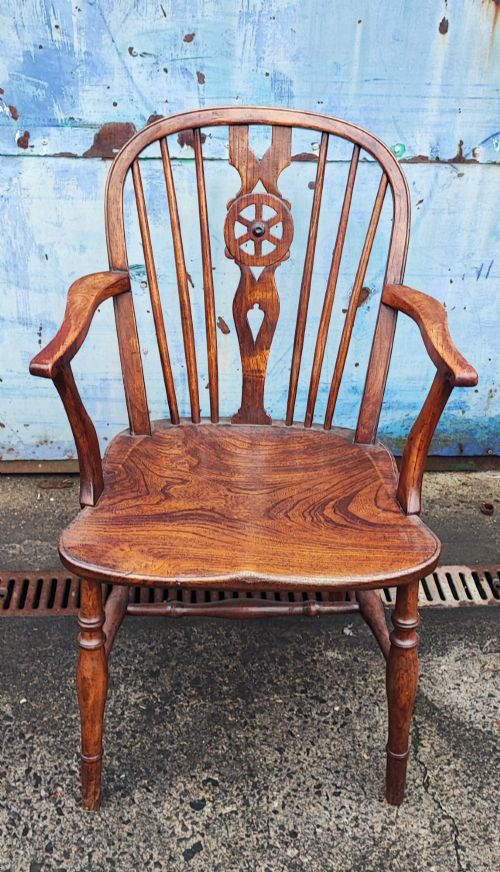
Cabinetmakers utilised dense timbers such as mahogany, walnut, and rosewood for formal seating, employing traditional joinery and hand-carved ornamentation. Regional vernacular chairs combined woods like ash, elm, and beech, turning spindles and bending slats for Windsor and ladderback forms.
Upholstery techniques involved horsehair stuffing secured over webbing, finished with leather, velvet, or woven fabric, and occasionally accented with button backs. Garden furniture utilised cast iron, shaping metal into structural frames and decorative conversation configurations.
Antique Victorian Seats Retail Price Guide 2026
Typical asking prices for victorian seats among the pieces listed under this phrase on Sellingantiques today, from the lower quarter to the upper quarter. They describe what is for sale here now, not the wider market.
Seating forms range from dining sets and library armchairs to duet piano stools and musical Black Forest bear seats.
What varies in quality
The distinction between standard utility seating and exceptional pieces rests upon timber selection and the crispness of carved detail. Matched sets of dining chairs display greater uniformity in grain and proportion when produced by prominent makers.
Structural integrity depends upon the original joinery remaining tight and undisturbed through generations of use. Secondary woods, upholstery support systems, and the preservation of original surface finishes further differentiate fine examples from everyday pieces.
James Shoolbred·Howard & Sons·Gillows·Bruce James Talbert·E.W Godwin
The Antique Victorian Seats Glossary
- Balloon back
- A rounded, oval-shaped chair back popular in nineteenth-century dining chairs. This design provided ergonomic support while allowing cabinetmakers to showcase figured mahogany veneers.
- Carver
- An armchair designed to match a set of smaller dining chairs, traditionally placed at the head of the table. These often feature more elaborate arm terminals and wider proportions.
- Reeded leg
- A column carved with parallel convex mouldings resembling inverted fluting. This decorative turning method appeared frequently on nineteenth-century table and chair legs.
- Ladderback
- A chair back constructed with horizontal slats resembling the rungs of a ladder. Common in vernacular country seating using ash and elm.
- Majolica
- A type of earthenware coated with an opaque tin glaze and painted with brightly coloured metallic oxides. It appears on ceramic garden seats from the period.
Antique Victorian Seats: Frequently Asked Questions
How do I care for antique leather upholstery?
Maintain antique leather by applying neutral conservation waxes sparingly to nourish the hide and prevent cracking over time. Keep these seats away from direct sunlight and heat sources to preserve the original patina.
Avoid modern chemical cleaners or excessive moisture during routine dusting. Gentle cleaning with a dry cloth protects the underlying material from deterioration.
Were dining chair sets always made together?
Cabinetmakers produced many dining sets as unified commissions for large households. However, workshops also manufactured chairs in smaller batches that dealers later assembled into larger groupings based on matching timber and style.
Examining the construction methods and timber grain reveals whether a set originated from a single workshop bench. Subtle variations in turning often indicate matched pairs combined over time.
How do I identify a library armchair?
Library armchairs feature generous proportions, deep upholstered seats, and padded armrests designed for prolonged reading comfort. They frequently incorporate mahogany or walnut frames with brass castors for ease of movement.
Robust construction distinguishes these from lighter bedroom or occasional chairs. Their substantial weight reflects heavy internal webbing and horsehair stuffing intended for daily study use.
Can cast iron garden seats stay outside?
Cast iron garden benches tolerate outdoor placement due to their heavy metal construction, though winter protection helps prevent moisture damage. Regular inspection for surface rust allows prompt treatment before pitting occurs.
Applying protective coatings preserves the structural integrity of nineteenth-century metalwork. Position these seats on paved surfaces rather than directly on damp soil to minimise corrosion.