



Antique Vessel Landscape Painting
An antique vessel landscape painting brings together coastal views, maritime shipping scenes and porcelain forms decorated with scenic landscapes.
Antique Vessel Landscape Painting
When searching for an antique vessel landscape painting, buyers encounter two distinct categories of work. The first comprises oil paintings and watercolours on canvas or paper depicting ships, boats and coastal harbours. The second consists of porcelain vases, jars and jardinières painted with landscape and marine scenes.
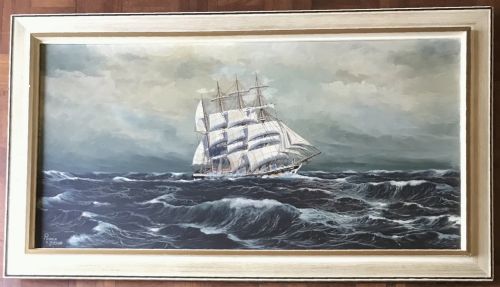
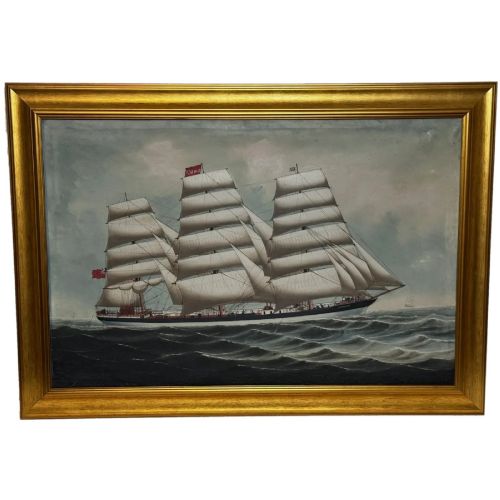
The oil paintings and watercolours span the Georgian, Victorian and Edwardian periods, stretching into the early twentieth century. Marine scenes dominate this group, showing barques, fishing boats and tall-masted ships in gales, moonlight or quiet anchorages.
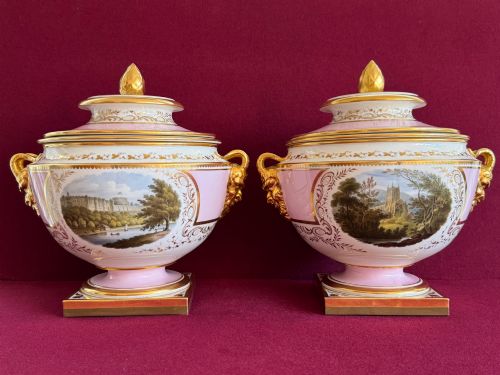
Porcelain vessels form the alternative expression of this theme, incorporating hand-painted landscapes upon pedestals, bough pots and ginger jars. These ceramic pieces range from eighteenth-century English factories to later continental productions featuring detailed landscape panels.
Materials and construction
Painted works rely primarily on oil on canvas, canvas panels or paper watercolours, occasionally framed in giltwood with gold leaf accents. Porcelain and ceramic objects utilise clay bodies shaped into vases, urns, loving cups and jars, often finished with glaze and enamel colours.
Pigments are applied by hand, whether through the brushwork of nineteenth-century marine artists or the detailed miniature painting found on fine porcelain pieces. Many ceramic forms incorporate gilt detailing, applied around the painted landscape panels or bordering the rims and handles.
The periods represented stretch from the eighteenth-century Georgian era through the Victorian and Edwardian periods into the nineteen-fifties.
Assessing the work
The strength of an antique vessel landscape painting rests upon the execution of the painting itself and the clarity of the composition. In canvas works, the rendering of water, atmospheric light and maritime rigging distinguishes finer brushwork from standard decorative production.
For ceramic vessels, the quality depends on the precision of the hand-painted landscape scene and the crispness of the porcelain form. Signed ceramic pieces and documented works by known painters demonstrate a higher degree of artistic investment.
Bernard Benedict Hemy·Royal Doulton·Royal Worcester·Hubert Thornley·Harry Davis
The Antique Vessel Landscape Painting Glossary
- Marine oil painting
- A canvas artwork focusing on ships, harbours, coastal views and maritime activity rendered in oil paints. These pieces often record specific vessels and locations.
- Bough pot
- A ceramic vessel designed to hold flowering branches or cut stems for interior decoration. They frequently feature painted landscape or floral decoration.
- Jardiniere
- An ornamental ceramic or metal pot used for housing growing plants or flowers. Examples often display hand-painted landscape scenes across the body.
- Giltwood
- Wood that has been treated with a thin layer of gold leaf or gold paint. Frames for paintings are frequently constructed or finished in this manner.
Antique Vessel Landscape Painting: Frequently Asked Questions
What periods do these paintings come from?
The listed works span the Georgian, Victorian and Edwardian eras, with many examples originating from the nineteenth and early twentieth centuries.
Dates range from the late eighteenth century through to the interwar period, reflecting shifting styles in maritime and landscape art.
How do porcelain vases fit this category?
Ceramic items join canvas works here because their primary surface decoration consists of painted landscapes and marine views.
Factories applied detailed water scenes and townscapes to porcelain bodies, combining utilitarian forms with fine art decoration.
Are all the paintings signed?
Not every canvas or watercolour carries a visible signature from the artist, though many bear attribution to specific nineteenth-century painters.
Signed works frequently name the maritime artist and occasionally note the specific coastal location or vessel depicted.
What subjects appear in the landscape paintings?
Common subjects include tall-masted ships, fishing boats in choppy waters, barques at anchor and quiet coastal harbour scenes.
Artists also recorded specific geographic locations, ranging from British coastal views to European ports and Mediterranean shipping lanes.