
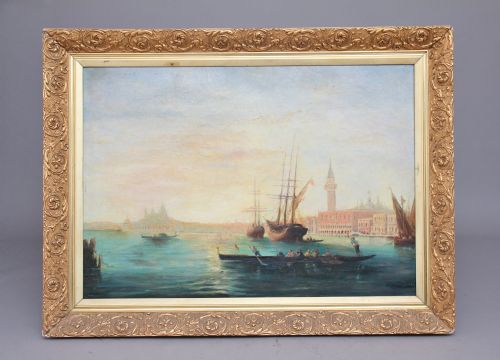


Antique Venice Cityscape Art
Antique venice cityscape art captures the light and water of the lagoon, offering a enduring view of canals and palazzos.
Antique Venice Cityscape Art
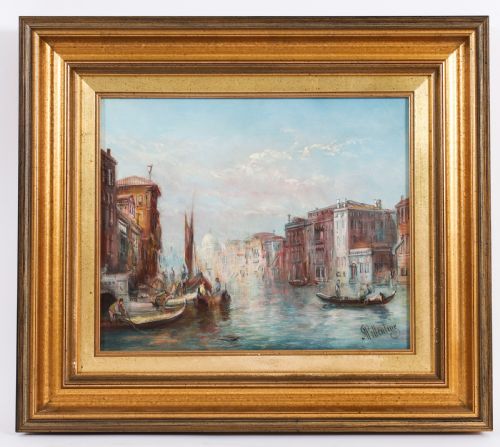
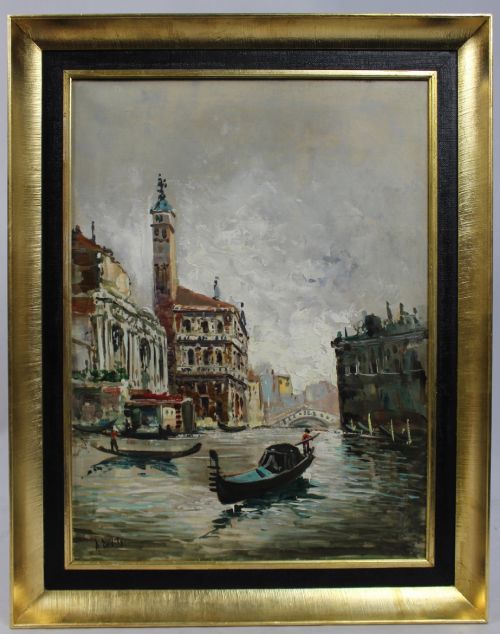
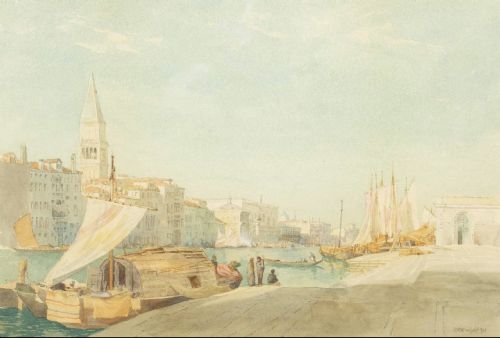
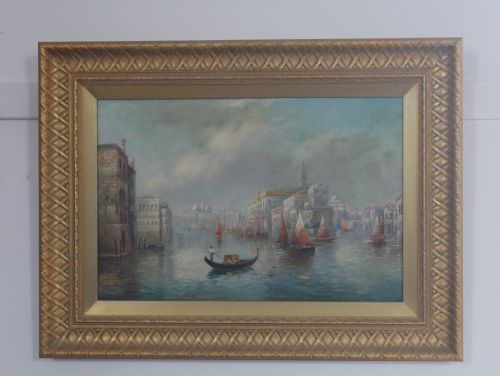
Antique venice cityscape art encompasses oil paintings and watercolour paintings depicting the canals, lagoons, and historic architecture of the city. These works record famous landmarks such as the Grand Canal, the Doge's Palace, and the Santa Maria della Salute through the eyes of various painters.
Buyers encounter oil on canvas and watercolour paintings spanning the nineteenth century and the early twentieth century. Common subjects include gondoliers passing beneath bridges, moonlight scenes, and bustling views from the Molo.
The selection ranges from Victorian fine art and romantic interpretations to impressionist and traditional Italian depictions. Each piece reflects the enduring appeal of Venetian waterborne architecture and atmospheric light.
Materials and Techniques
Painters utilised oil paint on canvas or board to build luminous layers representing the shimmering water and stone facades of the lagoon. Watercolour paintings on paper capture lighter, more transparent effects, often enhanced with pastel, gouache, or ink pen details.
Canvases and watercolours are frequently housed in period frames constructed from wood, gilded wood, and gesso. These frames provide structural support and historical context that complement the visual depth of the artwork.
Gondoliers navigate countless painted canals without ever getting their feet wet.
Distinctions in Quality
The strength of a composition depends upon the handling of light and perspective across water and stone. Works by established nineteenth-century and twentieth-century painters demonstrate a confident command of atmospheric tone and architectural proportion.
Materials and framing also contribute to the distinction of a piece. Original giltwood and gesso frames that match the period of the painting elevate the overall integrity of the work compared to later replacements.
Alfred Pollentine·Richard Henry Wright·Claude Jousset·Antonietta Brandeis·Marc Aldine·Jane Vivian·William Raymond Dommersen·Vittore Zanetti Zilla·David Law·Henry Wimbush·Charles Clement Calderon·Helen Donald-Smith
The Antique Venice Cityscape Art Glossary
- Grand Canal
- The principal water-traffic channel in Venice, frequently depicted in nineteenth-century and twentieth-century paintings. It winds in a large reverse-S shape through the central districts of the city.
- Dogana
- The former customs house of Venice situated at the tip of the Dorsoduro district. This building appears often in townscapes alongside the Santa Maria della Salute.
- Gesso
- A plaster-like mixture applied to wood frames before gilding or painting. It provides a smooth surface for ornate decorative moulding.
- Watercolour
- A paint consisting of pigment suspended in a water-based solution. Artists use it on paper to create luminous, translucent effects.
- Impressionism
- An art style focused on capturing the visual impression of the moment, particularly regarding shifting light and colour. This approach appears in several Italian and French interpretations of the Venetian lagoon.
Antique Venice Cityscape Art: Frequently Asked Questions
What subjects appear in antique Venice cityscape art?
These works typically show iconic Venetian landmarks including the Grand Canal, the Doge's Palace, and the Santa Maria della Salute. Painters also recorded everyday scenes of gondolas and the lagoon.
Compositions range from bustling townscapes near the Molo to quieter nocturnal views rendered in pastel and gouache.
Which periods do these paintings come from?
The available pieces originate mainly from the nineteenth century and the early twentieth century, spanning Victorian fine art through to impressionist movements.
Artists working across these decades employed both oil on canvas and watercolour to record the changing appearance of the city.
How should I frame and display these watercolours?
Watercolour paintings require protection from direct sunlight to prevent fading of the pigments on paper. Framing behind conservation glass helps maintain the condition of the paper and any ink or gouache details.
Displaying them in period wooden or giltwood frames preserves the historical aesthetic appropriate to their era.
What is the difference between oil and watercolour versions?
Oil paintings on canvas offer heavier texture and deeper layers of pigment that capture the rich light of the Venetian sky and water. Watercolours on paper provide a lighter, more immediate impression of atmosphere.
Both mediums were widely used by painters documenting the canals during the Victorian and Edwardian periods.