

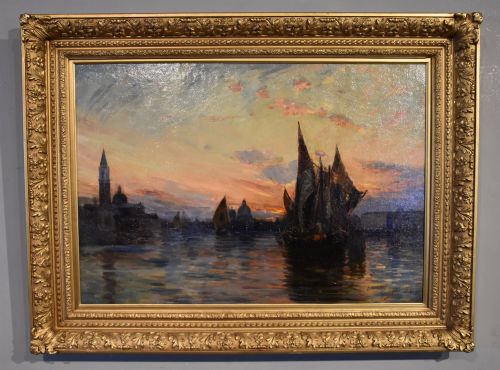


Antique Venetian Seascape
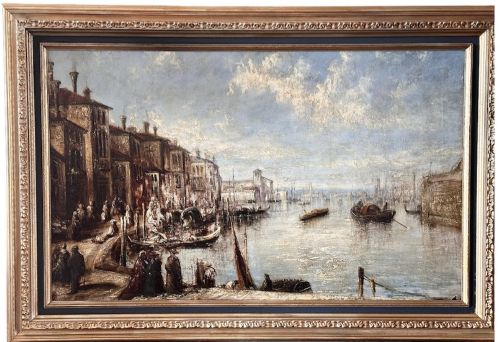
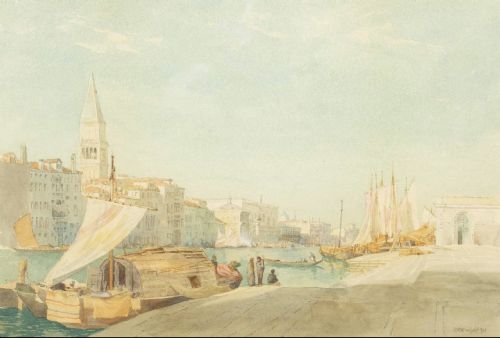
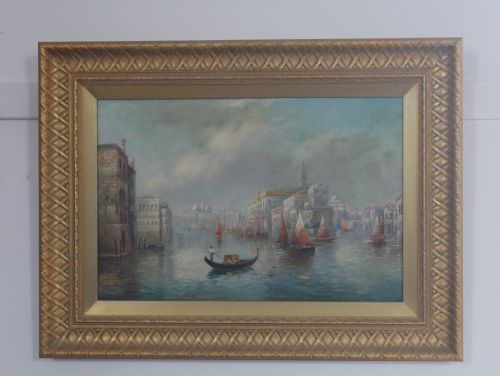
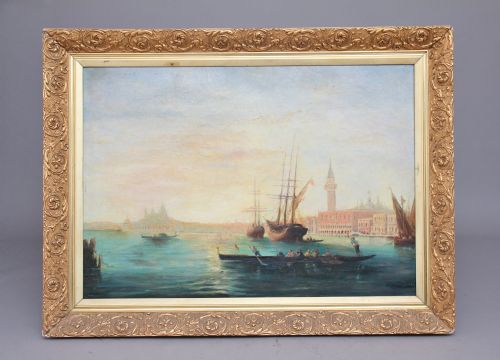
An antique venetian seascape captures the enduring light and water of the lagoon, bringing centuries of Italian atmosphere directly into a room.
Antique Venetian Seascape
An antique venetian seascape represents the canals, lagoons, and architectural landmarks of Venice, recorded through centuries of artistic tradition. When exploring an antique venetian seascape, buyers encounter works that capture the unique atmosphere of the Grand Canal, the Ducal Palace, and the surrounding waters.
The pieces available span from the Victorian and Edwardian eras into the mid-twentieth century, showing how generations of artists viewed the Italian city. Oil paintings and watercolours dominate the selection, offering both detailed townscapes and impressionistic studies of light on water.
How They Were Made
Artists created these works primarily using oil on canvas or watercolour on paper, often framing the finished pieces in wood, gesso, and giltwood. The physical construction relies on stretched canvas or heavy paper supports housed within decorative period frames.
Techniques range from precise architectural rendering in oil to loose, fluid watercolour washes that capture the reflections of the Venetian lagoon. Pigments were applied to build up the luminous skies and shimmering water characteristic of these coastal scenes.
Materials documented across the listings include oil on canvas, watercolour, paper, gesso, and giltwood.
What Varies in Quality
Quality rests upon the artist's ability to handle light and atmosphere, distinguishing skilled painters from more mechanical copyists. The dexterity of the brushwork in rendering water reflections and complex architecture determines the artistic merit of each piece.
The preservation of the canvas or paper surface, alongside the originality and condition of the accompanying giltwood or gesso frame, influences the overall integrity of the work.
Francis Moltino·Richard Henry Wright·Thomas Hodgson Liddell·Jane Vivian·Alfred Pollentine·William Raymond Dommersen·Frank Wasley·William Knox·George Stanfield Walters·Wilfred Knox·Henry Wimbush·John D Walker·Arthur Severn
The Antique Venetian Seascape Glossary
- Oil on canvas
- A painting medium using pigments suspended in a drying oil, applied to a stretched woven fabric support. This method allows for rich colour blending and textured brushwork.
- Watercolour
- A painting method where water-soluble pigments are used on paper to create translucent washes of colour. It is particularly suited for capturing light and atmospheric effects.
- Giltwood
- Wood carved and coated with gold leaf or a gold-coloured metallic finish used extensively for decorative picture frames. It adds warmth and reflection to the artwork it surrounds.
- Gesso
- A paint mixture consisting of a neutral binder mixed with chalk, gypsum, or pigment, used to prepare surfaces for painting or to build up decorative frame mouldings.
- Townscape
- A visual depiction of the physical aspects of a city or urban area, focusing on buildings, streets, and canals rather than purely natural landscapes.
Antique Venetian Seascape: Frequently Asked Questions
What periods do these paintings cover?
The selection spans from the nineteenth century through the Edwardian period and into the mid-twentieth century. Works reflect Victorian sensibilities as well as later impressionistic approaches.
Dates range from the mid-nineteenth century up to nineteen sixty, capturing changing artistic interpretations of the Italian lagoon over time.
Which materials are most common?
Oil on canvas and watercolour on paper form the primary mediums used by the artists. These are frequently housed in traditional wooden, gesso, and giltwood frames.
Support materials also include paper, pastel, gouache, and ink for smaller drawings and mixed media studies.
How do I hang a giltwood frame?
Giltwood and gesso frames require secure wall fixings suited to the combined weight of the heavy wooden structure and the painting. Professional picture hooks and sturdy cord ensure proper support.
Placement should avoid direct sunlight and damp environments to protect both the delicate gilt finish and the canvas or paper within.
How can I tell the era apart?
Nineteenth-century works often feature detailed architectural precision and Romanticism, while later Edwardian and twentieth-century pieces lean towards impressionism.
Frame styles, canvas types, and artist signatures also help establish the chronological context of each individual piece.