

Antique Velvet Frame
An antique velvet frame brings tactile warmth and period richness to interior spaces, holding photographs and mirrors with distinct historic character.
Antique Velvet Frame
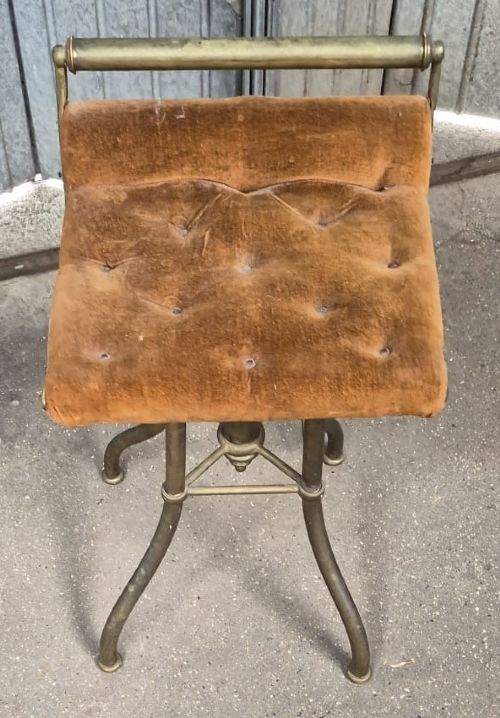
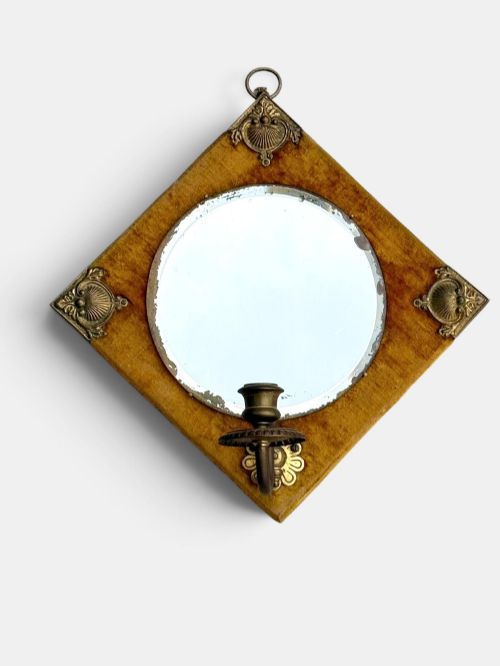
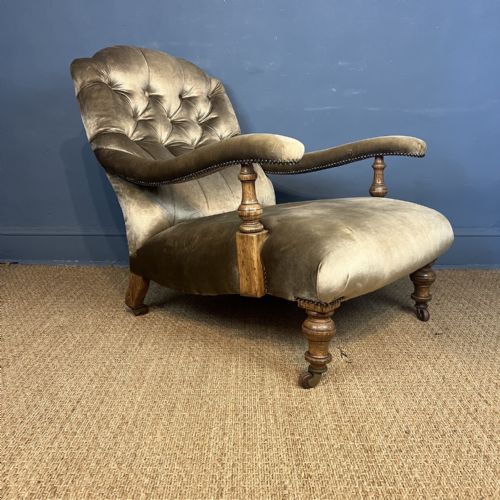
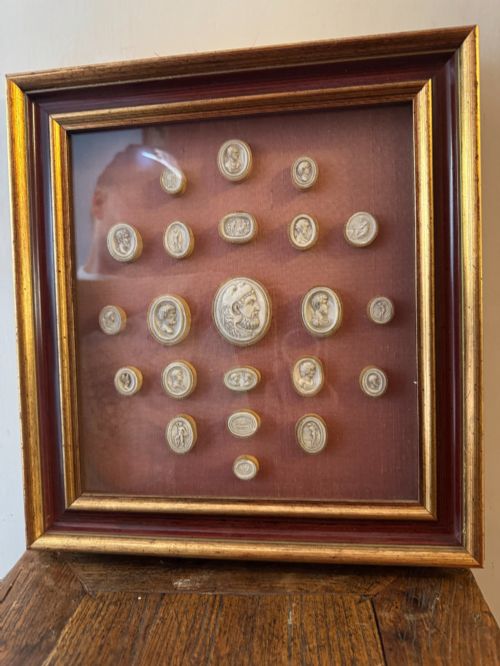
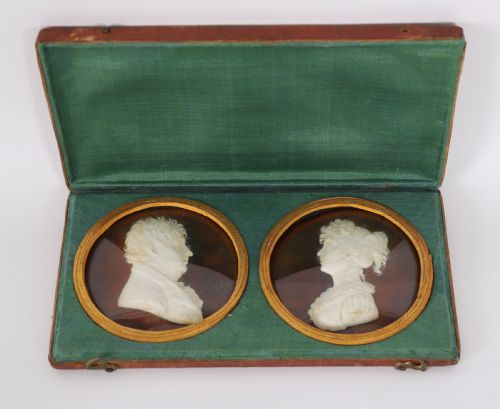
When searching for an antique velvet frame, buyers encounter pieces primarily originating from the nineteenth century, including Victorian and Edwardian examples. These items incorporate plush fabric borders surrounding glass, photographs, or mirrors.
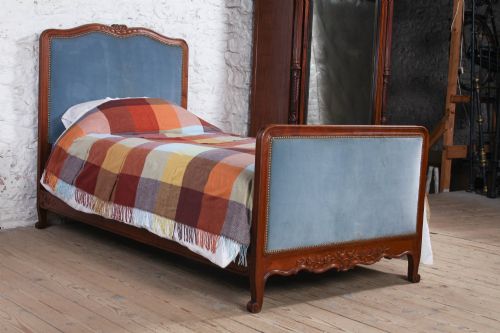
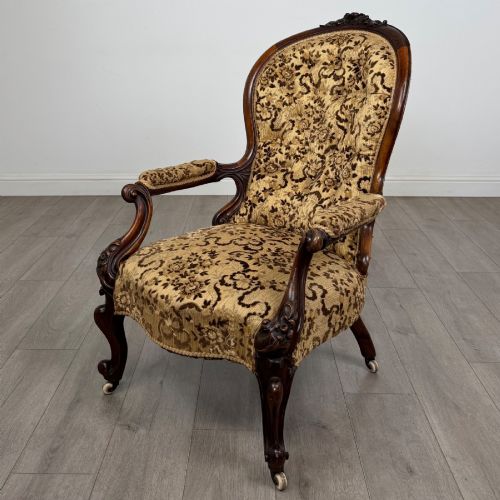
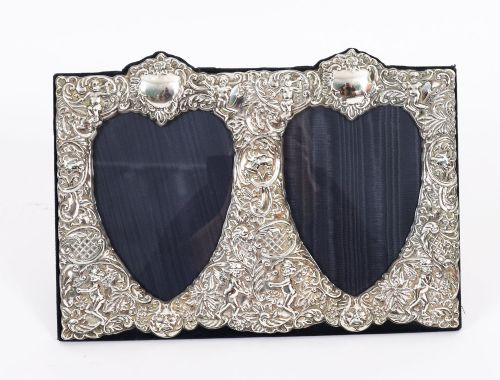
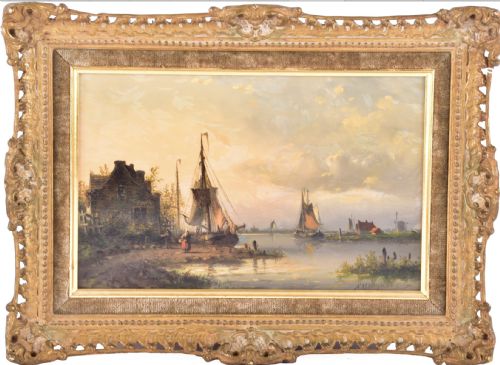
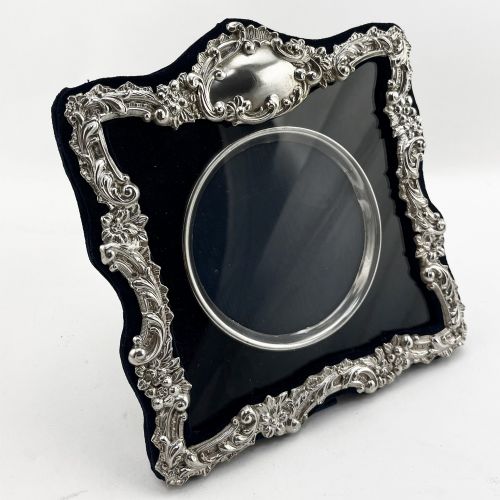
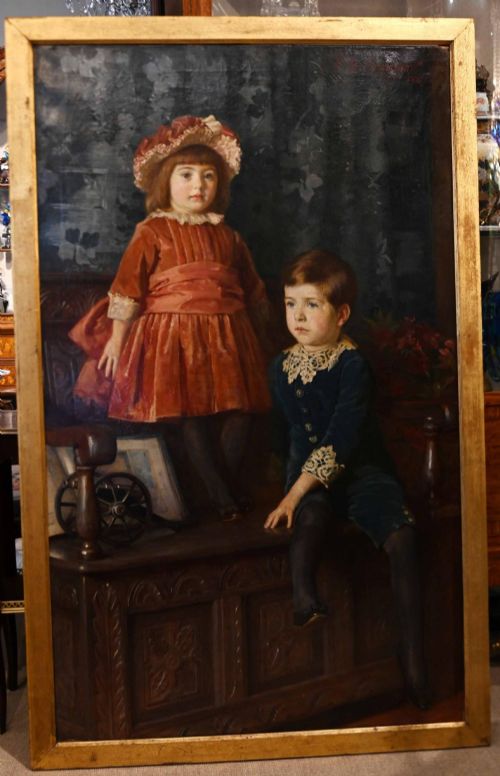
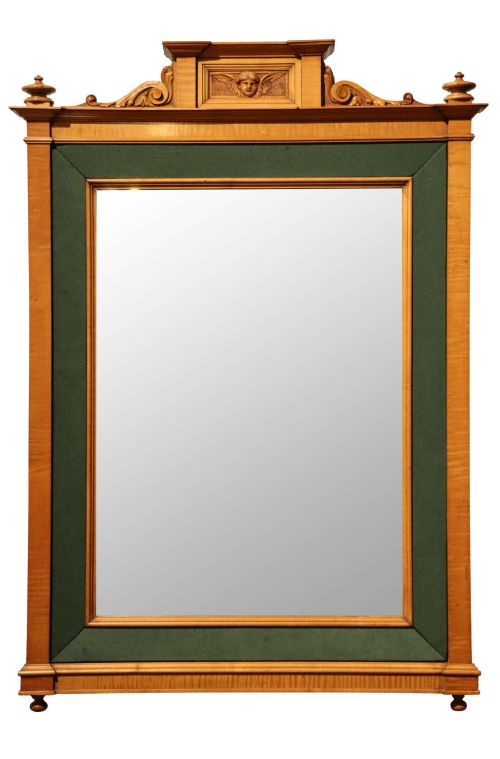
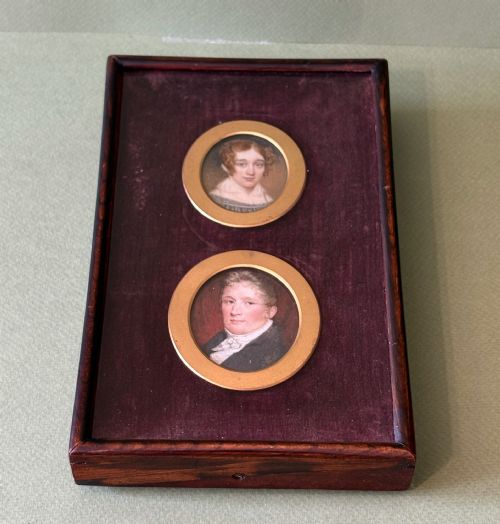
The selections on this page range from small tabletop picture frames in sterling silver with velvet backing to wall mirrors and portraits featuring fabric mounts. The textile provides a soft contrast to polished metal, carved wood, or gilt details.
Construction methods and materials vary according to the prevailing styles of the nineteenth and early twentieth centuries, drawing on Victorian and Edwardian design vocabulary. Many survive with their original glass and backing intact.
Materials and construction methods
Makers constructed the foundational structure of these pieces using woods such as walnut, oak, and satinwood, or metals including sterling silver and brass. Workers then stretched velvet tightly over padded bases or wooden carcases to create the characteristic tactile border.
Detailing often involved decorative brass mounts, carved wooden crests, or silver hallmarks that indicate the year of manufacture. Glass elements protected the inner artwork, photograph, or mirror plate from dust and handling.
Antique Velvet Frame Retail Price Guide 2026
Typical asking prices for velvet frame among the pieces listed under this phrase on Sellingantiques today, from the lower quarter to the upper quarter. They describe what is for sale here now, not the wider market.
Listings on this page span the 19th century and the Edwardian period, incorporating materials like sterling silver, brass, walnut, and velvet.
Distinguishing quality in velvet frames
Quality rests in the integrity of the textile nap, the weight of the underlying metal or timber structure, and the crispness of any applied mounts or silver hallmarks. Denser pile velvet retains its depth and colour better over decades of handling.
Superior examples display precise joinery in the wooden or metal frames and secure fastenings for the backing boards. The harmony between the fabric colour and the supporting material defines the visual success of the piece.
Henry Matthews·Walker and Hall
The Antique Velvet Frame Glossary
- Velvet
- A woven tufted fabric in which the cut threads are distributed in a short, dense pile, giving it a distinctive soft feel.
- Sterling silver
- An alloy of silver containing 92.5% by mass of silver and 7.5% by mass of other metals, commonly utilised in Edwardian and Victorian picture frames.
- Edwardian
- Pertaining to the period of the reign of King Edward VII from 1901 to 1910, often characterised by lighter, more refined decorative arts.
- Victorian
- Relating to the reign of Queen Victoria from 1837 to 1901, encompassing diverse revival styles and robust construction methods.
- Hallmark
- An official mark stamped on items made of precious metals, indicating standard of purity and origin.
Antique Velvet Frame: Frequently Asked Questions
How do I clean an antique velvet frame?
Dust the velvet gently with a soft, dry brush to lift surface particles without crushing the pile. Avoid applying liquid cleaners or water directly to the fabric.
For metal or wooden components surrounding the velvet, use a dry cloth appropriate for the specific material. Keep the piece away from direct sunlight to prevent the textile colour from fading.
What periods do these frames date from?
The pieces available date predominantly from the nineteenth century through the Edwardian era, spanning Victorian production and the early 1900s.
Specific dates often appear in hallmarked silver mounts or accompanying documentation. Stylistic cues such as brass fittings and wood types help confirm the manufacturing era.
Are velvet frames fragile?
The fabric pile requires gentle handling to avoid permanent flattening or abrasion over time. Proper placement away from high-traffic zones protects the textile borders.
The underlying wooden or metallic structure generally provides sturdy support for the glass and backing board. Regular indoor conditions maintain the stability of both wood and fabric.
Can I replace the photograph inside?
Most frames feature removable backing boards secured by pins or clips, allowing access to the interior space. Care must be taken not to strain the historical hinges or the surrounding velvet mount.
Retaining original photographs or portraits adds historical context, but updating the contents remains a common practice for modern display.