


Antique Velvet Box
An antique velvet box holds personal treasures, and these fabric-lined containers bring tactile warmth and period elegance to dressing tables and desks.
Antique Velvet Box
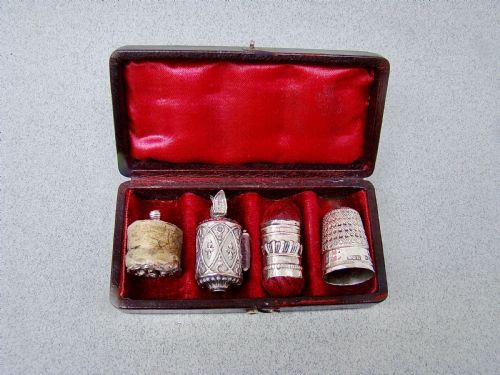
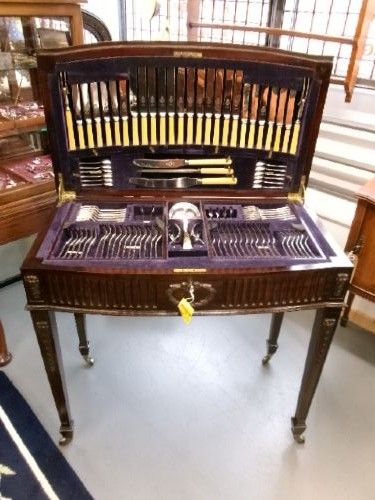
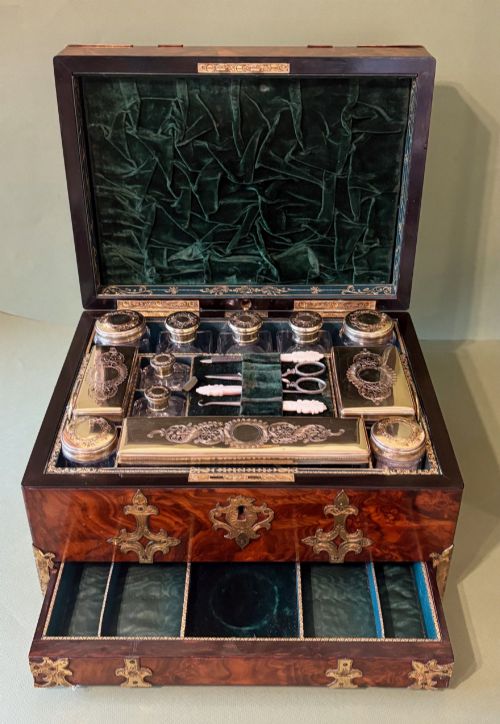
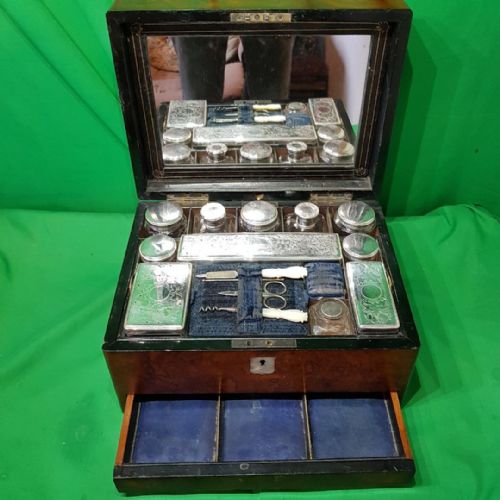
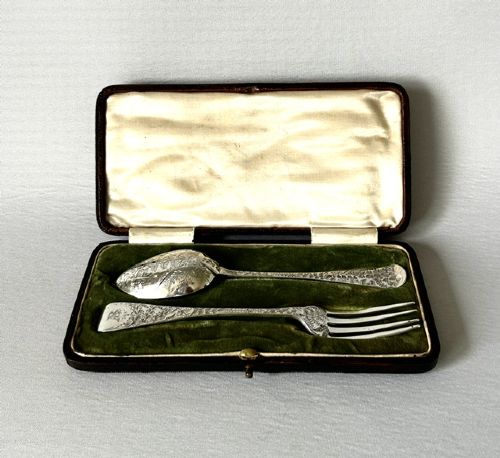
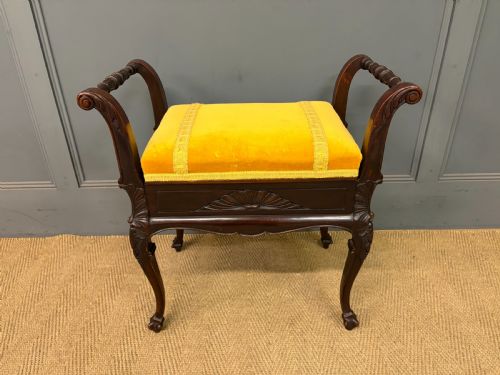
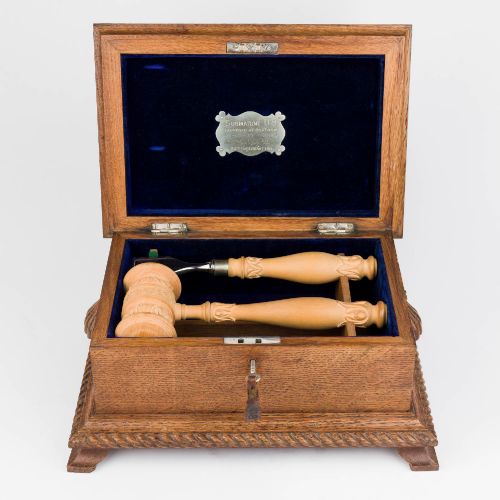
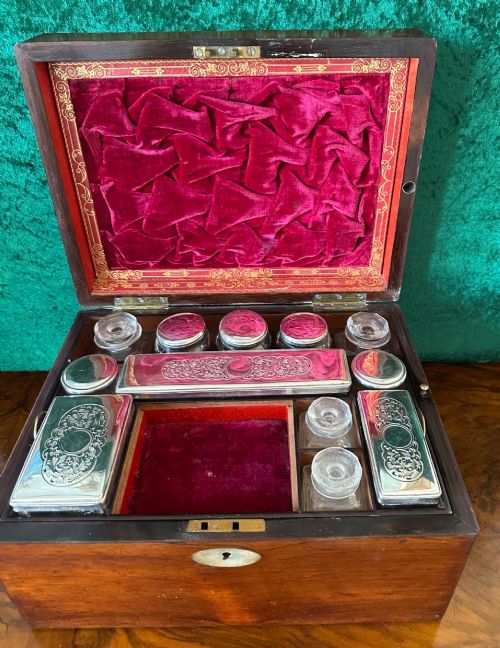
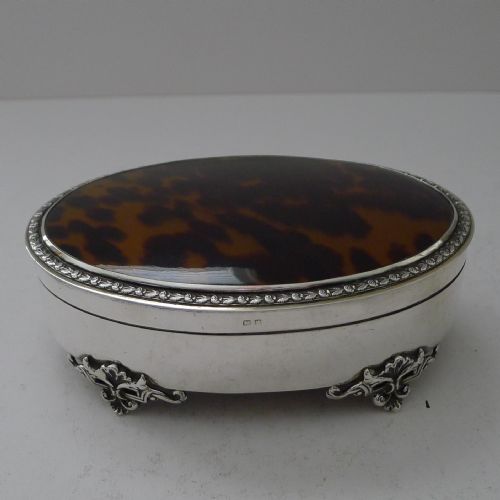
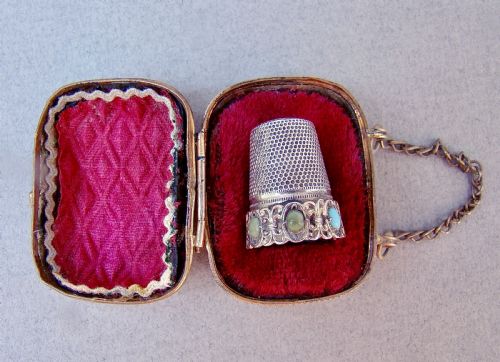
When buyers search for an antique velvet box, they typically encounter container forms spanning the nineteenth and early twentieth centuries, including jewellery cases, dressing boxes, and fitted travel sets. These pieces range from compact vanity boxes designed for personal trinkets to larger display tables and storage chests lined with soft fabrics.
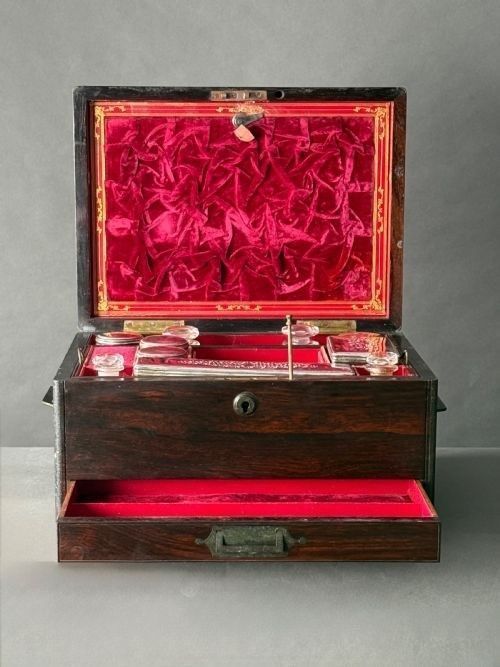
Victorian and Edwardian examples predominate in this selection, often combining rich textiles with solid timber frames such as rosewood, mahogany, or walnut. Makers frequently incorporated brass mounts, glass lids, or fitted compartments to organise contents securely.
Beyond standard jewellery containers, the category extends to specialised receptacles like lancet cases, display tables, and sewing boxes. Each variant demonstrates the period preference for combining practical utility with refined decorative exterior surfaces.
How they were made
Craftsmen built the structural carcases of these boxes using dense hardwoods like mahogany, rosewood, walnut, and coromandel, frequently applying polished veneers or brass banding to reinforce the edges and corners.
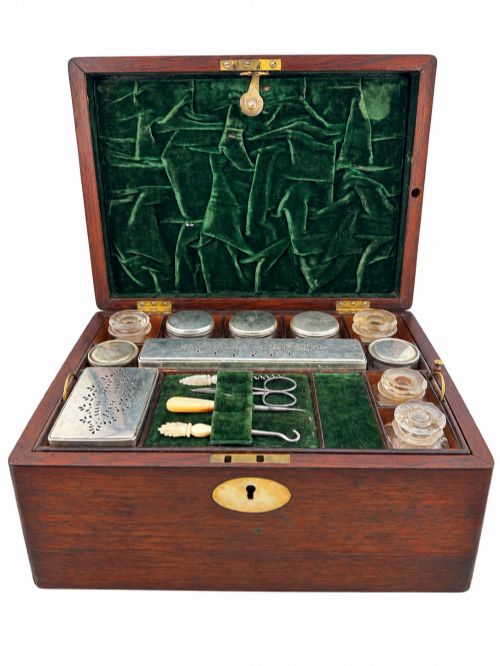
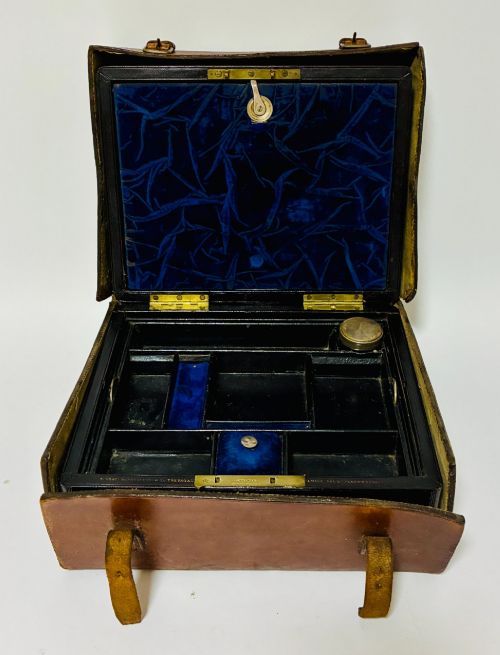
Interiors relied on plush velvet linings, often paired with satin or silk panels, designed to cushion delicate glass bottles, silver implements, and jewellery pieces within dedicated slots.
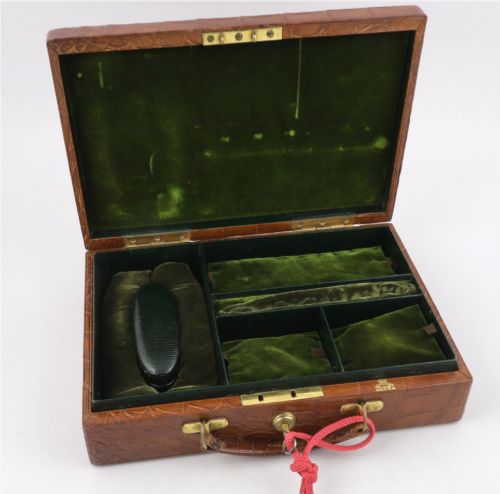
Exterior ornamentation involved cast or chased ormolu mounts, mother-of-pearl inlay, and leather or crocodile skin coverings fixed with small pins or specialised adhesives.
Antique Velvet Box Retail Price Guide 2026
Typical asking prices for velvet box among the pieces listed under this phrase on Sellingantiques today, from the lower quarter to the upper quarter. They describe what is for sale here now, not the wider market.
Some velvet-lined compartments still retain faint traces of nineteenth-century lavender water.
What varies in quality
Distinctions in quality rest upon the selection of timber and the precision of internal cabinetry, where tight joinery and well-fitted trays separate standard production from superior workshop output.
The preservation of the original velvet lining and associated internal fittings determines the integrity of the piece, as replaced fabrics alter the authentic character of the interior.
Exterior hardware, including functioning brass locks, engraved escutcheons, and crisply chased ormolu mounts, indicates the level of investment a maker dedicated to the original commission.
J C Vickery·F West·John Millikin·Hallett And Sons·W E Hill
The Antique Velvet Box Glossary
- Bijouterie table
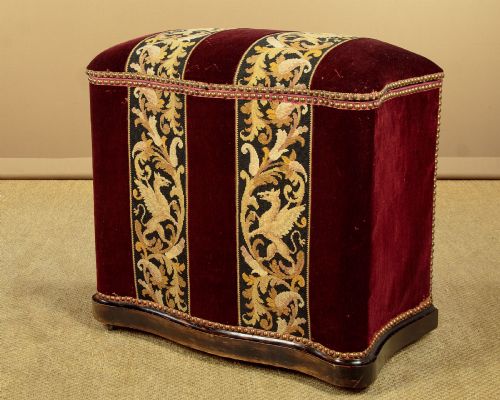
- A glass-topped display table with a velvet-lined interior designed for showing small ornaments and jewellery. These tables gained popularity during the Victorian and Edwardian periods.
- Ormolu
- Gilded bronze or brass mountings applied to furniture and boxes for decorative effect. This technique was widely utilised in French Rococo Revival pieces.
- Coromandel
- A dense, heavily grained East Asian timber prized for dark brown colouring and contrasting streaks. Makers used it for luxury nineteenth-century travelling and vanity boxes.
- Escutcheon
- A protective plate surrounding a keyhole, often fashioned from brass or mother-of-pearl. It prevents the surrounding wood from wearing away through repeated use of the key.
- Fitted interior
- An internal arrangement of compartments, removable trays, and holders tailored for specific items like perfume bottles or razors. These setups demonstrate the bespoke nature of high-end vanity cases.
Antique Velvet Box: Frequently Asked Questions
What fits inside an antique velvet box?
These containers held various personal items depending on their intended purpose, ranging from rings and necklaces to complete sets of glass perfume bottles and silver dressing implements.
Smaller variants suited daily trinkets, while larger travelling cases accommodated grooming tools, letters, and sewing accessories in dedicated internal tiers.
How do I care for velvet linings?
Protect the fabric by keeping the container away from direct sunlight, which fades rich dyes, and avoid exposure to high humidity to prevent mould growth.
Dust the interior gently with a soft, dry brush rather than liquid cleaners, as moisture can weaken the historic adhesives securing the textile to the timber base.
How do I distinguish Victorian from Edwardian boxes?
Victorian examples tend to feature darker, heavily figured timbers like rosewood and burr walnut, often paired with ornate brass mounts and deep, saturated velvet colours.
Edwardian pieces frequently display lighter mahogany or inlaid satinwood frames, reflecting a shift towards airier aesthetic preferences in household furnishings.
Were these boxes used for travel?
Many luxury examples functioned as portable dressing cases, built with robust timber carcases and secure brass locks to withstand carriage journeys.
Internal partitions secured glass bottles and silver items firmly during transit, allowing owners to maintain their daily grooming routines away from home.