


Antique Vanity Table Glass
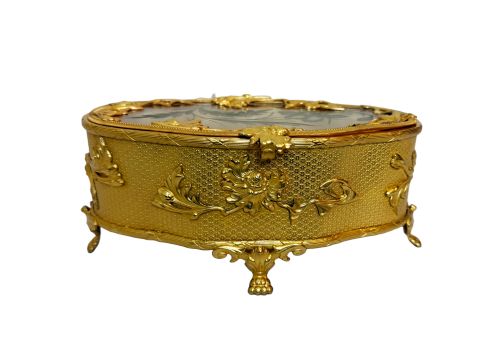
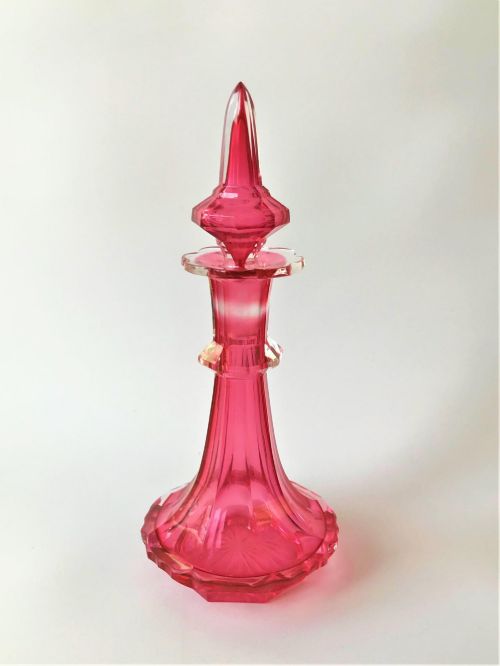
Antique vanity table glass brings together scent bottles, trinket boxes and jars mounted in silver and precious metals for the dressing table.
Antique Vanity Table Glass
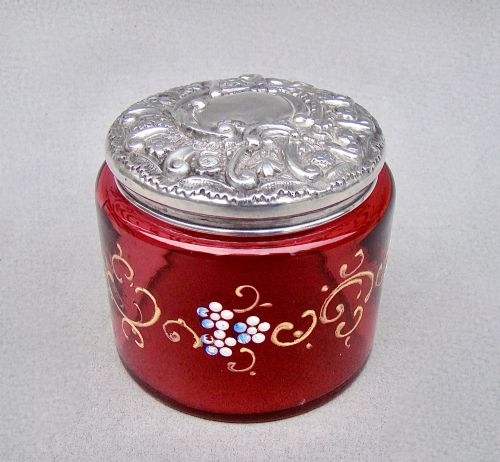
Antique vanity table glass encompasses vessels designed for powders, perfumes, and personal trinkets used across the Georgian, Victorian, Edwardian, and Art Deco periods. These objects sit upon dressing tables and toilet mirrors, often paired with matching silver-mounted brushes and hand mirrors.
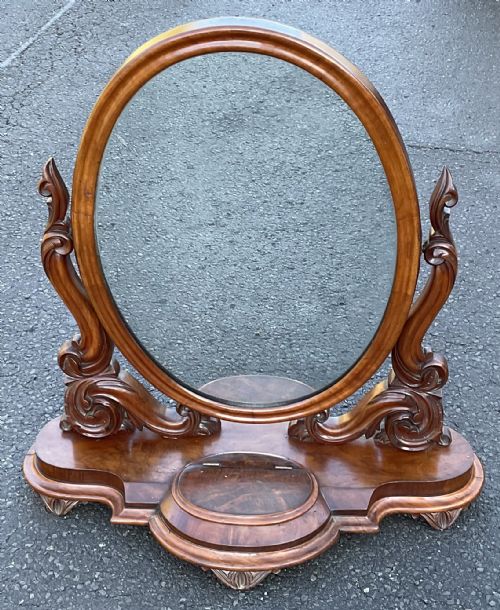
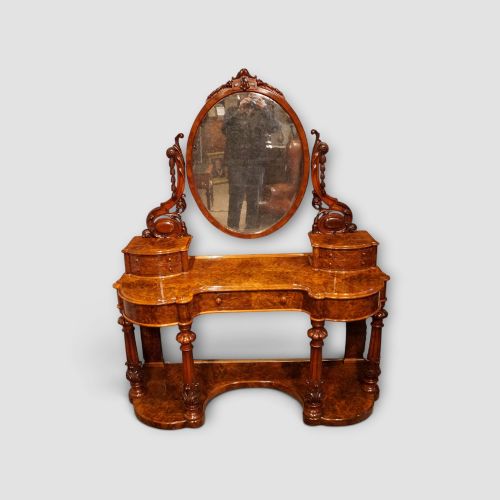
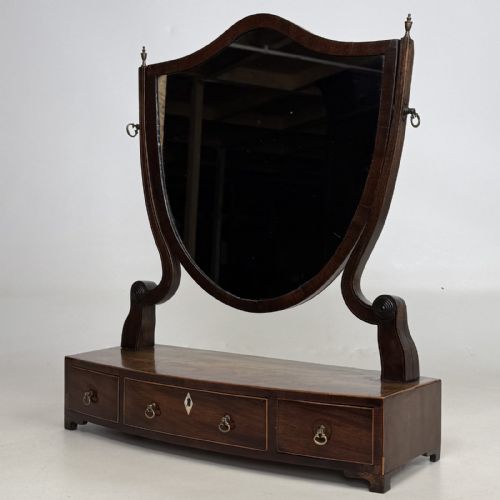
Alongside smaller desk vessels, the category includes related dressing mirrors framed in mahogany, walnut, rosewood, and brass. Each item reflects the domestic dressing rituals of past centuries, combining functional storage with decorative craftsmanship.
How they were made
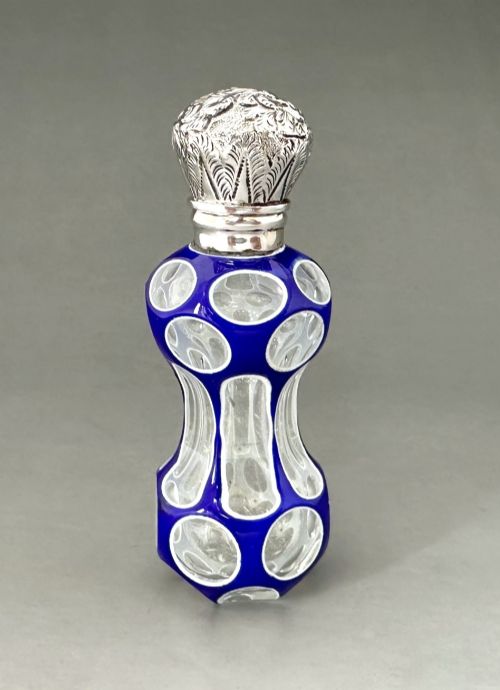
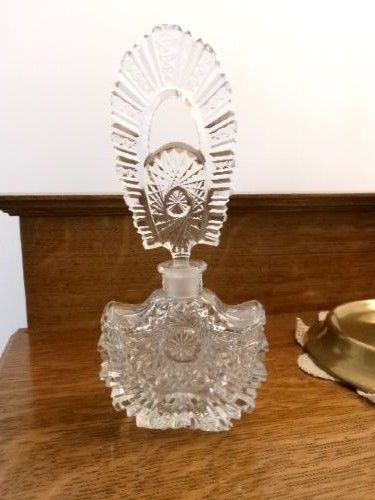
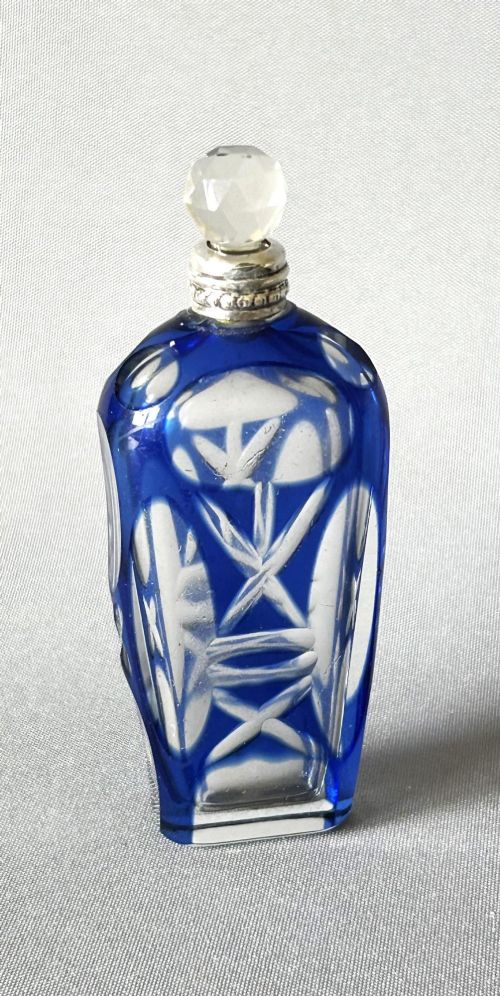
Glass vessels were shaped through blowing and moulding, utilising techniques that produced coloured, frosted, satin, and heavy cut crystal finishes. Makers incorporated treatments such as crackle glass and geometric cutting to catch the light on dressing surfaces.
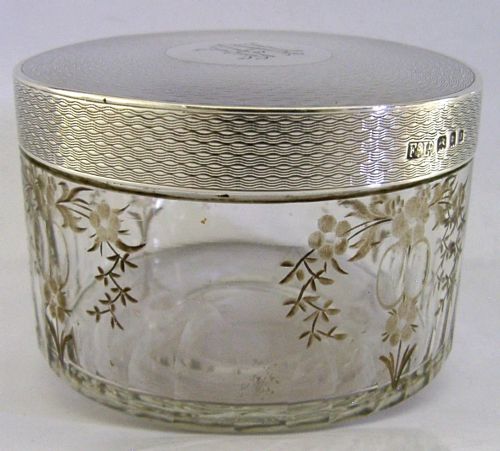
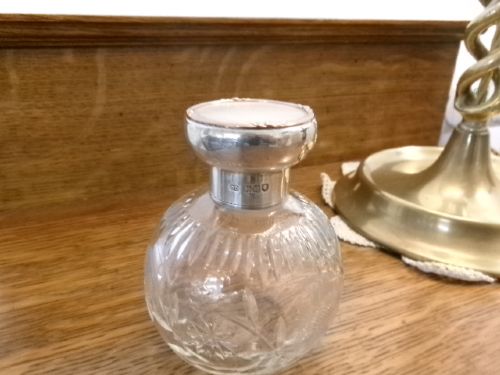
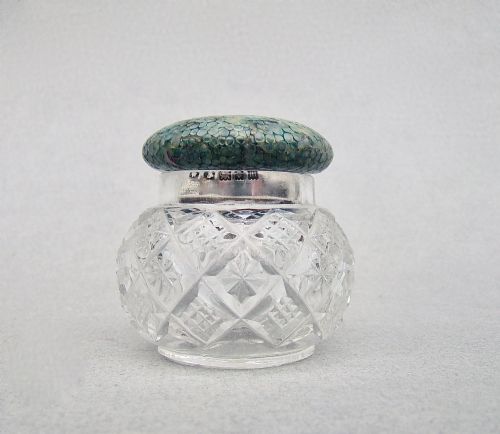
Mounts and lids were fashioned from sterling silver, brass, and gilt metals, frequently hallmarked to record the assay office and year of production. These metal fittings were secured to glass rims with specialised adhesives and threaded collars.
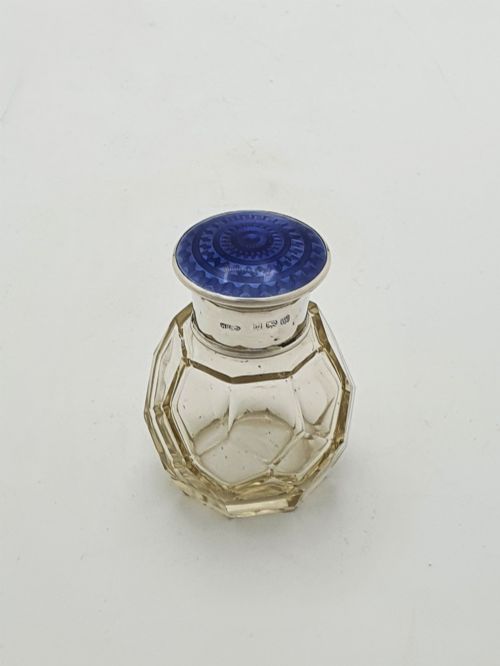
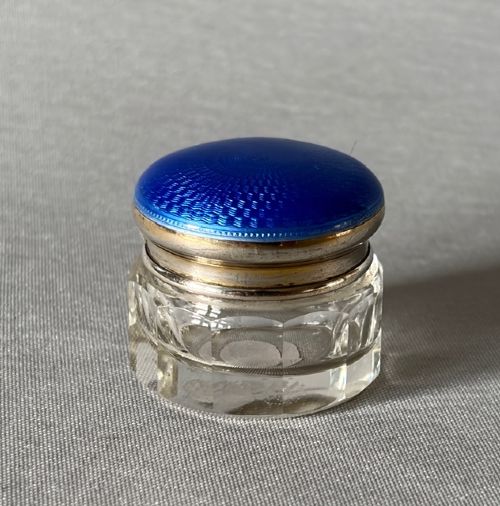
Decorative lids and boxes often integrated additional media, including hand-painted porcelain plaques, tortoiseshell, and guilloche enamel. Wooden dressing mirror frames utilised traditional cabinet-making timbers like mahogany, walnut, and oak, often finished with carved details and original mirror plates.
Antique Vanity Table Glass Retail Price Guide 2026
Typical asking prices for vanity table glass among the pieces listed under this phrase on Sellingantiques today, from the lower quarter to the upper quarter. They describe what is for sale here now, not the wider market.
A tiny tortoiseshell lid clicks shut on a dressing jar, keeping nineteenth-century secrets safe.
What varies in quality
Quality rests upon the crispness of the glass cutting, the weight of the metal mounts, and the preservation of delicate elements like enamel and porcelain. Finer vessels display deep, sharp facets in cut crystal and precise geometric lines on Art Deco pieces.
The integration between the glass body and the metal mount indicates the standard of manufacture, where superior items show seamless alignment without excess adhesive. Hallmark clarity and the presence of named makers or registered designs elevate the standing of individual pieces.
George May·A. J. Pepper & Co·Henry Clifford Davis·A. Bromet & Co·Rene Lalique·Heal & Sons
The Antique Vanity Table Glass Glossary
- Guilloche enamel
- A decorative technique involving precise mechanical patterns engraved beneath a translucent coloured enamel layer. This finish appears frequently on Edwardian and Art Deco vanity jar lids.
- Toilet mirror
- A smaller mirror designed to sit on top of a dressing chest or table, popular throughout the Georgian and Victorian eras. These often feature small box bases fitted with tiny drawers.
- Cut glass
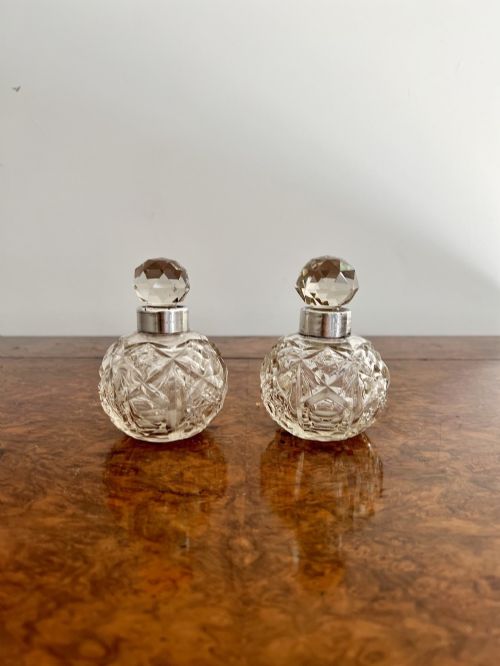
- Glassware shaped and patterned by grinding wheels, creating sharp facets that reflect light. It forms the heavy body of many nineteenth-century scent bottles and powder jars.
- Silver gilt
- Silver that has been coated with a thin layer of gold, providing a rich yellow-gold appearance. This treatment is often found on interior mounts and luxury nineteenth-century boxes.
Antique Vanity Table Glass: Frequently Asked Questions
What is antique vanity table glass?
Antique vanity table glass refers to decorative glass containers used on dressing tables for perfumes, colognes, powders, and small trinkets. These items date primarily from the nineteenth and early twentieth centuries.
Many examples feature sterling silver lids, hinged mounts, or hand-painted details created to adorn elite dressing rooms.
How do I date a silver mounted scent bottle?
Dating silver-mounted glass relies heavily on the hallmarks stamped into the metal components. These marks reveal the assay office, the year of production, and frequently the silversmith.
Stylistic indicators such as heavy Victorian cutting or geometric Art Deco shapes also help narrow down the manufacturing decade.
How were dressing mirrors used?
Dressing mirrors were placed upon tables to assist with personal grooming, hair styling, and adjusting attire. Many designs included small drawers for storing cosmetics and pins.
Over the centuries, frames evolved from simple walnut toilet mirrors to large mahogany swiveling desk glasses.
How do I clean antique glass and silver?
Cleaning requires gentle care to protect delicate glass surfaces, enamel work, and aged silver mounts. Warm soapy water and a soft cloth suit the glass body.
Silver polish must be kept away from glass and enamel to prevent staining, applying it cautiously only to the metal elements.