

Antique Vanity Table Box
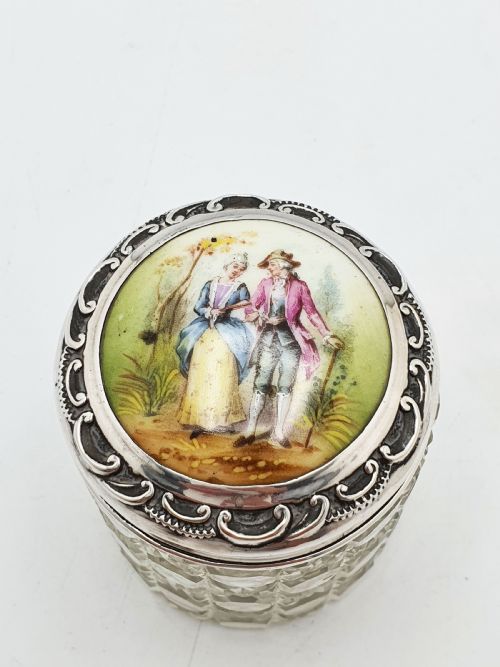
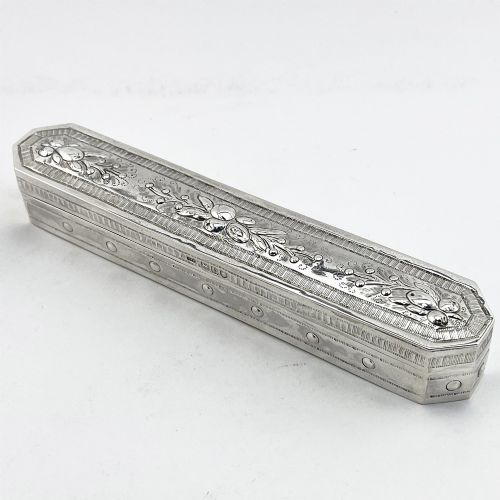
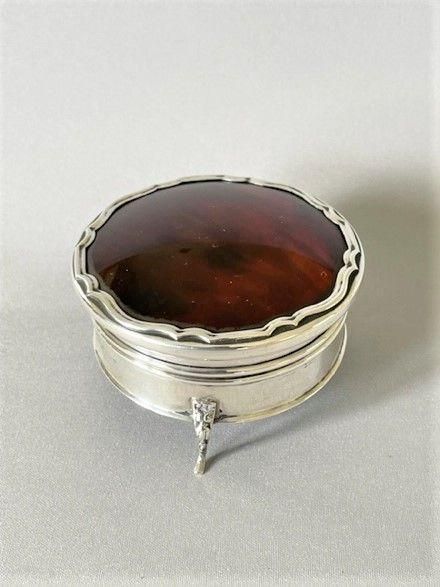
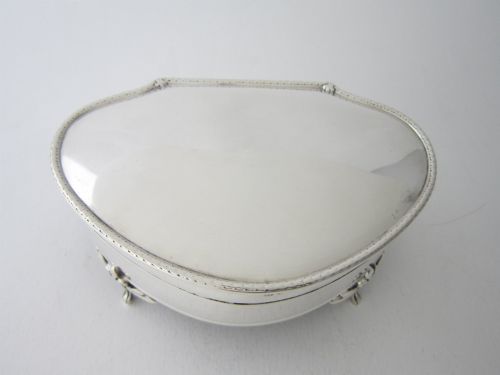
When you search for an antique vanity table box, you are looking at small dressing cases and containers designed to hold cosmetics, trinkets, and personal items.
Antique Vanity Table Box
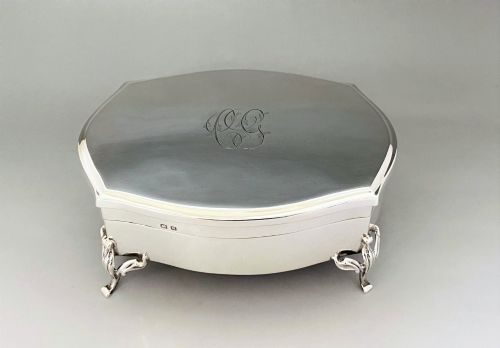
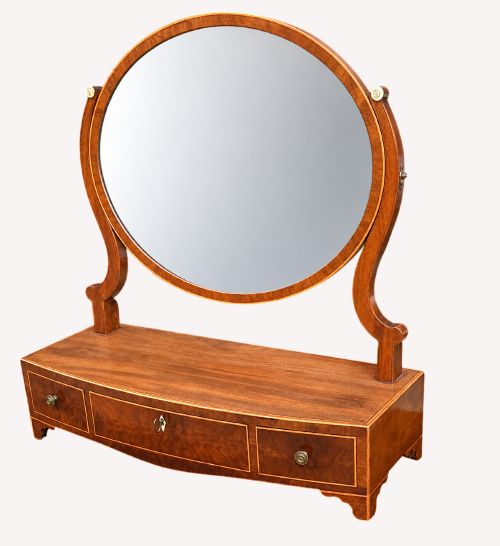
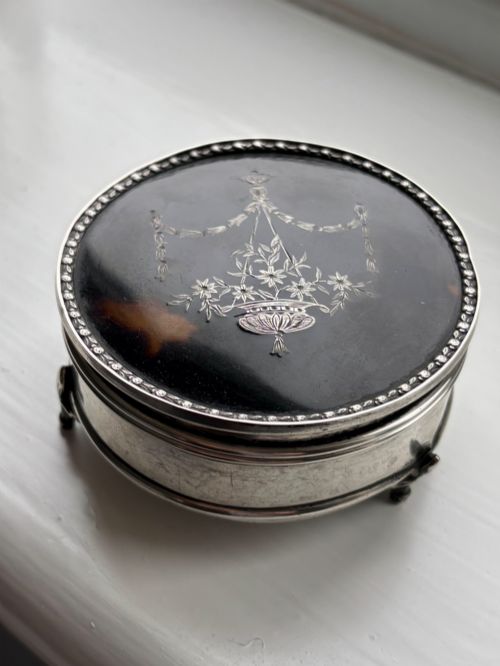
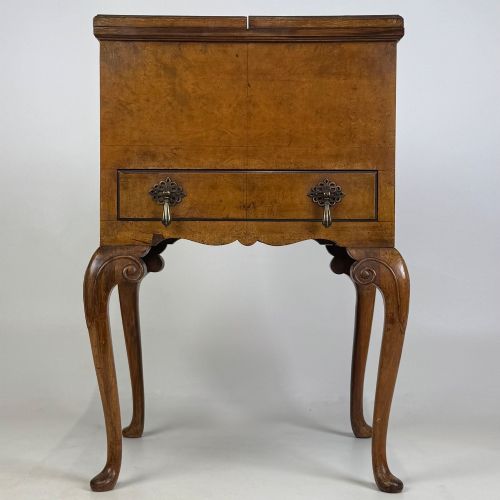
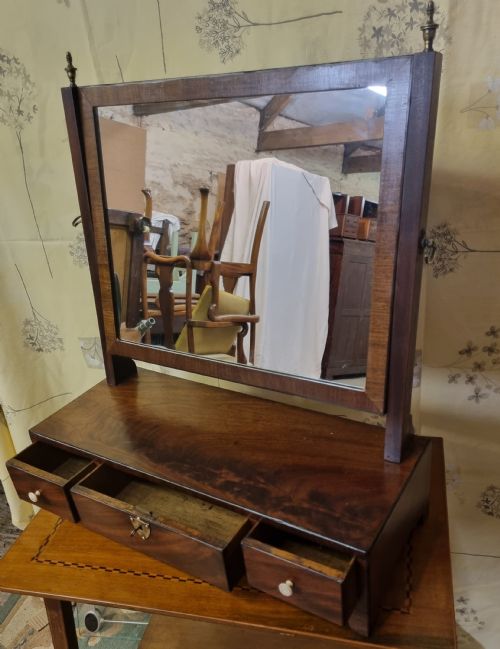
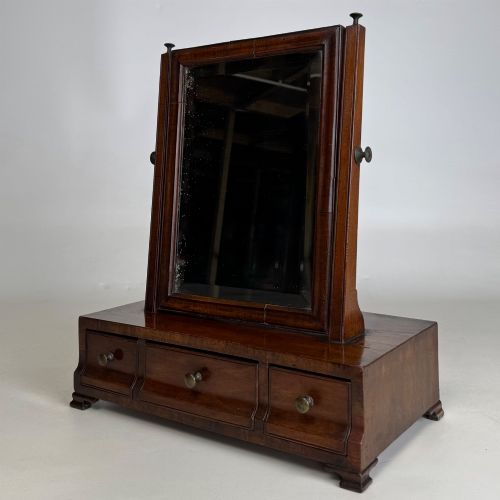
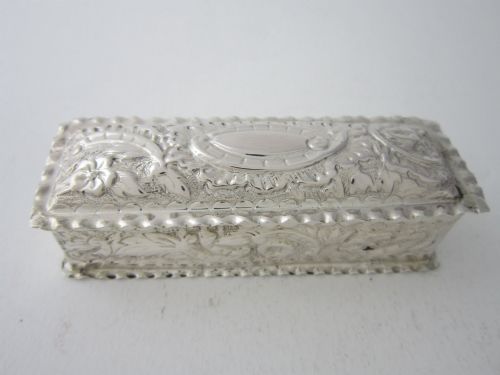
An antique vanity table box spans small containers, trinket receptacles, and dressing table mirrors found across the Georgian, Victorian, and Edwardian periods. These objects sit upon dressing tables and sideboards to hold jewellery, pins, and cosmetics.
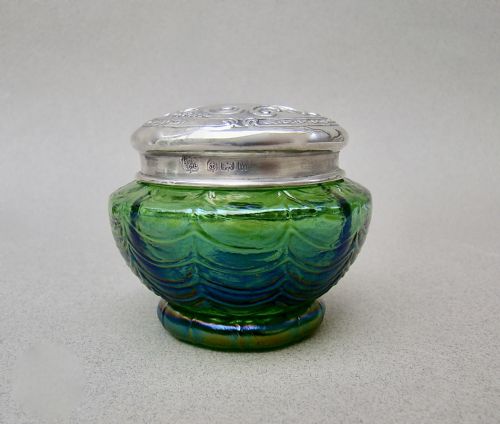
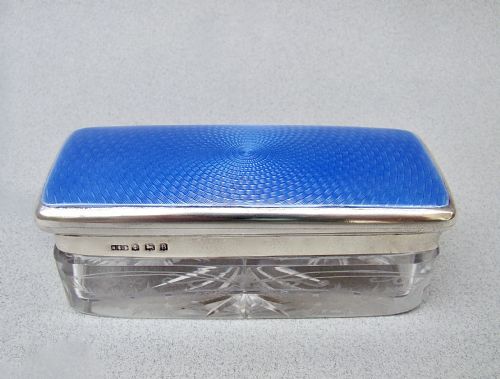
The selections on this page lean heavily towards silver-lidded glass jars, mahogany dressing mirrors, and small wooden or metal caskets. Pieces range from simple Georgian toilet mirrors to elaborate silver and enamel boxes from the early twentieth century.
Makers utilised brass, mahogany, walnut, and sterling silver alongside glass and enamel to construct these intimate receptacles. Each item reflects the dressing habits of past centuries, combining practical storage with decorative display.
How they were made
Cabinet makers constructed wooden boxes and mirrors using mahogany, walnut, and elm, frequently incorporating crossbanding, brass mounts, and small drawer compartments. Timber frames supported pivoting mirror plates or lined interiors for delicate objects.
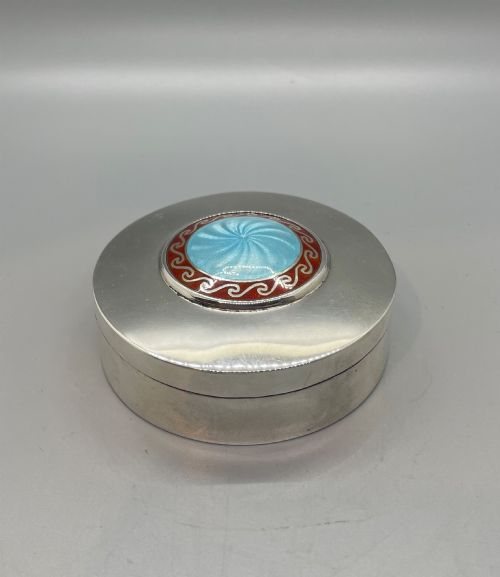
Silversmiths and glassmakers combined sterling silver lids with cut glass, crystal, and frosted glass bases. Enamel work, guilloché patterns, and tortoiseshell inlay added surface decoration to metal mounts and hinged box lids.
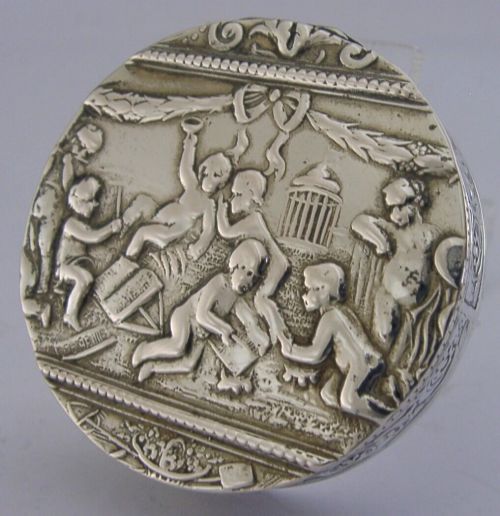
A tiny pill box once travelled in a pocket, while a heavy silver cherub box watched generations brush their hair.
What varies in quality
The standard of craftsmanship shows in the weight of the silver, the clarity of the cut glass, and the precision of wood joinery. Fine examples display crisp chased decoration, undamaged enamel, and well-fitted box lids that close flush.
Materials dictate much of the character, with solid silver mounts and figured timbers marking out superior items. Maker marks and hallmarks provide clear attribution, separating standard production pieces from workshop commissions.
A. J. Pepper & Co·Ollivant & Botsford·Henry Clifford Davis·A. Bromet & Co·Mappin & Webb·Paul Storr·Rene Lalique·Edward Smith·Asprey & Co
The Antique Vanity Table Box Glossary
- Toilet Mirror
- A small mirror designed to stand on a dressing table or chest of drawers. These often incorporate small drawers in the base.
- Guilloché
- A decorative mechanical engraving technique that produces intricate, repeating geometric patterns beneath translucent enamel.
- Crossbanding
- A decorative border technique where thin strips of veneer are laid across the grain of the primary wood.
- Sterling Silver
- An alloy of silver containing ninety-two point five percent silver by mass, standard for British silver boxes.
- Ormolu
- Gilded bronze used for decorative mounts and furniture ornamentation during the eighteenth and nineteenth centuries.
Antique Vanity Table Box: Frequently Asked Questions
What is a vanity table box?
A vanity table box is a small container or jar used historically to hold cosmetics, pins, and small jewellery items on a dressing table.
These pieces were kept close at hand during daily grooming routines and varied widely in material from silver and glass to polished hardwoods.
How do I date a wooden mirror?
Dating a wooden dressing mirror involves looking at the timber species, construction joints, and the bevel or silvering of the glass plate.
Earlier examples from the Georgian period often feature mahogany with boxwood stringing, while later Victorian versions utilise heavier frames and different drawer configurations.
Were silver boxes used daily?
Silver boxes and jars served as functional items for holding pins, powder, and trinkets during daily dressing routines in wealthy households.
Their presence on dressing tables combined practical storage with a display of personal wealth and taste.
What is guilloché enamel?
Guilloché enamel is a decorative technique where metal is engine-turned with a precise pattern before a translucent enamel layer is applied over the top.
This method creates a shimmering, patterned effect that caught the light on Edwardian and Art Deco dressing table sets.