
Antique Vanity Seating
Antique vanity seating brings together compact stools and low chairs designed for the dressing room, offering practical elegance for the bedroom.
Antique Vanity Seating
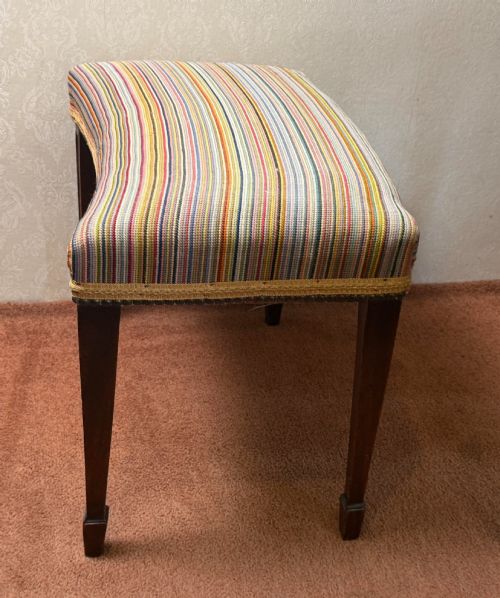
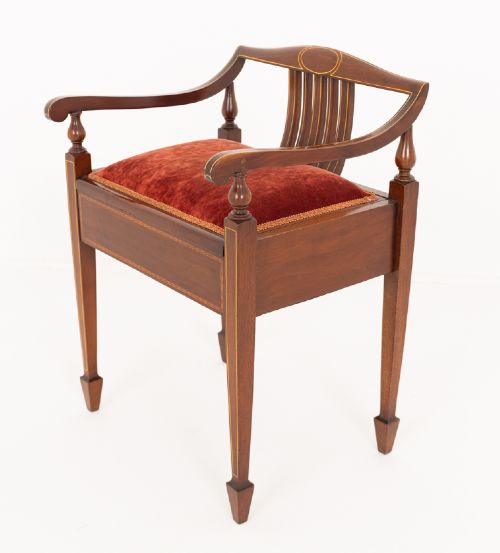
Antique vanity seating encompasses various low stools, dressing table stools, piano stools, and benches designed for personal grooming spaces. These pieces emerge across multiple eras, ranging from the eighteenth century through the Victorian, Edwardian, and Art Deco periods.
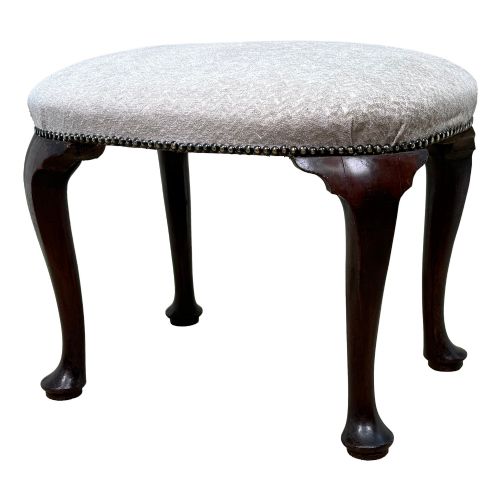
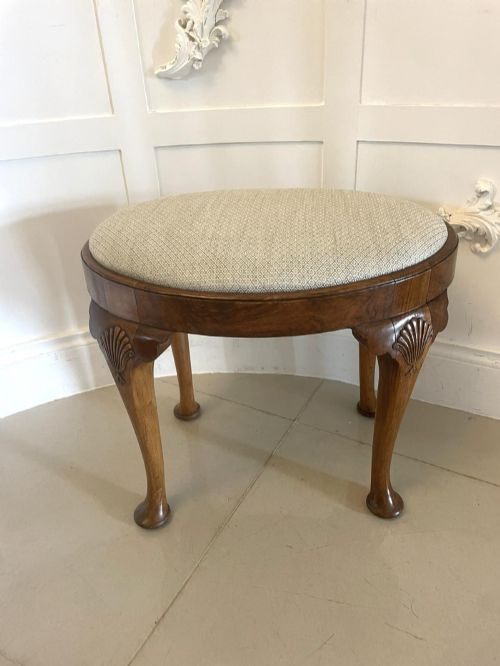
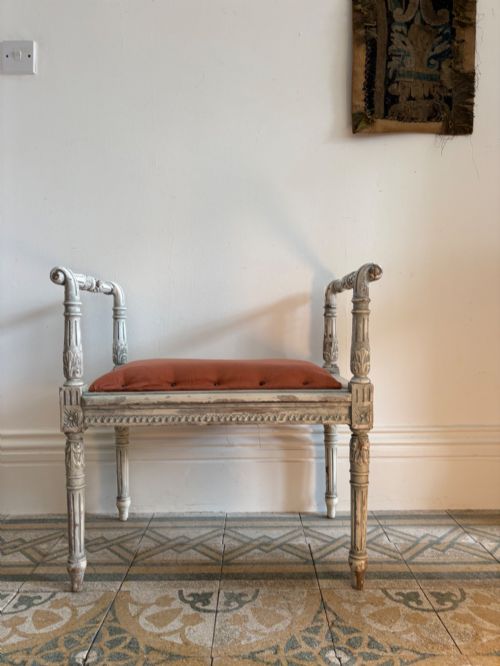
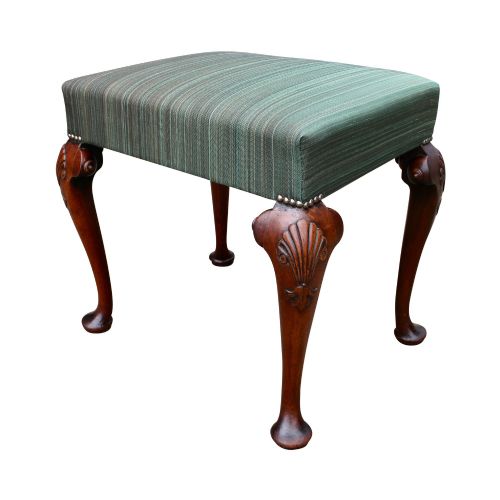
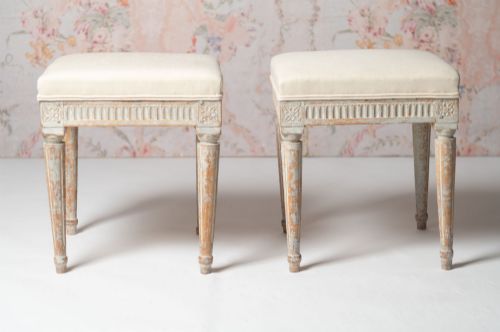
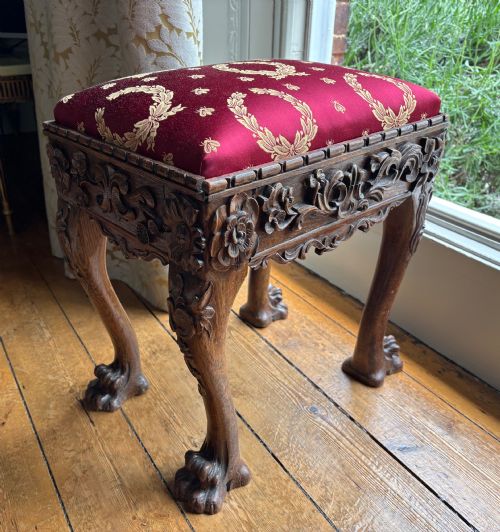
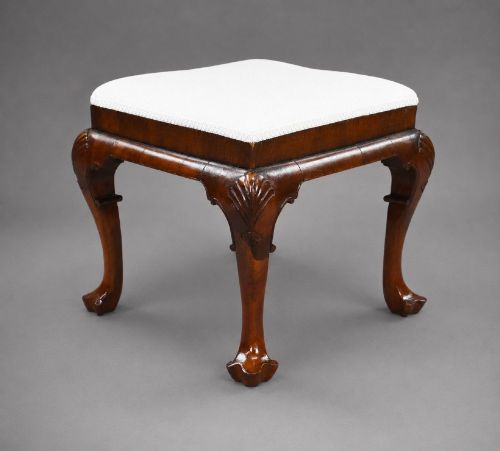
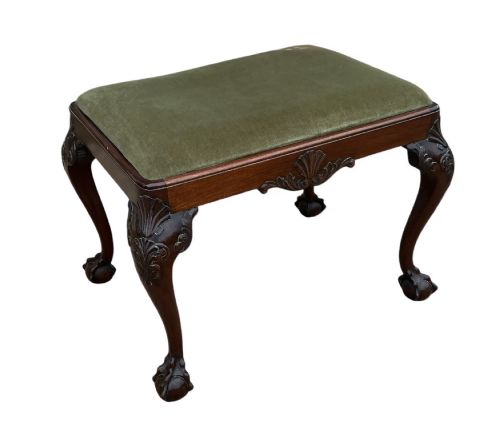
Buyers most frequently encounter walnut and mahogany frames featuring upholstered seats in fabric, velvet, or leather. Styles draw upon traditional designs, including Queen Anne, Chippendale, and Sheraton revivals, alongside continental Gustavian and French Empire influences.
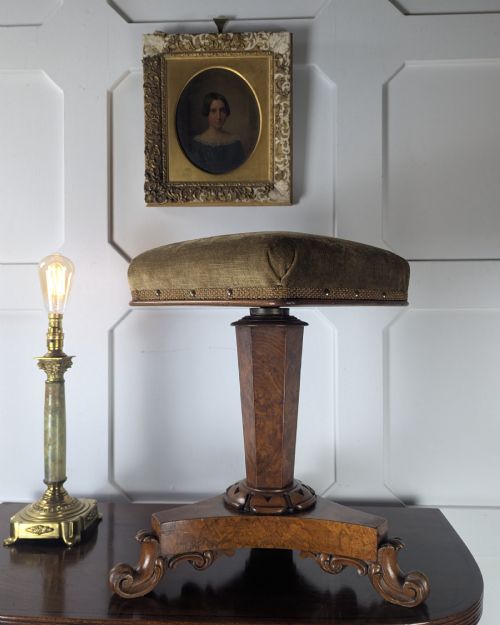
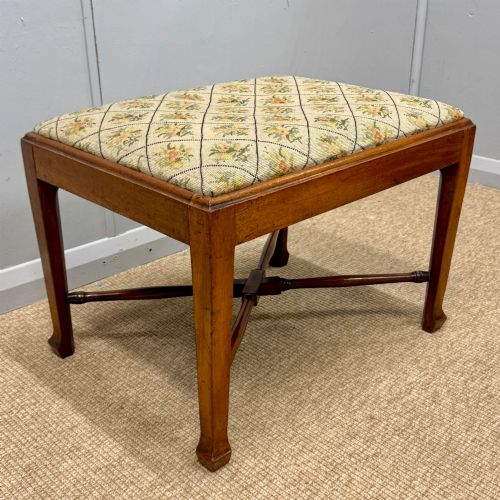
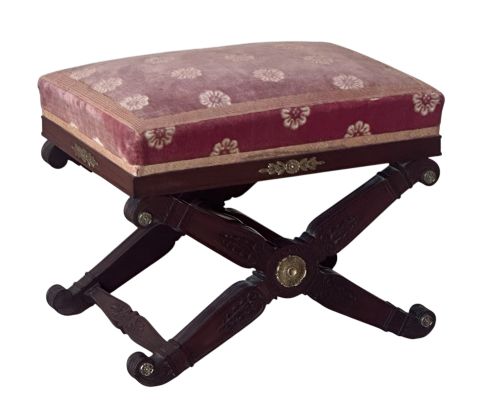
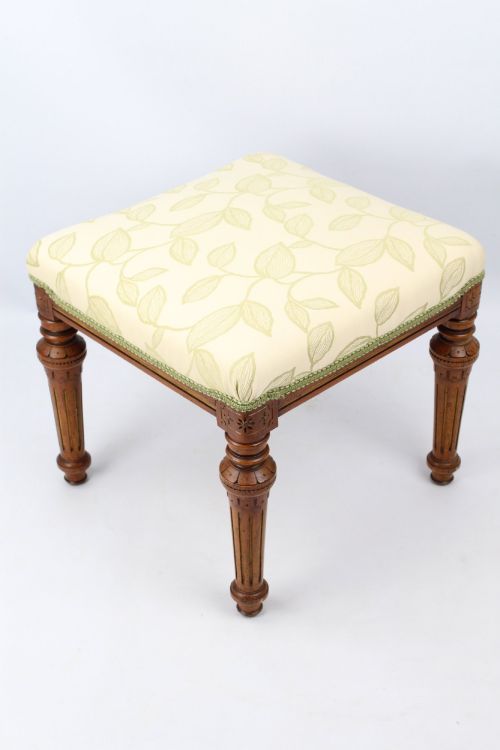
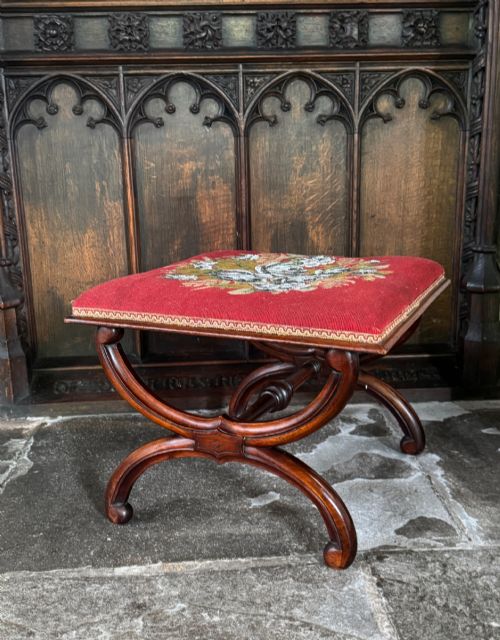
Formats range from simple square and rectangular stools to revolving piano stools, X-frame supports, and pieces fitted with cross stretchers. Woods such as satinwood, rosewood, and goncalo alves appear alongside painted and gilt finishes.
Materials and Construction
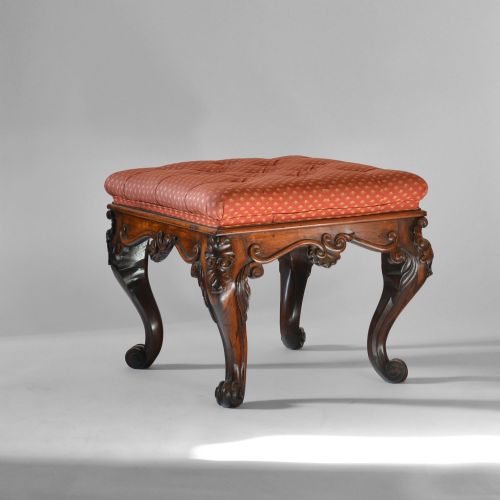
Cabinet makers utilised dense hardwoods such as mahogany, walnut, rosewood, and oak to build sturdy frames capable of supporting daily use. Skilled joinery is evident in shaped legs, carved details, and secured stretchers that reinforce the structure.
Upholstery techniques involved traditional stuffing materials paired with textiles like silk, velvet, beadwork, and leather, often secured directly to wooden rails. Painted and gilded finishes on softwoods also appear on continental and neoclassical pieces.
Listings span multiple eras from the eighteenth to the twentieth century, featuring mahogany, walnut, velvet, and leather.
Evaluating the Pieces
Quality rests upon the crispness of carved wooden details, the selection of figured timbers like burl walnut or flame mahogany, and the structural integrity of the frame joints. Superior examples exhibit harmonious proportions and refined execution in revival styles like Queen Anne or Chippendale.
The choice of secondary materials and the retention of original upholstery or period textiles influence the character of each piece. Finer items demonstrate careful attention to turning, shaping, and finishing, whether in polished hardwood or giltwood.
Harry and Lou Epstein·Bath Cabinet Makers
The Antique Vanity Seating Glossary
- Cabriole leg
- A furniture leg that curves outward at the knee and tapers inward to an ankle, commonly seen on Queen Anne style pieces. This classic form imitates the shape of an animal's leg.
- X-frame
- A structural base formed by intersecting diagonal members that support the seat above. This X-shape derives from ancient folding chair designs.
- Stretcher
- A horizontal wooden rod connecting the legs of a stool to provide stability and structural support. Cross stretchers intersect in the centre beneath the seat.
- Giltwood
- Wood that has been coated with a thin layer of gold leaf or gilt paint for a decorative metallic finish. This technique highlights carved ornament on formal furniture.
- Satinwood
- A durable hardwood characterised by a golden-yellow sheen and a fine grain, often utilised for late nineteenth-century dressing furniture.
Antique Vanity Seating: Frequently Asked Questions
How were these stools used?
These pieces served primarily in bedrooms and dressing rooms to provide a comfortable seat during personal grooming. Adjustable models also functioned as piano stools, allowing musicians to alter their height.
Their small scale meant they could slide easily beneath dressing tables when not in use.
How do I identify the period?
Dating relies upon examining the timber, leg shapes, and decorative motifs present on the frame. Georgian and Victorian pieces often feature solid mahogany or walnut with hand-carved details, while later Edwardian and Art Deco examples introduce different woods and streamlined forms.
Revival styles borrow aesthetic cues from earlier centuries but utilise nineteenth or twentieth-century construction methods.
Can I use them today?
These sturdy wooden stools fit easily into modern bedrooms as dressing table seats, hallway perches, or low side seats. Their compact dimensions make them exceptionally versatile for small spaces.
Many pieces retain durable frames that handle daily domestic life without difficulty.