
Antique Vanity Jar Box
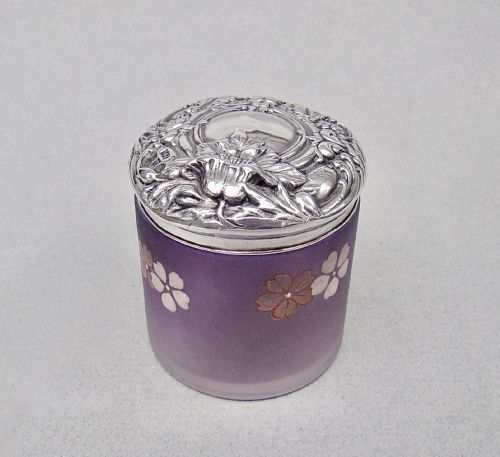
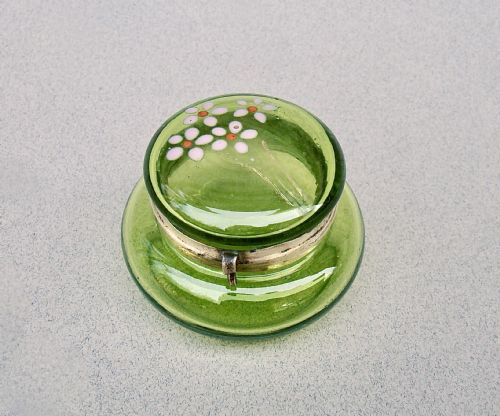
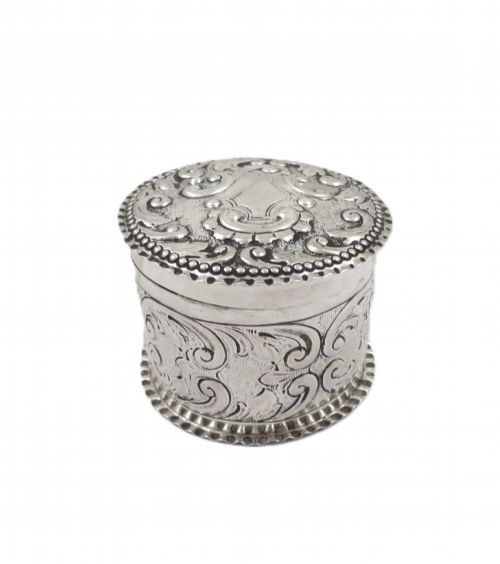
An antique vanity jar box holds the small essentials of the dressing table, combining glass, silver and enamel into portable display.
Antique Vanity Jar Box
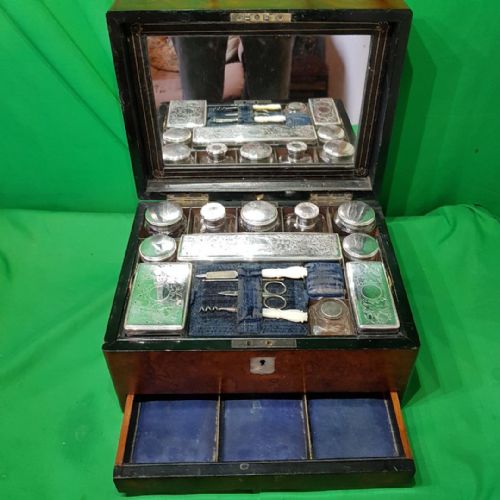
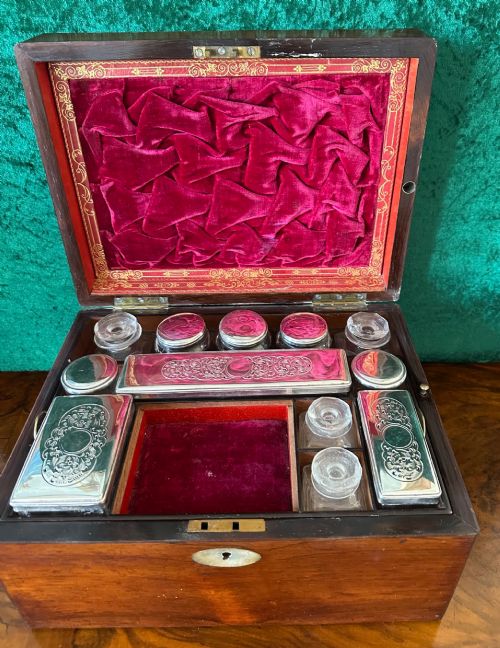
When searching for an antique vanity jar box, buyers encounter dressing table jars, powder boxes and fitted travel cases designed for personal grooming. These pieces range from compact glass pots with sterling silver lids to substantial Victorian wooden cases lined with velvet.
The selections span the nineteenth century through the Art Deco era, encompassing English manufactories and continental workshops. Victorian and Edwardian examples sit alongside French crystal pieces and geometric Art Deco designs from the nineteen-thirties.
The most common formats on this page are lidded glass jars and small trinket pots intended for daily use on a dressing surface. Travelling sets with multiple compartments also appear, reflecting period routines of personal care.
Materials and Technique
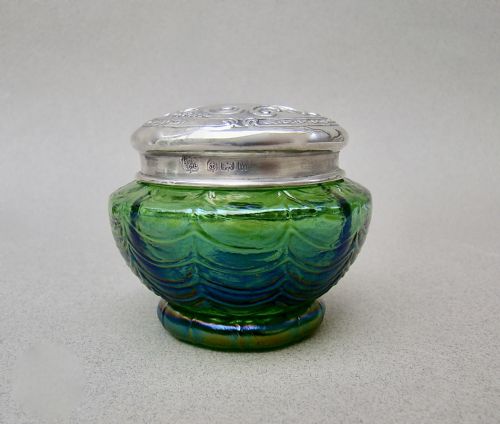
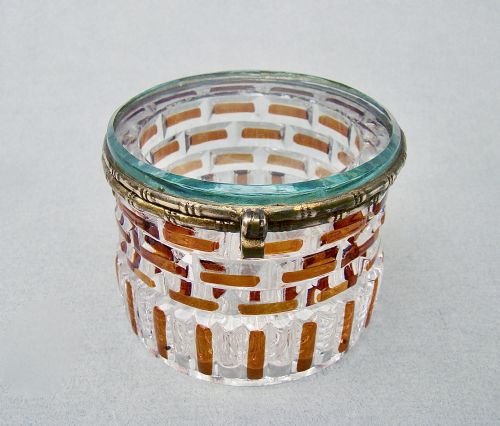
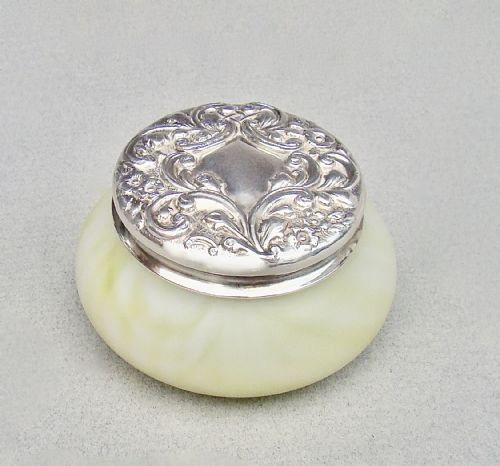
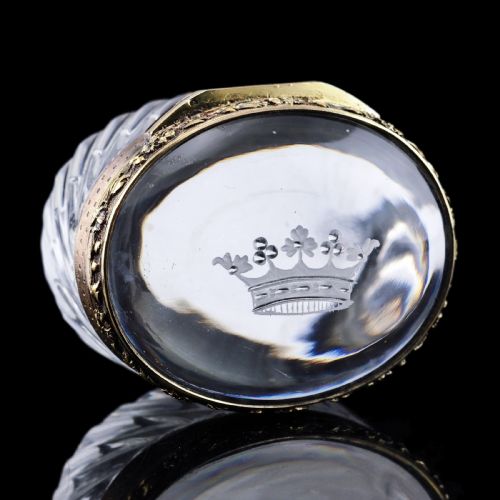
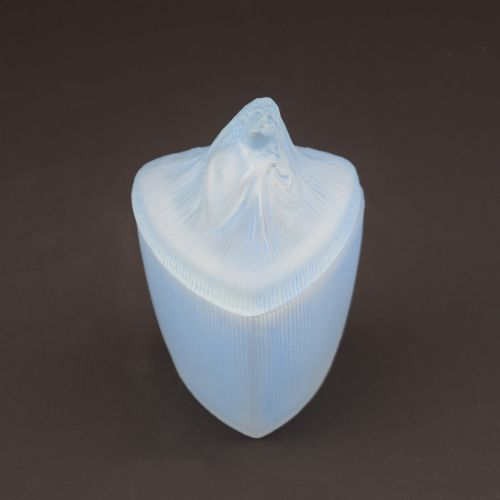
Glass production utilises cut, pressed, frosted and coloured techniques, including cranberry, Bristol blue and satin finishes. Makers mounted these glass bodies in sterling silver, silver gilt and brass collars.
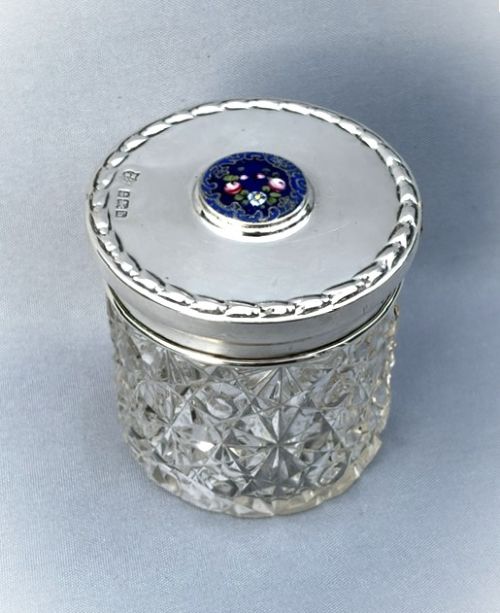
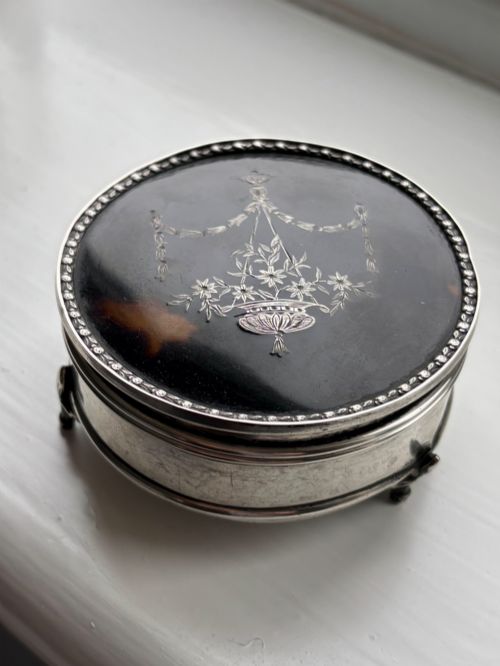
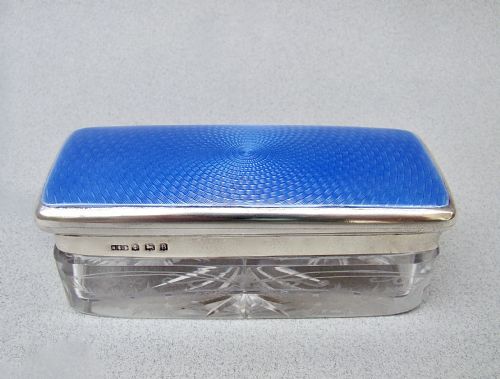
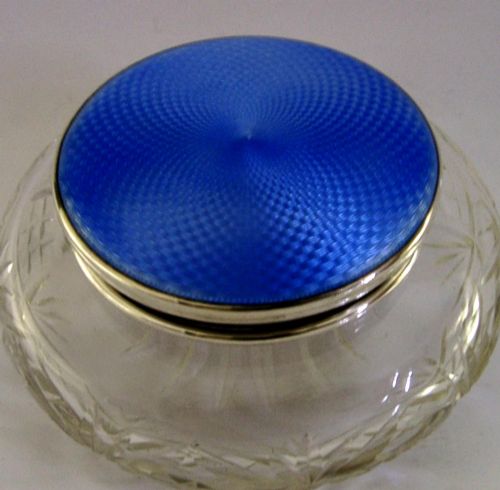
Lids and mounts frequently incorporate guilloché enamel, tortoiseshell, pique work and porcelain panels. Wood boxes utilise mahogany and burr walnut, often fitted with brass banding and velvet interiors.
Materials documented across the inventory include cut glass, sterling silver, burr walnut, enamel and porcelain.
Judging Quality
Quality rests upon the crispness of the metalwork, the weight and clarity of the glass, and the preservation of delicate enamel or tortoiseshell panels. Superior items show precise chasing on silver mounts and unblemished surfaces on glass bodies.
The integration of materials dictates distinction, where fitted internal mechanisms operate smoothly and glass matches metal borders without gaps. Hand-painted enamel details and intact gilding separate standard production from finer workshop output.
A. J. Pepper & Co·Ollivant & Botsford·Henry Clifford Davis·Goldsmiths and Silversmiths Company·A. Bromet & Co·Rene Lalique·Asprey & Co·Posen·Jonathan Douglas
The Antique Vanity Jar Box Glossary
- Guilloché enamel
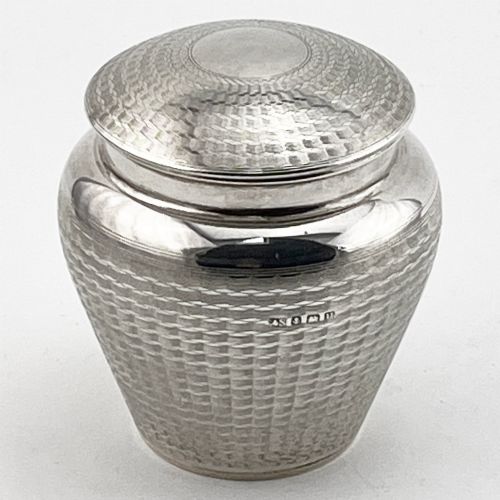
- A decorative technique where an intricate geometric pattern is machine-engraved into metal and covered with translucent enamel. This finish appears frequently on Edwardian and Art Deco jar lids.
- Sterling silver
- An alloy containing ninety-two point five percent silver by mass, used extensively for the lids, collars and mounts of dressing table jars. Hallmarks stamped into the metal indicate the assay office and date.
- Cut glass
- Glass decorated by having facets or patterns ground and polished onto the surface by hand. It provides heavy refraction and tactile texture on Victorian and Edwardian powder boxes.
- Pique work
- The art of inlaying tiny pins of gold or silver into a dark organic material such as tortoiseshell. It creates delicate metallic motifs across nineteenth-century boxes.
- Silver gilt
- Sterling silver that has been coated with a thin layer of gold on its surface. This treatment offers a warm golden interior finish to dressing pots.
Antique Vanity Jar Box: Frequently Asked Questions
How do I date a silver lidded jar?
British pieces typically bear hallmarks stamped directly into the silver mounts, revealing the assay office, standard mark and a specific date letter. Comparing this stamp against standard hallmarking charts gives the exact year of manufacture.
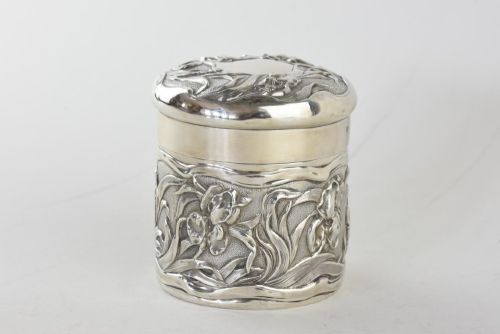
Stylistic indicators such as Art Deco geometric forms or Victorian floral repoussé work also help place the piece within a specific decade. Maker marks further narrow down the production period.
Can I use these boxes for daily cosmetics?
Many lidded glass jars remain fully functional for holding modern small items, cotton wool or dry cosmetics on a contemporary dressing table. Enamel and tortoiseshell lids require gentle handling to avoid moisture damage over time.
Lined travel cases suit the storage of modern jewellery rather than liquid products. Regular dry dusting preserves the interior velvet and metal mounts.
What is the difference between a trinket box and a vanity jar?
Trinket boxes generally feature hinged lids and solid bases intended for dry storage of jewellery and small keepsakes. Vanity jars usually combine a glass or ceramic body with a removable or screw-fit lid designed for powders and creams.
Both forms shared space on dressing furniture but served distinct functions in personal grooming. Glass jar bodies allowed owners to see the contents at a glance.