

Antique Vanity Frame
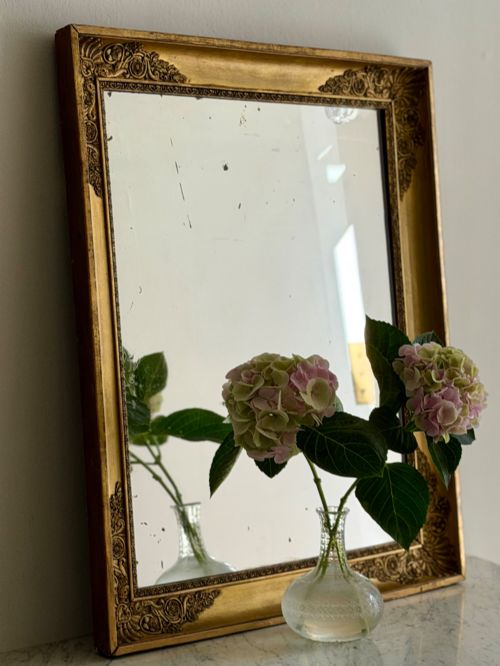
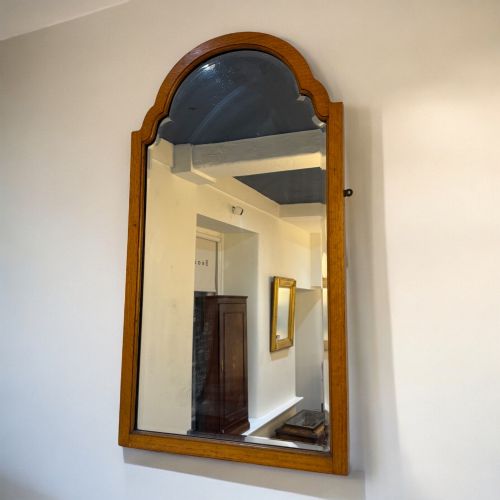
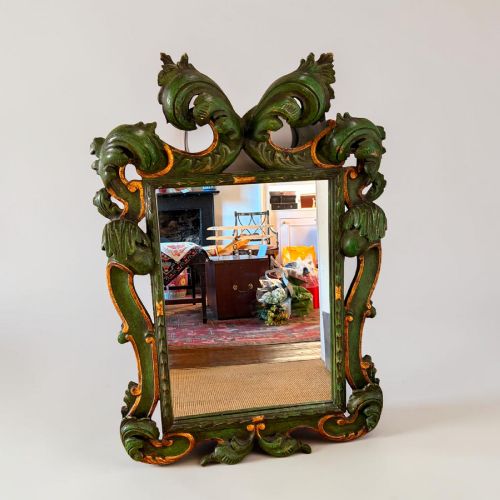
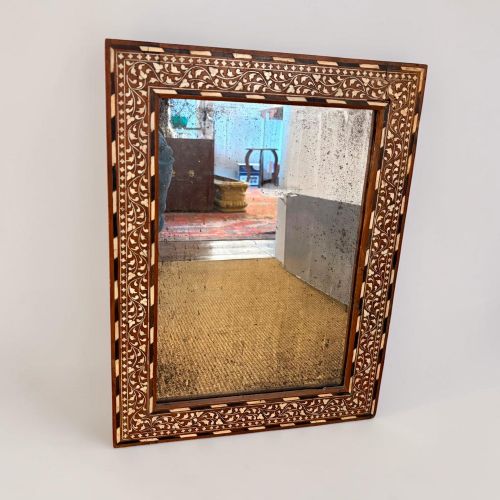
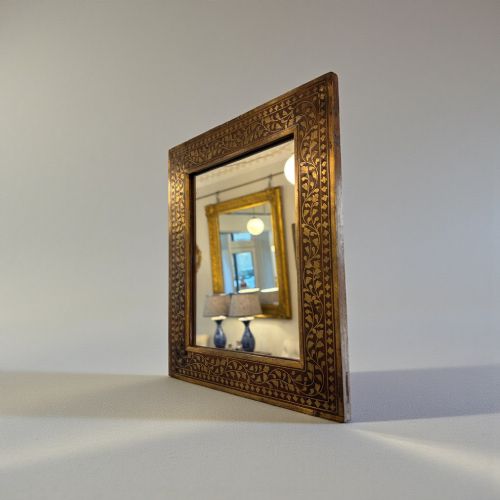
An antique vanity frame holds the glass where mornings begin, bringing timber and gilding close to dressing tables and walls.
Antique Vanity Frame
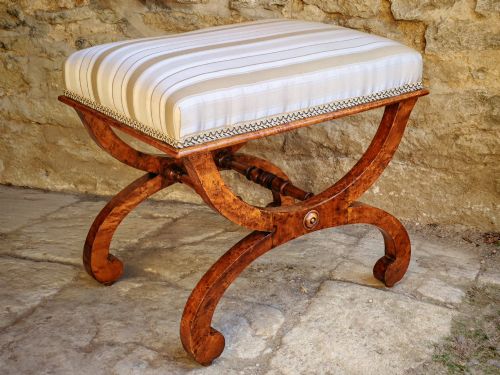
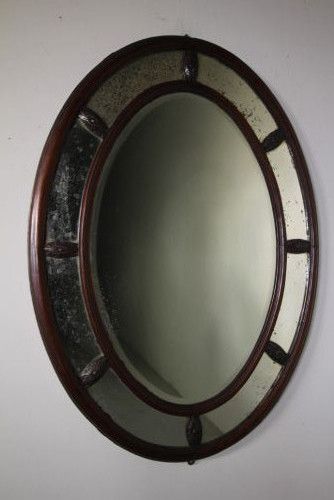
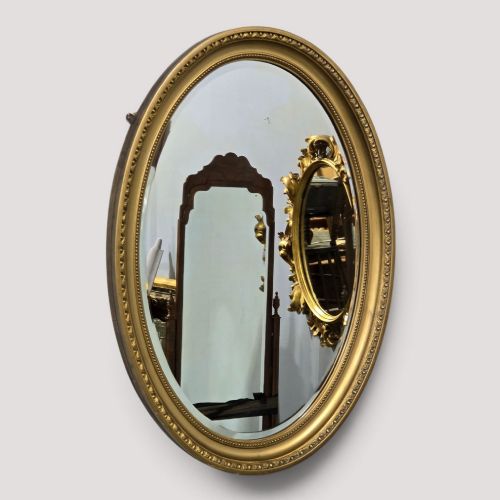
An antique vanity frame encompasses mirrors and surrounds made for dressing tables, bedrooms, and reception spaces across multiple centuries. Buyers searching this phrase encounter dressing table swing mirrors, table mirrors, wall mirrors, and related seating such as vanity stools.
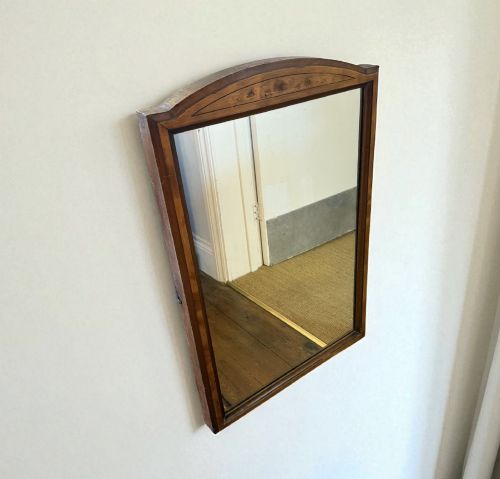
The selections span Georgian, Victorian, Edwardian, and Regency periods, alongside regional interpretations like Anglo-Indian and French styles. Walnut, mahogany, oak, satinwood, and giltwood form the primary structural frameworks supporting the glass.
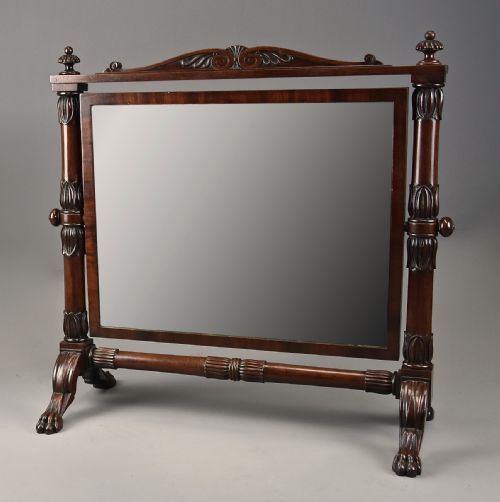
Table mirrors with drawers, cheval mirrors, and easel mirrors represent the functional tabletop forms, while wall-hung variants provide decorative reflections in hallways and chambers.
How they were made
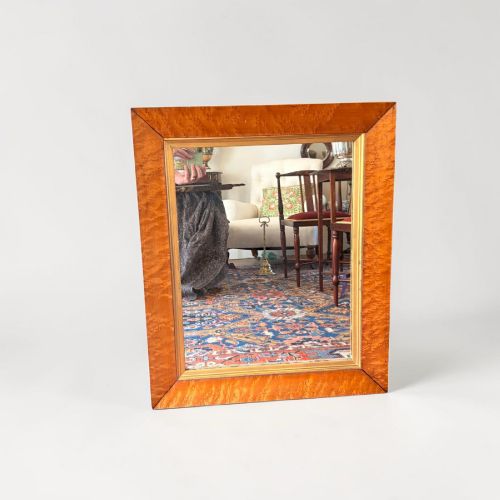
Cabinetmakers utilised dense hardwoods including walnut, mahogany, rosewood, and oak, often applying veneers of burr maple, yew, or laburnum to create striking grain patterns. Frames incorporate hand-carved elements, fret-cutting, and brass inlay to achieve distinct period aesthetics.
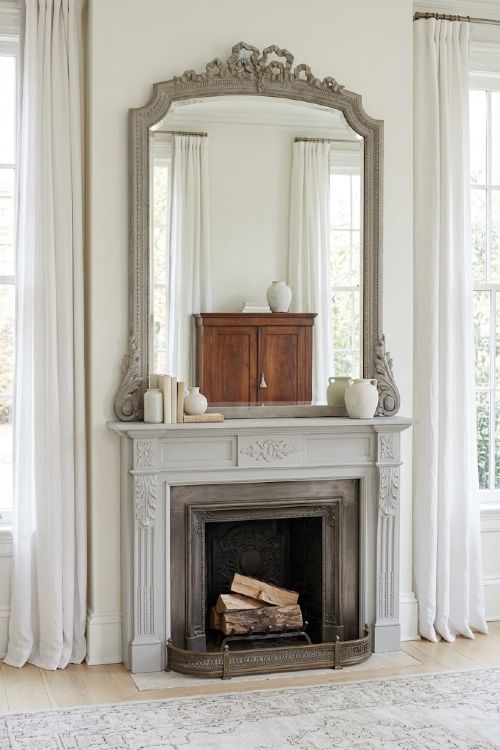
Giltwood and gesso pieces rely on carved softwoods coated in plaster and gold leaf, yielding reflective surfaces that catch natural light. Surface finishes ranged from French polish and wax on timber to silvering on brass and pewter mounts.
Listings span multiple eras, encompassing Georgian, Regency, Victorian, and Edwardian periods alongside French and Anglo-Indian designs.
What varies in quality
The integrity of the timber selection and the precision of the joinery dictate the distinction between ordinary and superior pieces. Hand-cut fretwork, such as the detail found on Georgian fret-cut frames, demonstrates the artisan's control over proportion and line.
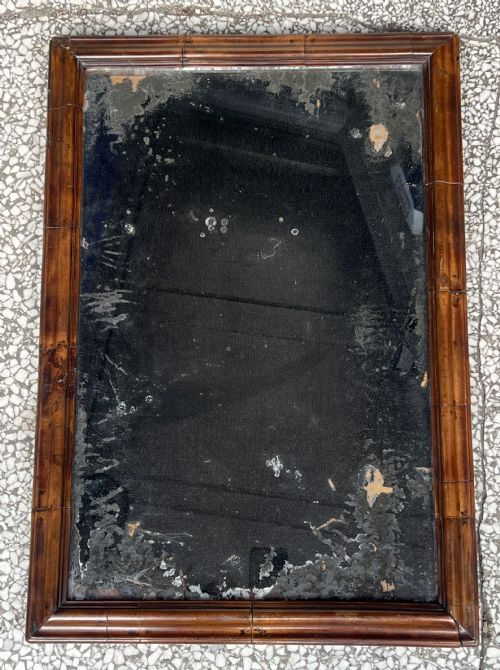
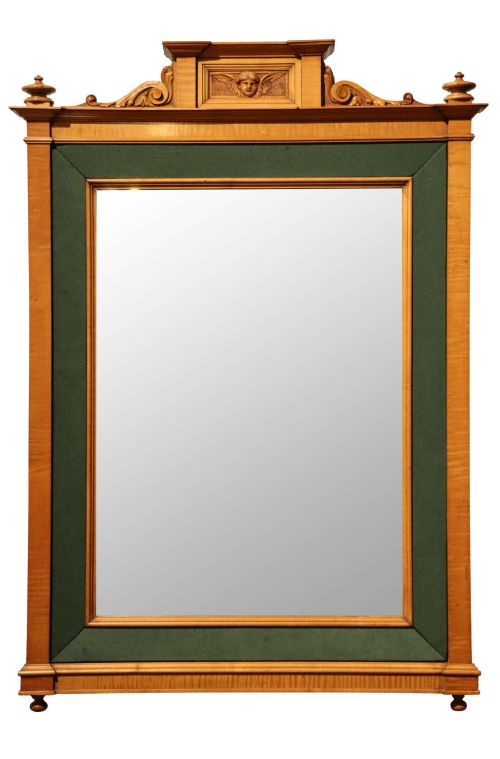
The quality of the mirror glass itself, the retention of original brass drawer pulls or candle sconces, and the depth of carving in elements like cherub crests or gilt plaster distinguish the finest examples.
The Antique Vanity Frame Glossary
- Cheval mirror
- A full-length mirror hung in a frame that allows it to swing on vertical pivots. These tall dressing glasses often stood on four legs in bedrooms.
- Fret-cut
- A technique where thin wood is pierced with a fretsaw to create decorative openwork patterns. This method produced intricate scrollwork on Georgian wall mirrors.
- Gesso
- A plaster-like mixture applied to wood surfaces as a base for gilding or painting. It allowed carvers to crisp up fine details before applying gold leaf.
- Shield dressing mirror
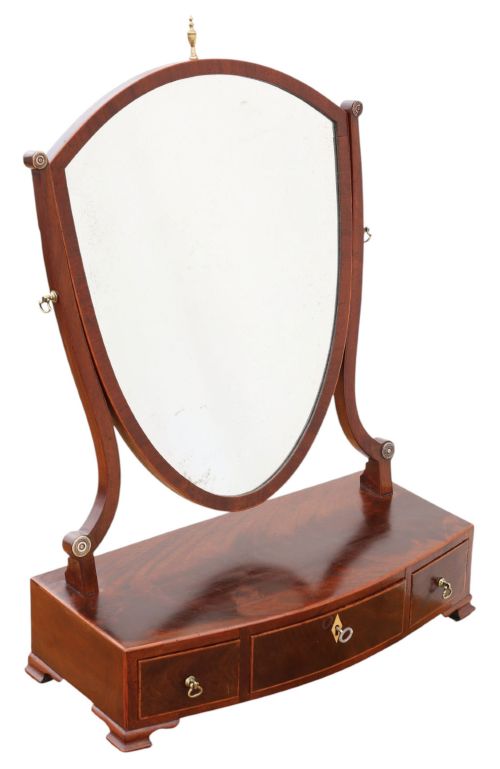
- A toilet mirror featuring a glass cut into the shape of a heraldic shield, typically supported by upright arms above a small drawer base.
Antique Vanity Frame: Frequently Asked Questions
What is the difference between a toilet mirror and a dressing table mirror?
Historically, toilet mirrors were smaller tabletop swing mirrors designed to sit on top of a chest of drawers or a dedicated dressing table. They frequently incorporated small drawers at the base for storing trinkets and accessories.
Dressing table mirrors encompass both these smaller tabletop versions and larger cheval mirrors designed to stand directly on the floor. Both served the same daily grooming function in bedrooms.
How do I identify a Georgian mirror frame?
Georgian frames often feature mahogany or walnut construction with architectural mouldings, gilded bezels, or fret-cut scrollwork featuring motifs like the ho-ho bird. The timber backing boards and old fixings help confirm the period.
Craftsmen of this era focused on proportion and symmetry, employing hand-carved wooden details rather than cast plaster. Many include small serpentine drawer bases beneath the swinging glass.
Where should I place an antique vanity frame in my home?
Tabletop vanity frames work well placed on top of modern chests of drawers or sideboards, providing functional reflection and warm wood tones. Wall-hung mirrors suit hallways, bathrooms, or bedroom walls where they bounce light around the room.
Pairing a vanity mirror with a period stool or small chair creates a dedicated dressing corner that nods to traditional interior layouts.
Are these frames sturdy enough for daily use?
Most antique frames remain robust thanks to dense primary hardwoods like mahogany, oak, and walnut. Regular handling of swing pivots and drawers requires gentle care to preserve original joints.
Placing them away from direct sunlight and excessive moisture protects both the wood veneers and the older mirror plates from degradation.