
Antique Vanity Flask
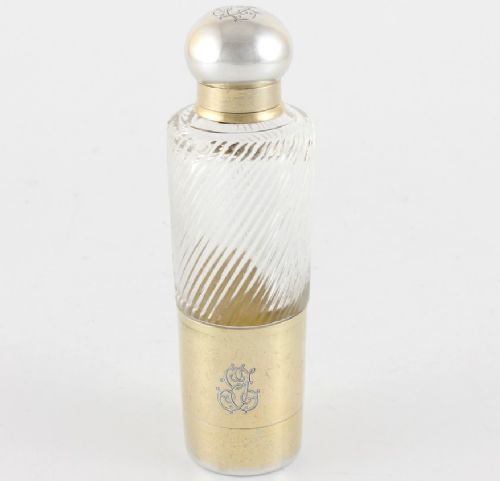
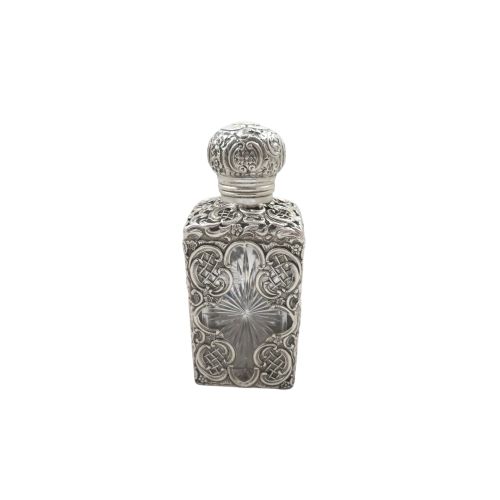
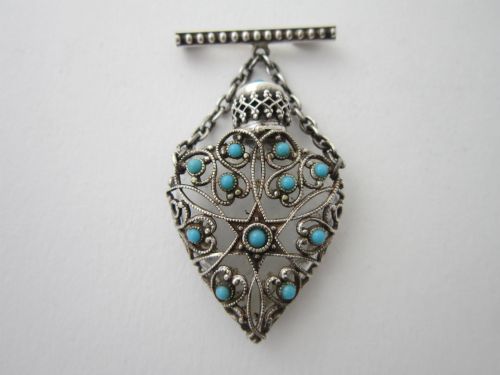
An antique vanity flask is a portable vessel for scent or medicine, combining precious metal mounts with coloured or cut glass.
Antique Vanity Flask
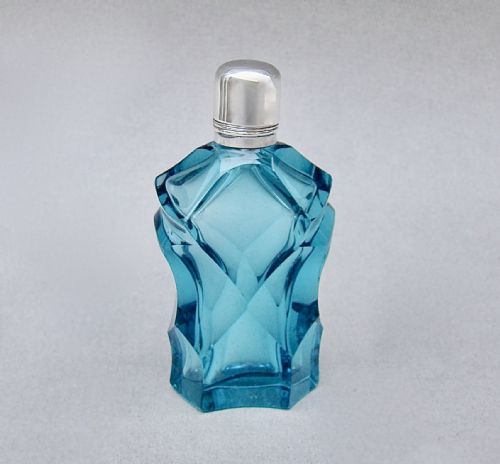
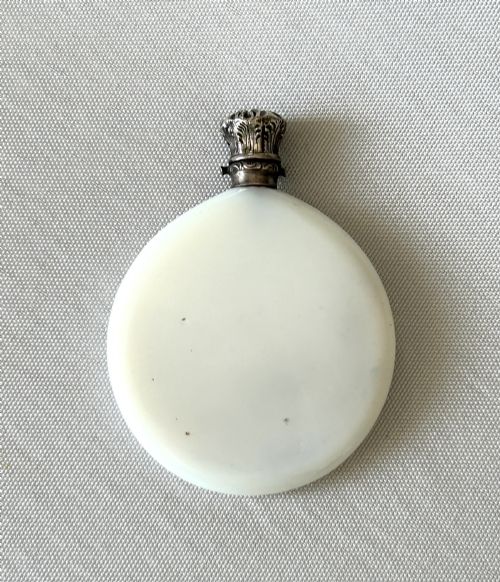
When you examine an antique vanity flask, you encounter vessels designed to carry perfume, salts, or medicine securely in a pocket or handbag. The selection spans the Georgian period through the Edwardian era and into Art Deco designs.
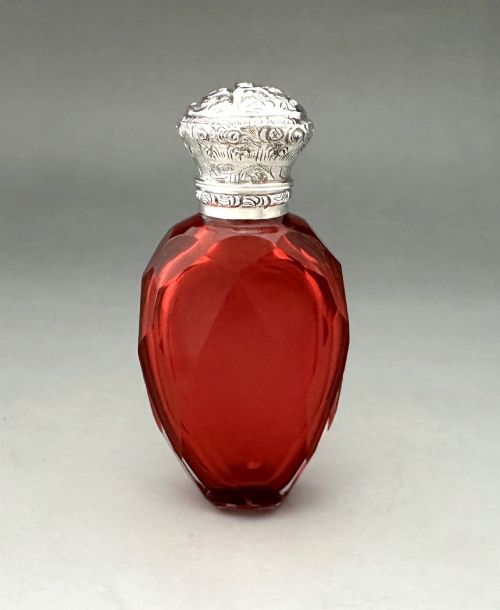
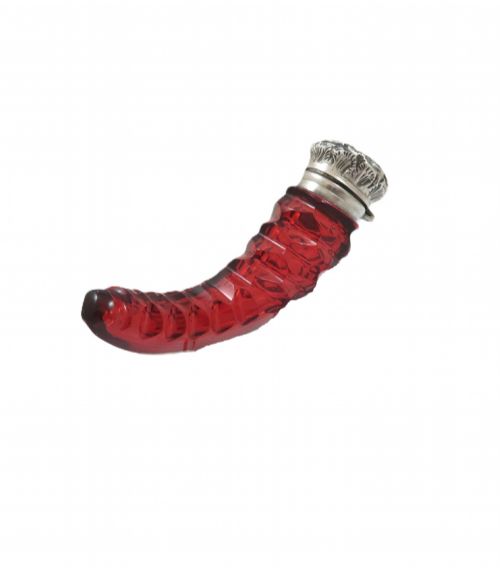
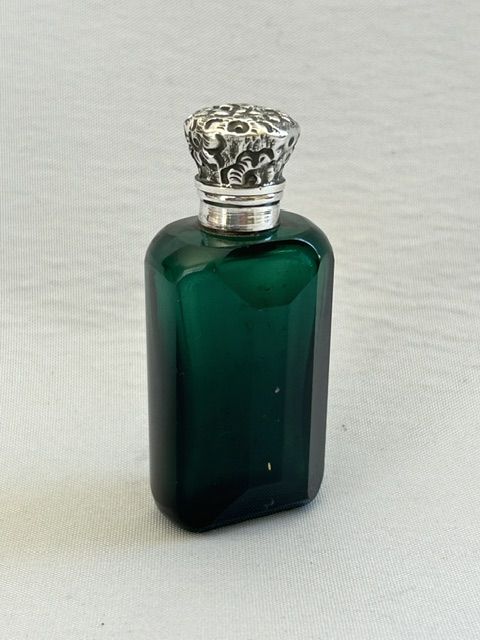
Victorian examples dominate the field, typically pairing sterling silver mounts with cranberry, ruby, teal, or opaline glass bodies. These pieces reflect rigorous standards of personal grooming where scent bottles formed an essential daily accessory.
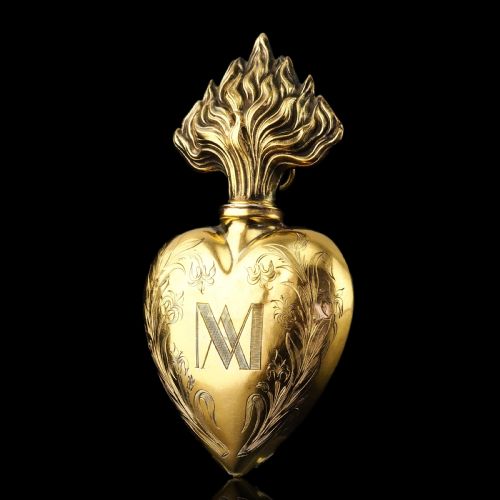
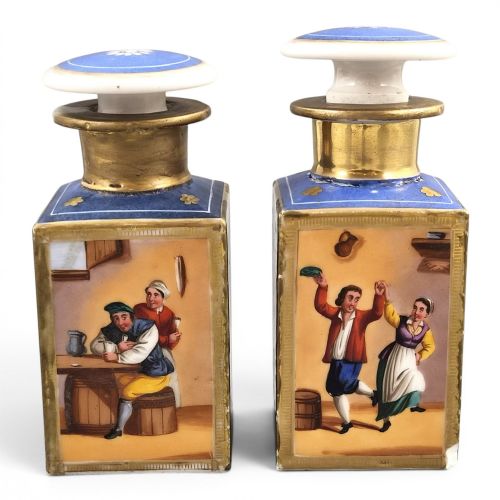
Alongside standard scent bottles appear specialised forms such as perfume funnels, pill boxes, and tortoiseshell holders. French and continental workshops contribute gilt silver mounts and intricate glasswork to the broader inventory.
How They Were Made
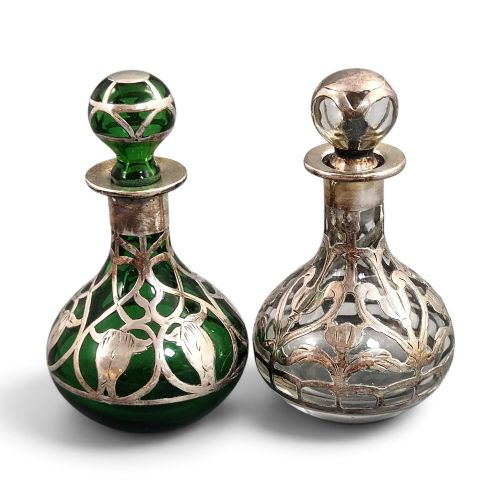
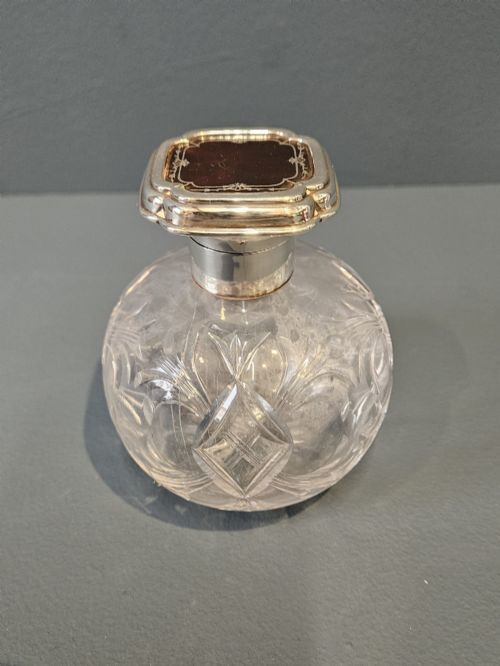
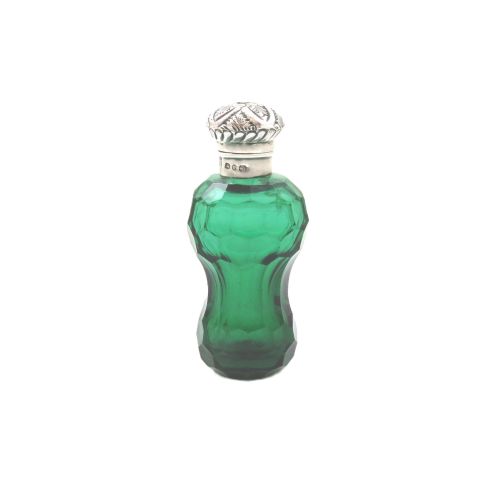
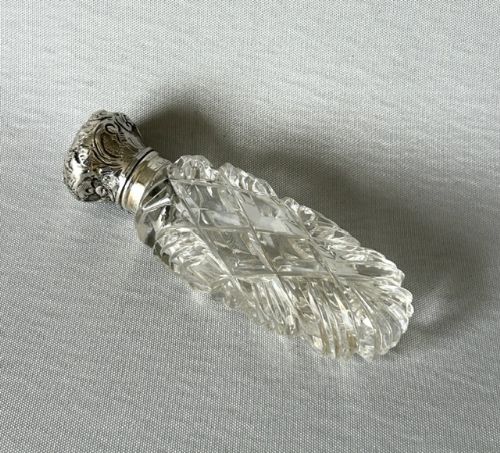
Glass bodies are formed through mould-blowing, slicing, or cutting, utilising rich colours like emerald, amethyst, and Bristol green alongside clear crystal. Molten or cast glass receives faceted surfaces or layered metallic overlays.
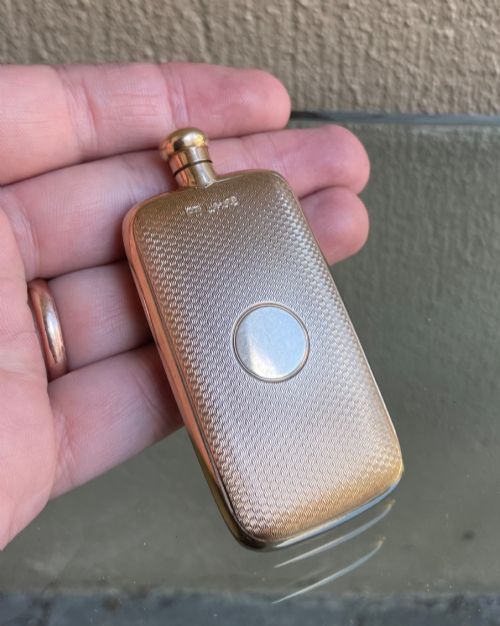
Mounts and caps rely on sterling silver, silver gilt, or ormolu, shaped by hammering, casting, and chasing. Artisans incorporate guilloché enamel, tortoiseshell, and delicate hinges to secure the contents against accidental leakage.
Periods represented span from seventeenth-century silver gilt flasks to 1930s enamel and tortoiseshell pieces.
What Varies In Quality
Quality rests on the depth of hand-cutting in the glass and the weight of the silver or gold mounts. Heavier gauge metal and crisper hallmarks distinguish finer atelier production from standard commercial output.
The integration of specialised materials such as guilloché enamel, tortoiseshell, or intricate silver overlay elevates a piece. Preservation of the inner stopper and the precise alignment of hinged lids determine the structural integrity of surviving flasks.
Horton And Allday·Gorham·Jacob Petit·Tonnel Paris·Harold Bushell And Co·Franchini And Bigaglia·Karl Palda·Henry Perkins·Rene Lalique
The Antique Vanity Flask Glossary
- Sterling silver
- A silver alloy containing 92.5 percent pure silver and 7.5 percent other metals, typically copper. This standard composition provides the durability required for functional bottle mounts.
- Cranberry glass
- A transparent red glass created by adding gold chloride to the molten batch. It appears frequently in Victorian scent bottles.
- Silver gilt
- Silver that has been coated with a thin layer of gold on its surface. This finish protects the silver from tarnishing while offering a rich golden appearance.
- Silver overlay
- Metalwork decoration applied directly onto the exterior of a glass bottle, often in organic Art Nouveau motifs. The silver grips the glass securely as part of the primary construction.
Antique Vanity Flask: Frequently Asked Questions
How were scent flasks used?
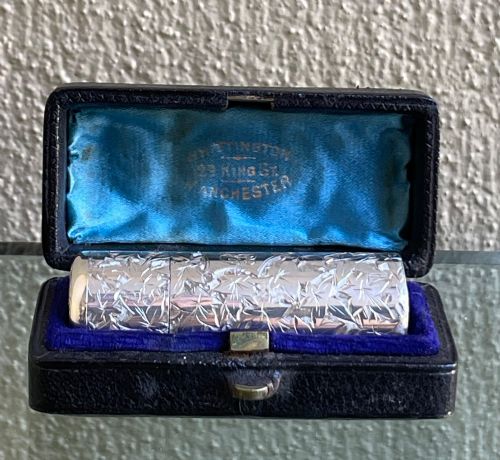
Owners carried them in fitted leather travel cases, evening bags, or pockets to refresh personal fragrance throughout the day.
They also served dressing table functions, holding volatile scents securely beneath tight-fitting hinged or screw caps.
How do I date an antique flask?
Hallmarks stamped onto the silver mounts provide the exact year of assay and the workshop responsible for the metalwork.
Stylistic indicators such as colour palettes, glass cutting techniques, and maker signatures narrow down the period of manufacture.
How do I care for my flask?
Keep the glass clean using mild warm water while avoiding harsh chemical dips that damage enamel or delicate metal surfaces.
Store them upright away from direct sunlight to protect coloured glass tones and interior seals.