


Antique Upholstery Frame Sofa
An antique upholstery frame sofa offers the absolute blank canvas for bespoke interior schemes, stripped down to reveal honest timber and traditional craft.
Antique Upholstery Frame Sofa
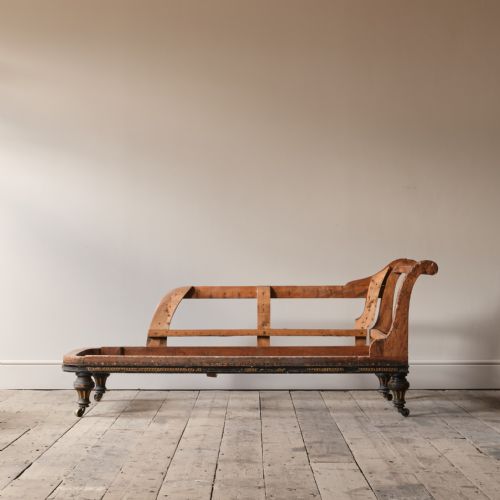
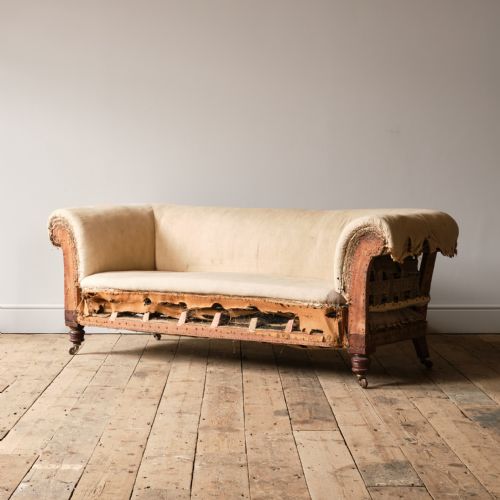
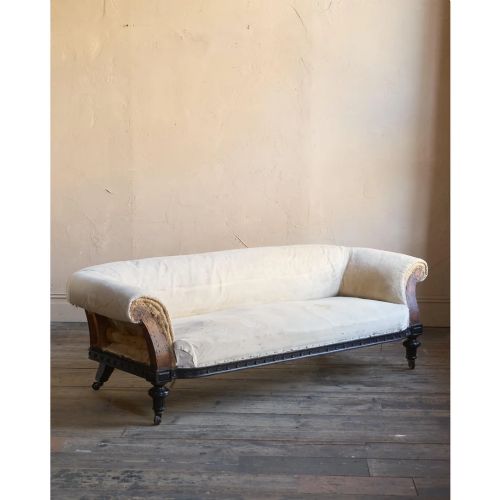
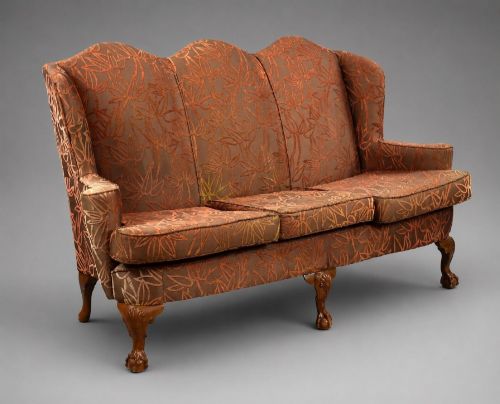
An antique upholstery frame sofa represents a structural skeleton ready for new fabric, ranging from grand Regency showwood forms to simple country house frames. Buyers searching for an antique upholstery frame sofa look for sound timber frames that retain their original proportions and sprung foundations.
The pieces on this page span the eighteenth, nineteenth and early twentieth centuries, with Victorian and Regency eras providing the most numerous examples. Formats stretch from large three-seater settees and deep Chesterfield shapes to elegant chaise longues and compact salon chairs.
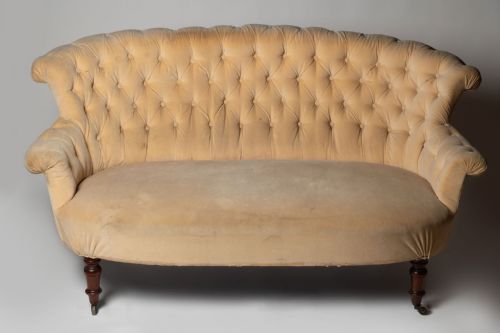
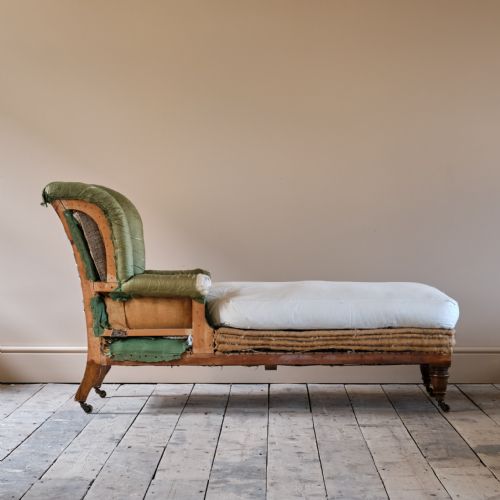
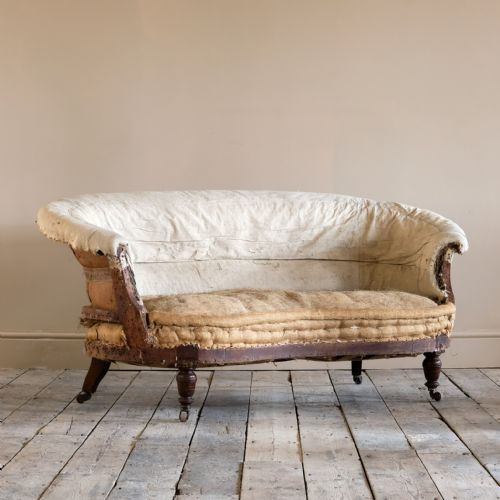
Many of these frames survive in bare calico or hessian, whilst others retain older layers of fabric that immediately show their previous incarnations. Choosing such a piece allows total control over the final textile finish, matching specific historic or contemporary decorative schemes.
The markers of quality
Superior quality rests in the integrity of the timber joinery and the harmonious proportions of the arms, back and legs. A finer frame displays crisp hand-carving or precise showwood shaping rather than repetitive machine moulding.
The gauge of the timber and the weight of the underlying construction dictate longevity, separating heavy, solid seating from lighter decorative pieces. Original brass castors and intact internal webbing systems further elevate a frame's historical and structural integrity.
Several frames wait patiently beneath layers of vintage calico, dreaming of the day they finally meet a bold velvet.
Holland & Sons·Hampton & Sons
The Antique Upholstery Frame Sofa Glossary
- Showwood
- Timber frame components left exposed around the upholstered elements. These visible wooden sections often feature polished mahogany, walnut or gilded surfaces.
- Chaise Longue
- An elongated seating form designed for reclining, combining a chair with an extended footrest. These pieces appear frequently in nineteenth-century French and English designs.
- Hessian
- A coarse woven fabric made from jute fibres used as the traditional foundation layer for upholstery stuffing. It provides the breathable base across which springs and horsehair are secured.
- Chesterfield
- A deep-buttoned sofa style traditionally characterised by arms and back of the exact same height. This form offers robust proportions suited to heavy domestic use.
- Canape
- A French term for an ornamental sofa with an exposed wooden frame, popular throughout eighteenth and nineteenth-century salons. These frames often showcase intricate carved decoration.
Antique Upholstery Frame Sofa: Frequently Asked Questions
Can I use modern fabric on these frames?
Modern textiles work exceptionally well on these antique structures, provided the upholstery weights match the scale of the frame.
Traditional webbing and stuffing techniques can easily accommodate contemporary fire-retardant interliners and top cloths without losing the correct historic silhouette.
How do I choose the right size sofa?
Measure your available floor space carefully, accounting for the outward sweep of scroll arms and deep Regency or Victorian back angles.
Consider whether a compact two-seater salon settee or a long three-seater Chesterfield best suits the proportions of your room.
What does for re-upholstery mean?
This description indicates that the outer fabric has reached the end of its useful life and requires complete replacement by a professional.
Buying in this condition lets you inspect the raw timber frame directly and select a custom textile that suits your exact interior.
How do I date an antique sofa frame?
Dating relies on stylistic clues such as the curve of a cabriole leg, the presence of Aesthetic Movement motifs, or the mass of Regency showwood.
Internal construction methods, including the type of screws, nails and timber seasoning, also help confirm the period of manufacture.