


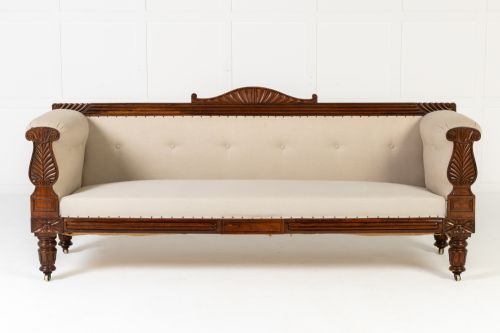

Traditional English Upholstered Settee
A traditional english upholstered settee brings deep comfort and formal structure together through centuries of English craftsmanship.
Traditional English Upholstered Settee
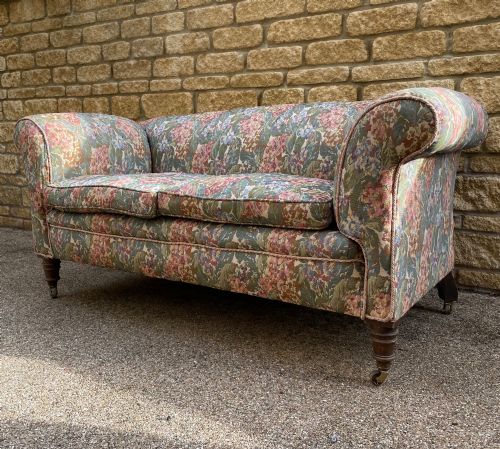
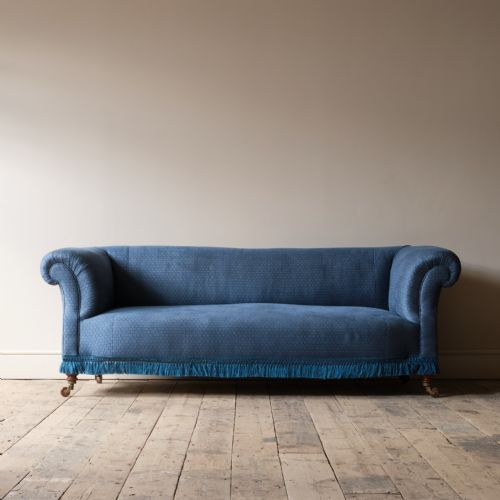
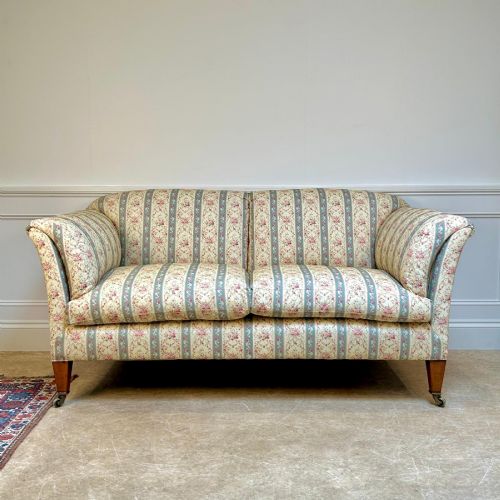
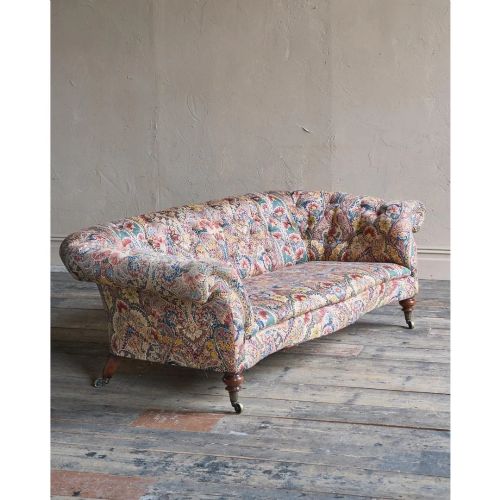
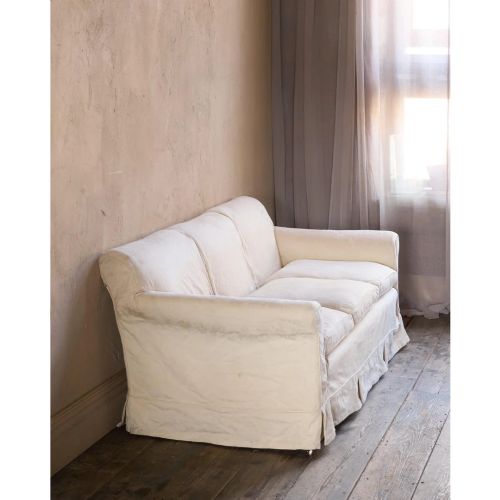
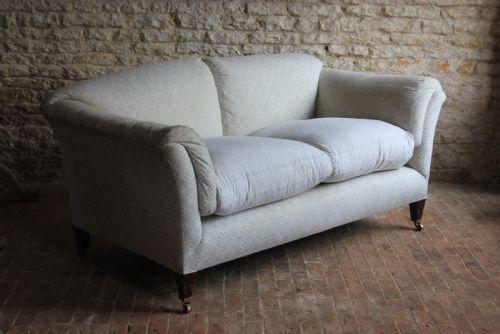
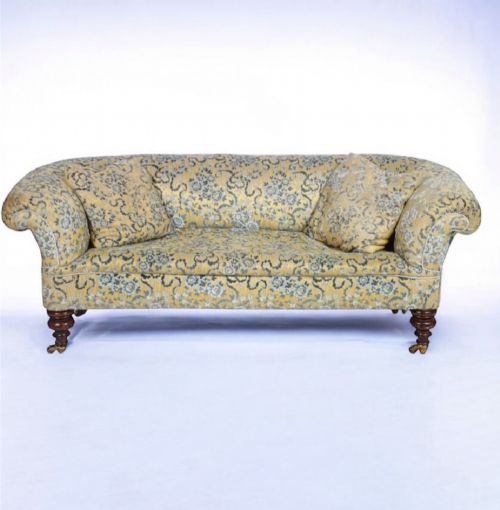
A traditional english upholstered settee encompasses large country house sofas, deep-seated two-seaters, and formal chaises originating from the nineteenth and early twentieth centuries. Buyers seeking this style will encounter robust frames built for drawing rooms and country residences, often featuring generous proportions and tailored seating.
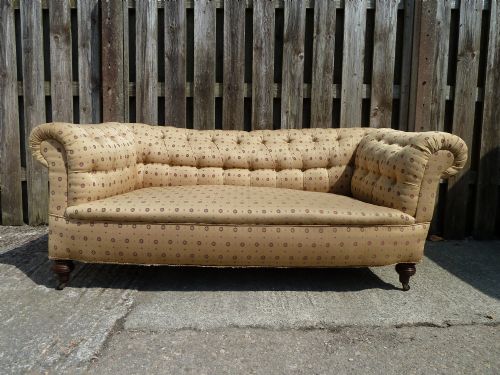
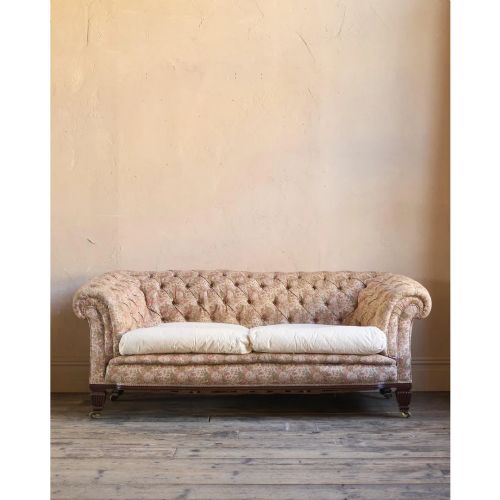
The selection ranges from Victorian Chesterfields and Edwardian Knole sofas to Regency rosewood models and 1930s variations upholstered in velvet, damask, or floral prints. These pieces serve as functional centrepieces in a room, combining substantial timber structures with soft textile coverings.
Materials and construction
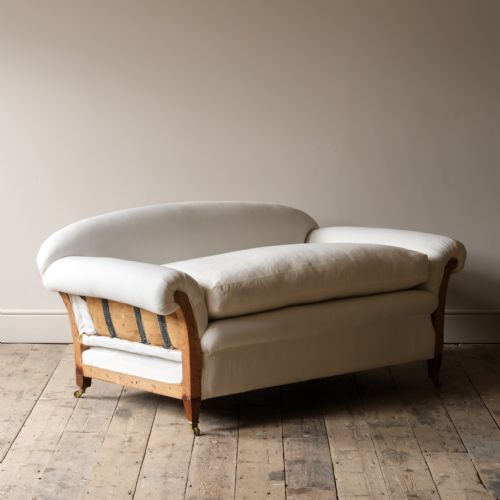
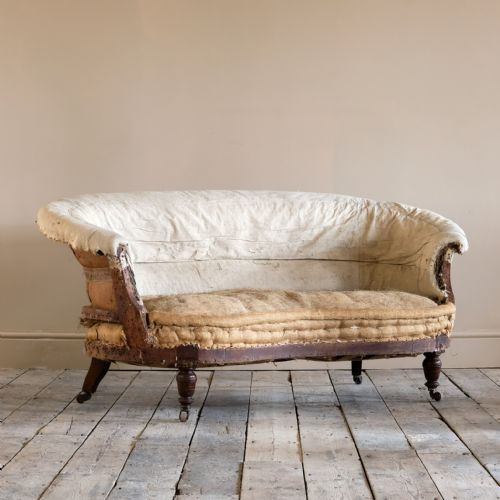
Makers constructed the hidden framework using durable timbers such as mahogany, walnut, oak, and rosewood, often complemented by exposed giltwood or show frames. Beneath the outer textiles, traditional upholstery methods utilised hessian and calico to support the internal padding and springs.
The visible exterior relies on rich fabrics including velvet, damask, and patterned cottons, sometimes finished with brass details or decorative woodwork. This layered construction provided both structural longevity and a refined aesthetic.
The inventory records diverse styles including Chippendale, Regency, and traditional English country house designs.
What separates the finest examples
Quality in a traditional english upholstered settee rests upon the integrity of the underlying timber frame and the precision of the joinery. Pieces retaining their original structural foundations and maker markings demonstrate superior provenance.
The refinement of the carving, the balance of the proportions, and the authenticity of the textile upholstery further distinguish exceptional examples from standard workshop production.
Howard & Sons·Hampton & Sons·Jas Shoolbred·Gillows
The Traditional English Upholstered Settee Glossary
- Chesterfield
- A deep-buttoned upholstered sofa featuring rolled arms of the same height as the back. This iconic form provides formal structure alongside padded comfort.
- Knole Sofa
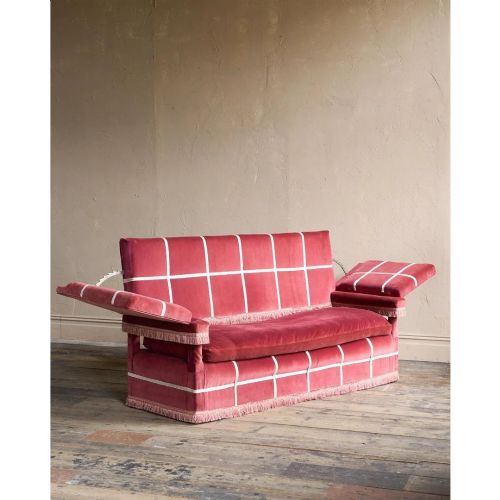
- A historic sofa style characterised by hinged or adjustable high arms tied with decorative cords or braids. It originates from the seventeenth-century Knole house in Kent.
- Drop Arm
- A mechanism allowing one or both arms of a settee to be lowered into a horizontal position. This adjustment transforms a formal seat into a daybed.
- Hessian
- A coarse woven fabric traditionally utilised as a durable foundation layer beneath the decorative upholstery. It conceals and secures internal stuffing.
- Show Frame
- An exposed wooden structure surrounding the upholstered sections of a seat. This design highlights the carved timber details and the quality of the wood.
Traditional English Upholstered Settee: Frequently Asked Questions
What is a Knole sofa?
A Knole sofa is a traditional seating form distinguished by high, adjustable walls for arms that secure with heavy braids. This historic design allows the user to alter the enclosure of the seat.
In period settings, these settees offered protection from drafts in large halls. Today, they remain statement pieces upholstered in rich fabrics like velvet or damask.
Where were these settees used?
These settees were traditionally placed in the principal drawing rooms, libraries, and country house reception spaces of large British estates. Their substantial proportions suited formal entertaining and daily relaxation.
Today, they adapt readily to domestic living rooms, adding historic character and architectural weight to contemporary interiors.
What woods were used for frames?
Cabinetmakers relied on sturdy hardwoods like mahogany, walnut, and oak to construct the hidden load-bearing frameworks. Regency examples often utilised exotic rosewood for visible elements.
Selected for durability and strength, these timbers ensured the furniture could withstand decades of heavy daily use without losing structural stability.