

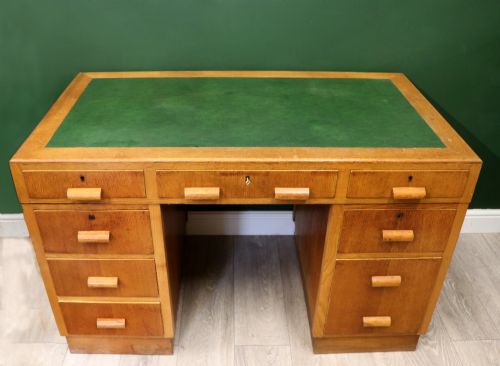
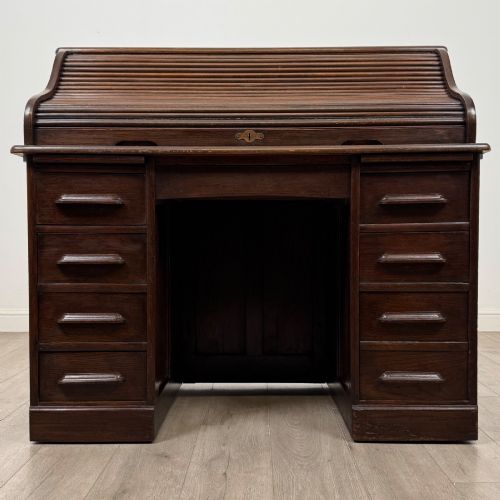
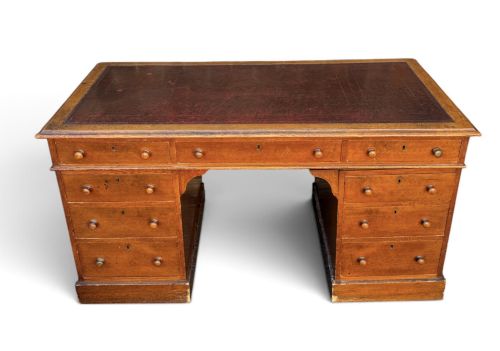
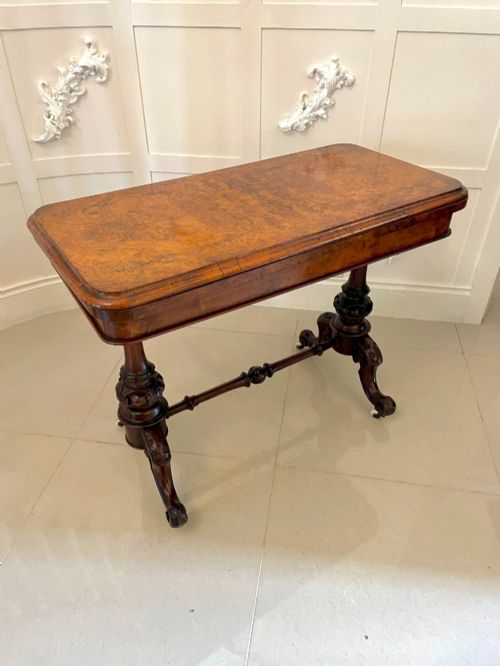
Antique Twin Pedestal
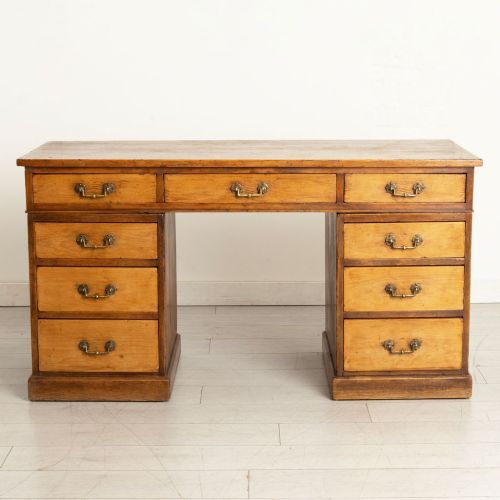
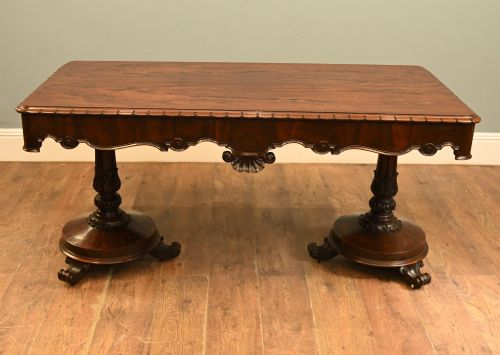
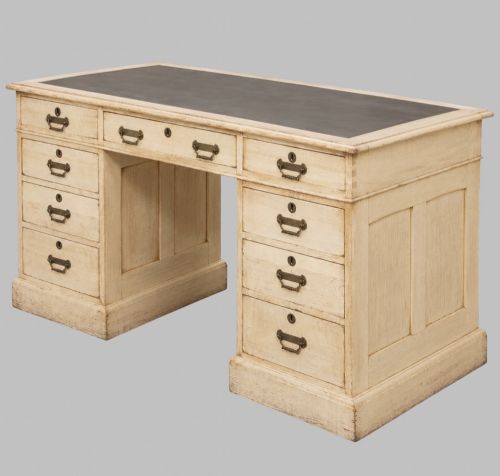
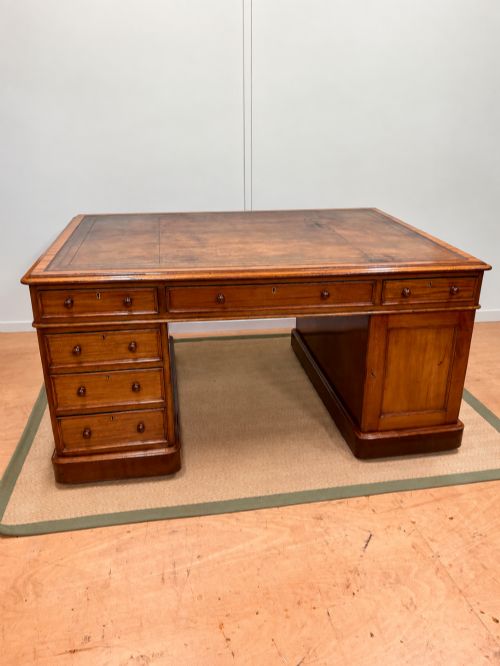
An antique twin pedestal brings serious architectural presence to a room, supporting substantial surfaces upon two distinct structural columns.
Antique Twin Pedestal
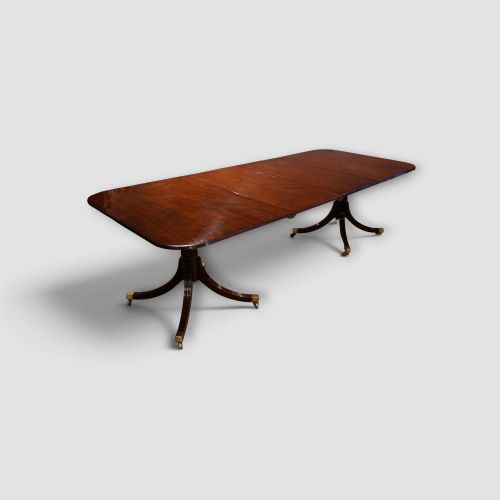
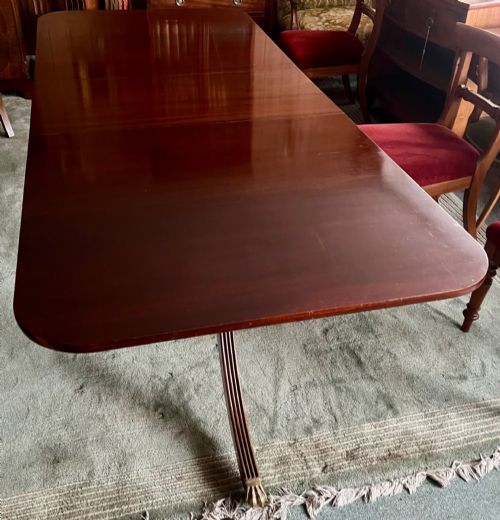
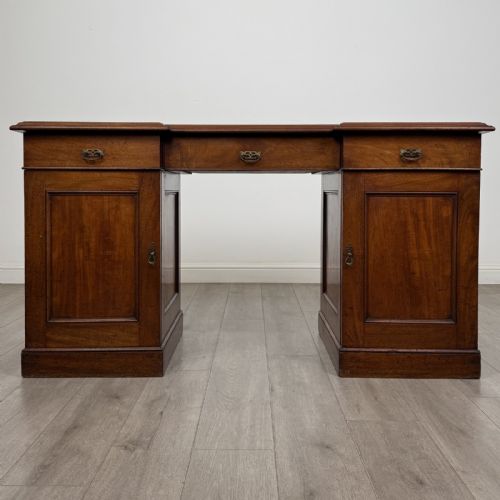
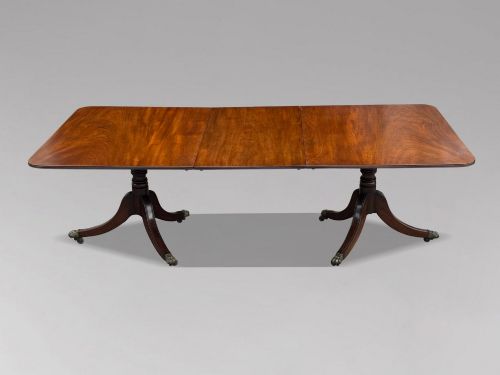
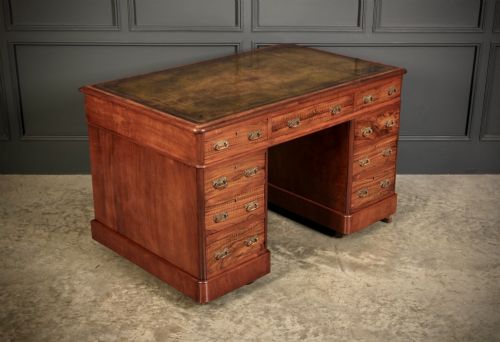
An antique twin pedestal describes furniture constructed with two separate supporting bases beneath a single top, dividing weight and creating stability for large proportions. Buyers seeking this configuration most frequently encounter substantial desks and extendable dining tables spanning periods from the early nineteenth century through the Edwardian era.
The form adapts to multiple domestic functions across the listings, appearing in dining rooms as multi-leave tables and in studies as partner desks or writing tables. Mahogany remains the dominant timber across these forms, alongside oak, walnut, and rosewood depending on the manufacturing decade.
Originating predominantly from British workshops, these pieces range from formal Regency dining furniture to utilitarian Art Deco office desks and later Edwardian variations. Each version maintains the core architectural principle of two weighted pedestals supporting a broad upper surface.
How they were made
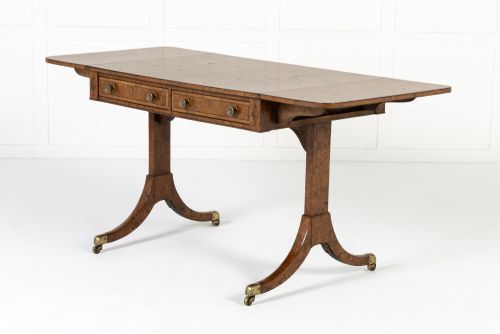
Makers constructed these pieces using solid timbers alongside veneered surfaces, applying flame mahogany, burr walnut, and satin birch over stable secondary woods. Cabinetmakers joined pedestals to tops with structural dowels, screws, and traditional mortise and tenon joinery to bear the weight of extended leaves or heavy writing surfaces.
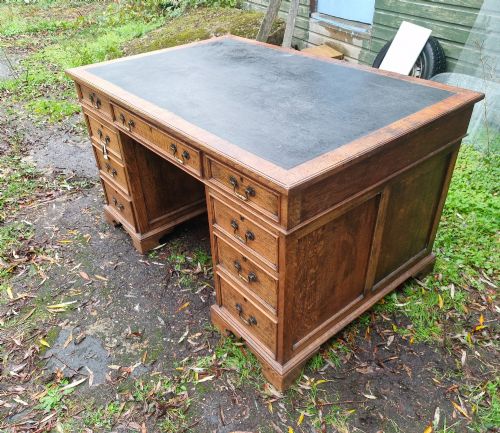
Surfaces frequently integrate inset leather writing panels tooled in gold leaf, paired with brass castors fitted beneath the pedestal bases for mobility. Dining versions incorporate runner systems and drop-in leaves that allow the central structure to expand.
Finishes rely on traditional French polish applied over stained wood, building depth in the grain while protecting the timber from daily wear in office and dining environments.
Antique Twin Pedestal Retail Price Guide 2026
Typical asking prices for twin pedestal among the pieces listed under this phrase on Sellingantiques today, from the lower quarter to the upper quarter. They describe what is for sale here now, not the wider market.
Some pedestal desks conceal revolving book drums and secret stationery drawers behind dummy spine book facades.
What varies in quality
Timber selection marks the primary distinction between standard production and superior examples, visible in the matching of grain patterns across table leaves and desk drawers. Figured veneers such as flame mahogany or burr walnut indicate higher workshop ambition than plain domestic pine or utility oak.
Hardware integrity separates workshop standards, distinguishing solid brass castors and original locking mechanisms from later replacements. The precision of the joinery where pedestals meet the main frame dictates long-term stability under heavy loads.
Gillows of Lancaster·Wylie and Lochead Glasgow
The Antique Twin Pedestal Glossary
- Twin pedestal
- A furniture design featuring two distinct vertical supports carrying a shared horizontal top. This arrangement provides structural clearance and balanced weight distribution.
- Partners desk
- A large writing table designed for two people to sit opposite one another, featuring drawers and cupboards accessible from both sides. These pieces often incorporate inset leather writing surfaces.
- Flame mahogany
- A decorative wood veneer cut from the branch forks of the mahogany tree, displaying a distinctive undulating, flame-like grain pattern. Cabinetmakers reserved this material for prominent exterior surfaces.
- Tambour
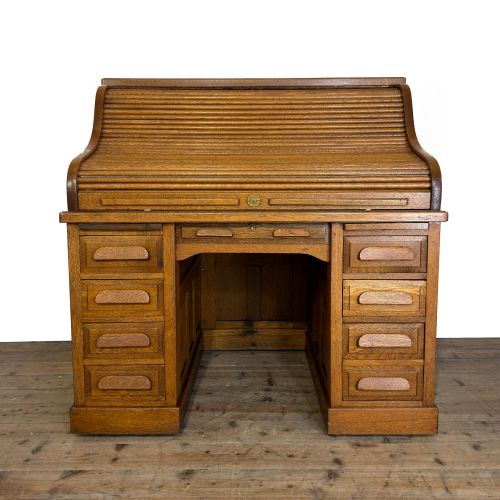
- A flexible shutter formed of narrow strips of wood glued to canvas, allowing roll-top desks to open smoothly around a curved track. This technique requires precise joinery to function without binding.
- Breakfront
- A cabinet or desk facade where the central section projects forward from the flanking wings. This architectural device adds depth and shadow lines to large pieces.
Antique Twin Pedestal: Frequently Asked Questions
What rooms suit an antique twin pedestal desk?
These large desks suit private studies, home libraries, and spacious executive offices where floor space permits a freestanding central placement. Their finished backs and multi-sided drawer configurations allow them to sit away from walls.
Smaller Edwardian or Art Deco variants adapt more readily to compact home workspaces while retaining the architectural weight of the dual pedestal form.
How do twin pedestal dining tables extend?
Dining tables utilise internal wooden runners and drop-in leaves supported by auxiliary legs when fully drawn out. This mechanism allows the twin pedestals to separate evenly as the surface area increases.
When closed, the pedestals reposition beneath the shortened top to maintain structural balance and leg clearance for seated guests.
How do I care for leather desk surfaces?
Leather writing surfaces require gentle dusting and occasional conditioning with specialised leather balms to prevent drying and cracking. Avoiding direct sunlight and liquid spills preserves the gold-tooled borders.
Many antique desks retain their original hide inserts, which benefit from careful maintenance rather than total replacement.