

Antique Twin Light Lamps
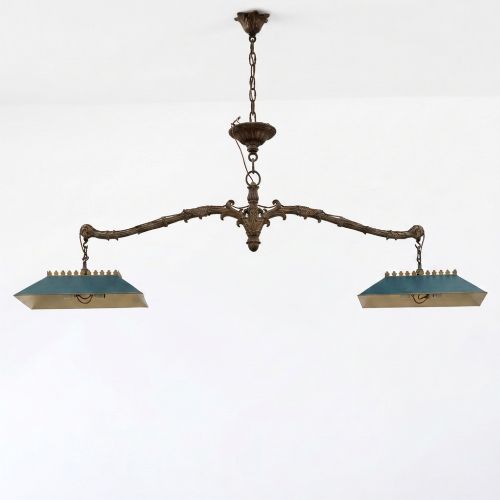
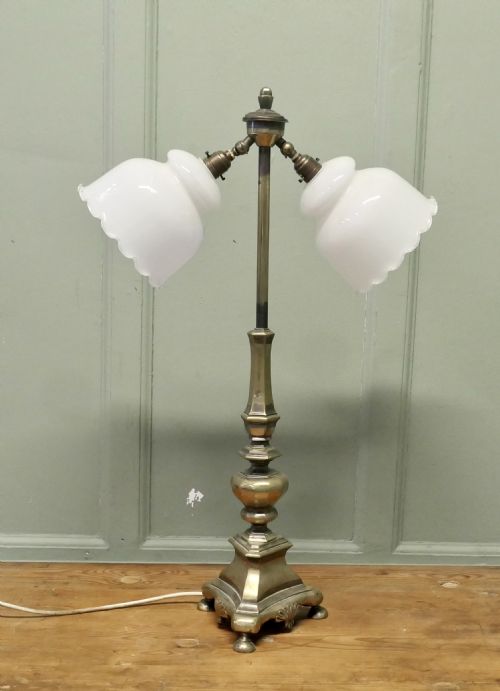
Antique twin light lamps bring double illumination and period character to a room, ranging from brass wall sconces to bouillotte desk lamps.
Antique Twin Light Lamps
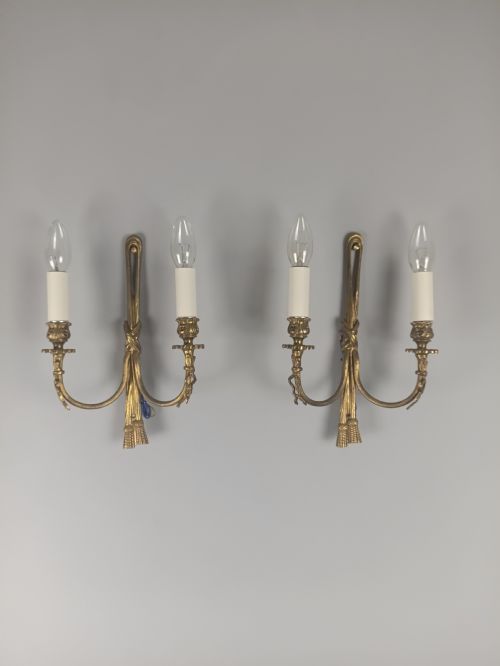
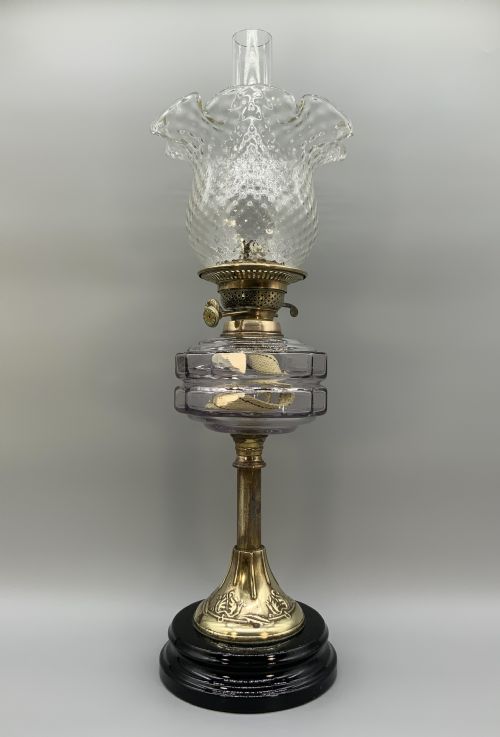
When you search for antique twin light lamps, you encounter dual-burner oil fittings, two-arm wall sconces, and double-bulb table fixtures spanning the nineteenth and twentieth centuries. These pieces originate from English, French, and Asian makers, utilising forms designed for practical illumination or decorative display.
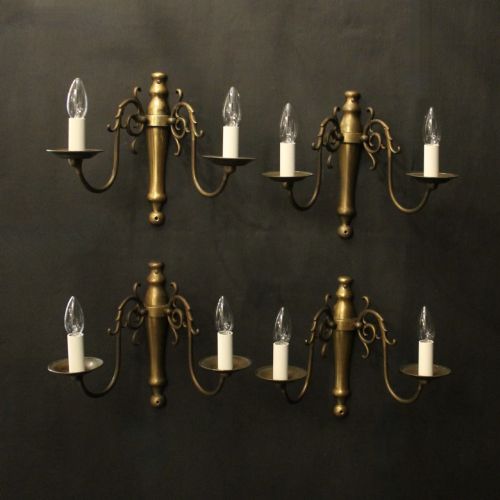
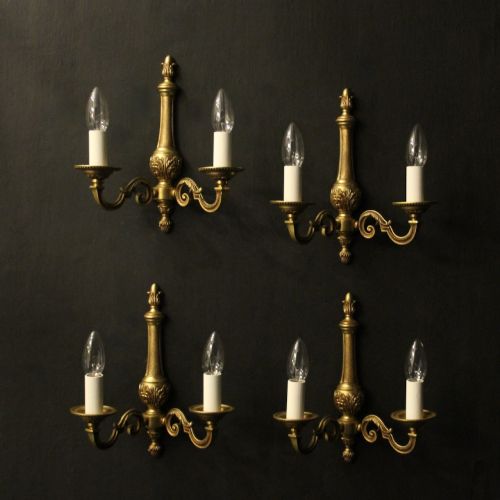
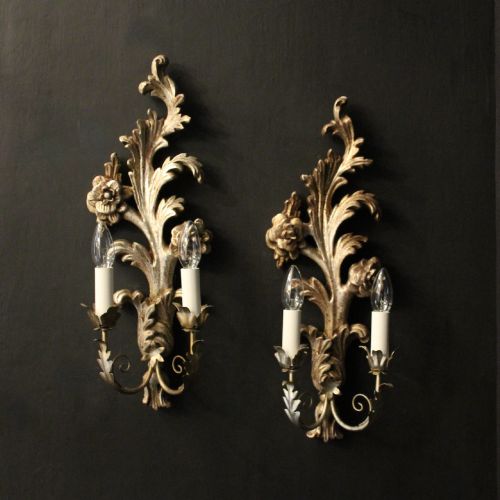
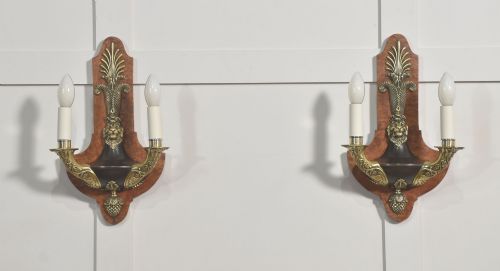
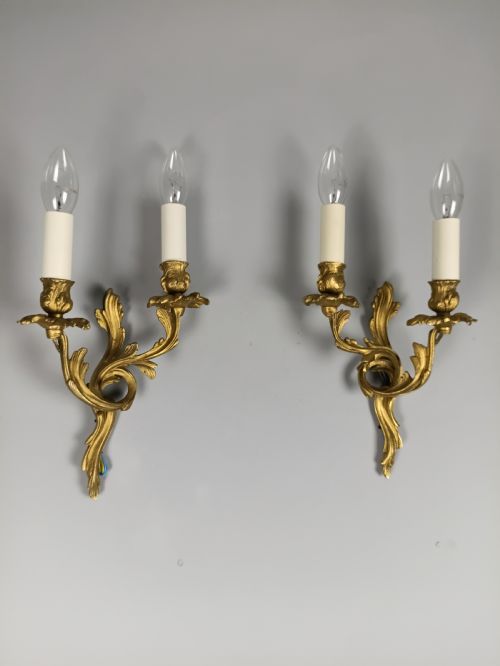
The selection on this page relies heavily on wall lights and table lamps from the Edwardian period, the 1920s, and the 1930s. You will find French gilt brass wall lights alongside English brass reading lamps and Chinese vase conversions.
Makers adapted older vessel forms and traditional candelabra designs into electrical or dual-chamber oil formats. The resulting pieces serve functional lighting needs while retaining distinct regional styles such as Art Deco, Neoclassical, and French Rococo.
Materials and Construction
Brass, gilded bronze, and silver-plated metal form the structural backbone of these twin light lamps, often cast or spun into arms, capitals, and backplates. Wood, burr walnut, and polychrome painted finishes add textural contrast to the metallic frames.
Listings feature twin light lamps from the Victorian era, Edwardian period, and the 1920s and 1930s, constructed in brass, glass, bronze, and wood.
Assessing Quality and Execution
The distinction between standard and superior pieces rests in the crispness of the casting and the integrity of the original mounts. Finer examples display deeply chased gilt brass, well-balanced twin arms, and hand-blown glass shades free of modern replacements.
The integration of materials dictates the overall calibre of the lamp. Quality manifests in heavy gauge brass, matched porcelain or crystal components, and structural joinery that supports dual branches without sag or misalignment.
Karl Ens·Anton Buschelberger
The Antique Twin Light Lamps Glossary
- Bouillotte lamp
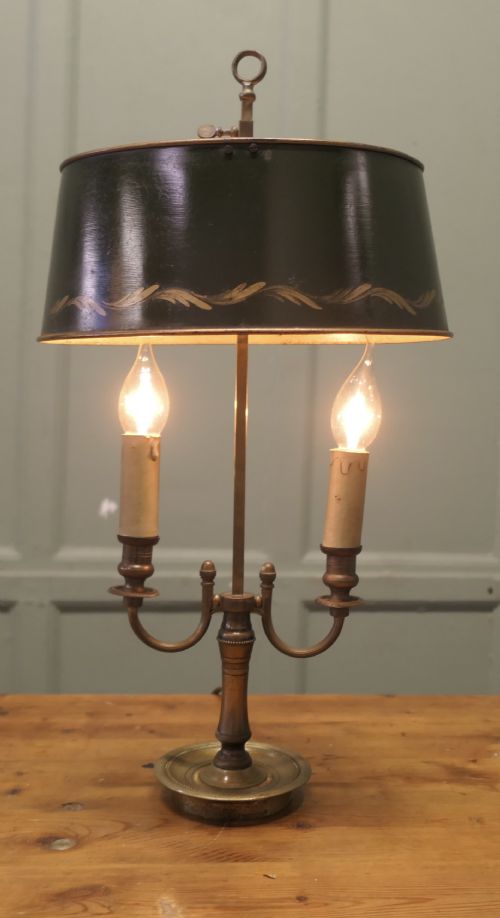
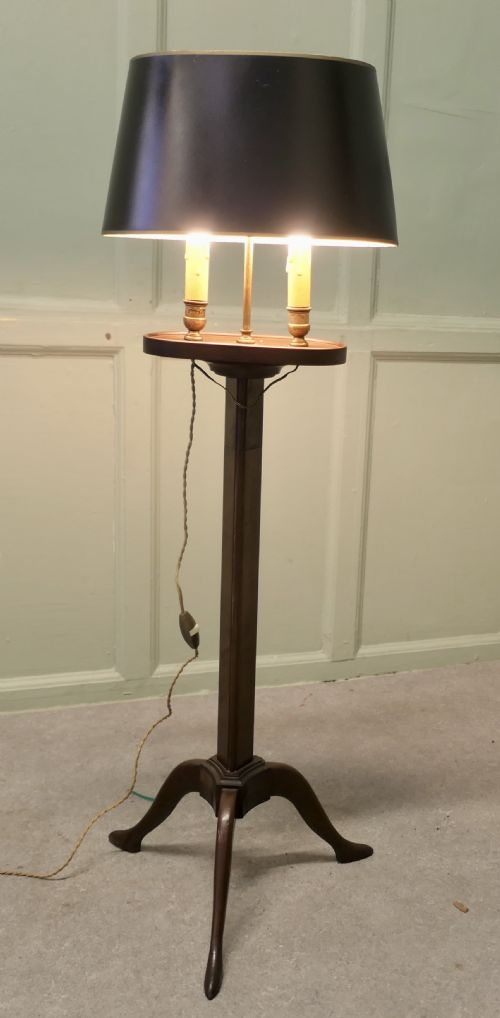
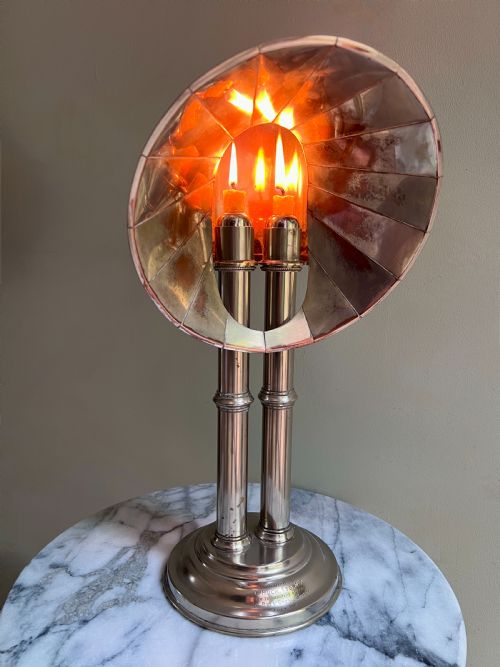
- A traditional desk lamp featuring a central metal shade adjustable on a vertical stem above a dish base and two or more candle arms. It originated in France for use during card games.
- Candelabra lamp
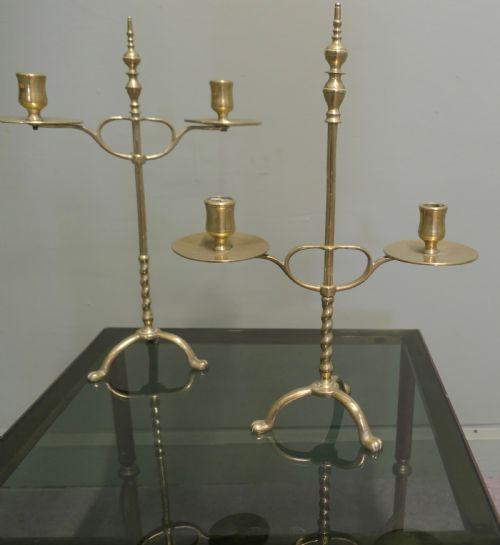
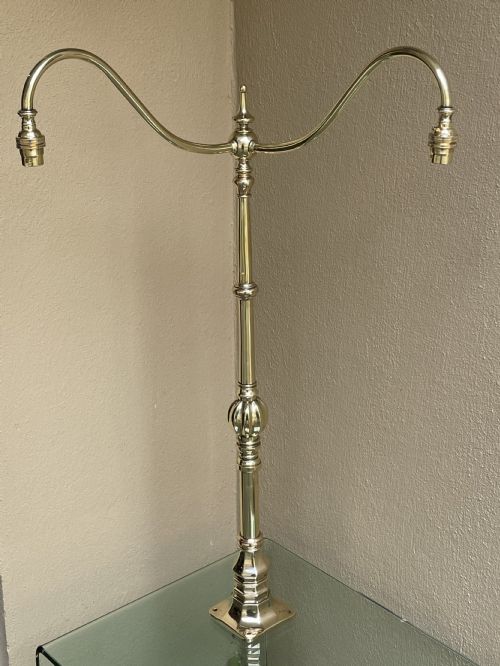
- A lighting fixture adapted from or styled like a branched candlestick to hold multiple light sources. These often feature twin arms extending from a central column.
- Newel post lamp
- A substantial light fixture mounted on the newel post at the foot of a staircase. Edwardian examples often utilise brass and large proportions to illuminate hallway entrances.
- Toleware
- Painted or lacquered metalware, typically tin or steel, used for lamp shades and bodies. French toleware often appears in green or polychrome finishes.
- Corinthian capital
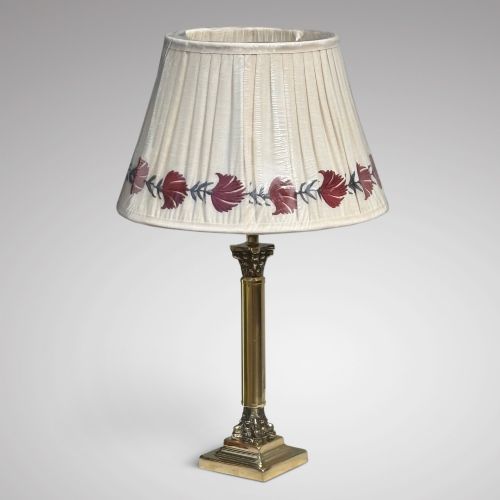
- An architectural column top decorated with acanthus leaves, frequently cast in brass to ornament the standards of Edwardian table lamps.
Antique Twin Light Lamps: Frequently Asked Questions
What is a twin light lamp?
A twin light lamp is a fixture designed to hold two distinct light sources, whether configured as twin arms on a wall sconce or dual bulbs on a table lamp. These pieces deliver expanded illumination compared to single-bulb counterparts.
They appear across various periods, utilising oil, candle, or electrical configurations to suit domestic spaces.
How do I date an antique brass lamp?
Dating relies on stylistic markers, manufacturing techniques, and material combinations recorded across different decades. Edwardian pieces often display neoclassical motifs, while 1920s and 1930s examples lean into Art Deco geometric lines or modernist shades.
Examining the fixings, screw threads, and wiring channels provides further clues regarding the period of manufacture.
Were these lamps originally electric?
Many of these pieces began life as oil lamps, candle holders, or gas fittings before later conversion to electricity. Descriptions frequently note transitions from dual-chamber oil burners or candelabra formats to wired table and wall fixtures.
Retained components like burners and drip pans often indicate the original non-electric function of the object.
How were bouillotte lamps used?
Bouillotte lamps served as targeted desk or table lighting, traditionally utilised during the French card game of the same name. The adjustable metal shade allowed players to direct the illumination downward while keeping glare out of their eyes.
Twin candle arms provided the light source inside a protective saucer base designed to catch wax.