



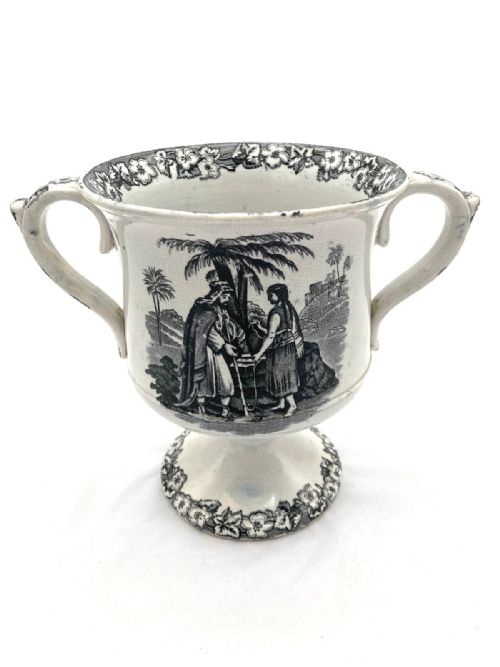
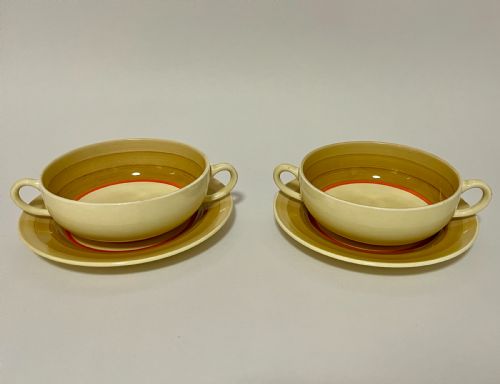


Antique Twin Handle Cup
An antique twin handle cup brings symmetry and history to a table, offering a tangible connection to Georgian rituals and Victorian gatherings.
Antique Twin Handle Cup
Origins include English potteries such as Royal Worcester, alongside Irish silver workshops, French brass foundries, and Indian Kutch silversmiths. Each period contributes distinct regional styles, from Georgian restraint to Victorian polychrome exuberance.
Materials and construction
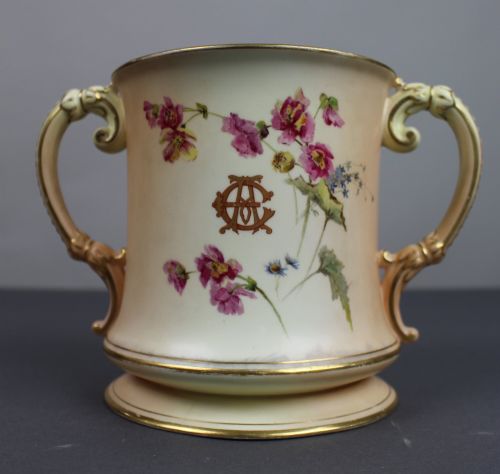
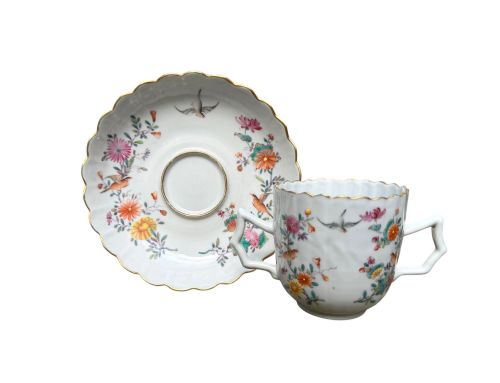
Pottery and porcelain vessels rely on ceramic bodies shaped by hand or wheel, often finished with glazes, enamel colours, and gold leaf highlights. Transfer printing and hand painting introduce intricate pictorial details across earthenware and bone china surfaces.
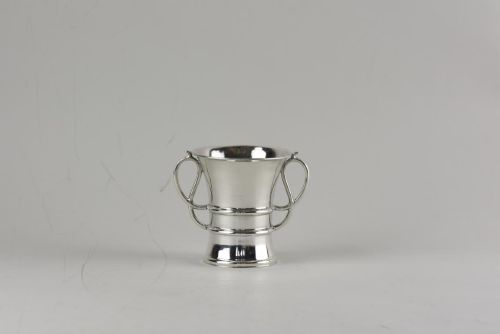
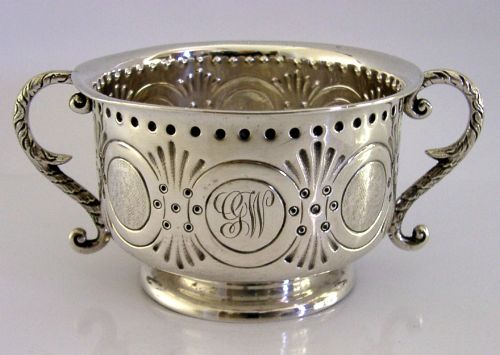
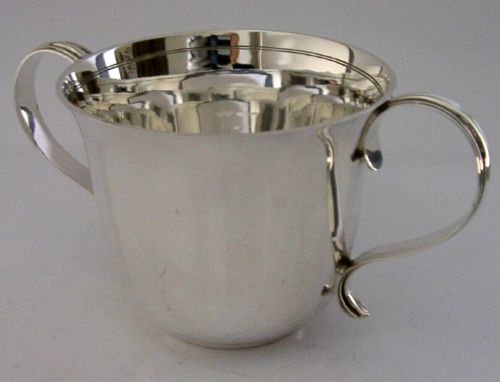
Silver and brass pieces demonstrate metalworking traditions, utilising hammering, casting, and repoussé techniques to form durable bodies and secure handles. Sterling silver porringers and trophy cups balance structural weight with refined decorative engraving.
Antique Twin Handle Cup Retail Price Guide 2026
Typical asking prices for twin handle cup among the pieces listed under this phrase on Sellingantiques today, from the lower quarter to the upper quarter. They describe what is for sale here now, not the wider market.
Listings span the 18th Century, 19th Century, Edwardian, and Victorian eras, incorporating materials like sterling silver, porcelain, enamel, and brass.
Factors that distinguish quality
Subtlety of form and crispness of detail separate superior examples from standard production, particularly in the definition of applied handles and cast ornament. Hand-painted ceramic pieces display varying levels of brushwork precision, while silver and brass items reveal the skill of the silversmith or metalworker in their weight and balance.
Preservation of original surfaces, such as intact enamel colours on porcelain or crisp hallmarks on silver, dictates the desirability of a piece. The integration of dual handles with the main body shows the maker's structural mastery.
Royal Worcester·Clarice Cliff·Spode
The Antique Twin Handle Cup Glossary
- Porringer
- A small, two-handled bowl used historically for porridge, broth, or similar foods. These vessels often feature pierced or scroll handles attached symmetrically to the rim.
- Loving cup
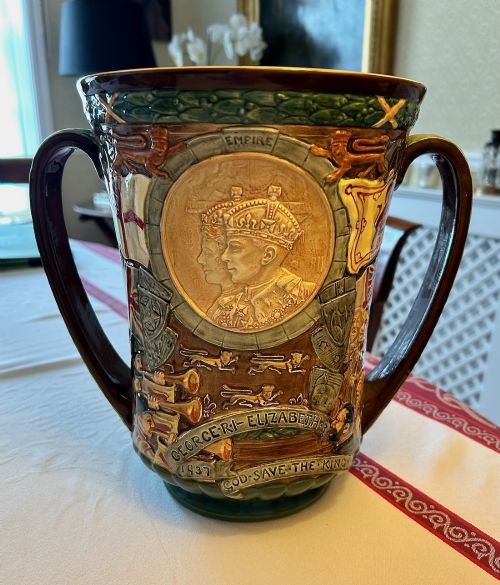
- A large drinking vessel provided with two or three handles, designed to be passed among guests at banquets and celebrations. They frequently appear in ceramics and silver with commemorative inscriptions.
- Posset pot
- A spouted or handled vessel used for serving posset, a hot winter drink of curdled milk mixed with wine or ale and spices. Surviving examples often date from the seventeenth and eighteenth centuries.
- Kantharos
- An ancient Greek cup type featuring two high-set vertical handles and a deep bowl, later reinterpreted in nineteenth-century brass and metalwork. The form mimics classical antiquity.
- Imari
- A style of Japanese export porcelain featuring underglaze blue and overglaze red, green, and gold, which heavily influenced European factories like Spode. The palette remains distinct and vibrant.
Antique Twin Handle Cup: Frequently Asked Questions
What is an antique twin handle cup used for?
These vessels served diverse functions depending on their form, ranging from communal drinking at celebrations to private chocolate consumption and communal porridge service. Loving cups were passed among guests during toasts, while smaller covered cups held luxury beverages.
Over time, many transitioned into decorative table centrepieces or mantel displays. Their dual handles provided stability for passing heavy liquids or ceremonial contents.
How do I care for antique ceramic and silver cups?
Ceramic and porcelain pieces require gentle hand washing in lukewarm water with mild soap, avoiding abrasive sponges that might harm the glaze or gold leaf. Silver and brass items benefit from occasional polishing with appropriate metal creams to maintain their finish without removing fine details.
Display environments should avoid direct sunlight and extreme temperature fluctuations, which can stress fragile glazes and historical metals. Storing them securely prevents accidental impact on the delicate handles.
How can I tell the period of a silver twin handle cup?
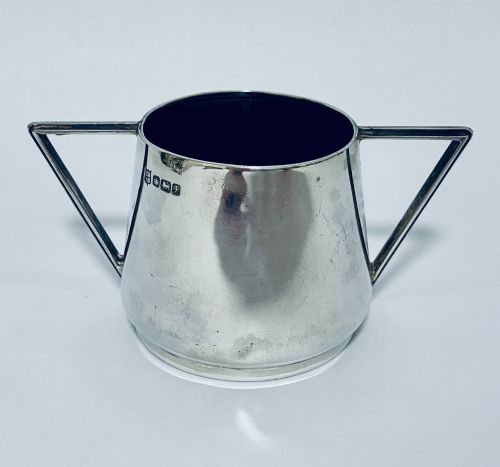
British silver pieces carry hallmarks that indicate the assay office, the date letter, and the maker's mark, allowing precise dating against historical records. Stylistic shifts, such as the transition from plain Georgian surfaces to ornate Victorian repoussé work, also offer clues.
Weight, construction methods, and handle attachment styles further corroborate the era of manufacture. Comparing these elements with documented examples helps confirm the period.
What is a frog loving cup?
A frog loving cup is a traditional ceramic drinking vessel featuring a small ceramic frog modelled inside the base, hidden beneath the liquid until the drinker nears the bottom. This playful design element often startled unsuspecting guests during eighteenth and nineteenth-century gatherings.
Such vessels reflect the more humorous side of historical tavern culture and popular ceramics. They remain sought-after pieces for collectors of quirky folk art.