



Antique Turning Wheel
These antique turning wheel pieces combine domestic utility with mechanical craft, offering tangible links to historical trades and pastimes.
Antique Turning Wheel
An antique turning wheel encompasses practical domestic implements alongside maritime apparatus and parlour gaming equipment. Buyers searching for an antique turning wheel encounter items ranging from spindle-back seating to textile tools and roulette tables.
The selections span the Georgian period, the nineteenth century, and the nineteen-thirties, reflecting both English country craftsmanship and French regional output. Elm, beech, yew, and mahogany form the structural core of these varied objects.
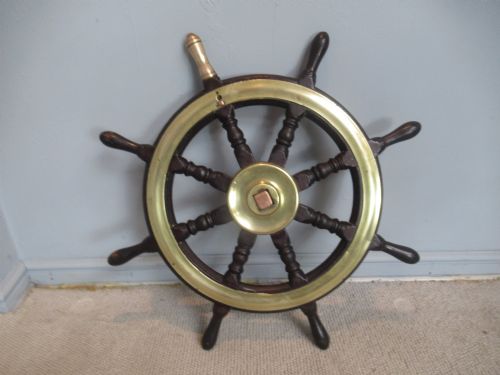
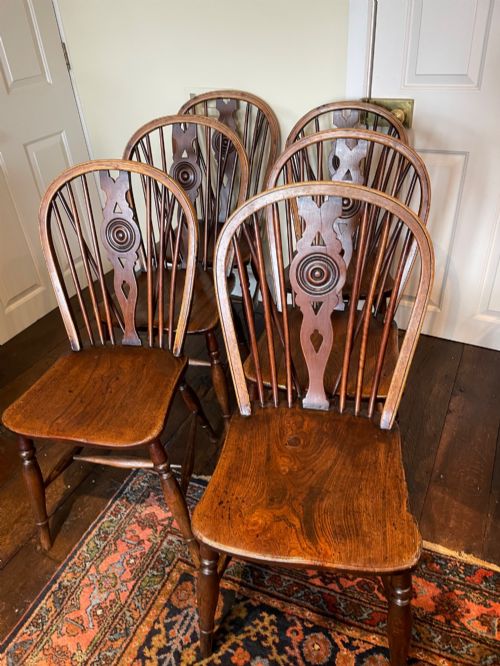
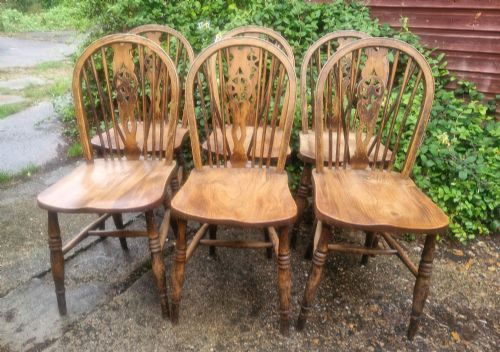
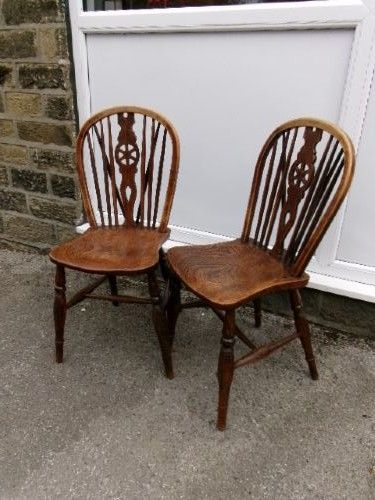
Seating dominates the forms, particularly Windsor chairs featuring pierced wheel splats in the backrest. Alongside these domestic chairs sit bobbin winders, spinning wheels, library carts, and gaming wheels.
Materials and construction
Makers utilised native hardwoods such as elm for solid seats, beech for turned spindles, and yew for rich grain patterns. Traditional joinery combined pegged joints with steam-bent components to shape Windsor chairs and textile apparatus.
Metal elements including brass and iron appear in mechanical assemblies, castors, and roulette mounts. Turned wood construction unites the collection, whether applied to the legs of a footstool or the central hub of a ship wheel.
Antique Turning Wheel Retail Price Guide 2026
Typical asking prices for turning wheel among the pieces listed under this phrase on Sellingantiques today, from the lower quarter to the upper quarter. They describe what is for sale here now, not the wider market.
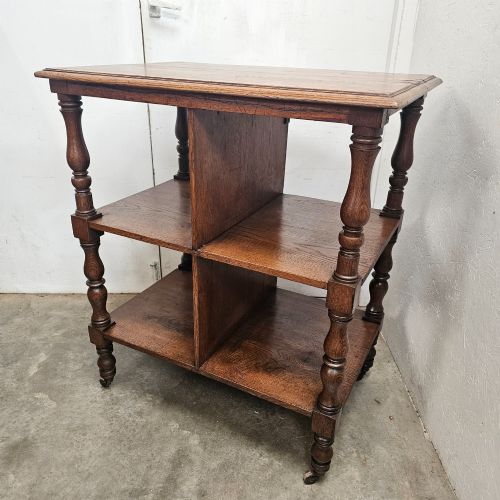
Object types range from dining chairs and armchairs to library carts, footstools, and maritime ship wheels.
Distinctions in quality
The standard of execution rests on the crispness of the turning work and the integrity of the timber selection. Superior pieces display carefully matched grain and robust structural cohesion across heavily utilised parts.
Patina and original surface preservation dictate the visual standing of each piece. Objects retaining their early finish without excessive intervention command greater appreciation among discerning collectors.
The Antique Turning Wheel Glossary
- Wheelback
- A chair design featuring a central splat pierced and carved in the silhouette of a spoked wheel. This style predominates in nineteenth-century Windsor seating.
- Windsor
- A chair constructed with a solid wooden seat into which the legs and back spindles are directly joined. These pieces often employ a combination of elm and beech.
- Bobbin Winder
- A mechanical device used in textile production to wind thread onto bobbins. Eighteenth-century examples incorporate intricate turned wooden frames.
- Spinning Wheel
- A domestic machine utilised for turning fibre into yarn through the action of a foot-driven or hand-cranked wheel. These incorporate substantial turned wooden framing.
- Roulette
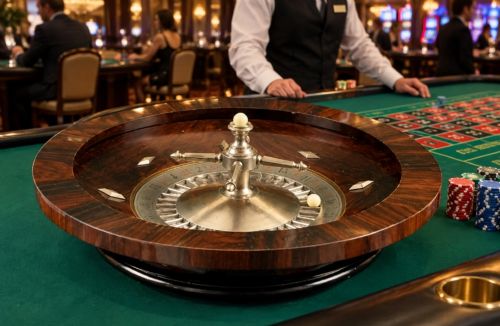
- A gambling apparatus consisting of a revolving wheel and numbered compartments. Miniature and table variants utilise turned wood and brass components.
Antique Turning Wheel: Frequently Asked Questions
How do I identify a bobbin winder?
A bobbin winder is a textile tool designed to transfer thread onto small spools for weaving. They feature small hand-cranked wheels and geared mechanisms.
Originating in the eighteenth century, these wooden implements reflect the domestic textile industries of the period.
What woods were used in these pieces?
Makers relied on native hardwoods including elm, beech, yew, and mahogany. Elm provided strong, split-resistant timber for chair seats.
Turned components like spindles and legs typically utilised beech or yew for stability and fine detail retention.
Are roulette wheels from this period playable?
Table and miniature roulette wheels from the nineteenth and early twentieth centuries are mechanical gaming equipment. They operate with weighted wooden or brass wheels.
While functional as antiques, they are primarily collected as decorative examples of historic parlour games.