

Antique Turning Stool
An antique turning stool brings solid timber construction and honest vernacular form into a room.
Antique Turning Stool
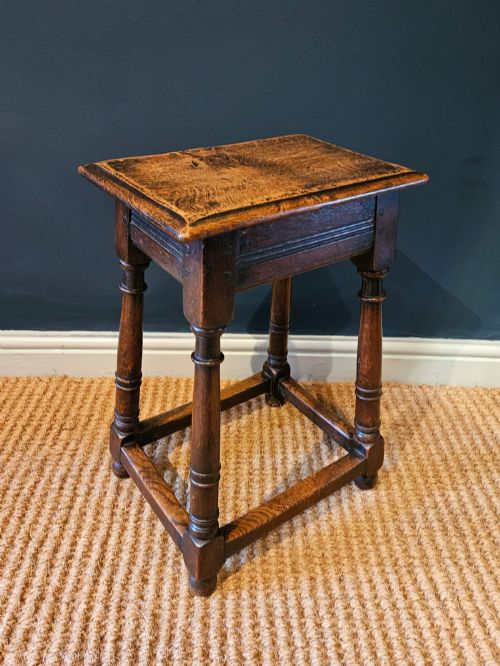
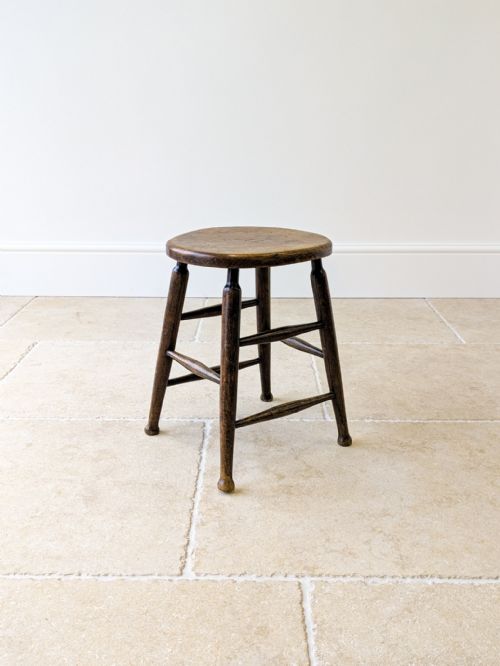
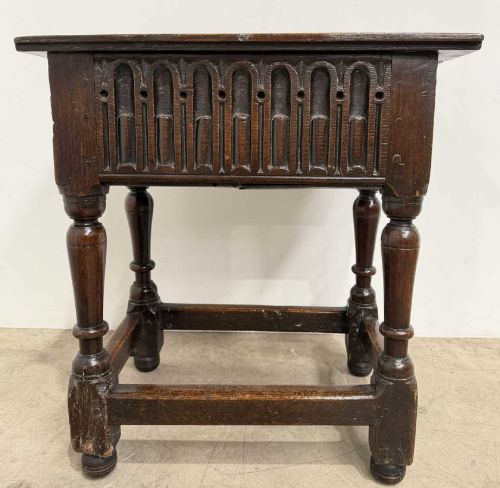
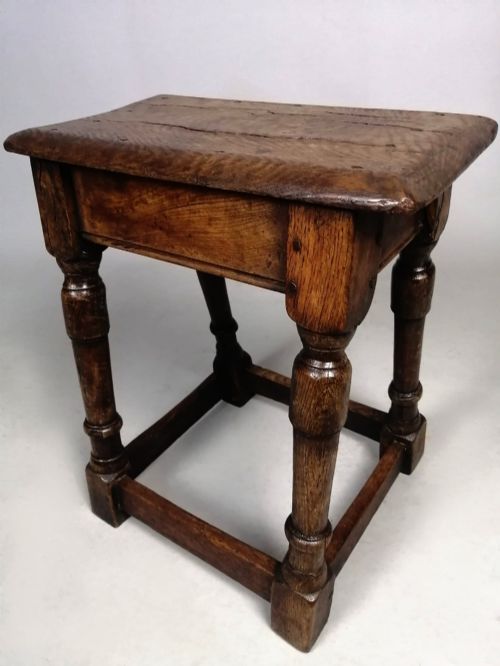
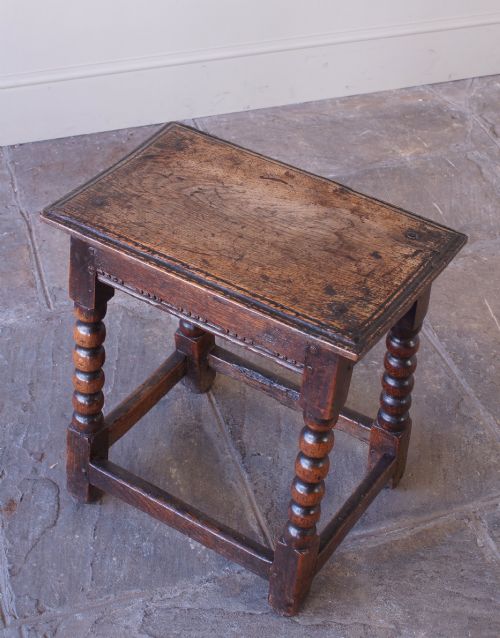
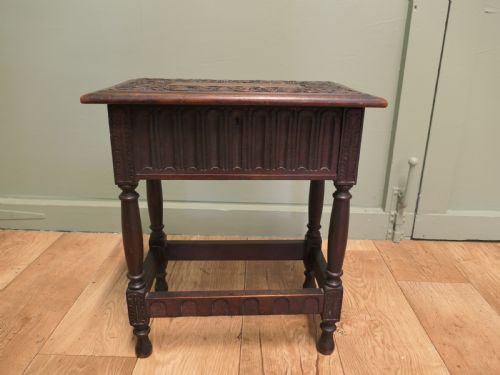
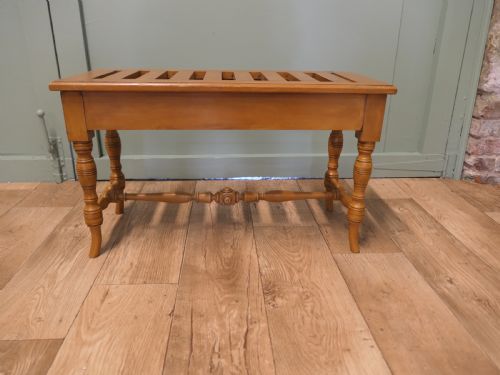
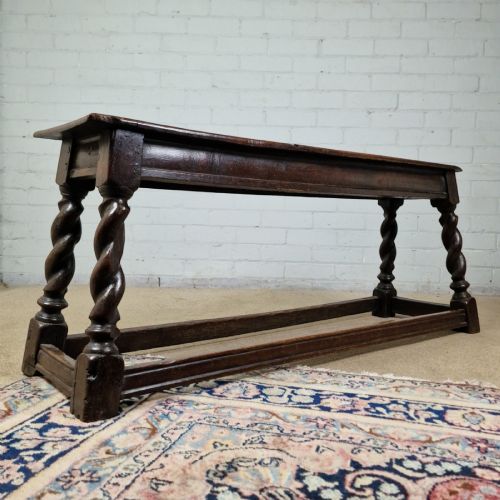
When you search for an antique turning stool, you encounter low wooden seating spanning several centuries of British and European design. The selection includes joined oak examples from the seventeenth century alongside vernacular elm and beech country pieces from the nineteenth century.
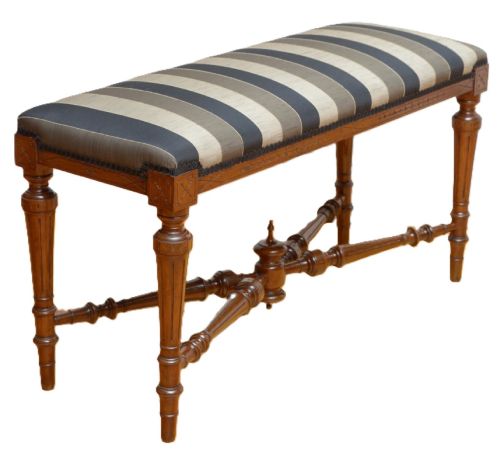
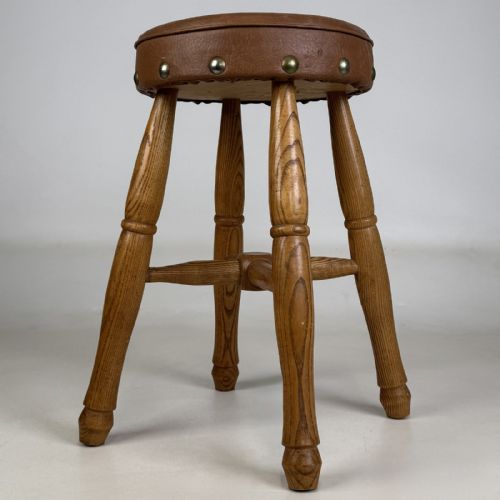
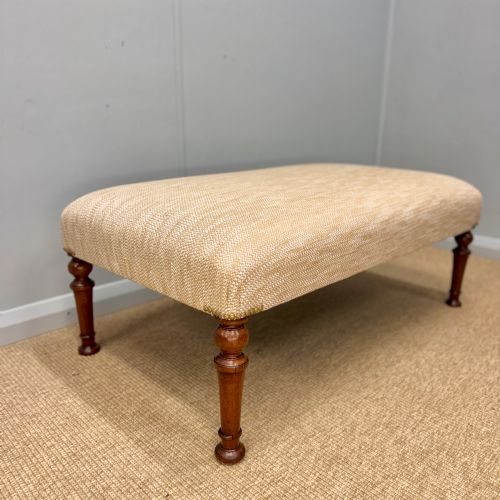
The form encompasses joint stools, tripod stools, tavern stools, and piano stools. Oak and elm predominate, occasionally supplemented by mahogany, walnut, or ebonised wood.
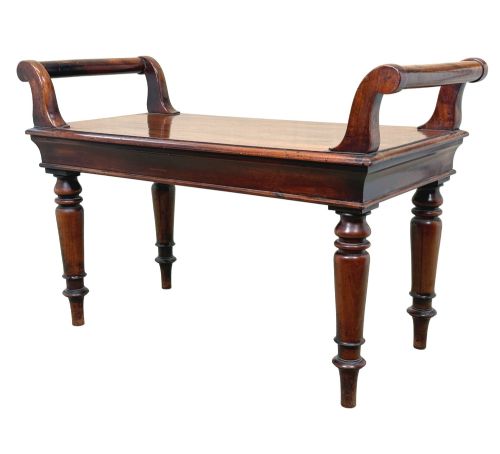
Most entries reflect provincial craftsmanship, ranging from rustic pub seating to formal Georgian and Victorian variants. The inventory bridges utility and display, functioning as occasional tables or footstools alongside primary seating.
How they were made
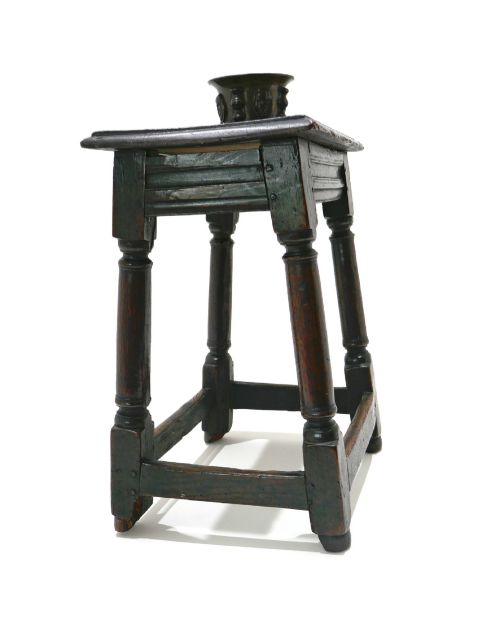
Cabinetmakers and rural joiners relied principally on native hardwoods such as oak, elm, beech, and sycamore. Joinery techniques involved mortise and tenon joints secured with wooden pegs, particularly visible in seventeenth-century joint stools.
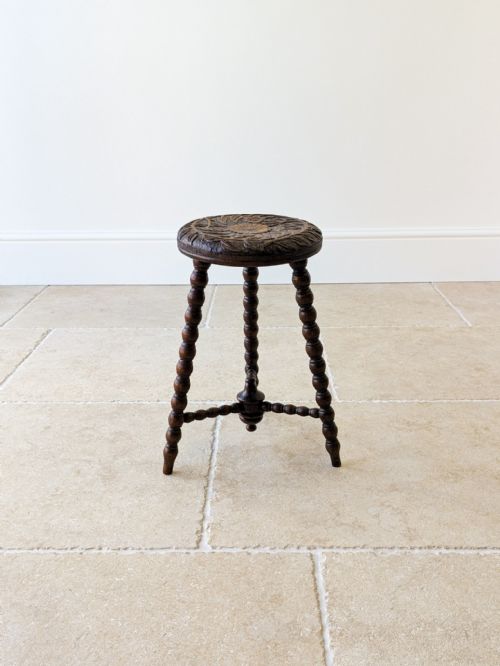
Turned legs appeared frequently across periods, utilising lathes to shape upright supports and stretchers. Surfaces occasionally featured brass studding, carved detailing, cane work, or fabric upholstery.
Antique Turning Stool Retail Price Guide 2026
Typical asking prices for turning stool among the pieces listed under this phrase on Sellingantiques today, from the lower quarter to the upper quarter. They describe what is for sale here now, not the wider market.
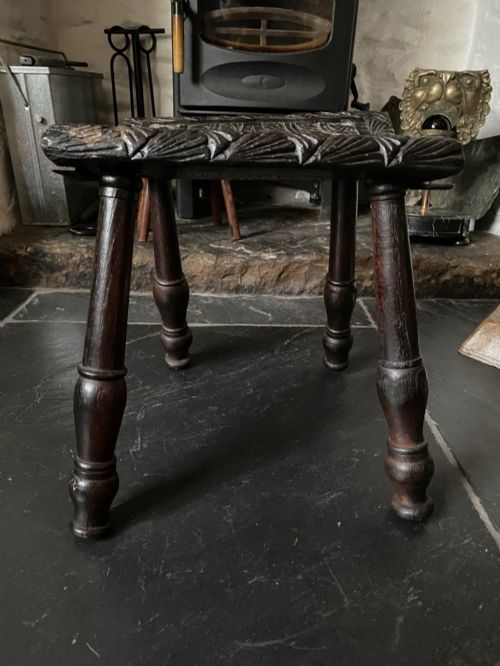
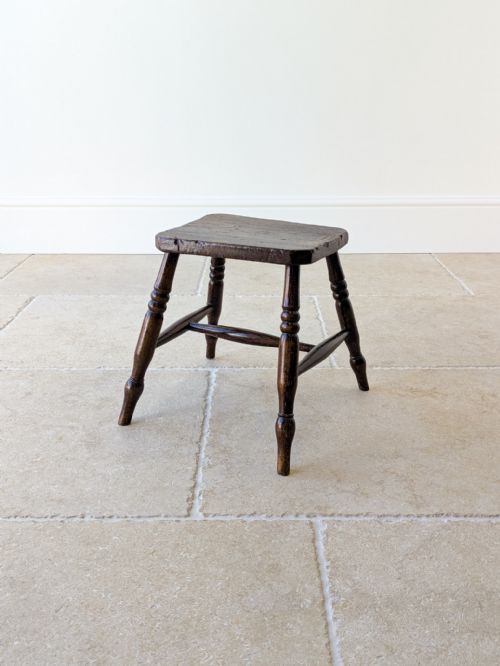
Several tavern stools feature deeply dished wooden seats, shaped over generations by the steady rotation of patrons.
What varies in quality
The distinction between standard utility items and finer examples rests upon the integrity of the timber and the retention of original surfaces. Rich natural patination on seventeenth-century oak or eighteenth-century walnut elevates a piece significantly beyond standard production.
Structural honesty and the degree of later intervention dictate the standing of individual items. Retaining original pegging, turned stretchers, and uncompromised joint construction marks the upper tier of surviving examples.
The Antique Turning Stool Glossary
- Joint stool
- A sturdy wooden stool constructed with mortise and tenon joints rather than turned legs alone. These pieces often served utilitarian domestic functions in early households.
- Tripod stool
- A small seat supported by three legs inserted directly into the underside of the seat. This form provides stable placement on uneven floors.
- Box stool
- A seat featuring a hollow compartment beneath the top surface for storage. Historical iterations sometimes doubled as close stools.
- Ebonised wood
- Timber treated with a chemical stain or finish to imitate ebony. This treatment appears frequently on nineteenth-century decorative seating.
- Windsor stool
- A rustic seat built using vernacular bodger techniques, featuring turned legs wedged directly into a shaped wooden seat.
Antique Turning Stool: Frequently Asked Questions
How were tavern stools used?
Tavern stools provided compact, durable seating in public houses and inns throughout the nineteenth century. Their solid wooden tops, often dished for comfort, withstood heavy daily use.
These pieces typically feature turned legs and robust stretchers to handle uneven flagstone floors. Their simple form prioritised utility over ornamentation.
How do I date an oak stool?
Dating an oak stool involves examining the construction methods, tool marks, and timber shrinkage. Seventeenth-century pieces display hand-riven timber and pegged joinery, while later revival pieces show more uniform machine cutting.
Surface patination and wear patterns around the foot stretchers also offer reliable indicators of age. Comparing the turned leg profiles against known regional styles helps narrow the period.
Can these stools be used daily?
Most antique stools retain their structural integrity and suit regular daily use in contemporary interiors. Solid hardwood construction in oak, elm, and beech ensures lasting durability.
Upholstered or caned variants benefit from careful weight distribution and placement away from direct heat sources. They function reliably as occasional seats, footstools, or small side tables.