


Antique Turned Bowl
An antique turned bowl brings the straightforward craftsmanship of past centuries into daily use through simple turned timber.
Antique Turned Bowl
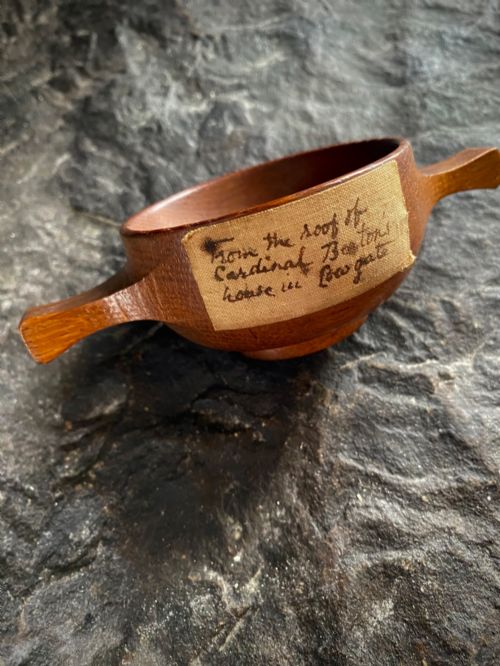
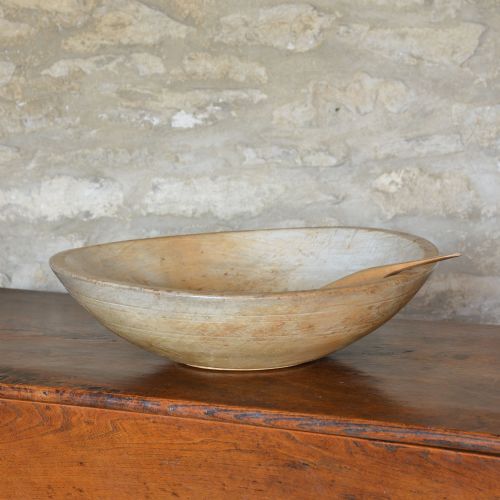
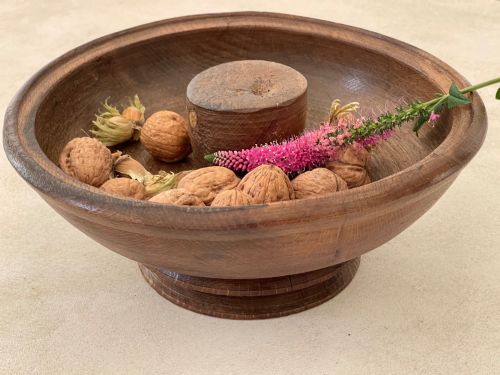
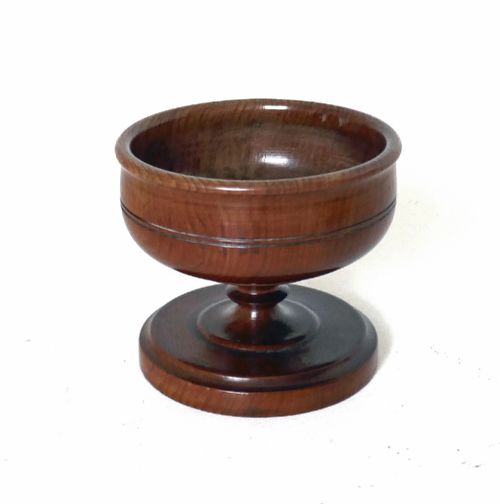
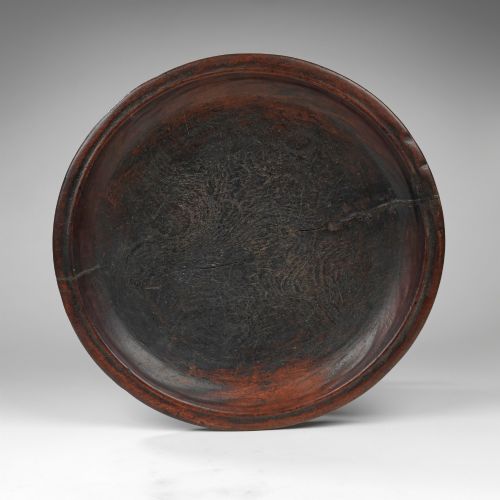
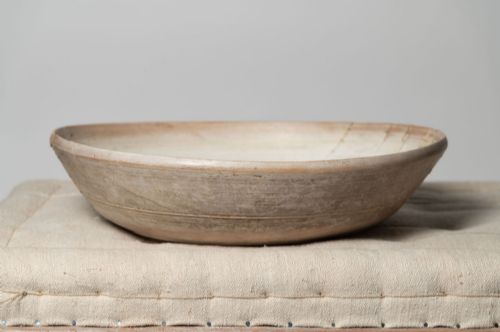
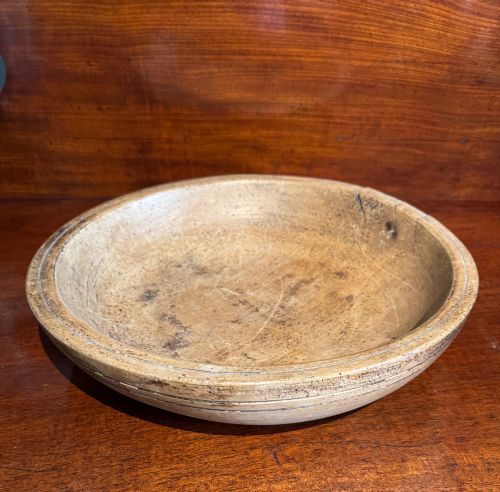
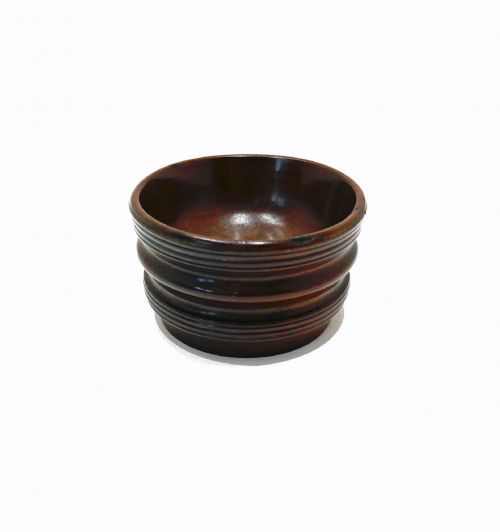
When you search for an antique turned bowl, you encounter domestic vessels shaped on a lathe from dense native hardwoods. The most frequent examples on this page are dairy bowls and salts originating from English, Welsh, and French rural contexts during the eighteenth and nineteenth centuries.
These utilitarian objects served practical purposes in farmhouses and dairies before collector interest redirected them toward display. Their forms remain strictly functional, shaped by the rotation of the lathe and the practical needs of food preparation or storage.
Makers utilised timber chosen for its grain and stability, producing vessels that range from shallow salts to deep dairy bowls. The survival of these pieces depends on their initial thickness and subsequent handling in domestic environments.
Materials and turning methods
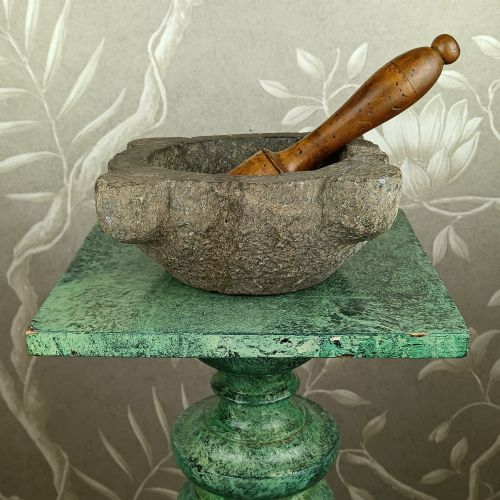
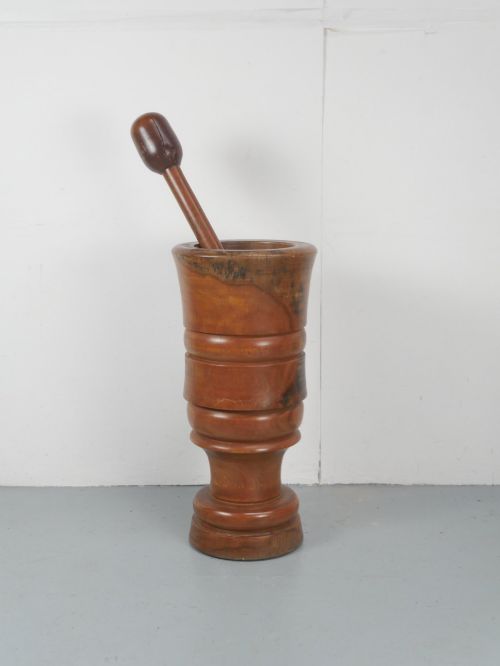
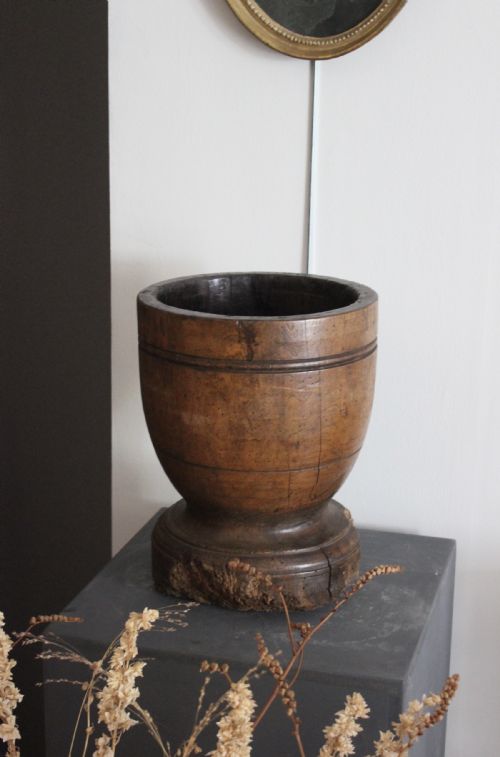
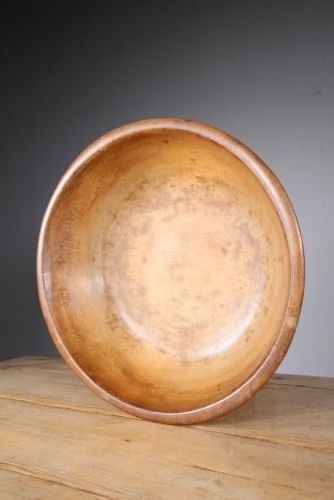
Turners worked green timber on a pole lathe or foot-powered lathe, mounting sections of sycamore, fruitwood, yew, and walnut. Sycamore provided a clean, pale surface resistant to splitting under dairy use, while dense fruitwoods and walnut offered tight grain for smaller items like salts and mortars.
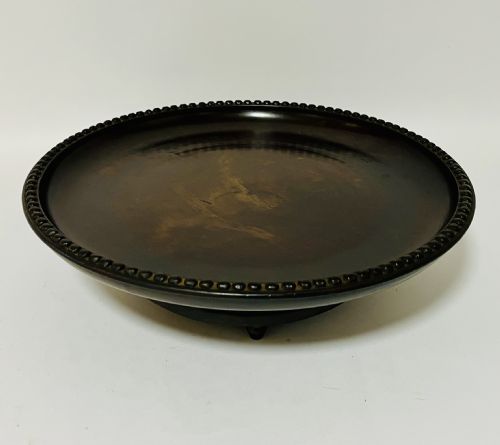
The process relied on hand-held gouges and chisels applied to spinning wood, leaving subtle chatter marks or tool signatures across the interior and exterior walls. Makers often shaped the base with a raised foot or flat bottom to ensure stability on uneven farmhouse tables.
Antique Turned Bowl Retail Price Guide 2026
Typical asking prices for turned bowl among the pieces listed under this phrase on Sellingantiques today, from the lower quarter to the upper quarter. They describe what is for sale here now, not the wider market.
Domestic treen includes miniature cat stands carved to display household pets alongside utilitarian vessels.
Distinctions in quality and survival
Quality in these turned vessels rests upon the balance of the proportions and the preservation of the original surface. A well-turned rim retains its crisp circular profile despite decades of washing and wear, whereas inferior pieces suffer from distorted warping or heavy shrinkage splits.
Surface character defines the upper tier of examples, where decades of handling produce a warm, deep patina across the grain. Lower grades show aggressive scrubbing, insect damage, or structural repairs that obscure the integrity of the original wood.
Henry Williamson Ltd
The Antique Turned Bowl Glossary
- Dairy bowl
- A large, shallow wooden vessel traditionally used for setting milk to allow the cream to rise to the top. These pieces generally utilise sycamore due to its resistance to taint and splitting.
- Treen
- Small handmade wooden items of domestic utility, spanning bowls, salts, and kitchen implements. The term derives from the old word for tree.
- Patina
- The surface sheen and colour developed by aged wood through handling, waxing, and exposure to light over generations. This quality indicates genuine age and use.
- Lathe
- A workshop machine that rotates timber on an axis while cutting tools shape the circumference. Turned vessels display circular striations resulting from this rotational process.
- Salt
- A small, open domestic container designed to hold salt near the dining table. These turned receptacles often feature raised bases and dense hardwood construction.
Antique Turned Bowl: Frequently Asked Questions
What were antique turned bowls used for?
These wooden vessels primarily functioned in rural domestic settings for tasks such as setting milk in dairies, holding salt at the table, or storing dry goods. Their robust timber construction suited the daily demands of farmhouses.
Over time, changing agricultural methods rendered wooden dairy equipment obsolete, leading to their preservation as decorative items. Today, collectors appreciate them for their honest craftsmanship and connection to historical domestic life.
How can I tell the age of a turned bowl?
Dating relies on observing tool marks, timber species, wear patterns, and the overall form of the vessel. Eighteenth-century examples often display irregular hand-turned profiles and deeper patination compared to later nineteenth-century equivalents.
Examine the base and interior for signs of traditional lathe work, such as distinct centring holes or uneven wall thicknesses. Comparing the wood species to known regional traditions also aids in establishing provenance.
Why are sycamore and fruitwood common?
Sycamore was favoured for dairy bowls because the wood contains no strong resins or tars that could taint milk or cream. Its pale colour also allowed dairymaids to easily spot when the vessels were clean.
Fruitwoods and dense timbers like yew and walnut provided the tight grain necessary for smaller turned items that required crisp detail. These local woods were readily available to regional turners working near woodlands.