

Antique Turkmen Wall Hanging
These antique turkmen wall hanging pieces are woven tribal textiles of wool and natural dyes that bring rich Central Asian heritage into a room.
Antique Turkmen Wall Hanging
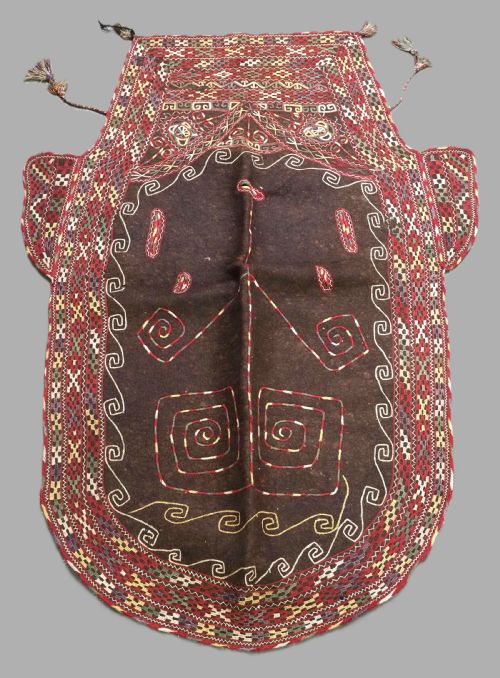
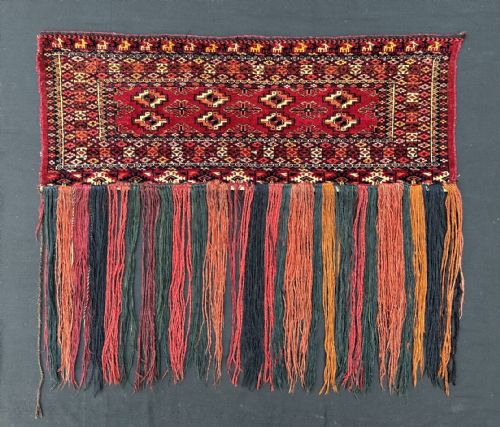
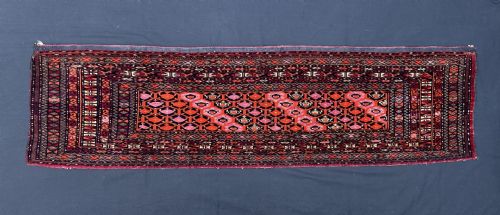
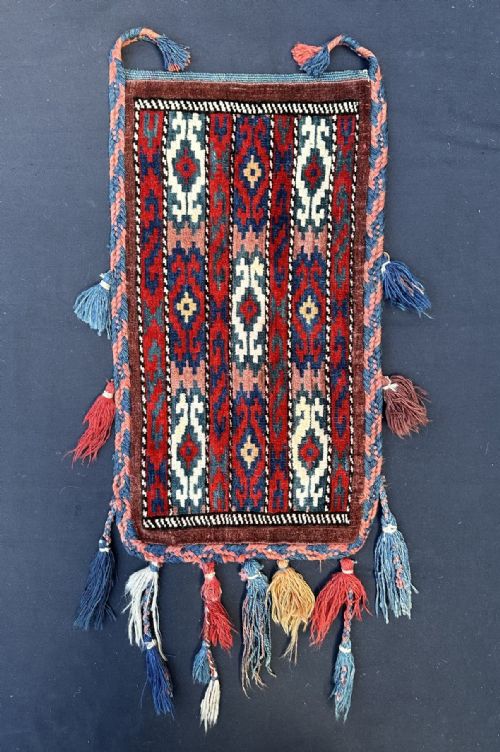
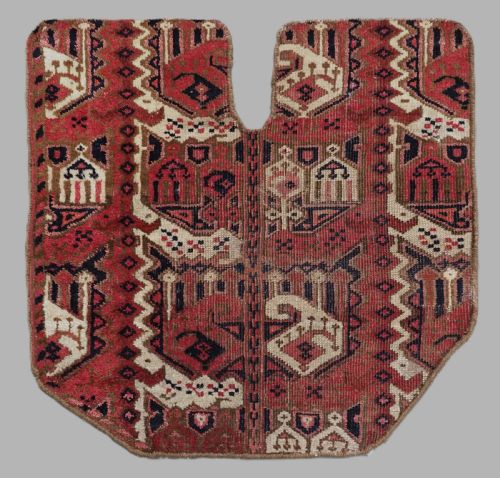
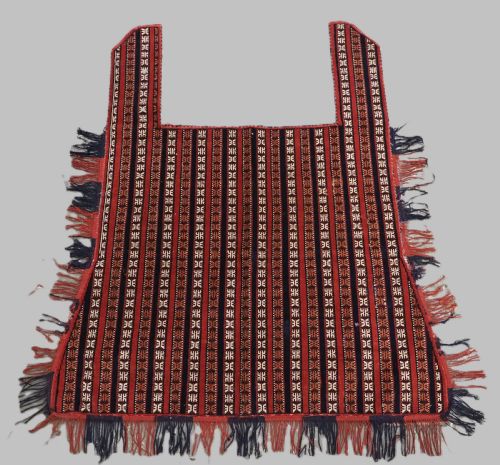
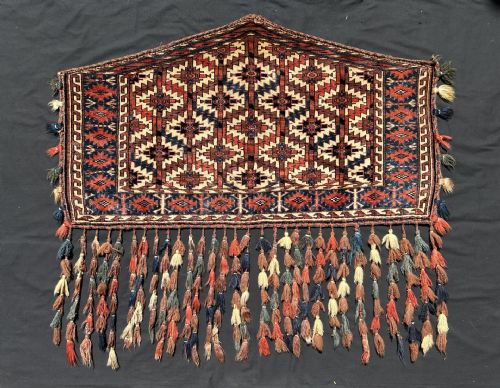
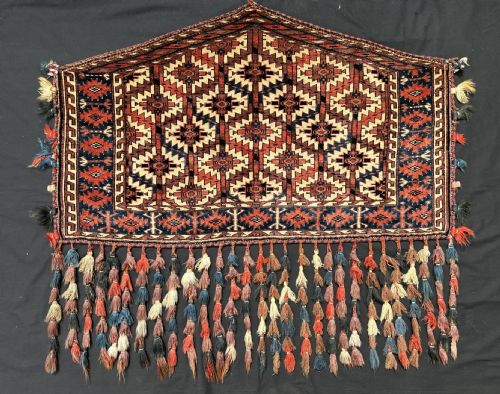
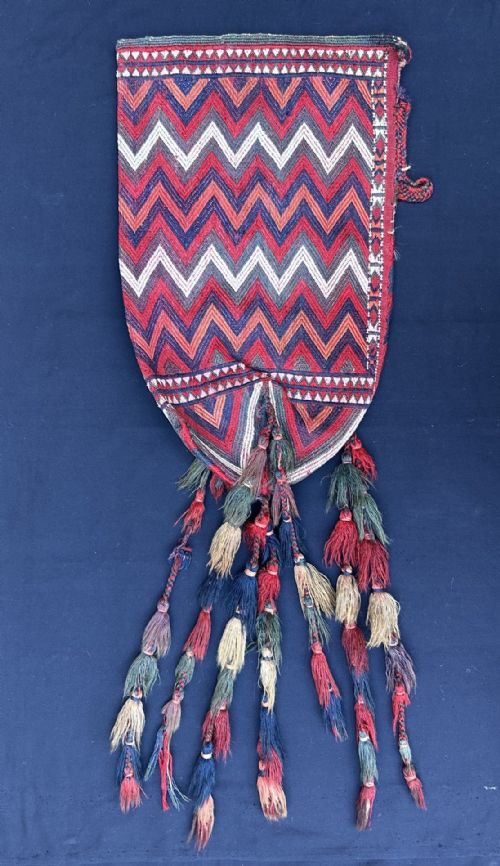
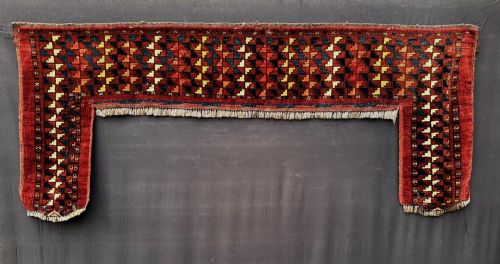
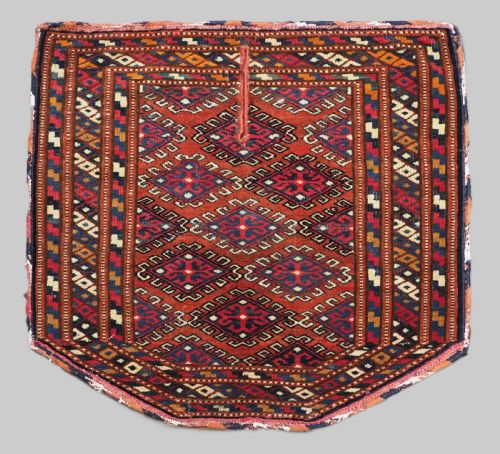
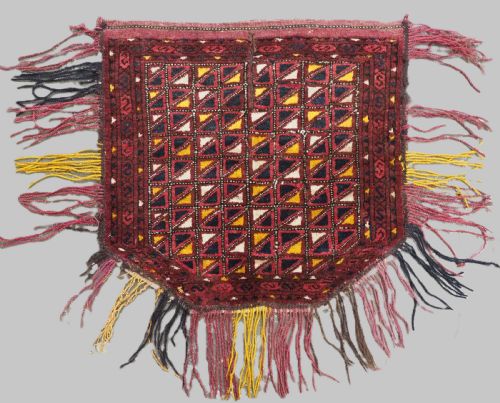
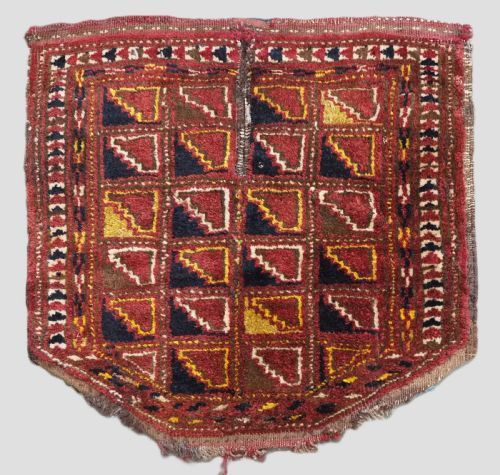
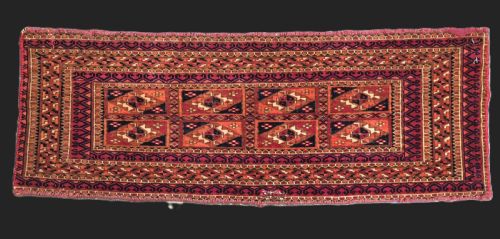
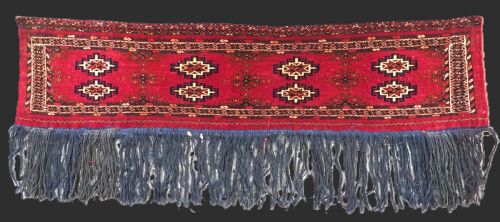
When you search for an antique turkmen wall hanging, you encounter tribal textiles originating from Central Asia, specifically created by distinct groups such as the Yomut, Ersari, Tekke, and Chodor. The selection ranges from ceremonial horse covers and saddle covers to smaller torba faces and chuval faces.
The pieces on this page span several decades from the mid nineteenth century through to the early twentieth century. Common formats include torba faces featuring traditional guls and banded designs like the Kizil and Ak chuval variations.
Materials and construction
Every piece is constructed from wool, hand knotted or woven to create dense, durable surfaces designed for rigorous daily or ceremonial use. The physical structure of these textiles relies on traditional nomadic weaving techniques passed down through generations.
Colour comes entirely from natural dyes, producing deep, rich tones that mellow gracefully over time. These organic colourants interact with the wool fibres to create subtle variations across the surface of each hanging.
Antique Turkmen Wall Hanging Retail Price Guide 2026
Typical asking prices for turkmen wall hanging among the pieces listed under this phrase on Sellingantiques today, from the lower quarter to the upper quarter. They describe what is for sale here now, not the wider market.
Listings feature wool and natural dyes exclusively across all periods.
Assessing quality and character
Quality in these textiles rests upon the precision of the weave and the complexity of the tribal design. Finer knotting and sharper execution of motifs elevate certain torba and chuval faces above standard examples.
The choice and depth of natural dyes significantly influence visual impact. Superior pieces display vibrant yet harmonious palettes where the organic hues have aged with particular distinction.
The Antique Turkmen Wall Hanging Glossary
- Gul
- A primary medallion motif used repeatedly across Turkmen carpets and wall hangings. Each tribal group typically utilised distinct gul patterns.
- Torba
- A small utilitarian bag face often displayed as a hanging. These pieces feature intricate geometric field designs.
- Chuval
- A larger storage bag face produced by nomadic tribes. They frequently incorporate banded designs such as the Kizil or Ak variations.
- Saddle cover
- A textile originally shaped or used for riding equipment. These items share the dense wool construction and natural dyes of wall hangings.
Antique Turkmen Wall Hanging: Frequently Asked Questions
How old are these textile hangings?
The pieces available date from the mid nineteenth century up to the early twentieth century. This places them firmly within the late nomadic weaving period.
Dates are estimated based on material wear, dye characteristics, and traditional structural designs.
How do I hang a textile safely?
Textiles require mounting methods that distribute weight evenly across the entire upper edge. Velcro systems or custom fabric sleeves are commonly employed to prevent strain on the wool.
Direct sunlight should be avoided to protect the natural dyes from fading over time.
What are natural dyes?
Natural dyes are colourants derived from plant, insect, and mineral sources rather than synthetic chemicals. They produce the characteristic deep, muted tones seen in antique tribal pieces.
These dyes tend to age with a rich patina that synthetic alternatives cannot replicate.