

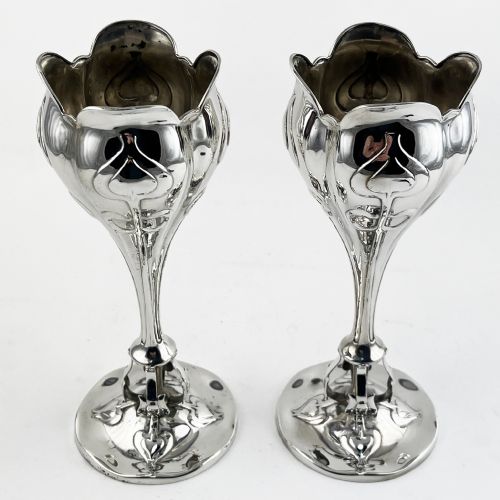


Antique Tulip Vase
An antique tulip vase brings centuries of floral display tradition to your room, holding individual stems in its distinct tiered spouts.
Antique Tulip Vase
When you search for an antique tulip vase, you are looking at vessels designed specifically to display bulbous blooms upright through multiple spouts or sections. The forms on this page span several centuries and materials, taking inspiration from traditional Dutch designs as well as later Victorian and Art Nouveau aesthetics.
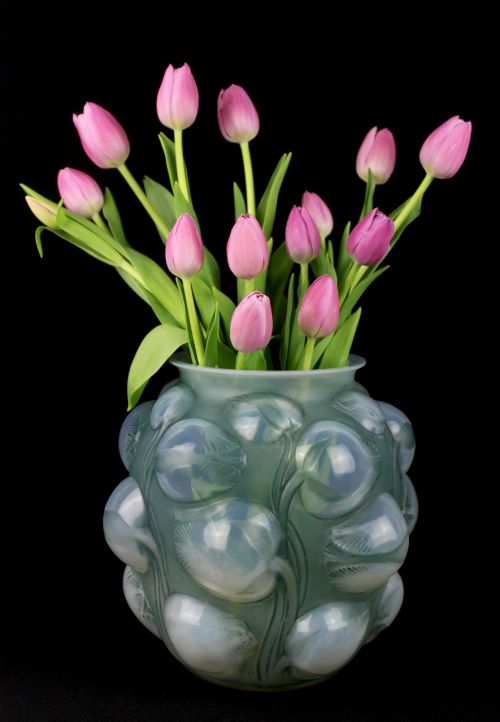
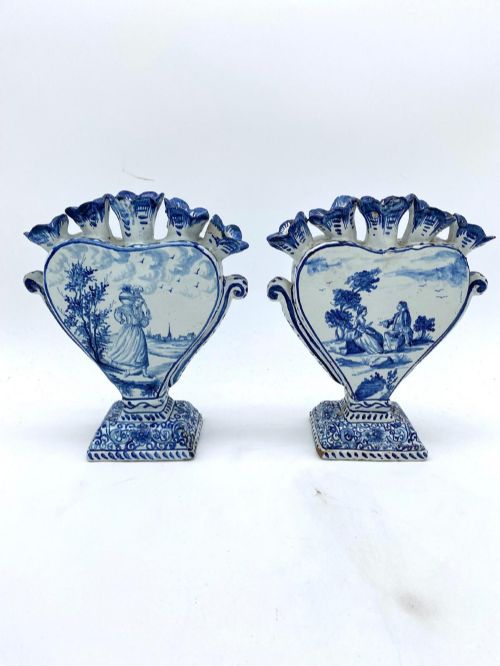
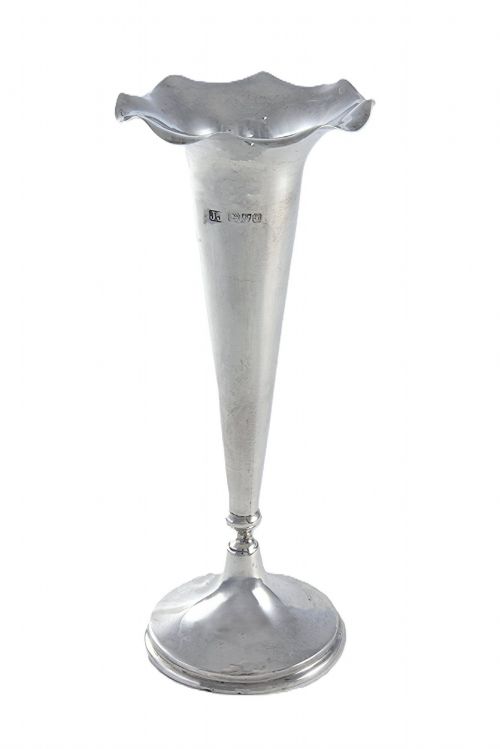
The versions you are most likely to meet here range from Chinese porcelain tulipieres and tin-glazed earthenware to sterling silver spill vases and iridescent Favrile glass. Each piece reflects the era in which it was made, from eighteenth-century export porcelain to nineteenth-century majolica and twentieth-century silver.
Makers adapted the multi-spouted format to suit different interiors, producing everything from elaborate centrepieces to delicate bud holders. These variations mean the form serves equally well as a dramatic focal point or a subtle container for seasonal cuttings.
How they were made
Potters and artisans shaped these vessels using traditional ceramic techniques, applying tin glazes or cobalt blue pigment to earthenware and porcelain before firing. Glassmakers utilised iridescent Favrile methods and cranberry glass blowing to achieve shimmering, light-catching surfaces.
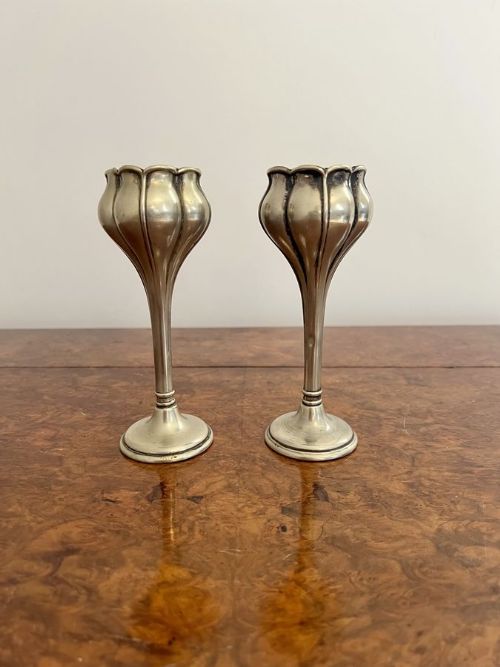
Metalworkers hammered and cast sterling silver and silver plate, creating structural posy vases and spill holders with chased or smooth finishes. Painters also recorded the flower arrangements themselves in oil on canvas during the mid-twentieth century, capturing the visual tradition of Dutch old master still lifes.
Antique Tulip Vase Retail Price Guide 2026
Typical asking prices for tulip vase among the pieces listed under this phrase on Sellingantiques today, from the lower quarter to the upper quarter. They describe what is for sale here now, not the wider market.
Materials represented across the selection include sterling silver, cranberry glass, cobalt blue glaze, and tin-glazed earthenware.
What varies in quality
Quality in these pieces rests upon the crispness of the moulding in ceramics, the weight and balance of the silver, and the depth of iridescence in the glass. Finer examples show precise control over multi-tiered spouts and careful attention to surface detail.
The distinction between standard production and exceptional work lies in the execution of decorative motifs, whether hand-painted botanical details on majolica or the organic fluidity characteristic of Art Nouveau metalwork and glass.
LC Tiffany·Cantagalli
The Antique Tulip Vase Glossary
- Tulipiere
- A vessel featuring multiple spouts designed to hold individual tulip stems apart from one another. This form originated in the Netherlands during the seventeenth century.
- Favrile glass
- An iridescent art glass developed and patented by Louis Comfort Tiffany. It is characterised by a unique sheen embedded within the glass itself.
- Majolica
- Tin-glazed earthenware decorated with brightly coloured metal oxide paints over an opaque white glaze. This technique became popular across Italy and later in Victorian revival pieces.
- Spill vase
- A tall, narrow container traditionally kept on a mantelpiece to hold slender wood spills used for lighting candles or fires. They often share forms with bud vases.
- Epergne
- A large table centrepiece featuring a central dish surrounded by multiple hanging baskets or smaller vases. Victorian versions frequently incorporated coloured glass elements.
Antique Tulip Vase: Frequently Asked Questions
What is a tulip vase used for?
These vessels were created to display individual blooms in separate spouts, which keeps heavy flower heads upright and prevents them from crowding together.
Historically, this multi-spouted design allowed collectors to showcase expensive and prized tulip bulbs individually, making each flower stand out visually.
How do I clean an antique vase?
Cleaning depends entirely on the material, requiring gentle warm water and mild soap for ceramics and glass rather than harsh chemical immersion.
Silver pieces benefit from occasional polishing with a soft cloth designed for precious metals to maintain the finish without removing patination.
Are all tulip vases made of ceramic?
While the traditional form is ceramic or porcelain, makers also produced versions in sterling silver, silver-plated metal, and iridescent art glass.
Different periods favoured different mediums, resulting in glass epergnes and silver spill holders appearing alongside traditional earthenware bodies.
How can I tell the period of a piece?
Dating relies on identifying material characteristics, maker marks, and stylistic markers such as Victorian ornamentation or Art Nouveau fluid lines.
Comparing the manufacturing technique and glaze types against known historical examples helps narrow down the likely decade of production.