



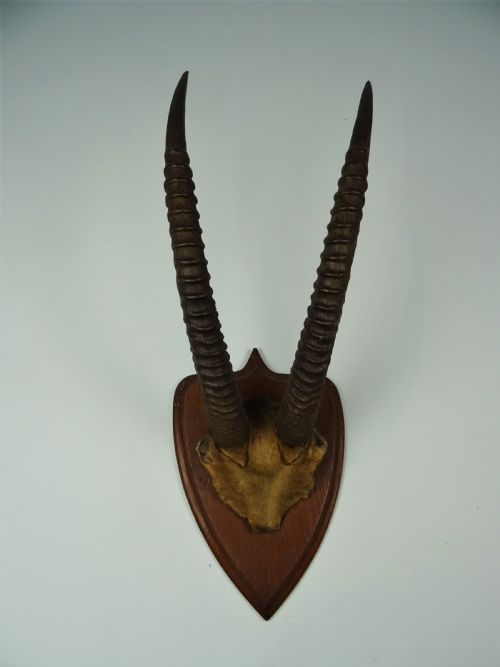
Antique Trophy Shield
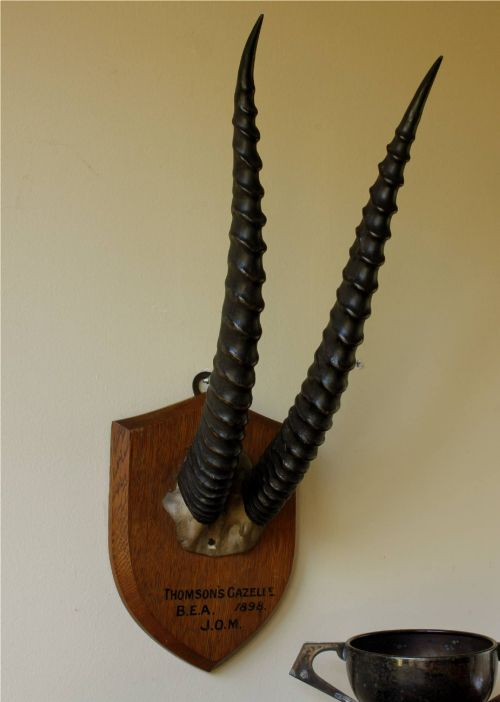
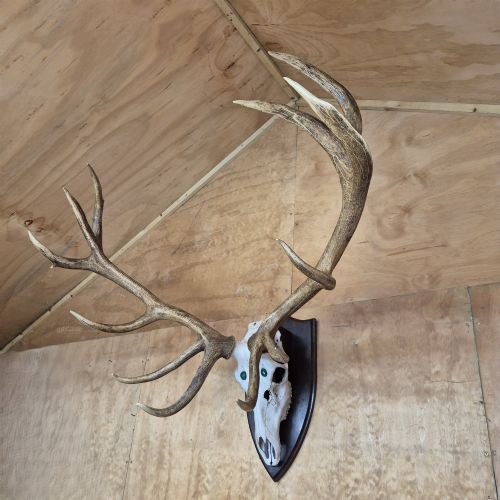
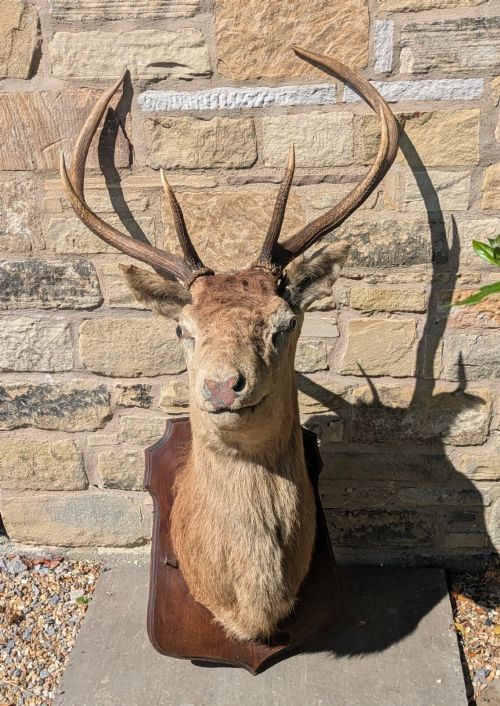
An antique trophy shield brings the atmosphere of the sporting lodge into the room, combining natural specimens with carved woodwork.

Antique Trophy Shield
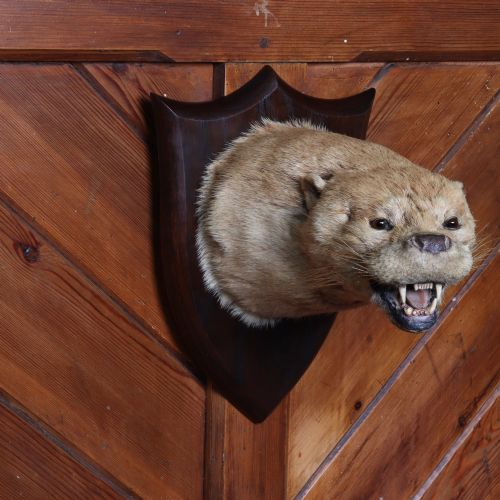
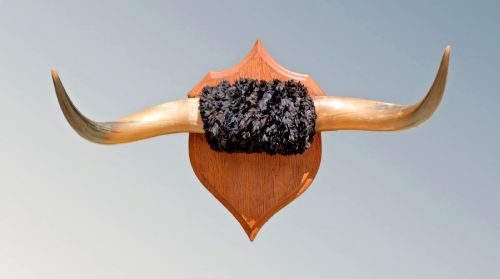
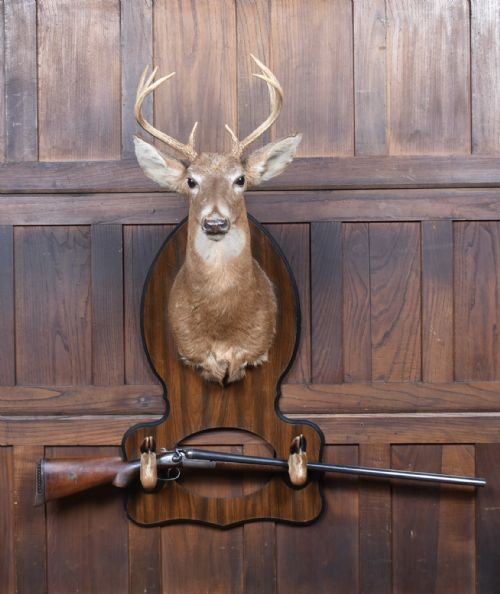
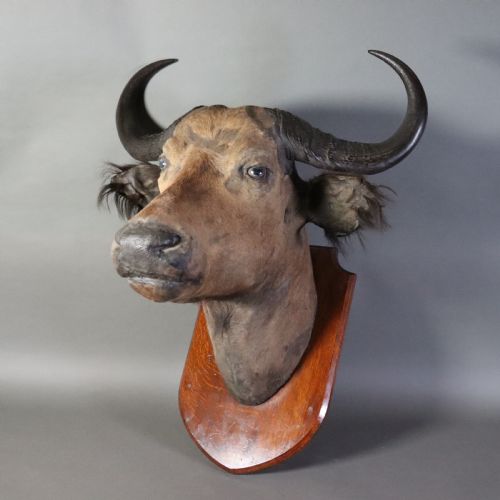
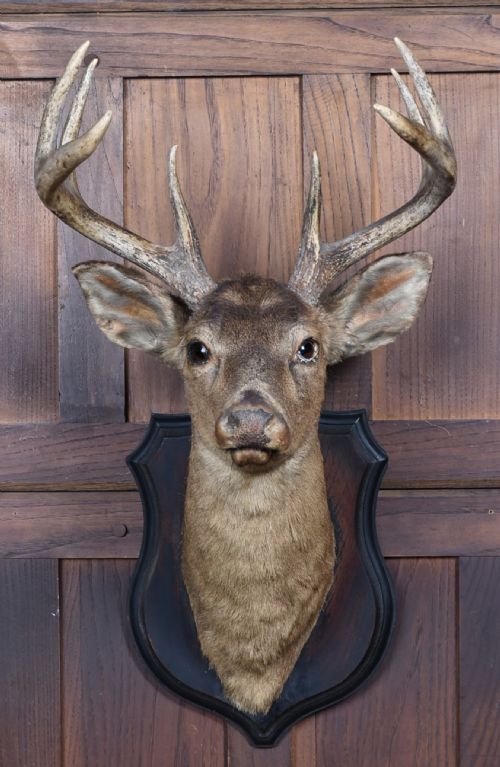
When you search for an antique trophy shield, you encounter a distinct blend of natural history and woodworking designed for wall display. These pieces combine animal heads, horns, or masks with wooden backing boards, predominantly oak or ebonised timber.
The most frequent examples on this page are deer antlers, stags' heads, and fox masks mounted on carved wooden shields. Alongside these sporting mounts, the category includes commemorative presentation shields and bowls linked to past competitions.
How they were made
Taxidermists shaped skins and horns over sculpted forms, securing the specimens firmly to shaped wooden shields. Oak and carved wood provided the robust backing required to support heavy antlers and heads.
Makers integrated natural materials such as bone, horn, and taxidermy hide alongside glass eyes and metal fixings. Wood carving decorated the mounting shields, ranging from plain geometric boards to elaborate foliage.
Several mounted fox masks bear the names of notable nineteenth-century hunts and famed taxidermists who immortalised them.
What varies in quality
Quality rests upon the skill of the taxidermist in rendering lifelike posture and expression, particularly in animal masks and heads. Renowned practitioners achieved anatomical precision that lesser makers missed.
The carving and finish of the wooden shield dictate the overall merit of the piece. Deeply carved oak and well-seasoned timber distinguish superior examples from simple functional mounting boards.
Peter Spicer and Sons·Edward Gerrard and Sons
The Antique Trophy Shield Glossary
- Shield
- The shaped wooden plaque that serves as the backing board for horns, antlers, or taxidermy heads. Oak and ebonised wood are typical materials.
- Mask
- The head and upper neck portion of a smaller animal, such as a fox or otter, prepared by a taxidermist for wall hanging.
- Taxidermy
- The art of preparing, stuffing, and mounting the skins of animals for permanent display. Historical pieces often utilised glass eyes and traditional stuffing methods.
- Antlers
- The bony growths shed and regrown annually by members of the deer family. Large sets are frequently measured by their number of points.
Antique Trophy Shield: Frequently Asked Questions
What periods do these pieces span?
The selection covers items from the Victorian and Edwardian eras through to the early twentieth century. Dates range from the late nineteenth century into the nineteen-thirties.
Stylistic shifts reflect changing tastes in interior decoration, moving from elaborate Victorian sporting displays to more restrained twentieth-century designs.
How should I clean taxidermy mounts?
Dust taxidermy mounts gently using a soft brush or a dry cloth to protect the fur, hide, and feathers. Avoid water and chemical cleaning agents.
Keep pieces away from direct sunlight and damp conditions to prevent the natural hide and wood from degrading over time.
Are all shields made of wood?
Wood is the primary material used for the backing boards, with oak and ebonised timber appearing frequently in the listings. Carved wooden shields provide structural support for the horns and heads.
Some pieces incorporate additional materials like ceramic or silver plating, particularly in presentation bowls and commemorative plaques mounted on timber.