



Antique Trophy Cup
An antique trophy cup carries the weight of past victories, crafted in precious metals to mark achievements on the river, field, and track.
Antique Trophy Cup
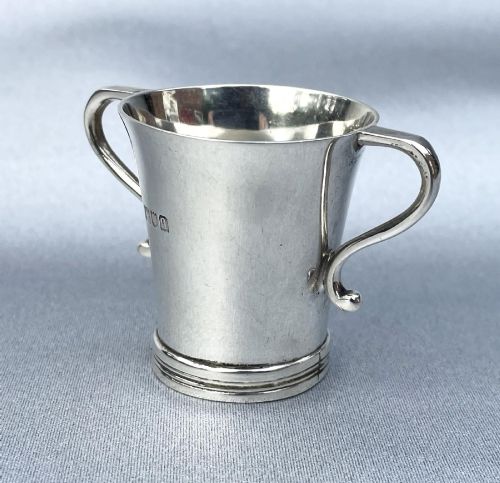
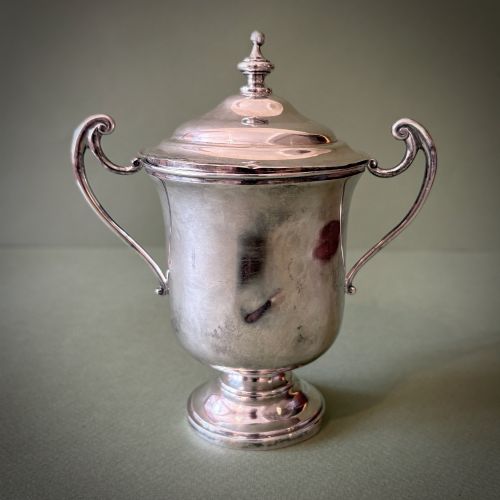
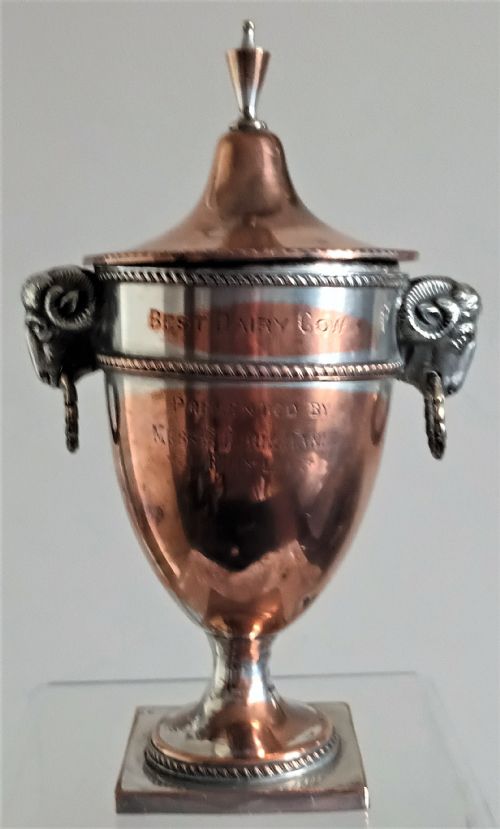
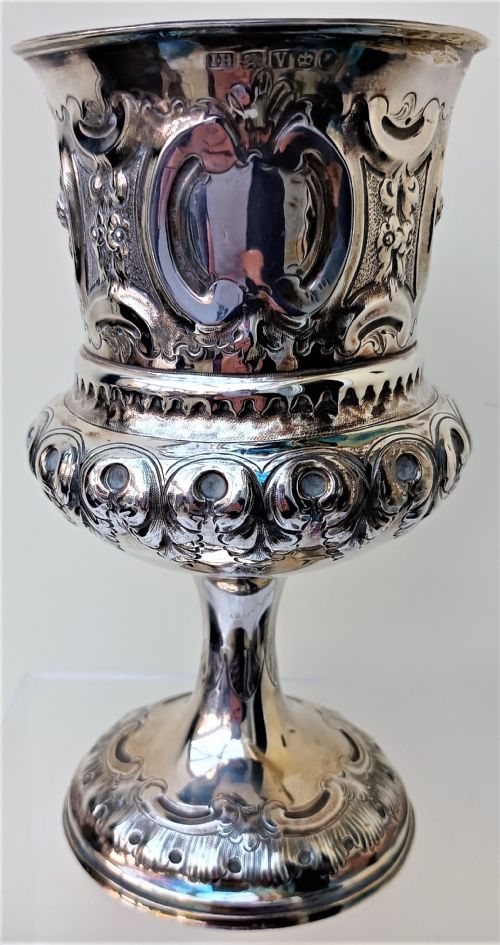
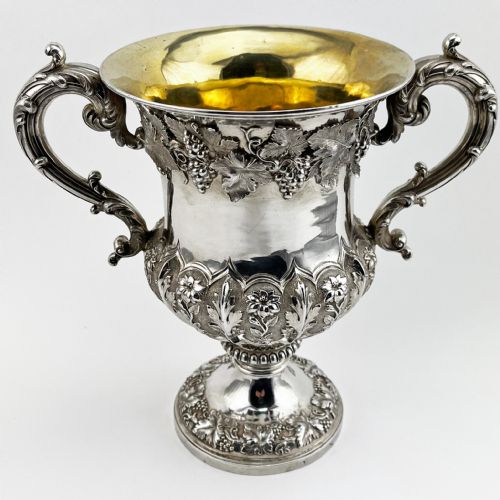
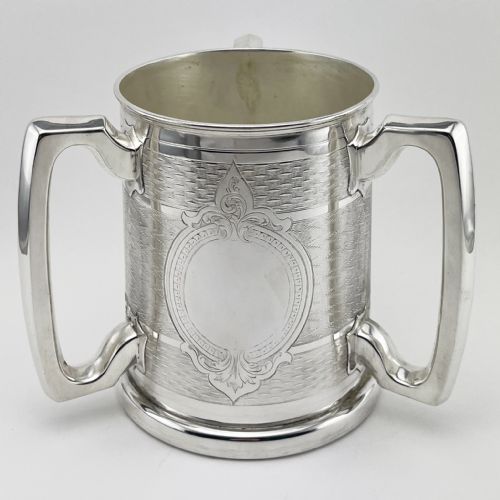
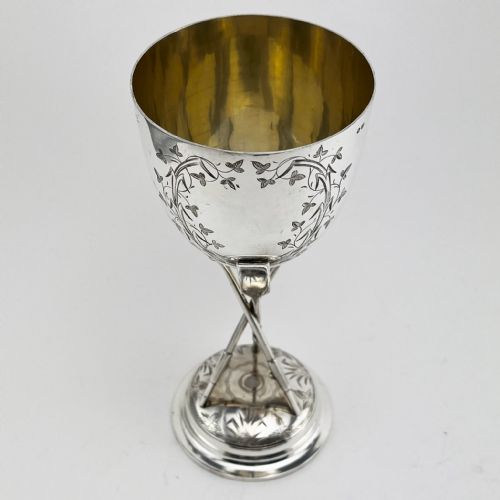
When searching for an antique trophy cup, buyers encounter a diverse range of presentation pieces spanning the Georgian, Victorian, and Art Deco periods. These vessels take various forms, including two-handled loving cups, chalices, heavy beakers, and tall covered presentation urns. The items recorded here originate from British workshops, European makers, and as far afield as China and India.
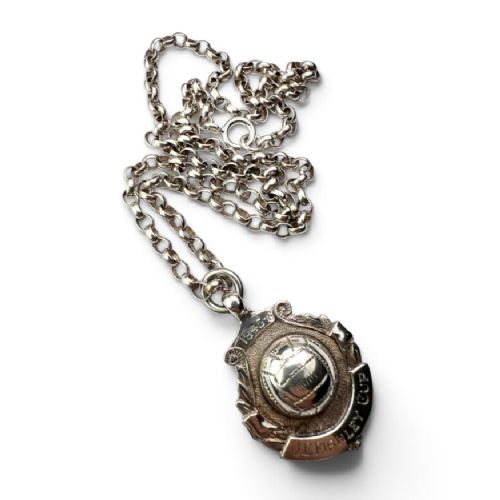
The most common examples on this page are Victorian and Edwardian sterling silver presentation pieces, often engraved with the details of local sporting clubs and competitions. Alongside solid silver, buyers frequently meet silver plated versions and Old Sheffield Plate vessels from the eighteenth and nineteenth centuries. These drinking and display vessels served as prizes for horse racing, rowing, coursing, and cricket matches.
How they were made
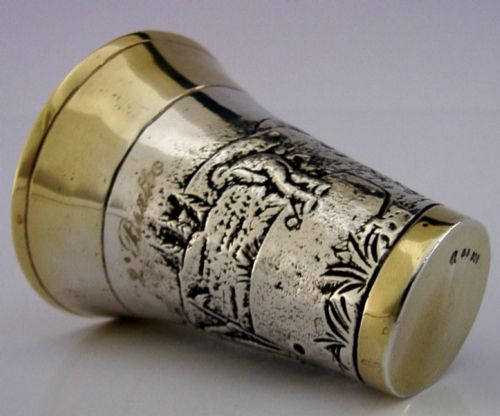
Silversmiths constructed these vessels primarily using sterling silver, silver plate, and Old Sheffield Plate, occasionally incorporating parcel gilding, copper, brass, and cherry wood. Makers shaped the bodies through hammering, spinning, or casting, applying applied wire rims and sturdy cast scroll handles to the shoulders.
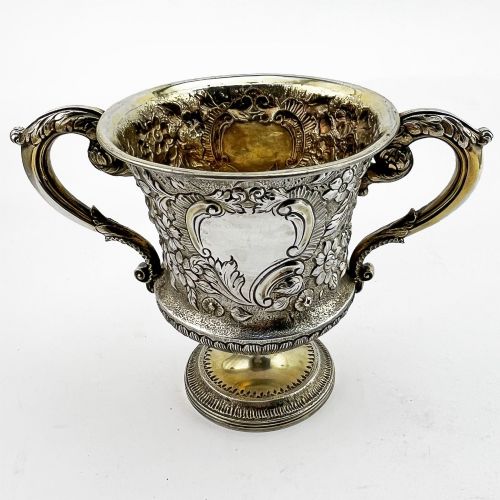
Decoration relied heavily on manual skill, with artisans employing chasing, repousse work, and hand engraving to render botanical motifs, scrolls, and dedication inscriptions. Lidded versions featured turned finials, while specialised pieces incorporated interior liners or cherry wood bases to support their substantial weight.
Antique Trophy Cup Retail Price Guide 2026
Typical asking prices for trophy cup among the pieces listed under this phrase on Sellingantiques today, from the lower quarter to the upper quarter. They describe what is for sale here now, not the wider market.
Listings feature sterling silver, silver plate, Old Sheffield plate, and brass across the Georgian, Victorian, and Edwardian periods.
What varies in quality
Quality in an antique trophy cup rests upon the heaviness of the metal gauge and the crispness of the hand-chased or engraved detailing. Superior pieces display deep, resolute chasing and balanced proportions, whereas lesser items rely on thin gauge metal that yields easily to pressure.
The distinction also lies in the integrity of the maker and the significance of the presentation engraving. Pieces bearing clear hallmarks from notable silversmiths alongside detailed records of historical sporting provenance command greater appreciation than generic unmarked items.
James Deakin And Sons·Henry Tatton And Son·Zee Wo·Richard Gurney·Joseph Rodgers And Sons·Thomas Sutton·Martin Hall And Co·William Hutton·Henry Hobson And Sons
The Antique Trophy Cup Glossary
- Sterling silver
- An alloy consisting of 92.5 percent silver by mass, representing the standard for British silverware. It provides the durable foundation for high-grade presentation cups.
- Old Sheffield plate
- A composite material formed by fusing a thin sheet of silver to a thicker copper base before rolling. This technique was widely utilised before the invention of electroplating.
- Loving cup
- A large drinking vessel featuring two or three handles, designed to be passed among guests or teammates. They frequently served as communal presentation pieces at banquets and club dinners.
- Chasing
- A metalsmithing technique where the artisan pushes the metal from the front using hammers and punches to create raised surface designs without removing material.
- Parcel gilt
- Silverwork that is partially gilded with a thin layer of gold on the interior or exterior details. This method creates a striking contrast against polished silver surfaces.
- Tyg
- A large drinking cup characterised by multiple handles projecting from the body. These sturdy vessels date back centuries and frequently appear in heavyweight presentation forms.
Antique Trophy Cup: Frequently Asked Questions
What were antique trophy cups used for?
These vessels functioned primarily as commemorative prizes awarded for victories in rowing, horse racing, cricket, and shooting competitions. Clubs and societies presented them to winning participants during formal ceremonies and annual dinners.
Beyond sporting events, many served as communal drinking vessels at gatherings or decorative mantelpiece items displaying the crest of an organisation.
How can I tell the period of a silver cup?
Dating relies heavily upon the stamped hallmarks found on sterling silver pieces, which indicate the assay office, the specific year letter, and the maker's mark. Researching these registry marks provides an exact year of manufacture.
Stylistic shifts also reveal the era, moving from the ornate rococo curves of the Georgian period to the restrained classical lines of the Victorian age and the geometric angles of Art Deco.
How do I care for antique silver cups?
Silver pieces require gentle cleaning with a specialist silver cloth or a mild, non-abrasive polish to remove tarnish while preserving the integrity of the underlying metal. Avoid harsh chemical dips that strip away the subtle patination accumulated over generations.
Display the cups away from direct sunlight and damp environments to protect any wooden bases or delicate engraved details.