



Antique Triptych Frame
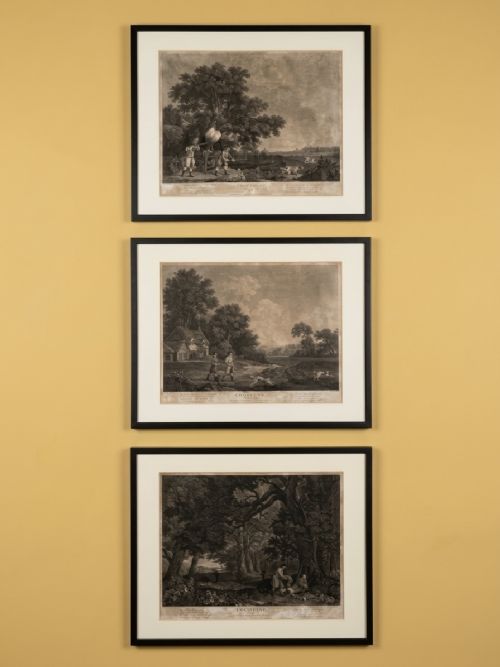
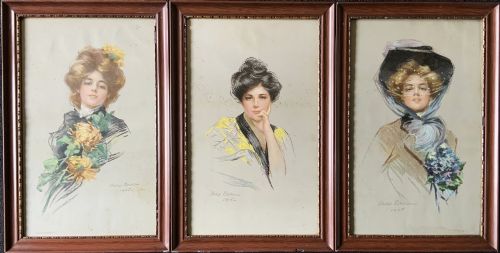
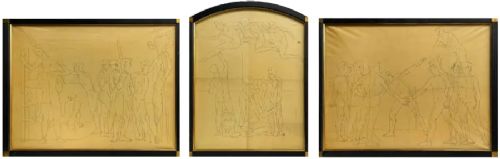
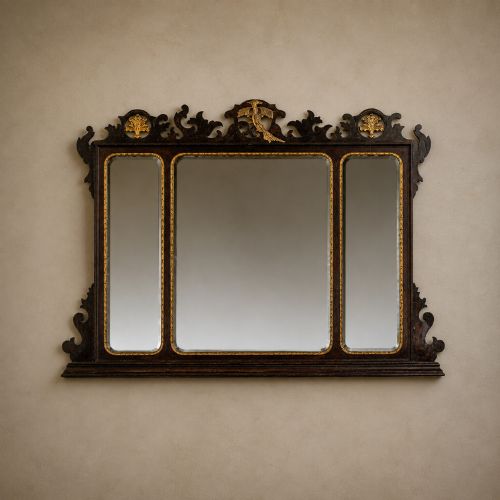
An antique triptych frame holds three panels of glass or art, bringing architectural symmetry and a traditional hinged display into a room.
Antique Triptych Frame
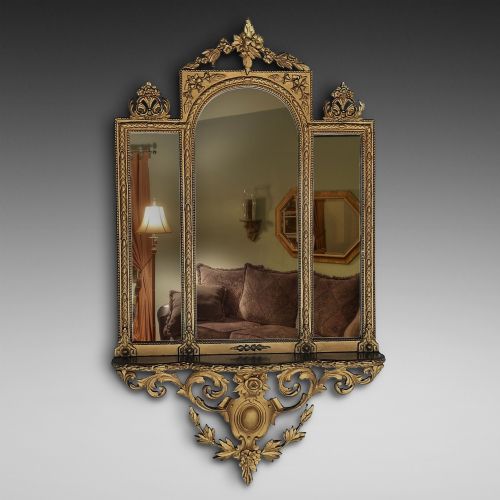
When you search for an antique triptych frame, you encounter multi-panel designs that divide artwork, mirrors or photographs across three sections. These objects appear in various historical guises, ranging from large overmantel mirrors with gilded mouldings to smaller dressing table mirrors and easel photo frames.
The pieces listed on this page span several distinct periods, including the Georgian, Regency, Victorian, Edwardian and 1920s eras. Overmantel mirrors and folding dressing table accessories dominate the selection, often incorporating wood, brass and carved gesso elements.
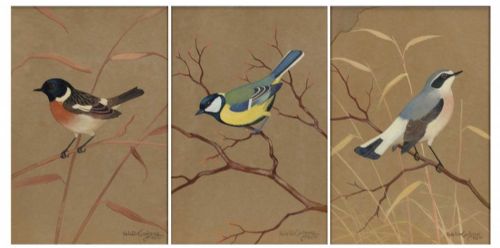
Origins vary between formal British domestic interiors and specialised exhibition pieces, encompassing both wall-hanging formats and hinged folding structures. Buyers frequently select these items to create a sense of expanded space or to display related sets of watercolours, prints and portrait miniatures.
Materials and construction methods
Makers constructed these frames using timber skeletons of mahogany, oak, walnut and rosewood, often applying detailed plaster work known as gesso. Gilding with gold leaf or metallic paint creates the bright, reflective surfaces seen on many of the nineteenth-century examples.
Smaller folding items utilise brass hinges and ormolu mounts to join the three sections together securely. Glass panels, hand-coloured engravings, watercolours and pencil drawings are then fitted into the apertures, sometimes secured with simple wooden backing boards.
Antique Triptych Frame Retail Price Guide 2026
Typical asking prices for triptych frame among the pieces listed under this phrase on Sellingantiques today, from the lower quarter to the upper quarter. They describe what is for sale here now, not the wider market.
The periods represented across these pieces range from the 18th century through the Regency, Victorian and Edwardian eras to the 1920s and 1940s.
Factors that distinguish quality
The fineness of the carved ornamentation, such as crestings or decorative mouldings, separates standard production from superior work. Crisp detailing in the gesso and balanced proportions across the three panels indicate skilled craftsmanship.
The integrity of the original joints, hinges and gilding dictates the overall standard of survival. Pieces retaining their original backing materials, glass and fitted artwork command greater appreciation among collectors.
Ralston Gudgeon·Takashi Nakayama
The Antique Triptych Frame Glossary
- Triptych
- A three-panelled artwork, mirror or frame hinged or joined together. The central section is typically larger than the two folding wings flanking it.
- Giltwood
- Wood that has been coated with a thin layer of gold leaf or metallic powder. This finish was widely applied to nineteenth-century decorative frames.
- Gesso
- A plaster-like mixture applied to wood surfaces and moulded into relief decoration. It provides a smooth base for subsequent gilding or painting.
- Overmantel mirror
- A large mirror designed to hang above a fireplace mantelpiece. Many period examples utilise compartmental or triptych glass layouts.
- Ormolu
- Finely chased and gilt bronze used for decorative mounts on frames and furniture. It gained popularity during the Regency and Victorian periods.
- Portrait miniature
- A small, highly detailed painting on ivory, vellum or card. These works are frequently housed in folding multi-panel frames.
Antique Triptych Frame: Frequently Asked Questions
What is an antique triptych frame used for?
These frames were designed to display three related images, documents or mirrors within a unified, hinged or compartmentalized structure.
In domestic settings, they served as decorative overmantel mirrors, dressing table accessories or portable folding portrait displays.
How do I date an antique triptych frame?
Dating relies on identifying the underlying wood species, decorative styles such as Regency carving or Edwardian brasswork, and construction techniques.
Examining the backboards, fixings and the nature of the glass or paper contents also helps determine the period of origin.
Where should I place a triptych mirror?
Large overmantel versions suit placement directly above a fireplace to reflect light and anchor the room's proportions.
Smaller folding dressing table mirrors or easel frames work well on top of chests of drawers, sideboards or dedicated display surfaces.
Are triptych frames always made of wood?
While timber forms the structural core of most examples, makers frequently incorporated heavy gesso ornamentation, brass hinges and ormolu mounts.
Certain smaller Victorian and Edwardian variations utilise solid brass or applied composition materials alongside glass and paper elements.